Siberian Husky and Mastiff Mix: The Complete Breed Profile
Everything about the Siberian Husky and Mastiff mix: size, temperament, coat types, health risks, grooming, costs.
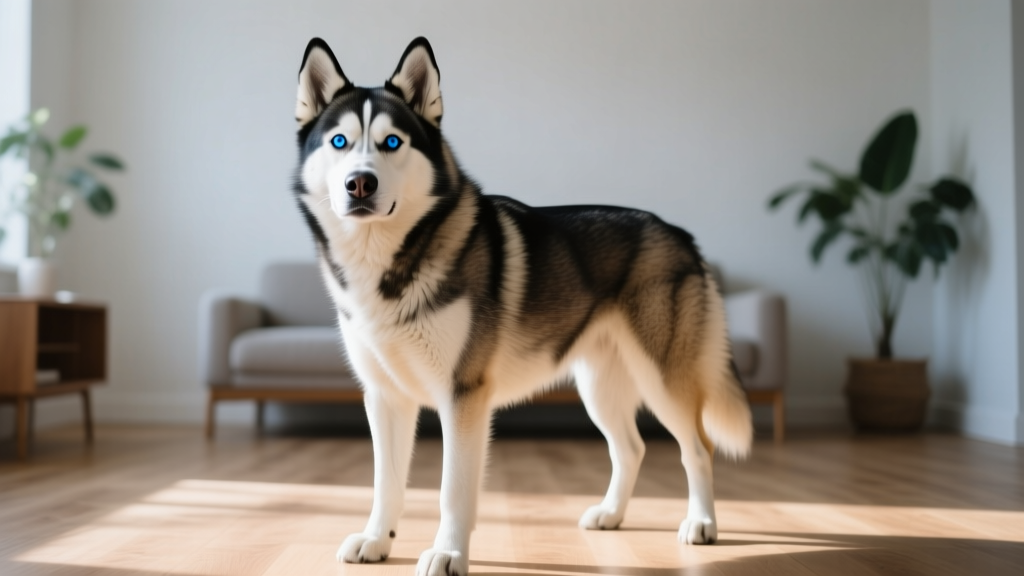
The Siberian Husky and Mastiff mix — sometimes called a Husky Mastiff or Mastiff Husky — is one of the more unusual designer crosses you'll encounter. Combining the sled-pulling endurance and vocal personality of the Siberian Husky with the sheer mass and guardian instincts of the Mastiff, this mix produces a dog that can be as unpredictable in temperament as it is striking in appearance. Because this pairing is rare and largely undocumented by major registries, prospective owners need to go in with eyes wide open about the variability involved.
This guide breaks down everything we know from parent breed genetics, veterinary literature, and reports from owners and breeders who have worked with this cross. If you're researching the Siberian Husky and Mastiff mix before committing to a puppy or rescue, here's what you need to know.
Parent Breed Breakdown: Siberian Husky vs. Mastiff
Understanding a designer mix always starts with the parents. These two breeds sit at nearly opposite ends of the canine spectrum in size, function, and temperament. That gap is precisely what makes predicting outcomes in their offspring so challenging.
| Trait | Siberian Husky | Mastiff (English Mastiff) |
|---|---|---|
| AKC Group | Working | Working |
| Weight Range | 35–60 lb / 16–27 kg | 120–230 lb / 54–104 kg |
| Height at Shoulder | 20–23.5 in / 51–60 cm | 27.5–30+ in / 70–76+ cm |
| Coat Type | Double coat, medium length | Short, dense outer coat with undercoat |
| Energy Level | Very high (60–120 min/day) | Low to moderate (20–40 min/day) |
| Shedding | Heavy; seasonal blowouts | Moderate year-round |
| Vocalization | Very high — howls, talks, "woos" | Low — rarely barks without cause |
| Original Function | Sled pulling, endurance running | Guardian, estate protection |
| Lifespan | 12–14 years | 6–10 years |
| Trainability | Independent, stubborn | Willing but slow-maturing |
Both breeds belong to the AKC Working Group, but their working styles couldn't be more different. The Husky was bred by the Chukchi people of northeastern Asia to pull light loads over vast distances at moderate speeds — a cooperative pack animal that thinks independently. The Mastiff, tracing back to ancient Molosser dogs of Britain and the Mediterranean, was bred to guard property and family through sheer presence and intimidation. You're crossing a marathon runner with a linebacker.
Size Range: How Big Will a Husky Mastiff Mix Get?
This is the question everyone asks first, and honestly, the answer spans a massive range. The weight disparity between the two parent breeds is roughly 4x to 5x, which means first-generation (F1) puppies can land almost anywhere on the spectrum.
| Generation | Weight Range | Height Range | Body Type |
|---|---|---|---|
| F1 (Husky × Mastiff) | 60–140 lb / 27–64 kg | 22–28 in / 56–71 cm | Medium-heavy to heavy build |
| F1b (Backcross to Mastiff) | 100–180 lb / 45–82 kg | 25–30 in / 64–76 cm | Heavy, broad-chested |
| F1b (Backcross to Husky) | 45–80 lb / 20–36 kg | 20–25 in / 51–64 cm | Athletic, leaner |
| F2 / Multigen | 55–150 lb / 25–68 kg | 21–29 in / 53–74 cm | Highly variable |
Most F1 Husky Mastiff mixes that owners report tend to land in the 70–110 lb (32–50 kg) range with a height of 23–27 inches at the shoulder. Males trend toward the upper end. However, littermates can differ dramatically — one puppy might mature at 65 lb while another hits 130 lb. If size predictability matters to you (apartment restrictions, vehicle space, handling strength), this mix is a gamble.
Designer dog generations work like this:
- F1 (First Generation): One purebred Siberian Husky parent × one purebred Mastiff parent. Maximum genetic diversity but highest trait unpredictability. Each puppy is a unique roll of the dice.
- F1B (Backcross): An F1 Husky Mastiff mix bred back to one of the parent breeds. An F1B-to-Mastiff will be larger and more Mastiff-like; an F1B-to-Husky will be smaller and more Husky-like.
- F2 (Second Generation): Two F1 Husky Mastiff mixes bred together. Trait segregation increases — some puppies may look almost entirely Husky, others almost entirely Mastiff.
- Multigen (F3+): Multiple generations of Husky Mastiff breeding. Still rare for this particular cross; true multigen lines are nearly nonexistent because this mix lacks the established breeding programs seen in Labradoodles or Goldendoodles.
Because this cross is uncommon, most dogs you encounter will be F1 or accidental mixes rather than products of intentional multigen breeding programs.
Temperament: Best-Case and Challenging Scenarios
Temperament in the Siberian Husky and Mastiff mix is where the "designer dog lottery" becomes most apparent. Both parent breeds share the Working Group classification but have fundamentally different behavioral profiles.
Best-case scenario: You get a dog with the Mastiff's calm, steady disposition combined with the Husky's playful friendliness. This dog is confident without being aggressive, energetic enough to enjoy hikes but content to lounge at home, and sociable with family members including children. The dog may inherit the Mastiff's natural guarding instinct — alerting you to strangers without the Husky's tendency to greet everyone like a long-lost friend.
Challenging scenario: You get a dog with the Husky's high prey drive and escape-artist tendencies in a Mastiff-sized body. Imagine a 100-pound dog that wants to chase every squirrel, howls persistently when left alone, and has the strength to pull an adult off their feet on a leash. Add the Mastiff's potential territorial behavior, and you could have a dog that's difficult to manage in public settings or around smaller pets.
Key temperament variables to prepare for:
- Prey drive: Huskies rank among the highest prey-drive breeds. Mastiffs have moderate prey drive with strong territorial instincts. Your mix could inherit either, both, or an unpredictable combination.
- Independence vs. biddability: Neither breed is known for eager obedience. Huskies are famously independent thinkers; Mastiffs are willing but slow to mature mentally (some don't fully "grow up" until 3–4 years old). Expect training to require patience and consistency.
- Vocalization: Huskies are among the most vocal dog breeds — they howl, talk, whine, and "woo." Mastiffs are relatively quiet but have a deep, resonant bark when triggered. Your mix could be a vocal dog with a powerful voice.
- Separation tolerance: Huskies are prone to separation anxiety and destructive behavior when under-stimulated. Mastiffs generally tolerate alone time better but can become destructive if bored. A mix may struggle with extended solitude.
- Social behavior: Huskies tend to be friendly with strangers (poor guard dogs). Mastiffs are naturally wary of strangers and protective of their family. Your dog's comfort level with visitors is a coin flip.
Positive reinforcement training methods — using treats, praise, and play rewards — are essential for this mix. Force-free, LIMA (Least Intrusive, Minimally Aversive) approaches work best because both parent breeds respond poorly to harsh methods. Huskies shut down or become avoidant; Mastiffs can become defensively reactive. Consider enrolling in a structured positive reinforcement training program early, ideally starting in puppyhood.
Coat Types, Shedding, and Grooming Requirements
Is the Siberian Husky and Mastiff mix hypoallergenic or low-shedding? No. Neither parent breed carries hypoallergenic coat genetics, and no dog is truly hypoallergenic regardless. This mix will shed — the question is how much and in what pattern.
| Coat Outcome | Likelihood | Inherited From | Shedding Level | Grooming Frequency |
|---|---|---|---|---|
| Medium-length double coat | Common (F1) | Husky-dominant | Heavy; seasonal blowouts 1–2×/year | Brushing 3–5×/week; daily during blowouts |
| Short dense coat with undercoat | Common (F1) | Mastiff-dominant | Moderate year-round | Brushing 1–2×/week |
| Intermediate coat (medium-short) | Frequent | Blended inheritance | Moderate to heavy | Brushing 2–3×/week |
Grooming tools to keep on hand regardless of coat type:
- Undercoat rake: Essential if your dog inherits the Husky-style double coat. The Furminator deShedding Tool (large breed size) or a similar undercoat rake removes loose undercoat before it ends up on your furniture.
- Slicker brush: For general maintenance and tangle prevention on medium-length coats.
- Rubber curry brush: Ideal for short-coated individuals — it lifts loose hair and distributes skin oils effectively.
- High-velocity dryer: If your dog inherits a thick double coat, a forced-air dryer (such as the Metro Air Force Commander) dramatically speeds up drying after baths and helps blow out dead undercoat. These run $100–$180 but save hours of brushing.
Bathing should occur every 6–8 weeks for most individuals, or as needed. Use a dog-specific, pH-balanced shampoo — never human products. Mastiff-type skin folds (if your mix inherits facial wrinkles) require regular cleaning with a damp cloth or dog-safe wipe to prevent moisture buildup and bacterial or yeast infections.
Health Considerations: What This Mix May Inherit
Let's address a common myth directly: hybrid vigor does not eliminate health risks. The concept of heterosis (hybrid vigor) is real in animal breeding — crossbred animals sometimes show improved fitness over inbred purebreds. However, it does not mean a mixed-breed dog is immune to genetic disease. A Husky Mastiff mix can inherit any condition that affects either parent breed. According to veterinary geneticists, the benefit of crossbreeding is reduced probability of inheriting recessive disorders that are concentrated within a single breed's gene pool — not elimination of risk.
| Condition | Inherited From | Prevalence in Parent Breed | Screening Method | Estimated Treatment Cost |
|---|---|---|---|---|
| Hip Dysplasia | Both breeds | Huskies: ~6%; Mastiffs: ~22% (OFA data) | OFA/PennHIP radiographs | $1,500–$7,000 (surgical) |
| Elbow Dysplasia | Mastiff primarily | Mastiffs: ~15% | OFA elbow radiographs | $1,500–$4,000 (surgical) |
| Gastric Dilatation-Volvulus (Bloat) | Mastiff primarily | Deep-chested giant breeds: high risk | Clinical emergency; preventive gastropexy possible | $1,500–$7,500 (emergency surgery) |
| Progressive Retinal Atrophy (PRA) | Husky primarily | Huskies: moderate prevalence | OFA CERF eye exam; DNA test | No cure; management only |
| Hypothyroidism | Both breeds | Moderate in both | Thyroid panel (T4, free T4, TSH) | $20–$50/month (medication) |
| Dilated Cardiomyopathy (DCM) | Mastiff primarily | Giant breeds: elevated risk | Echocardiogram; Holter monitor | $80–$250/month (medication) |
| Cataracts | Husky primarily | Huskies: hereditary juvenile cataracts documented | CERF eye exam | $1,500–$4,000 per eye (surgery) |
Bloat (GDV) deserves special attention. If your Husky Mastiff mix inherits the Mastiff's deep chest conformation, gastric dilatation-volvulus is a genuine life-threatening risk. This condition — where the stomach fills with gas and twists — can kill within hours. The AVMA recommends knowing the signs: unproductive retching, distended abdomen, restlessness, and pale gums. Many Mastiff owners opt for a prophylactic gastropexy (surgically tacking the stomach to the abdominal wall) during spay/neuter surgery, which costs $300–$800 additional but dramatically reduces GDV risk.
When sourcing a puppy, ask breeders for OFA (Orthopedic Foundation for Animals) or PennHIP certifications on both parents for hips and elbows, CERF eye clearances, and thyroid panels. A responsible breeder will provide these without hesitation. Consult your veterinarian about an appropriate screening schedule for your individual dog.
Exercise, Training, and Daily Care
Exercise needs in this mix depend heavily on which parent's energy level dominates. Plan for the higher end and be pleasantly surprised if your dog is calmer.
- Minimum daily exercise: 45–90 minutes of structured activity (leash walks, hiking, controlled play). This assumes a moderate-energy individual.
- High-energy individuals: May require 90–120+ minutes daily, including off-leash running in secure areas if recall is reliable.
- Low-energy (Mastiff-dominant) individuals: May be satisfied with 30–45 minutes, but still need daily mental stimulation to prevent boredom-related destruction.
Critical caution for puppies: Giant and large-breed puppies should not engage in forced exercise (running, jogging alongside bikes, repetitive jumping) until growth plates close — typically 18–24 months for dogs expected to exceed 80 lb. Free play on soft surfaces is fine; structured high-impact exercise risks joint damage during development. Your veterinarian can advise on appropriate activity levels based on your puppy's growth trajectory.
Mental stimulation matters as much as physical exercise for this mix. Both parent breeds were developed for work — Huskies for pulling, Mastiffs for guarding — and an under-stimulated dog of either lineage will find its own "job," which usually means destruction. Puzzle feeders (such as the Kong Wobbler or Outward Hound Nina Ottosson puzzles), scent work games, and short training sessions throughout the day help prevent boredom.
Leash training deserves early priority. A Husky Mastiff mix that hasn't learned loose-leash walking by 6 months of age can become nearly unmanageable at full size. Use a front-clip harness (such as the Ruffwear Front Range or the 2 Hounds Design Freedom No-Pull Harness) and reward-based methods. Never use prong collars, shock collars, or leash jerks — these methods can escalate reactivity and damage the trust between you and your dog.
Cost: Purchase Price, Annual Care, and Budgeting
| Expense Category | Estimated Cost Range | Notes |
|---|---|---|
| Puppy from breeder | $800–$2,500 | Varies by breeder reputation, location, health testing. Rare cross = fewer breeders. |
| Adoption/rescue | $100–$500 | More likely to find this mix in rescues as accidental litters or owner surrenders. |
| First-year veterinary care | $800–$2,000 | Includes puppy vaccine series (DHPP, rabies, bordetella), spay/neuter, microchip, baseline screenings. |
| Annual veterinary care (adult) | $600–$1,500 | Wellness exam, vaccines/titers, heartworm test, fecal exam, dental assessment. |
| Food (monthly) | $80–$200 | Large/giant breed formula; 4–8 cups/day depending on size. AAFCO complete-and-balanced required. |
| Heartworm/flea/tick prevention (monthly) | $25–$65 | Weight-based dosing; larger dogs cost more. Products like Simparica Trio, Interceptor Plus. |
| Pet insurance (monthly) | $45–$120 | Higher premiums for giant-breed mixes due to bloat and joint surgery risk. Companies like Trupanion, Healthy Paws, Lemonade. |
| Grooming supplies/tools | $50–$200 (one-time) | Brushes, shampoo, nail clippers; professional grooming $50–$90/session if needed. |
| Training classes | $150–$400 | Group puppy class + adult obedience; private sessions $75–$150/hour if behavioral issues arise. |
Realistic first-year total for a puppy from a breeder: $3,500–$7,500. Ongoing annual costs after year one: $2,000–$5,000. These numbers assume no major health emergencies — a single bloat surgery or hip replacement can add $3,000–$7,500 in one event.
Finding this specific mix through breeders is difficult because intentional Husky-Mastiff breeding programs are uncommon. Most puppies available are from accidental breedings or small-scale breeders experimenting with novel crosses. If you pursue a breeder, insist on health-tested parents (OFA certifications visible on the OFA website), a written health guarantee, and a take-back clause. Alternatively, check large-breed rescue organizations — the ASPCA's adoption search and breed-specific Mastiff and Husky rescues occasionally list mixed-breed dogs.
Who This Mix Suits Best
The Siberian Husky and Mastiff mix is not a beginner-friendly dog. The combination of potential giant size, unpredictable temperament, high grooming needs, and significant exercise requirements makes this cross best suited for specific households:
- Experience level: Owners with prior experience handling large or giant breeds, ideally with training knowledge. First-time dog owners should consider more predictable breeds.
- Living space: A house with a securely fenced yard (6-foot fence minimum — Huskies are notorious climbers and jumpers). This mix is not well-suited to apartments unless the dog inherits a smaller size and lower energy level, which you can't guarantee with a puppy.
- Family composition: Families with older children (8+) are ideal. A 100+ lb dog with Husky-level exuberance can accidentally knock over toddlers. Early socialization with children is essential regardless.
- Other pets: Proceed with caution. High prey drive from the Husky side makes cats, small dogs, and livestock risky. If raised with other pets from puppyhood, cohabitation may work — but always supervise.
- Time commitment: This is not a dog that does well left alone for 10-hour workdays. Plan for midday breaks, a dog walker, or doggy daycare if you work long hours.
- Climate: Husky-coat individuals will struggle in hot, humid climates (southern US summers). Mastiff-coat individuals tolerate heat better but still need climate-controlled environments. Neither should be kept primarily outdoors.
Frequently Asked Questions
What two breeds make up the Siberian Husky and Mastiff mix?
This cross combines a purebred Siberian Husky — a medium-sized sled dog originally bred by the Chukchi people of Siberia — with a purebred Mastiff (typically the English Mastiff), one of the largest dog breeds in the world. Both belong to the AKC Working Group but differ enormously in size, energy, and temperament.
How big will a Siberian Husky and Mastiff mix get?
Most F1 individuals mature between 70–110 lb (32–50 kg) and 23–27 inches at the shoulder, but the range extends from as small as 55 lb to as large as 150 lb depending on which parent's genes dominate. There's no reliable way to predict exact adult size from a young puppy.
What will the temperament of a Husky Mastiff mix be like?
Temperament is highly variable. You could get a calm, protective dog with Mastiff-like steadiness, an energetic and vocal dog with Husky-like independence, or any combination in between. Early socialization (starting before 16 weeks) and consistent positive reinforcement training are essential regardless of the temperament your dog inherits.
Is the Siberian Husky and Mastiff mix hypoallergenic or low-shedding?
No. Neither parent breed is hypoallergenic. The mix will shed moderately to heavily depending on coat type inheritance. Husky-coat individuals experience dramatic seasonal "blowouts" where the undercoat sheds in large quantities, typically once or twice per year.
What health issues might this mix inherit?
Key concerns include hip and elbow dysplasia (both parents), gastric dilatation-volvulus or bloat (Mastiff side), progressive retinal atrophy and cataracts (Husky side), dilated cardiomyopathy (Mastiff side), and hypothyroidism (both). Ask breeders for OFA health clearances on both parents and establish a screening schedule with your veterinarian.
How much does a Siberian Husky and Mastiff mix cost?
Puppies from breeders typically range from $800–$2,500, though this cross is rare and availability is limited. Adoption through rescues may cost $100–$500. Budget an additional $3,000–$5,000 for first-year expenses including veterinary care, food, supplies, and training.
Beth Carrasco
All our authors care for dogs every day — read more of their work on the authors page.


