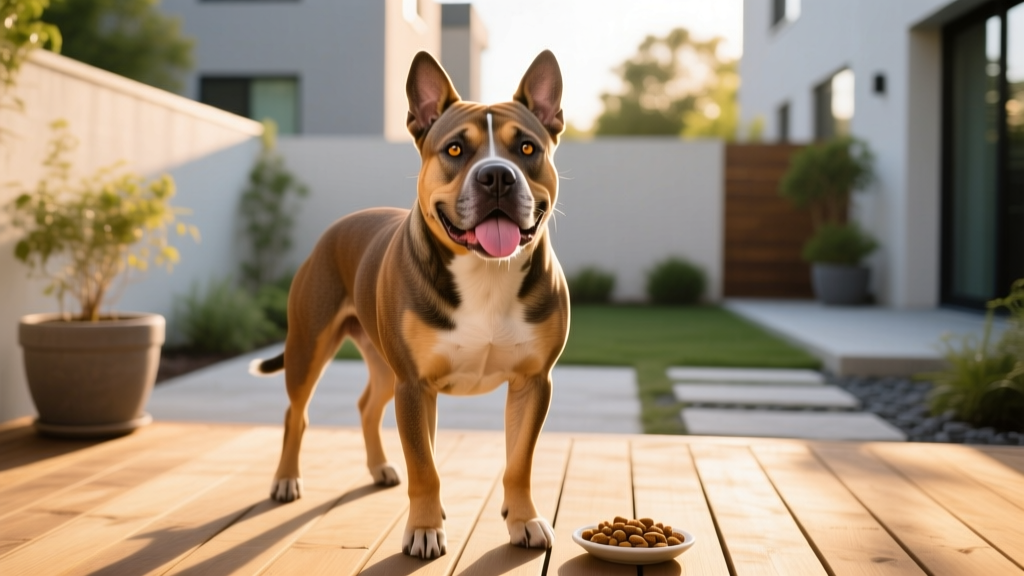
Siberian Chow Mix: Complete Breed Guide to the Chowski
Everything you need to know about the Siberian Chow mix (Chowski): size, temperament, coat, health risks, grooming, costs.

The Siberian Chow mix — sometimes called the Chowski — pairs the endurance-driven athleticism of the Siberian Husky with the dignified independence of the Chow Chow. It's a cross that produces striking dogs, but one that comes with serious variability in temperament, coat, and health outcomes. If you're researching this mix, you've likely seen gorgeous photos online. What those photos don't show is the range of personalities, grooming demands, and potential veterinary costs that come with blending two strong-willed, heavy-coated spitz-type breeds.
This guide breaks down what prospective owners actually need to know — from realistic size ranges and the myth of guaranteed hybrid vigor, to the specific health screenings you should demand from any breeder. Let's get specific.
Parent Breed Breakdown: Husky Meets Chow
Understanding a designer mix starts with understanding its parents. Both the Siberian Husky and Chow Chow belong to the spitz family — pointed ears, curled tails, thick double coats — but their histories and temperaments diverge significantly.
| Trait | Siberian Husky | Chow Chow |
|---|---|---|
| AKC Group | Working | Non-Sporting |
| Weight Range | 35–60 lb (16–27 kg) | 45–70 lb (20–32 kg) |
| Height at Shoulder | 20–23.5 in (51–60 cm) | 17–20 in (43–51 cm) |
| Coat | Medium-length double coat | Smooth or rough; dense double coat with distinctive ruff |
| Energy Level | Very high — bred for endurance pulling | Low to moderate — historically a guard/companion |
| Temperament | Friendly, outgoing, pack-oriented | Aloof, loyal to family, wary of strangers |
| Trainability | Intelligent but independent; responds to motivation | Stubborn; requires patient, positive methods |
| Shedding | Heavy seasonal blowouts | Heavy; rough-coated variety sheds profusely |
| Lifespan | 12–14 years | 8–12 years |
The Husky brings sociability and drive; the Chow brings territorial instinct and reserve. In a mix, you're essentially rolling the dice on which parent's temperament dominates — and sometimes you get a blend of both, which creates a dog that's friendly with family but standoffish with visitors, or one that's high-energy but refuses to recall off-leash.
Generations Explained: F1, F1B, and Beyond
- F1 (First Generation): One purebred Husky × one purebred Chow Chow. Maximum genetic diversity but highest trait variability — puppies in the same litter can look and behave very differently.
- F1B (First Generation Backcross): An F1 Chowski bred back to either a Husky or a Chow. Used to push traits toward one parent breed (e.g., more Husky-like temperament or more Chow-like build).
- F2 (Second Generation): Two F1 Chowskis bred together. Trait predictability does not increase — in fact, recessive traits from both breeds can surface unpredictably.
- Multigen (F3+): Multiple generations of Chowski-to-Chowski breeding. Extremely rare for this particular mix. Unlike Labradoodles, there is no established multigen breeding program for Siberian Chow mixes.
Most Siberian Chow mixes you encounter will be F1 crosses. The lack of an established breeding program means you're almost always dealing with first-generation pups, which amplifies variability.
Size, Build, and Appearance: What to Expect
Because both parent breeds are medium-to-large dogs, the Chowski typically lands in a similar range — but the specifics depend heavily on which parent the puppy favors.
| Measurement | Low End (Husky-leaning) | High End (Chow-leaning) |
|---|---|---|
| Weight | 40 lb (18 kg) | 70 lb (32 kg) |
| Height at Shoulder | 18 in (46 cm) | 23 in (58 cm) |
| Body Frame | Lean, athletic, longer legs | Stocky, broad-chested, shorter legs |
Males tend toward the upper end of these ranges; females the lower. A Chow-leaning Chowski may have the breed's characteristic blue-black tongue and slightly wrinkled expression, while a Husky-leaning one might sport heterochromia (two different-colored eyes) and a more elongated muzzle.
Coat Types, Shedding, and the Hypoallergenic Question
Let's be direct: no Siberian Chow mix is hypoallergenic or low-shedding. Both parent breeds are prolific shedders with dense double coats designed for extreme cold. If you have dog allergies or a strict no-fur-on-the-couch policy, this mix is not for you.
Coat possibilities in a Chowski include:
- Husky-type coat: Medium-length, straight to slightly wavy outer coat with a dense undercoat. Lies flatter against the body. Sheds steadily year-round with two major "blowout" periods in spring and fall.
- Chow-type rough coat: Longer, coarser outer hairs with a woolly undercoat and a pronounced mane/ruff around the neck. Requires more frequent brushing to prevent matting.
- Intermediate coat: The most common outcome — a plush, dense coat that's longer than a Husky's but not as dramatic as a rough Chow's. Expect moderate-to-heavy shedding daily.
Colors span a wide range: black, red, cinnamon, cream, gray, agouti (wild-type banding), and piebald patterns. Some Chowskis inherit the Chow's blue-black tongue; others have the standard pink tongue or a partially pigmented one.
Grooming Requirements
Regardless of which coat type your Chowski inherits, plan for:
- Brushing: 3–4 times per week minimum using an undercoat rake and slicker brush. During blowout season (typically 2–3 weeks in spring and fall), daily brushing is necessary.
- Bathing: Every 8–12 weeks, or as needed. Use a high-velocity dryer after bathing to help strip loose undercoat — this alone can cut shedding in your home by 40–50%.
- Professional grooming: Optional for Husky-type coats; recommended every 8–10 weeks for rough Chow-type coats to prevent matting behind ears and at the hindquarters.
- Never shave: A double coat provides insulation against both heat and cold. Shaving disrupts the coat structure and can lead to post-clipping alopecia, where fur fails to regrow properly.
Temperament: The Variability Challenge
Temperament is where the Siberian Chow mix becomes genuinely unpredictable. Both parent breeds are intelligent, but they express that intelligence in very different ways — and a Chowski can inherit any combination.
| Trait | Husky Influence | Chow Influence | Possible Outcome in Mix |
|---|---|---|---|
| Stranger Response | Overly friendly | Suspicious, aloof | Unpredictable — may greet warmly or retreat/guard |
| Energy & Exercise Drive | Needs 60–90+ min/day vigorous activity | Content with 30–40 min moderate walks | Usually moderate-to-high; lean toward planning 60 min/day |
| Prey Drive | High — chases small animals | Moderate — territorial chasing | Often high; unreliable off-leash in unfenced areas |
| Vocalization | Talkative — howls, "talks," whines | Generally quiet; barks to alert | Varies widely — some are vocal, others nearly silent |
| Independence | Pack-oriented but not clingy | Strongly independent, cat-like | Most Chowskis are independent thinkers who bond deeply with one or two people |
| Trainability | Needs motivation; bores easily | Stubborn; short sessions work best | Responds to positive reinforcement with high-value treats; patience required |
Best-Case Scenario
A well-socialized Chowski inherits the Husky's friendliness and the Chow's loyalty — outgoing with family, polite with strangers, moderately energetic, and responsive to training. These dogs thrive with experienced owners who provide structure without force.
Challenging Scenario
Some Chowskis inherit the Chow's wariness combined with the Husky's high energy and prey drive — creating a dog that's reactive on leash, difficult to redirect, and potentially aggressive toward unfamiliar dogs or people entering the home. Early and extensive socialization (positive exposure to 100+ people, surfaces, sounds, and other animals before 16 weeks of age) is non-negotiable.
Health Considerations: Hybrid Vigor vs. Reality
There's a persistent myth that mixed-breed dogs are automatically healthier than purebreds due to "hybrid vigor." The reality is more nuanced. While genetic diversity can reduce the risk of certain recessive disorders, a Chowski can inherit any condition that affects either parent breed — and some conditions are shared between both, which actually increases risk.
| Condition | Inherited From | Prevalence | Screening Method |
|---|---|---|---|
| Hip Dysplasia | Both breeds | ~15–20% in Huskies; ~40% in Chows (OFA data) | OFA or PennHIP radiographs — request both parents' results |
| Elbow Dysplasia | Both breeds | Lower prevalence but present in both | OFA elbow radiographs |
| Entropion (eyelid rolling inward) | Primarily Chow Chow | Common in Chows — causes corneal damage | Veterinary ophthalmologic exam; CERF screening |
| Cataracts / Progressive Retinal Atrophy | Primarily Husky | Hereditary cataracts affect ~10% of Huskies | Annual CERF exam by veterinary ophthalmologist |
| Hypothyroidism | Both breeds | Autoimmune thyroiditis documented in both | Thyroid panel (T4, free T4, TSH, thyroid antibodies) |
| Gastric Dilatation-Volvulus (Bloat) | Both breeds (deep-chested) | Emergency condition — risk increases with chest depth | No screening; preventive gastropexy may be discussed with your vet |
| Dermatitis / Hot Spots | Both breeds | Common due to dense coat trapping moisture | Regular coat inspection; prompt treatment of skin irritation |
The Orthopedic Foundation for Animals (OFA) maintains breed-specific health databases. A responsible breeder of a Siberian Chow mix should provide OFA or equivalent health clearances for both parent dogs — not just one.
Cost Breakdown: Purchase Price and Lifetime Expenses
Siberian Chow mixes are not as commercialized as Doodles or Pomskies, which affects both availability and pricing.
| Source | Price Range | Notes |
|---|---|---|
| Reputable Small Breeder | $600 – $1,200 | Health-tested parents, early socialization, take-back clause |
| Backyard Breeder / Online Listing | $300 – $700 | Rarely health-test; higher risk of behavioral and medical issues |
| Breed-Specific Rescue | $200 – $450 | Adult dogs; temperament evaluated; spay/neuter included |
| General Shelter | $50 – $300 | Mix may be misidentified; DNA test ($99, e.g., Embark) can confirm |
First-Year Budget Estimate
Beyond the purchase price, plan for realistic first-year costs:
- Veterinary (initial exams, vaccines, spay/neuter): $800 – $1,500
- Food (quality kibble, ~2.5–3.5 cups/day for a 50-lb dog): $500 – $900/year
- Grooming supplies or professional sessions: $200 – $600/year
- Training classes (group positive-reinforcement course): $150 – $300
- Pet insurance (accident + illness): $40 – $80/month ($480 – $960/year)
- Supplies (crate, leash, harness, bed, toys): $250 – $500
Realistic first-year total: $2,980 – $5,960 depending on source, location, and whether any health issues arise.
Who Should (and Shouldn't) Own a Chowski
This mix is not a beginner dog. The combination of independence, potential stubbornness, high prey drive, and grooming demands means the ideal owner has specific qualifications.
Best Fit
- Experienced dog owners who have managed independent or spitz-type breeds before
- Active households able to provide 60+ minutes of structured exercise daily
- Homes with secure, tall fencing (minimum 6 feet — Huskies are notorious escape artists and Chows will patrol boundaries)
- Adults or families with older children (10+) who understand canine body language
- Owners committed to ongoing socialization through the dog's first 2–3 years
- Cold or temperate climates — this mix is heat-sensitive due to the dense double coat
Poor Fit
- First-time dog owners without access to a qualified positive-reinforcement trainer
- Apartment living with limited outdoor access (possible but requires extraordinary exercise commitment)
- Homes with small pets (cats, rabbits, small dogs) unless the Chowski is raised alongside them from puppyhood — and even then, prey drive can emerge at maturity (18–24 months)
- Families seeking a universally friendly, easy-going companion dog
- Hot/humid climates without reliable air conditioning — both parent breeds overheat easily, and brachycephalic tendencies from the Chow side can compound risk
For those in areas with breed-specific legislation, the Chow Chow's appearance (broad skull, muscular build) can sometimes trigger visual breed identification — check your local ordinances if you live in a jurisdiction with restrictions.
Frequently Asked Questions
What two breeds make up the Siberian Chow mix?
The Siberian Husky and the Chow Chow. Both are ancient spitz-type breeds with origins in cold climates — the Husky from northeastern Asia (bred by the Chukchi people for sled pulling) and the Chow from northern China (bred as a working/guard dog).
How big will a Siberian Chow mix get?
Most Chowskis weigh between 40–70 lb (18–32 kg) and stand 18–23 inches (46–58 cm) at the shoulder. The wide range reflects individual variation — an F1 puppy favoring the Husky parent will be leaner and taller, while one favoring the Chow will be stockier and more compact.
What will the temperament be like?
Unpredictable by nature. You can expect an independent, intelligent dog that bonds closely with its family. Stranger-friendliness, energy level, and trainability vary significantly even among littermates. Extensive early socialization is essential regardless of which temperament emerges.
Is the Siberian Chow mix hypoallergenic or low-shedding?
No. Both parent breeds are heavy-shedding double-coated dogs. A Chowski will shed year-round and experience intense seasonal blowouts. This mix is not suitable for allergy sufferers.
What health issues might this mix inherit?
Key concerns include hip and elbow dysplasia (both breeds), entropion and eye disorders (primarily from the Chow side), hypothyroidism, and bloat (GDV). Request OFA health clearances for both parents from any breeder, and discuss a preventive care plan with your veterinarian.
How much does a Siberian Chow mix cost?
Expect $600–$1,200 from a responsible breeder who health-tests both parents. Rescue options range from $50–$450. First-year ownership costs typically fall between $3,000–$6,000 when you include veterinary care, food, grooming, training, and supplies.
This article is for informational purposes only and does not replace professional veterinary advice. Always consult your veterinarian for health decisions regarding your dog.
Jonas Cole
All our authors care for dogs every day — read more of their work on the authors page.