Shih Tzu: The Complete Breed Guide for Prospective Owners
Everything about the Shih Tzu breed — temperament, health risks, grooming needs, costs, and whether this toy companion is right for your family.
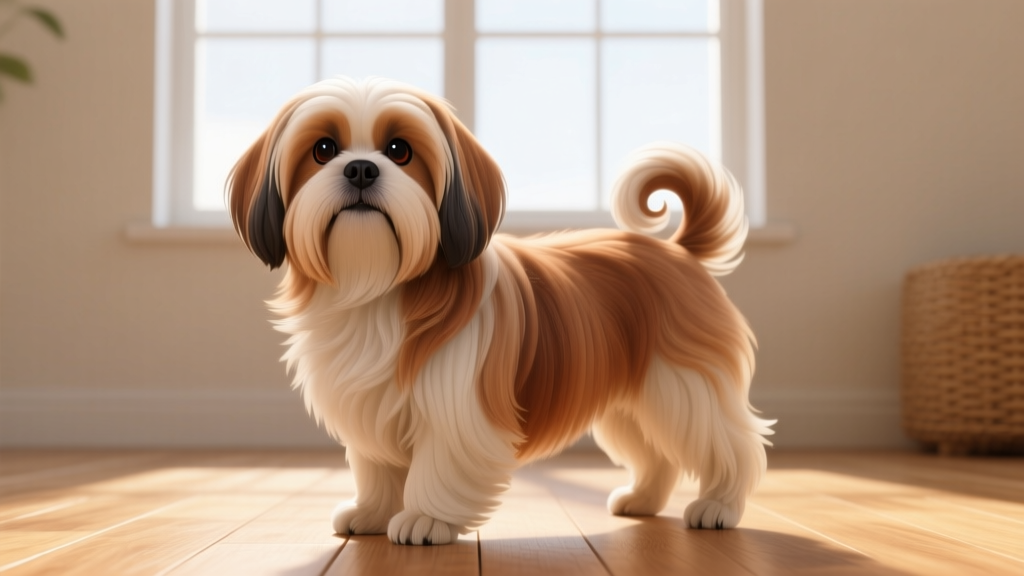
The Shih Tzu (pronounced "sheed-zoo") is one of the most recognizable toy breeds in the United States, consistently ranking in the top 20 most popular AKC-registered breeds. Originally bred as royal companions in imperial China, these small, affectionate dogs have transitioned from palace lap warmers to modern apartment dwellers and family pets. But behind that luxurious coat and confident carriage lies a breed with specific care requirements that many first-time owners underestimate.
This guide covers everything you need to know before bringing a Shih Tzu into your home — from realistic exercise expectations and grooming commitments to the breed-specific health conditions that can impact both your dog's quality of life and your wallet.
Breed Overview: Origin, Size Class, and Lifespan
The Shih Tzu originated in Tibet and was further developed in China, where it served as a companion dog for Chinese nobility as early as the 7th century. The breed's name translates to "lion dog" in Mandarin, referencing its association with Buddhist mythology and the lion-like appearance of its mane. Modern Shih Tzus trace their lineage primarily to dogs exported from China to England and Scandinavia in the 1930s, with the AKC recognizing the breed in 1969.
Today's Shih Tzu is classified as a toy breed, designed purely for companionship rather than working tasks. This history matters: these dogs were never bred for endurance, hunting, or herding. They were bred to sit on laps and alert their owners to visitors — traits that still define their personality today.
| Attribute | Details |
|---|---|
| Size Class | Toy |
| Weight Range | 9–16 lb (4–7.3 kg) |
| Height Range | 8–11 inches (20–28 cm) at the shoulder |
| Lifespan | 10–18 years (average 13–14 years) |
| Coat Type | Double coat, long, flowing; hair-like texture rather than fur |
| Energy Level | Low to moderate |
| Grooming Needs | High — daily brushing or professional grooming every 4–6 weeks |
| Family Fit | Excellent for apartments, seniors, families with older children |
| AKC Group | Toy Group |
Temperament & Personality: What Living With a Shih Tzu Actually Feels Like
Shih Tzus are often described as "arrogant" or "regal" — but owners quickly learn these labels mask a more nuanced personality. Here are the core traits you can expect:
1. Affectionate lap-seekers: Shih Tzus bond intensely with their primary person and will follow you from room to room. They're not independent dogs who entertain themselves — they want physical proximity. Expect your Shih Tzu to claim your lap within seconds of you sitting down.
2. Alert but not aggressive: These dogs will bark at the doorbell, delivery drivers, and unfamiliar sounds. However, they lack the protective instinct of a terrier or guardian breed. A Shih Tzu is far more likely to greet an intruder with curiosity than confrontation.
3. Stubbornly charming: Shih Tzus have a mind of their own. They'll learn commands readily but may choose not to obey if they don't see the point. This isn't stupidity — it's a companion breed that was never selected for working obedience. Training requires patience and high-value treats.
4. Socially adaptable: Well-socialized Shih Tzus generally get along with other dogs, cats, and strangers. They're less prone to the resource guarding or territorial aggression seen in some toy breeds like Chihuahuas. That said, early socialization (before 16 weeks) is critical to prevent fear-based reactivity.
5. Low prey drive: Unlike many small breeds descended from ratting lines, Shih Tzus show minimal interest in chasing squirrels, rabbits, or small animals. This makes them surprisingly compatible with household cats and even pet birds (with supervision).
Pros of Shih Tzu Ownership
- Minimal exercise requirements — ideal for apartment living
- Low shedding — often tolerated by mild allergy sufferers
- Gentle disposition suitable for families with calm children
- Portable size for travel and airline cabin flights
- Long lifespan — many live 14+ years with proper care
Cons of Shih Tzu Ownership
- High grooming costs — $40–$80 per professional session
- Brachycephalic airway issues common in the breed
- Difficult to house-train — can take 4–8 months
- Prone to separation anxiety if left alone 8+ hours
- Eye injuries due to prominent, exposed eyes
Physical Characteristics: Size, Coat, and Breed Standard Details
The AKC breed standard specifies that Shih Tzus should weigh 9–16 lb (4–7.3 kg) and stand 8–11 inches (20–28 cm) tall. Unlike some breeds with separate "miniature" varieties, there is no officially recognized smaller Shih Tzu — so-called "teacup" Shih Tzus are simply undersized dogs, often the result of breeding runts, and carry elevated health risks.
The coat is a defining feature: a long, flowing double coat with a texture more like human hair than typical dog fur. This means Shih Tzus shed minimally but require significant maintenance to prevent matting. The hair grows continuously and must be trimmed or maintained at length.
Color variations include gold, white, black, liver, brindle, and combinations thereof. The AKC accepts all colors and markings equally. The breed's brachycephalic (short-faced) structure means a pronounced stop, large round eyes, and a slightly undershot bite — features that contribute to both their distinctive look and their health vulnerabilities.
Exercise & Activity Needs: Realistic Daily Requirements
Shih Tzus are not athletic dogs, and their exercise needs reflect their companion-breed origins. Here's what a typical day looks like:
| Activity Type | Duration | Frequency | Notes |
|---|---|---|---|
| Leash walk | 15–20 minutes | 2x daily | Short strides; avoid hot pavement |
| Indoor play | 10–15 minutes | 1–2x daily | Fetch, tug, puzzle toys |
| Mental stimulation | 5–10 minutes | Daily | Snuffle mats, training sessions |
| Off-leash yard time | 10–20 minutes | As available | Supervised only; poor recall |
Total daily exercise target: 30–45 minutes, split across multiple short sessions. This breed overheats rapidly due to brachycephalic airway anatomy. Avoid walks when temperatures exceed 80°F (27°C), and always carry water. Signs of heat distress include excessive panting, blue-tinged gums, and collapse — these are emergencies requiring immediate veterinary attention.
Many owners overestimate how much exercise a Shih Tzu needs, then feel guilty for not providing more. Thirty minutes of combined activity is sufficient for maintaining healthy weight and joint function in this breed. If your Shih Tzu seems restless, the issue is more likely boredom (solved with puzzle toys) than under-exercising.
Common Health Issues: Breed-Specific Conditions and Prevalence
Shih Tzus carry genetic predispositions to several conditions that prospective owners should budget for. Always consult your veterinarian for diagnosis and treatment — the information below prepares you for conversations with your vet, not replaces them.
| Condition | Description | Estimated Prevalence | Typical Treatment Cost |
|---|---|---|---|
| Brachycephalic Obstructive Airway Syndrome (BOAS) | Narrowed nostrils, elongated soft palate causing breathing difficulty | 30–50% of brachycephalic breeds | $1,500–$4,000 for corrective surgery |
| Keratoconjunctivitis Sicca (Dry Eye) | Insufficient tear production leading to corneal damage | ~15% of Shih Tzus | $20–$60/month for lifelong eye drops |
| Patellar Luxation | Kneecap slipping out of position, common in toy breeds | ~10% of Shih Tzus | $1,000–$3,000 per knee for surgical repair |
| Intervertebral Disc Disease (IVDD) | Disc herniation causing back pain, nerve damage, or paralysis | ~5–8% of Shih Tzus | $3,000–$8,000 for surgery + rehab |
| Portosystemic Shunt (Liver Shunt) | Abnormal blood vessel bypassing liver, causing toxin buildup | Higher prevalence than general population | $2,000–$6,000 for surgical correction |
Eye injuries are also a frequent emergency in this breed. Their large, prominent eyes are vulnerable to scratches from grass, cat claws, or even their own facial hair. Corneal ulcer treatment ranges from $150–$500 for medication to $1,500–$3,000 for surgical repair. Keeping facial hair trimmed short around the eyes reduces risk significantly.
Dental disease affects most Shih Tzus by age 3–4 due to tooth crowding in their small jaws. Professional dental cleanings under anesthesia ($300–$800) are typically needed annually, and tooth extractions are common. Daily tooth brushing with enzymatic dog toothpaste is the most effective prevention.
When to Call Your Vet Immediately
- Labored breathing, blue or gray gums, collapse after exercise
- Sudden blindness, squinting, or pawing at one eye
- Hind leg weakness, dragging, or inability to stand
- Seizures or disorientation (possible liver shunt symptom)
- Repeated vomiting or refusal to eat for 24+ hours
Grooming Requirements: Tools, Frequency, and Real Costs
Shih Tzu grooming is the single largest ongoing expense and time commitment of ownership. You have two realistic options:
Option A: Full coat maintenance (show-style)
- Daily brushing with a slicker brush and metal comb (15–20 minutes)
- Weekly bathing with conditioner to prevent tangles
- Topknot or hair wrapping to protect coat from breakage
- Professional grooming every 4–6 weeks ($60–$80 per session)
Option B: Puppy cut (practical for most owners)
- Coat trimmed to 1–2 inches all over
- Brushing 2–3 times per week with a slicker brush (5–10 minutes)
- Professional grooming every 4–6 weeks ($40–$60 per session)
- Face trimmed short to keep hair out of eyes
Essential grooming tools: Chris Christensen or Safari slicker brush ($15–$30), stainless steel greyhound comb ($8–$15), dog-safe detangling spray ($10–$18), and blunt-nosed scissors for face trimming ($12–$20).
Beyond coat care, plan for nail trims every 2–3 weeks (or $10–$15 at the groomer), ear cleaning weekly with a veterinarian-recommended ear wash to prevent infections in their drop ears, and daily face wiping to remove tear staining and food debris from facial folds.
Training & Intelligence: Methods That Actually Work
Shih Tzus rank in the lower tier of Stanley Coren's working/obedience intelligence rankings, but this measures trainability for tasks, not overall intelligence. These dogs are clever problem-solvers who simply lack the biddable drive of a Border Collie or Golden Retriever.
Trainability rating: 5/10 — capable of learning basic obedience and tricks, but requires patience, consistency, and high motivation.
Recommended training approach: Positive reinforcement only. Use high-value treats (small pieces of boiled chicken, cheese, or commercial training treats like Zuke's Mini Naturals). Keep sessions to 5–10 minutes — Shih Tzus lose focus quickly. Force-free, LIMA (Least Intrusive, Minimally Aversive) methods produce the best results. Never use shock collars, prong collars, or alpha rolls; these methods damage the trust-based bond this breed requires and can trigger fear-based aggression.
House-training challenge: Shih Tzus are notoriously difficult to house-train, often taking 4–8 months compared to 2–4 months for many other breeds. Their small bladders, combined with a stubborn streak, mean accidents are frequent. Strategies that work:
- Crate training with a properly sized crate (just enough room to stand, turn, and lie down)
- Outdoor trips every 1–2 hours during initial training, including overnight alarms
- Consistent verbal cue ("go potty") paired with immediate treat reward
- Enzymatic cleaner (Nature's Miracle or Rocco & Roxie) for accident cleanup — never ammonia-based cleaners
Many Shih Tzu owners find indoor potty solutions (Puppy Pads or a dog litter box like the DoggieLawn real grass pad, $30–$50/month) to be a practical long-term solution, especially for apartment dwellers or during extreme weather.
Family Suitability: Kids, Other Pets, and Living Environments
With children: Shih Tzus are gentle and tolerant, making them suitable for families with children ages 6 and up who understand how to handle small dogs gently. Toddlers and very young children pose a genuine risk — a Shih Tzu dropped from a child's arms or stepped on can suffer serious injury due to their small frame. Supervised interactions are non-negotiable with young children.
With other dogs: Generally excellent. Shih Tzus tend to be social and non-confrontational with other dogs, though early socialization prevents fear-based reactivity. They do well in multi-dog households and typically defer to larger dogs rather than challenging them.
With cats: Usually compatible. Their low prey drive means most Shih Tzus coexist peacefully with household cats, especially when introduced gradually.
Apartment living: This is one of the best breeds for apartments. They're small, relatively quiet (they'll alert-bark but aren't chronic barkers), and their exercise needs are easily met with short walks and indoor play. The main apartment challenge is house-training — without a yard, you'll need a consistent routine of outdoor trips or an indoor potty solution.
For seniors: Shih Tzus are excellent companions for older adults. Their low exercise demands, affectionate nature, and manageable size make them ideal for retirees. The grooming commitment is the main consideration — seniors who cannot manage daily brushing should opt for a puppy cut and regular professional grooming.
Cost of Ownership: Purchase Price and Annual Expenses
Budgeting realistically for a Shih Tzu prevents surprises. Here's what to expect in 2026:
Puppy purchase price:
- AKC-registered from a responsible breeder: $1,200–$3,500
- Pet store or backyard breeder (not recommended): $500–$1,500
- Rescue/adoption: $200–$500 (typically includes spay/neuter and initial vaccines)
Responsible breeders perform health testing on parent dogs (OFA patella evaluations, eye clearances from a veterinary ophthalmologist, and sometimes cardiac screening). Ask for documentation before purchasing. The ASPCA and local breed rescues like the American Shih Tzu Club rescue network are excellent adoption resources.
Annual care cost breakdown:
| Expense Category | Estimated Annual Cost |
|---|---|
| Professional grooming (8–10 sessions/year) | $400–$800 |
| High-quality food (AAFCO-complete, small-breed formula) | $250–$450 |
| Routine veterinary care (exams, vaccines, dental cleaning) | $500–$1,200 |
| Heartworm/flea/tick prevention | $150–$300 |
| Pet insurance (optional but recommended) | $300–$600 |
| Supplies (toys, grooming tools, bedding) | $100–$250 |
| Total estimated annual cost | $1,700–$3,600 |
Emergency veterinary care for breed-specific conditions (IVDD surgery, BOAS correction, eye injury treatment) can add $2,000–$8,000 in a single year. Pet insurance through providers like Trupanion, Healthy Paws, or Lemonade can offset these costs, with typical premiums of $25–$50/month for this breed.
Frequently Asked Questions
Is the Shih Tzu a good breed for first-time dog owners?
Yes, with caveats. Shih Tzus are forgiving of beginner mistakes in training and have low exercise demands that fit most lifestyles. However, the grooming commitment and house-training difficulty can frustrate first-time owners who aren't prepared. If you're willing to invest in professional grooming and have patience for a 4–8 month house-training process, a Shih Tzu is a solid first-dog choice.
How much exercise does a Shih Tzu need daily?
Approximately 30–45 minutes of combined activity per day, split into two 15–20 minute leash walks plus 10–15 minutes of indoor play or mental stimulation. This breed overheats easily, so exercise should be avoided during peak heat and always include access to water and shade.
What health problems is the Shih Tzu breed prone to?
The most common breed-specific conditions include Brachycephalic Obstructive Airway Syndrome (BOAS), dry eye (keratoconjunctivitis sicca), patellar luxation, intervertebral disc disease (IVDD), and liver shunts. Eye injuries are also frequent due to their prominent eyes. Regular veterinary check-ups and choosing a breeder who health-tests parent dogs reduce risk.
How big does an adult Shih Tzu get?
Adult Shih Tzus typically weigh 9–16 lb (4–7.3 kg) and stand 8–11 inches (20–28 cm) tall at the shoulder. There is no officially recognized "miniature" or "teacup" variety — dogs marketed as such are often undersized and carry higher health risks.
Is the Shih Tzu good with children and other pets?
Shih Tzus are gentle and social, making them good with children ages 6+ who handle dogs gently. They are generally excellent with other dogs and usually compatible with cats due to their low prey drive. Very young children should always be supervised, as the dog's small size makes it vulnerable to accidental injury.
How much does a Shih Tzu cost to buy and maintain?
Expect to pay $1,200–$3,500 for a puppy from a responsible AKC-registered breeder, or $200–$500 through breed rescue adoption. Annual maintenance costs range from $1,700–$3,600, with grooming being the largest ongoing expense. Emergency veterinary care for breed-specific conditions can add $2,000–$8,000 in a given year.
Do Shih Tzus shed a lot?
No — Shih Tzus have hair rather than fur and shed minimally. However, their long coat requires daily brushing or regular professional grooming to prevent matting. No dog is truly hypoallergenic, but Shih Tzus are often better tolerated by people with mild dog allergies.
How long do Shih Tzus typically live?
Shih Tzus have a lifespan of 10–18 years, with most living 13–14 years. This is one of the longer-lived toy breeds. Maintaining healthy weight, keeping up with dental care, and managing breed-specific conditions proactively all contribute to reaching the upper end of this range.
Disclaimer: This article provides educational information and should not replace professional veterinary advice. Always consult your veterinarian for health concerns, diagnosis, and treatment decisions specific to your dog. For more breed information, visit the American Kennel Club's Shih Tzu page or the Merck Veterinary Manual.
Robin Maitland
All our authors care for dogs every day — read more of their work on the authors page.


