Shiba Inu Cross Poodle: Complete Shiba-Poo Breed Profile & Care Guide
Everything about the Shiba Inu cross Poodle (Shiba-Poo): size, coat types, temperament variability, health risks, grooming needs, & 2026 pricing from...
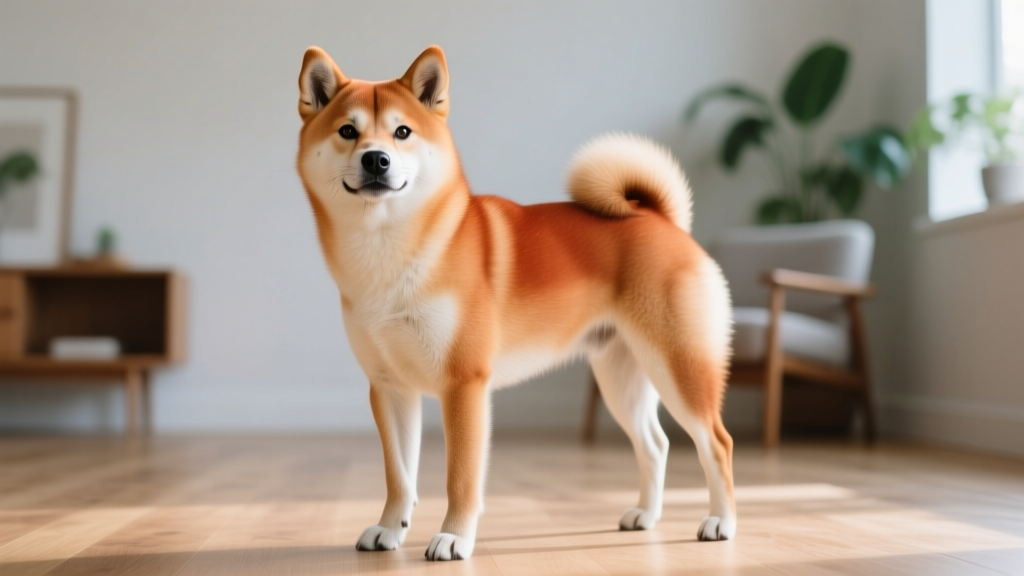
The Shiba Inu cross Poodle — most commonly called the Shiba-Poo or Poo-Shi — is a deliberately bred designer mix that pairs the bold independence of Japan's most iconic spitz breed with the intelligence and low-shedding coat of the Poodle. This is not a mainstream designer breed like the Goldendoodle or Labradoodle. You won't find Shiba-Poo lines with decades of multigenerational breeding behind them, and that matters enormously when you're trying to predict what your puppy will look like, act like, and require in terms of care.
If you're researching this mix, you've likely encountered conflicting information: some sources describe a calm, hypoallergenic companion; others warn about stubbornness and heavy shedding. The truth is that both descriptions can be accurate — because designer crosses without established multigenerational lines produce highly variable offspring. This guide breaks down exactly what you can and cannot predict about a Shiba Inu cross Poodle, so you can decide whether this mix fits your household.
Parent Breed Breakdown: Shiba Inu and Poodle
Understanding a Shiba-Poo requires understanding both parent breeds in detail. These two dogs are, in many ways, polar opposites — which is precisely why their offspring can land anywhere on a wide behavioral and physical spectrum.
| Trait | Shiba Inu | Poodle (Miniature) | Poodle (Standard) |
|---|---|---|---|
| AKC Weight Range | 17–23 lb / 7.7–10.4 kg | 10–15 lb / 4.5–6.8 kg | 40–70 lb / 18–32 kg |
| Height at Shoulder | 13.5–16.5 in / 34–42 cm | 10–15 in / 25–38 cm | Over 15 in / 38+ cm |
| Coat Type | Double coat, stiff guard hairs, soft undercoat | Single coat, curly/hair-like, continuous growth | Single coat, curly/hair-like, continuous growth |
| Shedding Level | Heavy seasonal blowout + moderate year-round | Minimal shedding (hair, not fur) | Minimal shedding (hair, not fur) |
| Temperament | Independent, aloof with strangers, bold, cat-like | Highly social, eager to please, sensitive, trainable | Highly social, eager to please, athletic, trainable |
| Trainability | Moderate — responds to motivation, not obedience-driven | High — consistently ranked among most trainable breeds | High — excels in obedience, agility, and service work |
| Prey Drive | High — bred to hunt small game in mountainous terrain | Moderate — originally bred as water retrievers | Moderate — originally bred as water retrievers |
| Lifespan | 13–16 years | 12–15 years | 10–13 years |
The Shiba Inu is Japan's smallest native spitz breed, originally used for hunting birds and small game in dense mountain underbrush. They are famously independent — often described as "cat-like" — and they bond intensely with their family while remaining reserved or indifferent toward strangers. The Poodle, despite its show-ring reputation, is a working retriever with exceptional problem-solving ability and a strong desire to collaborate with humans. When you cross these two, you're blending a dog that wants to work with you and a dog that prefers to work alone.
Generation Types: F1, F1B, F2, and What They Mean for Shiba-Poos
- F1 (First Generation): One purebred Shiba Inu × one purebred Poodle. Maximum genetic diversity, but highest trait variability. Puppies in the same litter can look and behave very differently.
- F1B (First Generation Backcross): An F1 Shiba-Poo bred back to one parent breed (usually the Poodle, to reinforce low-shedding coat traits). Roughly 75% one breed, 25% the other.
- F2 (Second Generation): Two F1 Shiba-Poos bred together. Trait predictability improves slightly, but genetic recombination can still produce wide variation.
- F2B / Multigen: Subsequent generations bred selectively for specific traits. True multigenerational Shiba-Poo lines are extremely rare as of 2026 — most available puppies are F1 or F1B.
Here's the critical context most breeders won't volunteer: the Shiba-Poo does not have an established multigenerational breeding population. Unlike Goldendoodles, where you can find F3 and multigen lines with reasonably predictable coats and temperaments, the Shiba-Poo is still almost entirely an F1 cross. This means you are essentially getting a genetic lottery ticket. One F1 puppy might inherit the Poodle's curly, low-shedding coat and sociable temperament; its littermate might inherit the Shiba's double coat, heavy shedding, and stranger wariness.
If a breeder claims to sell "multigen Shiba-Poos" with predictable traits, ask for documentation of at least three generations of Shiba-Poo × Shiba-Poo breedings. In most cases, they cannot produce this — and that's a red flag for a breeder who is simply crossing Shibas and Poodles and marketing the puppies as something more established than they are.
Size Range: How Big Will a Shiba Inu Cross Poodle Get?
Size prediction depends entirely on which Poodle variety was used in the cross. Most Shiba-Poos are bred from Miniature or Moyen (medium) Poodles, because the Shiba Inu is a small-to-medium breed. Standard Poodle crosses are less common but do exist.
| Poodle Parent | Expected Adult Weight | Expected Adult Height | Probability Range |
|---|---|---|---|
| Miniature Poodle (10–15 lb) | 14–22 lb / 6.4–10 kg | 12–16 in / 30–41 cm | Most common pairing |
| Moyen/Medium Poodle (20–35 lb) | 20–30 lb / 9–13.6 kg | 14–18 in / 36–46 cm | Less common, growing in popularity |
| Standard Poodle (40–70 lb) | 28–45 lb / 12.7–20.4 kg | 16–22 in / 41–56 cm | Rare pairing, size mismatch concerns |
For F1 puppies, expect the adult weight to fall somewhere between the two parents' weights, with a variance of roughly ±15%. An F1B backcrossed to a Miniature Poodle will trend smaller; one backcrossed to a Shiba Inu will trend toward the Shiba's 17–23 lb range. There is no reliable way to predict exact adult size from a puppy's paw size or early growth curve in a first-generation cross.
Coat Types and the Hypoallergenic Question
This is where Shiba-Poo variability becomes most visible — and where misleading breeder claims cause the most owner disappointment.
Three Possible Coat Inheritance Patterns
Poodle-dominant coat: Curly or wavy, single-layered, hair-like texture that grows continuously. Minimal shedding. Requires professional grooming every 6–8 weeks. This is the coat type breeders aim for when marketing "hypoallergenic" Shiba-Poos, but it is not guaranteed in F1 litters.
Shiba-dominant coat: Double coat with a stiff, straight outer layer and dense, soft undercoat. Sheds moderately year-round with intense seasonal "coat blow" periods (typically spring and fall) lasting 2–4 weeks. Self-cleaning to a degree, but requires frequent brushing during blowout seasons.
Intermediate/mixed coat: A wiry or wavy coat that doesn't fully match either parent. May shed less than a Shiba but more than a Poodle. Often the most unpredictable to maintain — it can mat easily if it inherits the Poodle's curl tendency without the Poodle's single-layer structure.
No dog is truly hypoallergenic. The Poodle's low-shedding coat produces less airborne dander, which reduces — but does not eliminate — allergic reactions. In an F1 Shiba-Poo, there is roughly a 50% chance a puppy will inherit a low-shedding coat. If you have dog allergies, spend time with the specific puppy before committing, and understand that even a Poodle-dominant coat will still produce some allergenic proteins (primarily Can f 1, found in saliva and skin cells, not just fur). An F1B Shiba-Poo backcrossed to a Poodle has a higher probability (approximately 75%) of a low-shedding coat.
Grooming Requirements by Coat Type
| Coat Type | Brushing Frequency | Professional Grooming | Estimated Annual Grooming Cost |
|---|---|---|---|
| Poodle-dominant (curly) | Every 1–2 days | Every 6–8 weeks ($60–$90/session) | $480–$720/year |
| Shiba-dominant (double coat) | 2–3 times/week; daily during blowout | Rarely needed; deshedding treatments optional ($40–$60) | $80–$200/year |
| Intermediate (wavy/wiry) | Every 2–3 days | Every 8–10 weeks ($55–$80/session) | $330–$500/year |
For curly-coated Shiba-Poos, invest in a quality slicker brush (the Chris Christensen Big G series is a professional-grade option, around $65–$85) and learn to line-brush — brushing in small sections from the skin outward — to prevent painful matting near the skin. For double-coated individuals, an undercoat rake and a high-velocity dryer (like the MetroVac Air Force Commander, approximately $130–$160) will make seasonal blowout manageable.
Temperament: Best-Case and Challenging Scenarios
Temperament is the most consequential variable in a Shiba Inu cross Poodle, because both parent breeds have strong, distinct behavioral profiles — and they don't always blend smoothly.
Best-Case Temperament Profile
A well-socialized Shiba-Poo that inherits the Poodle's sociability and the Shiba's confidence can be an alert, engaging companion: playful without being hyperactive, affectionate with family without being clingy, and intelligent enough to learn quickly with positive reinforcement training. These dogs tend to do well in apartments or small homes, provided they receive 45–60 minutes of daily physical and mental exercise.
Challenging Temperament Scenarios
Shiba-dominant temperament: The dog may be aloof, resistant to recall, reactive to other dogs (particularly same-sex dogs — a known Shiba trait), and prone to the infamous "Shiba scream" when frustrated or overstimulated. These dogs are not reliable off-leash and may be challenging for first-time owners.
Poodle-dominant temperament with Shiba wariness: The dog may crave human interaction (Poodle trait) but remain suspicious of strangers (Shiba trait), creating a dog that is needy with family but stressed in public settings. This combination requires deliberate, ongoing socialization.
High prey drive from both parents: Shibas were bred to chase small game; Poodles were bred to retrieve waterfowl. A Shiba-Poo with strong prey drive from both sides may not be safe around cats, rabbits, or small dogs without careful introduction and management.
Force-free, reward-based training is essential for this mix. The Shiba Inu's sensitivity to coercion means that aversive tools (shock collars, prong collars, alpha rolls) will damage trust and can trigger fear-based aggression. Use high-value treats (freeze-dried liver, boiled chicken), keep sessions short (5–10 minutes), and work on recall from puppyhood — this mix often has unreliable recall well into adulthood. Consider enrolling in a force-free puppy class by 12 weeks of age.
Health Considerations: Hybrid Vigor Myth vs. Reality
Let's address this directly: hybrid vigor does not eliminate health risks in designer crosses. The concept of heterosis — where crossbred animals show improved biological function — is real but limited. It primarily reduces the risk of recessive genetic diseases that are common in one parent breed but not the other. It does not protect against conditions that both parent breeds share, and it does not guarantee better health than a well-bred purebred from health-tested parents.
Inherited Conditions From the Shiba Inu Line
- Patellar luxation: Kneecap dislocation, common in small breeds. Grade I–II may be managed conservatively; Grade III–IV often requires surgical correction ($1,500–$3,000 per knee).
- Allergies (atopic dermatitis): Shibas are predisposed to environmental and food allergies, causing chronic itching, ear infections, and hot spots. Estimated prevalence in Shibas: 15–25%.
- Hip dysplasia: Less common in Shibas than in larger breeds, but present. OFA screening of parent dogs is important.
- Eye conditions: Cataracts, progressive retinal atrophy (PRA), and entropion have been documented in Shiba lines.
Inherited Conditions From the Poodle Line
- Addison's disease (hypoadrenocorticism): An autoimmune condition affecting the adrenal glands. More prevalent in Poodles than the general dog population. Requires lifelong hormone replacement therapy ($50–$100/month in medication).
- Sebaceous adenitis: An inflammatory skin condition that destroys sebaceous glands, leading to hair loss and scaly skin. Poodles are among the most predisposed breeds.
- Epilepsy (idiopathic): Poodles have a higher-than-average incidence of idiopathic epilepsy — seizures with no identifiable underlying cause. Management typically involves phenobarbital or levetiracetam.
- Dental disease: Both Miniature Poodles and Shibas are prone to early periodontal disease. Daily tooth brushing and professional cleanings ($300–$700 per procedure under anesthesia) should be budgeted.
| Screening Test | Relevant Parent Breed | Testing Organization | Typical Cost |
|---|---|---|---|
| Hip evaluation (OFA/PennHIP) | Both | Orthopedic Foundation for Animals | $200–$400 |
| Patellar evaluation | Both | OFA | $50–$100 |
| Ophthalmologist evaluation | Both | OFA/CERF | $100–$200 |
| Addison's disease marker | Poodle | University research labs | $150–$250 |
| DNA panel (PRA, DM, vWD) | Both | Embark, Wisdom Panel | $150–$200 |
When evaluating a Shiba-Poo breeder, ask for OFA or equivalent health clearances for both parent dogs — not just one. A reputable breeder will provide documentation, not just verbal assurances. If a breeder cannot produce health test results, walk away. The health screening investment ($500–$1,000 per parent dog) is a strong indicator of breeding ethics.
Always consult your veterinarian to develop a breed-appropriate health monitoring plan for your individual dog, including vaccination schedules, parasite prevention, and early screening for inherited conditions.
Cost Breakdown: What Does a Shiba-Poo Actually Cost in 2026?
Shiba-Poos occupy an unusual pricing niche. They are not common enough to have the competitive pricing of mainstream designer breeds, but they also lack the established breeding programs that justify premium prices for well-bred multigen doodles.
| Source | Price Range | What's Typically Included |
|---|---|---|
| Responsible breeder (health-tested parents, OFA clearances) | $1,200–$2,800 | First vaccines, deworming, microchip, health guarantee, take-back clause |
| Casual/backyard breeder | $500–$1,200 | Often minimal veterinary care, no health testing, no guarantee |
| Breed-specific rescue (Shiba or Poodle rescue) | $200–$500 | Spay/neuter, vaccines, basic vet work; Shiba-Poos appear rarely |
| General shelter/rescue | $50–$350 | Variable; mixed-breed dogs labeled as Shiba-Poos may be misidentified |
Beyond the purchase price, budget for first-year costs of approximately $2,500–$4,500, including spay/neuter ($300–$800), initial veterinary exams and vaccine series ($200–$500), grooming setup or professional grooming ($200–$720 depending on coat type), crate, harness, toys, and a high-quality AAFCO-compliant diet ($30–$60/month for a small-to-medium dog).
For breeder availability: Shiba-Poo breeders are sparse in the US. You may need to join a breeder's waitlist (typical wait: 3–8 months) or be flexible about traveling. Shiba Inu rescue organizations (such as Shiba Inu Rescue Association of America) occasionally take in Shiba mixes that include Poodle heritage, though these are not deliberately bred designer dogs.
Who Should (and Shouldn't) Get a Shiba Inu Cross Poodle?
- Experienced dog owners who have managed independent or strong-willed breeds before
- Apartment or condo dwellers looking for a small-to-medium companion
- Active individuals who can commit to 45–60 minutes of daily exercise plus mental enrichment
- Households without very young children (Shibas tend to be intolerant of rough handling)
- People with mild dog allergies who understand the coat gamble in F1 crosses
- First-time dog owners expecting an easy, biddable companion
- Families wanting a reliably off-leash dog for hiking or beach trips
- Households with cats or small pets (unless the puppy is raised with them from a young age)
- Anyone who needs a predictable, low-shedding coat and isn't prepared for the F1 coat lottery
- Owners who cannot commit to ongoing socialization and positive reinforcement training
This mix rewards patience and experience. If you've successfully raised a Shiba, an Akita, or another independent spitz breed, the Shiba-Poo's quirks will feel familiar. If you're coming from a Golden Retriever or Labrador background, the Shiba-Poo's emotional reserve and selective obedience may feel frustrating.
Frequently Asked Questions
What two breeds make up the Shiba-Poo?
The Shiba-Poo is a cross between a Shiba Inu (a Japanese spitz breed) and a Poodle (most commonly a Miniature Poodle, though Moyen and Standard Poodles are sometimes used). It is a first-generation designer cross in most cases, meaning one parent is a purebred Shiba and the other is a purebred Poodle.
How big will a Shiba Inu cross Poodle get?
Most Shiba-Poos weigh between 14–30 lb (6.4–13.6 kg) and stand 12–18 inches (30–46 cm) at the shoulder, depending on which Poodle variety was used. Miniature Poodle crosses trend smaller (14–22 lb), while Moyen Poodle crosses trend larger (20–30 lb). Standard Poodle crosses are rare and can reach 28–45 lb.
What will the temperament be like?
Temperament is the most variable trait in an F1 Shiba-Poo. Best case: a playful, intelligent, moderately affectionate companion that is alert without being anxious. Challenging case: an independent, aloof dog with high prey drive, unreliable recall, and wariness toward strangers. Early socialization (exposure to diverse people, environments, and sounds before 16 weeks of age) significantly influences outcomes regardless of genetic predisposition.
Is the Shiba-Poo hypoallergenic or low-shedding?
No dog is truly hypoallergenic. An F1 Shiba-Poo has roughly a 50% chance of inheriting a low-shedding Poodle-type coat. An F1B backcrossed to a Poodle increases that probability to approximately 75%. However, allergenic proteins are found in saliva and dander, not just shed fur — so even a low-shedding Shiba-Poo may trigger reactions in allergy-sensitive individuals. Spend time with the specific puppy before committing.
What health issues might a Shiba-Poo inherit?
From the Shiba side: patellar luxation, atopic dermatitis (allergies), hip dysplasia, and eye conditions including cataracts. From the Poodle side: Addison's disease, sebaceous adenitis, idiopathic epilepsy, and dental disease. Hybrid vigor may reduce the risk of recessive conditions unique to one parent breed, but it does not protect against shared conditions or guarantee overall health. Health-tested parent dogs are the single most important factor in reducing inherited disease risk.
How much does a Shiba Inu cross Poodle cost?
From a responsible breeder with health-tested parents, expect to pay $1,200–$2,800 in 2026. Casual breeders may charge $500–$1,200 but typically do not perform health screenings. Rescue adoption fees range from $50–$500, though deliberately bred Shiba-Poos rarely appear in rescue. Budget an additional $2,500–$4,500 for first-year care costs.
Can a Shiba-Poo be a good family dog with children?
With older, respectful children (generally age 8+), a well-socialized Shiba-Poo can be a good family companion. However, the Shiba Inu's low tolerance for rough handling, ear-pulling, or invaded personal space makes this mix a poor fit for toddlers or very young children. Always supervise interactions and teach children to read canine body language — stiffening, lip-licking, and whale eye are early stress signals.
Aaron Whyte
All our authors care for dogs every day — read more of their work on the authors page.


