Shiba Inu and Corgi: Complete Breed Comparison Guide for Owners
Compare the Shiba Inu and Corgi side by side — temperament, size, health risks, exercise needs, grooming, and cost to find your ideal breed match.
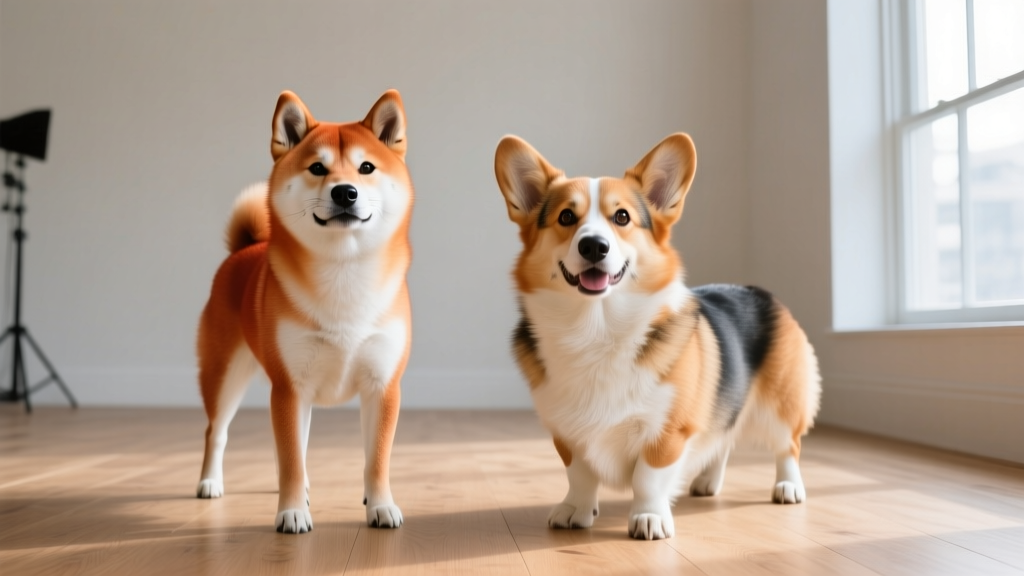
If you've spent any time scrolling dog content online, you've likely fallen down the rabbit hole of both the Shiba Inu and Corgi. These two breeds dominate social media for good reason — they're compact, expressive, and packed with personality. But behind the meme-worthy faces lie two very different dogs with distinct care requirements, temperaments, and health profiles.
This head-to-head comparison breaks down everything prospective owners need to know before choosing between a Shiba Inu and a Corgi (specifically the Pembroke Welsh Corgi, the more common of the two Corgi breeds). Whether you're debating which breed fits your apartment lifestyle or wondering which one tolerates children better, this guide gives you the data to decide.
At a Glance: Shiba Inu vs. Corgi Breed Information
| Trait | Shiba Inu | Pembroke Welsh Corgi |
|---|---|---|
| Size Class | Small | Small-to-Medium |
| Weight (lb / kg) | 17–23 lb / 7.7–10.4 kg | 25–30 lb / 11.3–13.6 kg (males); 24–28 lb / 10.9–12.7 kg (females) |
| Height (in / cm) | 13.5–16.5 in / 34–42 cm | 10–12 in / 25–30 cm |
| Lifespan | 13–16 years | 12–13 years |
| Coat Type | Double coat, stiff outer guard hairs with soft dense undercoat | Double coat, medium-length, water-resistant outer coat with thick undercoat |
| AKC Group | Non-Sporting | Herding |
| Origin | Japan — ancient spitz-type hunting dog, refined in mountainous regions for centuries; formal breed standard established 1934 | Wales, UK — developed as a cattle herding dog as early as the 10th century; recognized by the UK Kennel Club in 1934 |
| Energy Level | Moderate — bursts of high energy with independent rest periods | Moderate-to-High — sustained stamina from herding heritage |
| Trainability | 3/5 — intelligent but notoriously independent and low food-motivation in distracting environments | 4/5 — highly intelligent, eager to work, responds well to structured positive reinforcement |
Both breeds originated as working dogs but in vastly different contexts. The Shiba Inu hunted small game and birds in Japan's dense mountain underbrush — a solitary pursuit that bred independence and quick decision-making. The Pembroke Welsh Corgi herded cattle across Welsh farmland, nipping at heels and dodging kicks — a cooperative job that required attentiveness to human direction. This historical split explains much of what you'll see in their behavior today.
Temperament and Personality: What Living With Each Breed Actually Looks Like
Temperament is where the Shiba Inu and Corgi diverge most dramatically. Neither breed fits the generic "loyal family dog" mold — each has a distinct personality architecture that suits different owner lifestyles.
Shiba Inu Core Traits
- Fastidious and cat-like: Shibas groom themselves obsessively and often choose a favorite spot in the house where they return to rest. Many owners report their Shiba avoiding puddles on walks and stepping carefully around mud.
- Aloof with strangers: A Shiba typically observes visitors from a distance before deciding whether to approach. Don't expect a greeting at the door — this breed evaluates rather than welcomes.
- High prey drive: Squirrels, rabbits, and even small dogs can trigger a chase response. Off-leash reliability is extremely difficult to achieve with most Shibas, and the AKC breed standard notes their strong hunting instinct.
- Stubborn independence: A Shiba will obey a command if it sees a reason to. "Because I said so" doesn't register. This isn't stupidity — it's a breed wired to make its own decisions in the field.
- Dramatic vocalization: The famous "Shiba scream" is real. Vet visits, nail trims, and being restrained can trigger a vocalization that sounds alarming but is typically a protest rather than pain response.
Pembroke Welsh Corgi Core Traits
- Outgoing and people-oriented: Corgis generally greet strangers with enthusiasm, wagging their short tails (or tail nubs) and seeking attention. They bond closely with their family and follow owners room-to-room.
- Bossy herding instinct: Corgis will attempt to herd children, other pets, and sometimes guests — nipping at heels or body-blocking movement. This is manageable with training but never fully disappears.
- Alert and vocal: Corgis make excellent watchdogs. They bark at delivery drivers, passing dogs, and unusual sounds. In apartments, this can become a problem without consistent redirection training.
- Food-motivated and trainable: Unlike Shibas, most Corgis work eagerly for food rewards. This makes training sessions productive but also means counter-surfing and food-stealing are constant management challenges.
- Playful well into adulthood: Corgis retain puppy-like energy and enthusiasm for games like fetch and tug through most of their lives, typically mellowing only after age 8 or 9.
Exercise and Activity Needs: Daily Requirements Compared
Both breeds need structured daily exercise, but the type and intensity differ based on their working heritage.
| Requirement | Shiba Inu | Pembroke Welsh Corgi |
|---|---|---|
| Minimum Daily Exercise | 40–60 minutes | 45–75 minutes |
| Preferred Activities | Sniffari walks (long leash, letting them lead and sniff), agility courses, flirt pole sessions, hiking on-leash | Structured walks, herding trials, fetch, rally obedience, barn hunt, swimming (with a life vest due to short legs) |
| Mental Stimulation | Puzzle feeders, scent work, hide-and-seek with treats | Trick training sequences, interactive toys, obedience drills, herding ball |
| Off-Leash Suitability | Poor — high prey drive and low recall reliability in most individuals; use a long line (15–30 ft) in open areas | Moderate — better recall than Shibas but herding instinct can cause chasing; practice in fenced areas first |
| Apartment Viability | Good if exercised — Shibas are generally quiet indoors and sleep much of the day between walks | Moderate — barking tendency and higher energy require dedicated outlet; a yard is helpful but not essential |
A critical note for both breeds: their short-to-medium leg length and long backs (especially the Corgi) mean you should avoid repetitive high-impact jumping. For Corgis specifically, discourage jumping on and off furniture — use ramps or steps to protect their spine. According to the Merck Veterinary Manual, chondrodystrophic breeds like Corgis are predisposed to intervertebral disc disease, and managing impact stress is a key preventive strategy.
Common Health Issues: Breed-Specific Conditions and Prevalence
Both breeds are generally hardy, but each carries specific genetic risks. Responsible breeders screen for these conditions — always ask for Orthopedic Foundation for Animals (OFA) or PennHIP certifications before purchasing a puppy.
Shiba Inu Health Risks
| Condition | Description | Estimated Prevalence | Screening/Management |
|---|---|---|---|
| Allergic Dermatitis (Atopy) | Environmental or food allergies causing itchy skin, ear infections, paw licking | High — one of the most common Shiba presentations in veterinary dermatology | Elimination diets, allergy testing, Apoquel or Cytopoint as prescribed by your vet |
| Patellar Luxation | Kneecap dislocation, ranging from Grade I (occasional skip) to Grade IV (permanent dislocation) | Moderate — OFA reports approximately 5–8% of tested Shibas affected | OFA patella evaluation; surgical correction for Grade III–IV |
| Hip Dysplasia | Malformation of the hip joint leading to arthritis | Low-to-Moderate — approximately 5% of Shibas evaluated by OFA show dysplasia | PennHIP or OFA hip scoring of parent dogs; weight management |
| Eye Conditions (PRA, Cataracts) | Progressive retinal atrophy causes gradual blindness; juvenile cataracts can develop early | Low — but breeders should screen via CERF/OFA eye exams annually | Annual veterinary ophthalmologist exam for breeding stock |
Pembroke Welsh Corgi Health Risks
| Condition | Description | Estimated Prevalence | Screening/Management |
|---|---|---|---|
| Intervertebral Disc Disease (IVDD) | Herniation of spinal discs causing pain, weakness, or paralysis — Hansen Type I (acute) most common in chondrodystrophic breeds | High — studies estimate up to 20% of Corgis may experience clinical IVDD in their lifetime | Avoid jumping/stairs; maintain lean body condition; surgical decompression for severe cases — consult your veterinarian immediately if you notice sudden hind-limb weakness or dragging |
| Hip Dysplasia | Malformation of hip joint causing progressive arthritis | Moderate — OFA data shows approximately 15–18% of Corgis evaluated are dysplastic | PennHIP evaluation of breeding stock; joint supplements (glucosamine/chondroitin) as recommended by your vet |
| Degenerative Myelopathy (DM) | Progressive spinal cord disease causing hind-limb weakness and eventual paralysis — similar to ALS in humans | Moderate — approximately 35% of Corgis carry at least one copy of the SOD1 mutation (not all develop disease) | DNA test available; breeders should avoid mating two carriers |
| Obesity | Excess weight exacerbates IVDD, hip dysplasia, and cardiac strain | Very High — Corgis are among the most obesity-prone breeds due to food motivation and low-to-ground build | Body Condition Score (BCS) target of 4–5/9; measured feeding; limit treats to <10% of daily calories |
| Von Willebrand Disease (vWD) | Inherited bleeding disorder — impaired blood clotting | Low-to-Moderate — DNA test available for Type I vWD | Pre-surgical screening recommended; avoid unnecessary trauma |
Grooming Requirements: Managing the Double Coat
Both the Shiba Inu and Corgi are double-coated breeds that shed year-round with intense seasonal "coat blows" — typically in spring and fall — where they lose their entire undercoat over 2–4 weeks. During these periods, you'll pull out tufts of fur that could stuff a pillow.
| Task | Shiba Inu | Pembroke Welsh Corgi |
|---|---|---|
| Brushing (Regular Season) | 2–3 times per week with a slicker brush and undercoat rake | 2–3 times per week with a slicker brush and undercoat rake |
| Brushing (Shedding Season) | Daily — use a de-shedding tool like the Furminator or a high-velocity dryer to blow out loose undercoat | Daily — same tools; Corgi fur tends to mat behind ears and on the "pants" (hindquarter feathering) |
| Bathing | Every 6–8 weeks or as needed — Shibas are naturally clean and rarely develop dog odor | Every 4–6 weeks — Corgis get dirtier due to low clearance and outdoor enthusiasm |
| Nail Trimming | Every 2–3 weeks — many Shibas are extremely sensitive about paw handling; start desensitization early | Every 2–3 weeks — generally more tolerant of nail trims than Shibas |
| Ear Cleaning | Monthly — erect ears allow good airflow, reducing infection risk | Every 2 weeks — erect ears but more prone to debris from outdoor activity |
| Professional Grooming | Not required — Shibas should never be shaved or clippered as it damages the coat structure | Not required — same rule applies; never shave a double-coated breed |
One area where these breeds differ: Shibas have a notably cleaner coat with less oil production, meaning they rarely smell "doggy" between baths. Corgis, especially those who spend time outdoors, develop a more typical dog odor and may need more frequent bathing. For both breeds, use a canine-specific shampoo with a pH between 6.5 and 7.5 — human shampoos disrupt the acid mantle of canine skin and can trigger dermatitis flare-ups, which both breeds are prone to.
Training and Intelligence: Methods That Work for Each Breed
Both breeds are intelligent, but they apply that intelligence differently. The Corgi asks "What do you want me to do?" while the Shiba asks "What's in it for me, and is there a better option?"
Shiba Inu Training Approach
Shibas respond best to short, high-value training sessions (5–10 minutes maximum) using premium treats like freeze-dried liver or small pieces of cooked chicken. They bore quickly with repetition, so vary your exercises. Key principles:
- Never use force or intimidation. Shibas shut down or become defensive with aversive methods. Shock collars, prong collars, and alpha rolls will damage your relationship and can trigger aggression.
- Build recall from puppyhood using a long line and extremely high-value rewards. Accept that 100% off-leash reliability is unrealistic for most Shibas.
- Socialize extensively between 8–16 weeks. Shibas that aren't exposed to diverse people, dogs, surfaces, and sounds during this critical window tend toward fearfulness or reactivity. Enroll in a force-free puppy class.
- Use "Nothing in Life Is Free" (NILIF) protocol — ask for a sit before meals, doors, and walks. This gives structure without confrontation.
Corgi Training Approach
Corgis thrive on structured training and excel in dog sports. They're capable of learning complex behavior chains and enjoy the mental challenge. Key principles:
- Channel the herding instinct into appropriate outlets — treibball (herding ball), barn hunt, or structured trick training. Without an outlet, they'll invent their own jobs (herding your children, barking at the window).
- Manage barking proactively. Teach a "quiet" cue using positive reinforcement: reward the moment they stop barking, then gradually extend the duration of silence before rewarding.
- Address heel-nipping early. Redirect mouthy herding behavior to appropriate chew toys and reinforce calm walking beside children with treats.
- Enroll in rally obedience or agility — Corgis consistently rank among top performers in these AKC companion events despite their short stature.
Family Suitability: Kids, Other Pets, and Living Situations
Shiba Inu — Pros
- Quiet indoors — won't disturb neighbors in apartments
- Independent — tolerates being alone for 4–6 hours better than most breeds
- Clean and fastidious — minimal drooling, low odor
- Loyal to family members they bond with
Shiba Inu — Cons
- Not ideal for families with toddlers — may snap if grabbed, poked, or restrained
- High prey drive makes cohabitation with cats, rabbits, or small dogs risky
- Same-sex dog aggression is common, especially male-male
- Escape artist — requires secure 6-foot fencing and vigilance at gates
Corgi — Pros
- Generally excellent with children — playful, sturdy, and tolerant when properly socialized
- Gets along well with other dogs in the household
- Adaptable to apartments or houses with yards
- Eager to participate in family activities
Corgi — Cons
- Herding instinct leads to nipping at running children's heels
- Vocal — barking can be problematic in shared-wall housing
- Prone to obesity without strict portion control
- Separation anxiety is common — they want to be with their people
With children: Corgis are the stronger choice for families with kids aged 5 and up, provided children are taught to respect the dog's space. Shibas are better suited to homes with older, calm children (10+) who understand not to grab or startle the dog. With toddlers, neither breed is ideal without intensive supervision — but the Corgi is more forgiving of accidental rough handling.
With other pets: Corgis generally integrate well into multi-dog households. Cat cohabitation is possible if raised together from puppyhood. Shibas are more challenging — their prey drive makes cats and small mammals risky, and same-sex dog aggression means careful pairings are essential. A male Shiba typically does best as the only male dog in the household.
Cost of Ownership: Puppy Price and Annual Budget
| Expense Category | Shiba Inu | Pembroke Welsh Corgi |
|---|---|---|
| Puppy Purchase (Responsible Breeder) | $1,500–$3,500 (Japanese import lines: $4,000–$7,000+) | $2,000–$4,000 (show/working lines: $3,500–$5,500+) |
| Adoption/Rescue Fee | $300–$600 (Shiba rescues like Shiba Inu Rescue Association of America) | $250–$500 (Corgi-specific rescues like Pembroke Welsh Corgi Club of America Rescue) |
| First-Year Veterinary Costs | $800–$1,500 (vaccines, spay/neuter, microchip, initial screening) | $800–$1,500 (same; add DNA panel for DM: ~$75) |
| Annual Ongoing Veterinary Care | $500–$900 (wellness exam, vaccines, heartworm/flea prevention) | $600–$1,200 (same; higher likelihood of allergy or IVDD management costs) |
| Food (Quality Kibble or Balanced Diet) | $360–$600/year ($30–$50/month for 17–23 lb dog) | $420–$720/year ($35–$60/month for 25–30 lb dog) |
| Grooming Supplies | $50–$100 initial (brushes, de-shedding tool, shampoo); ongoing $20–$40/year | $50–$100 initial; ongoing $20–$40/year |
| Pet Insurance (Annual Premium) | $480–$840/year ($40–$70/month) | $540–$960/year ($45–$80/month — higher due to IVDD risk) |
| Training (Group Classes) | $150–$300 for 6–8 week course; private sessions $75–$150/session | $150–$300 for 6–8 week course; sport classes $20–$40/session |
| Estimated First-Year Total | $4,500–$8,500 | $5,000–$9,000 |
| Annual Ongoing (Years 2+) | $1,500–$3,000 | $1,800–$3,500 |
These estimates assume a responsible breeder who performs health testing on parent dogs. Puppies advertised below these ranges often come from backyard breeders or puppy mills that skip genetic screening — a decision that frequently leads to expensive health problems down the road. Both the AKC and breed-specific clubs maintain directories of health-tested breeders. Adoption through breed-specific rescues is an equally valid option and significantly reduces initial cost.
Frequently Asked Questions
Is the Shiba Inu or Corgi better for first-time dog owners?
The Corgi is generally the better choice for first-time owners. Their food motivation, eagerness to please, and forgiving nature make training more accessible. Shibas require an owner who can accept a dog that won't always obey and who won't take independence personally. Experienced dog owners or those willing to invest heavily in professional force-free training can succeed with either breed, but the learning curve with a Shiba is steeper.
How much exercise does each breed need daily?
Shiba Inus need 40–60 minutes of daily exercise, ideally split into two walks plus a sniffari session or puzzle play. Corgis need 45–75 minutes, with at least one structured activity (fetch, training drills, or a dog sport session) to satisfy their working-dog drive. Both breeds need mental stimulation in addition to physical exercise — a tired brain equals a calm dog.
What health problems are these breeds prone to?
Shiba Inus are most commonly affected by allergic skin disease (atopy), patellar luxation, and eye conditions. Corgis face a significantly higher risk of intervertebral disc disease (IVDD), hip dysplasia, degenerative myelopathy, and obesity-related complications. For both breeds, maintaining a lean body condition and sourcing puppies from health-tested parents are the most impactful preventive measures you can take. Always consult your veterinarian about breed-appropriate screening protocols.
How big do Shiba Inus and Corgis get as adults?
Adult Shiba Inus weigh 17–23 lb (7.7–10.4 kg) and stand 13.5–16.5 inches (34–42 cm) at the shoulder. Adult Pembroke Welsh Corgis weigh 24–30 lb (10.9–13.6 kg) and stand 10–12 inches (25–30 cm) tall. Despite the Corgi being shorter, they're stockier and heavier due to their dense bone structure and muscular build.
Are Shiba Inus and Corgis good with children and other pets?
Corgis are generally excellent with children aged 5+ and integrate well with other dogs. Their herding instinct may cause heel-nipping with running children, which training can manage. Shibas are more selective — they do best with calm, older children (10+) and can be aggressive toward same-sex dogs. Their high prey drive makes cohabitation with cats and small animals risky unless raised together from puppyhood.
How much does it cost to buy and maintain a Shiba Inu or Corgi?
Expect to pay $1,500–$3,500 for a Shiba Inu puppy and $2,000–$4,000 for a Pembroke Welsh Corgi from a responsible, health-testing breeder. First-year total costs (puppy, vet care, supplies, food, training) range from $4,500–$8,500 for Shibas and $5,000–$9,000 for Corgis. Annual ongoing costs settle to $1,500–$3,000 for Shibas and $1,800–$3,500 for Corgis, with insurance and potential IVDD management pushing Corgi costs higher.
Tom Renshaw
All our authors care for dogs every day — read more of their work on the authors page.


