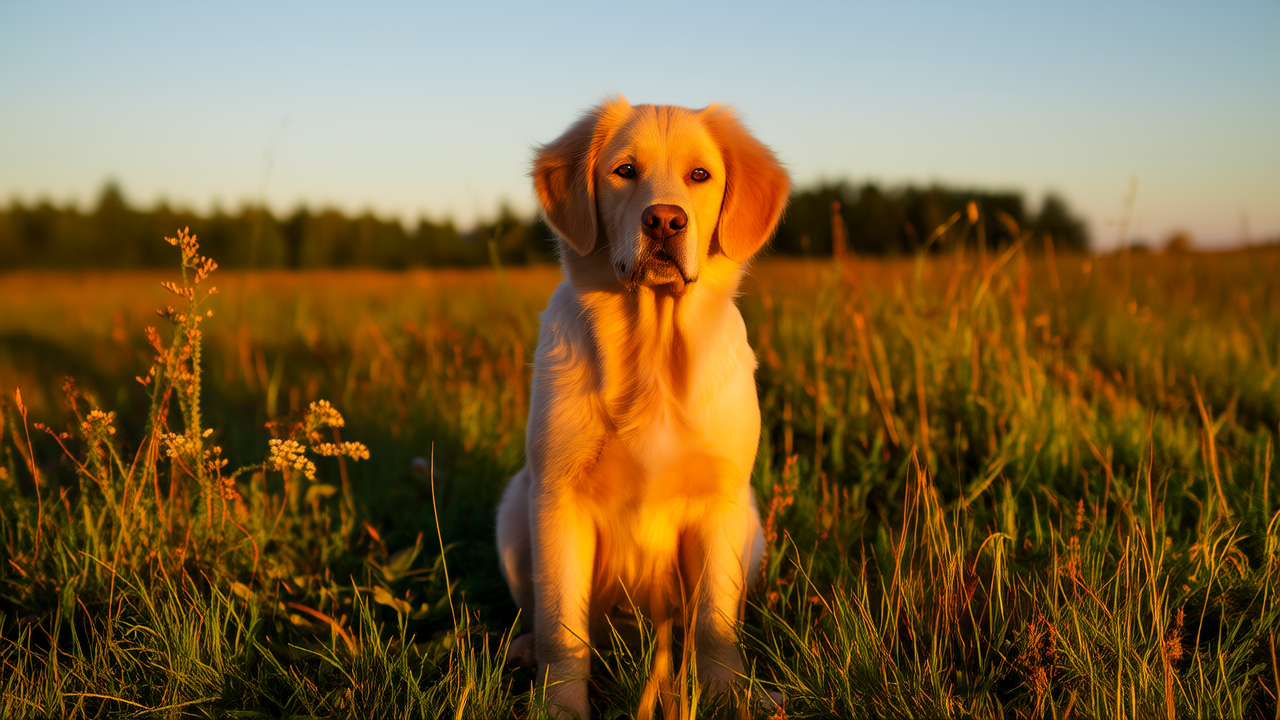
Shiba Husky Mix: The Complete Guide to This Striking Designer Breed
Everything you need to know about the Shiba Husky mix — size, temperament, coat types, health risks, cost.

The Shiba Husky mix — sometimes called the Shiba Husky or Huskiba — pairs two of the most iconic spitz-type breeds in the world: the compact, fox-like Shiba Inu and the larger, wolf-eyed Siberian Husky. The result is a medium-sized dog with pricked ears, a curled tail, and a personality that ranges from aloof independence to mischievous energy. But because both parent breeds are famously strong-willed, this cross is not a beginner-friendly dog.
If you're researching the Shiba Husky mix before committing to one, this guide breaks down every trait, health risk, cost factor, and lifestyle consideration you need to make an informed decision.
Parent Breeds: What Makes Up the Shiba Husky Mix?
Understanding any designer cross starts with understanding its parent breeds. The Shiba Inu and Siberian Husky share a spitz-family lineage but differ dramatically in size, origin, and working purpose.
| Trait | Shiba Inu | Siberian Husky |
|---|---|---|
| Origin | Japan — ancient hunting companion | Siberia — sled-pulling working dog (Chukchi people) |
| AKC Group | Non-Sporting | Working |
| Weight Range | 17–23 lb / 7.7–10.4 kg | 35–60 lb / 15.9–27.2 kg |
| Height | 13.5–16.5 in / 34–42 cm | 20–23.5 in / 51–60 cm |
| Lifespan | 13–16 years | 12–14 years |
| Coat Type | Short double coat, stiff outer guard hairs | Medium-length double coat, dense undercoat |
| Shedding Level | Heavy seasonal blowout, moderate year-round | Heavy seasonal blowout, moderate year-round |
| Temperament | Alert, independent, cat-like, reserved with strangers | Outgoing, energetic, pack-oriented, friendly with strangers |
| Trainability | Low — biddable only when motivated | Low–Moderate — intelligent but easily bored |
| Prey Drive | High | High |
| Vocalization | Shiba scream, alert barking | Howling, talking, rarely barks |
These two breeds occupy opposite ends of the spitz temperament spectrum: the Shiba is a solitary, watchful companion, while the Husky is a gregarious, pack-driven athlete. A Shiba Husky mix can land anywhere between these poles — and even littermates may express very different personality blends.
Generations Explained: F1, F1B, and Backcross Variability
- F1 (First Generation): 50% Shiba Inu × 50% Siberian Husky. Most common. Greatest trait variability.
- F1B (First-Generation Backcross): F1 Shiba Husky × purebred Shiba Inu OR purebred Siberian Husky. Skews traits toward the backcross parent (75/25 split).
- F2 (Second Generation): F1 × F1. Both parents are already mixed. Predictability does not improve — recombination creates wider trait spread.
- Multigen (F3+): Rare for this cross. Would require several generations of intentional Shiba Husky × Shiba Husky breeding. Almost nonexistent in the current market.
Unlike Poodle-based designer breeds (Goldendoodles, Labradoodles), the Shiba Husky mix has not been developed through multigenerational breeding programs. The vast majority of litters available are F1 crosses — one purebred Shiba Inu parent and one purebred Siberian Husky parent. This means you should expect significant individual variation even within a single litter.
Some breeders may produce F1B litters by breeding an F1 back to a Siberian Husky to increase size and athletic drive, or back to a Shiba Inu to produce a smaller, more apartment-suited dog. Always ask the breeder which generation a litter represents and request documentation of both parent dogs' pedigrees.
Size Range: How Big Will a Shiba Husky Mix Get?
The size of a Shiba Husky mix depends heavily on which parent the puppy favors, the sex of the dog, and the generation. F1 puppies typically land somewhere in the middle of the parent size range, but outliers in both directions are common.
| Generation | Weight Range | Height (at shoulder) |
|---|---|---|
| F1 (50/50) | 25–45 lb / 11.3–20.4 kg | 16–21 in / 41–53 cm |
| F1B → Husky backcross | 35–55 lb / 15.9–24.9 kg | 19–23 in / 48–58 cm |
| F1B → Shiba backcross | 18–30 lb / 8.2–13.6 kg | 14–18 in / 36–46 cm |
| F2 | 20–50 lb / 9.1–22.7 kg (highly variable) | 15–22 in / 38–56 cm |
Most F1 Shiba Husky mixes settle into the 30–40 lb (13.6–18.1 kg) range by adulthood. Males tend to run larger. Puppies typically reach their full height by 10–12 months and fill out to their adult weight by 14–18 months. If size matters for your living situation — such as apartment weight restrictions — confirm the specific puppy's growth trajectory with the breeder at 8 weeks and again at 16 weeks.
Coat, Color, and Shedding: What to Expect
Both parent breeds carry double coats with dense undercoats, so you can expect a double-coated dog regardless of which parent the puppy favors. The differences lie in coat length and texture:
- Shiba-leaning coat: Shorter, stiffer guard hairs, less overall fluff, with the characteristic "urajiro" (white underside markings) possible.
- Husky-leaning coat: Medium-length, softer, plusher coat with more pronounced ruff around the neck and feathering on the tail.
- Blended coat: Medium-short with moderate density — the most common F1 outcome.
Common coat colors include red, black and tan, sesame, agouti (wild-type gray), sable, and various piebald or parti-color patterns inherited from the Husky side. Blue eyes, heterochromia (one blue, one brown eye), and brown eyes are all possible — the Husky's ALX4 gene variant associated with blue eyes is dominant and frequently expresses in F1 litters.
Is the Shiba Husky Mix Hypoallergenic or Low-Shedding?
No. Neither parent breed is hypoallergenic. Both are prolific shedders that undergo dramatic seasonal "coat blows" — typically in spring and fall — where the entire undercoat releases over a 2–4 week period. During a blowout, you may pull out tufts of undercoat by the handful. Year-round, expect moderate daily shedding.
If anyone in your household has dog allergies, this cross is a poor fit. Allergen exposure comes primarily from dander attached to shed hair and from saliva, not from hair length, so a shorter-coated Shiba-leaning mix will not be meaningfully less allergenic than a fluffier Husky-leaning one.
Temperament Range: Best-Case and Challenging Scenarios
The Shiba Husky mix inherits two strong-willed, independent spitz temperaments. This is not a breed cross that produces eager-to-please dogs. The range of possible temperaments is wide:
- Alert and attentive without excessive barking
- Playful and energetic with family members
- Socially tolerant of strangers after initial caution
- Moderate independence — enjoys alone time but bonds closely with household
- Responsive to positive reinforcement training when motivated by high-value treats
- Extreme aloofness or fear-based reactivity toward strangers (Shiba influence)
- High prey drive making off-leash freedom unsafe around cats, small dogs, or wildlife
- Escape artistry — both breeds are notorious for jumping fences and slipping collars
- Resource guarding tendencies, particularly food and toy guarding
- Vocalization issues: Shiba scream combined with Husky howling
- Same-sex aggression, especially male-to-male (documented in both parent breeds)
Socialization is non-negotiable. Both parent breeds have documented tendencies toward fear-based reactivity if not properly socialized during the critical window of 3–14 weeks. Enroll in a force-free, positive reinforcement puppy class — such as those following the AVSAB Puppy Socialization Guidelines — starting as early as 7–8 weeks (after at least one DHPP vaccine). Avoid any trainer who recommends prong collars, shock collars, or alpha rolls; spitz breeds tend to shut down or escalate defensively under aversive methods.
Exercise requirements: Plan for 60–90 minutes of structured activity daily. This includes leashed walks, sniffari-style decompression walks, flirt pole sessions, and puzzle feeders. A bored Shiba Husky mix will find its own entertainment — usually by destroying furniture, digging through landscaping, or attempting escape.
Health Considerations: Hybrid Vigor Myth vs. Reality
The concept of "hybrid vigor" — that crossbred dogs are inherently healthier than purebreds — is frequently overstated. While outcrossing can reduce the risk of recessive genetic disorders that are concentrated within a single breed's gene pool, it does not eliminate health risks. A Shiba Husky mix can inherit conditions from either parent breed, and some structural issues may be exacerbated by the size disparity between the two parents.
| Condition | Inherited From | Prevalence | Screening Test |
|---|---|---|---|
| Hip Dysplasia | Both (higher in Huskies) | ~6–8% in Siberian Huskies (OFA data) | OFA or PennHIP radiograph at 24 months |
| Patellar Luxation | Shiba Inu | Common in small-to-medium breeds | Veterinary orthopedic exam |
| Progressive Retinal Atrophy (PRA) | Both breeds | Documented in both; carrier rates vary | DNA test (Optigen prcd-PRA panel) |
| Cataracts (Hereditary) | Siberian Husky | ~5–10% of Huskies develop juvenile cataracts | CERF/CAER annual ophthalmologist exam |
| Allergies (Atopic Dermatitis) | Both breeds | Shiba Inus are overrepresented for atopy | Clinical diagnosis; allergy panel if needed |
| Hypothyroidism | Siberian Husky | Documented breed predisposition | Full thyroid panel (T4, free T4, TSH, autoantibodies) |
| GM1 Gangliosidosis | Shiba Inu | Rare but documented; fatal neurodegenerative disease | DNA test available for Shiba Inu carriers |
What to ask the breeder: Request OFA hip scores, CERF eye exam certificates, and DNA test results for both parent dogs. A responsible breeder will share these without hesitation. If a breeder claims their mixed-breed puppies are "health guaranteed because of hybrid vigor," that's a red flag — hybrid vigor is not a health guarantee.
Always consult your veterinarian to establish a breed-appropriate preventive care plan, including vaccination schedules, parasite prevention, and baseline screening at appropriate ages.
Grooming and Daily Care
Regardless of which parent's coat dominates, expect a grooming routine that looks like this:
- Brushing: 2–3 times per week with an undercoat rake (such as the Furminator Medium Short Hair or Chris Christensen Big G) and a slicker brush for the topcoat. Daily during coat blowout seasons.
- Bathing: Every 6–8 weeks, or as needed. Use a high-velocity dryer after bathing to blow out loose undercoat — this single step dramatically reduces shedding around the house.
- Nail trimming: Every 2–3 weeks. Both breeds can have resistant nail quicks; a Dremel-style grinder often works better than guillotine clippers for thick spitz nails.
- Dental care: Daily tooth brushing with enzymatic dog toothpaste (e.g., Virbac C.E.T.) or dental chews approved by the Veterinary Oral Health Council (VOHC).
- Ear care: Weekly check for debris and redness. Both breeds have erect ears with decent airflow, but the dense fur inside the ear canal can trap moisture.
Never shave a double-coated dog. Shaving disrupts the coat's thermoregulation, can cause permanent follicle damage (post-clipping alopecia), and actually increases heat absorption in summer. The undercoat insulates against both cold and heat when intact.
Cost: Purchase Price and Annual Budget
The Shiba Husky mix occupies an unusual pricing niche. Neither parent breed is inexpensive, and the novelty of the cross can inflate prices from breeders marketing "designer" puppies.
| Expense Category | Estimated Cost Range |
|---|---|
| Puppy purchase (from breeder) | $800 – $2,500 |
| Adoption/rescue fee | $150 – $500 |
| Initial veterinary setup (vaccines, spay/neuter, microchip) | $400 – $900 |
| First-year supplies (crate, harness, leash, bowls, bed, grooming tools) | $300 – $600 |
| Annual food (quality kibble or balanced raw) | $480 – $840 ($40–$70/month) |
| Annual preventive care (heartworm, flea/tick, annual exam, vaccines) | $350 – $700 |
| Pet insurance (monthly premium) | $35 – $70/month ($420 – $840/year) |
| Professional grooming (if using, 4–6×/year) | $240 – $480 ($60–$80/session) |
| Training classes (puppy + intermediate) | $200 – $600 |
First-year total estimate: $3,200 – $7,300, depending on whether you adopt or buy, your regional veterinary costs, and insurance selection. Ongoing annual cost after year one: approximately $1,800 – $3,500.
Breeder vs. rescue: Shiba Husky mixes occasionally appear in spitz-breed-specific rescues such as Shiba Inu Rescue affiliates or Husky rescue networks. Mixed-breed dogs from these rescues are typically spayed/neutered, vaccinated, and behaviorally assessed. If purchasing from a breeder, prioritize those who health-test both parents, raise puppies in a home environment (not kennels), and offer a take-back clause in their contract.
Who Is the Shiba Husky Mix Best Suited For?
This cross is a poor match for first-time dog owners, households with very young children, or people who want an off-leash hiking companion. The combination of high prey drive, escape tendencies, and independent problem-solving requires an owner who understands spitz-breed behavior.
Ideal owner profile:
- Experience with at least one independent or primitive breed
- Secure, fenced yard (minimum 6-foot fence with dig-proof footer — both breeds dig and jump)
- Active lifestyle: 60–90 minutes of daily exercise commitment
- Tolerance for heavy shedding and seasonal coat blowouts
- No small pets (cats, rabbits, small dogs) unless the puppy is raised with them from a young age and even then, supervision is essential
- Household with older children (10+) who understand how to read canine body language
- Willingness to invest in ongoing positive reinforcement training and socialization through the first 2 years
Not recommended for: Apartment dwellers without easy access to outdoor space, families seeking a cuddly lap dog, anyone who prioritizes a spotless home, or owners who plan to leave the dog alone for 8+ hours daily. Both parent breeds are prone to separation distress when under-exercised and under-stimulated.
Frequently Asked Questions
What two breeds make up the Shiba Husky mix?
The Shiba Inu (a small Japanese spitz breed) and the Siberian Husky (a medium-sized sled dog from Siberia). Both belong to the spitz family, sharing pricked ears, curled tails, and double coats, but they differ significantly in size, temperament, and working history.
How big will my Shiba Husky mix get?
Most F1 Shiba Husky mixes reach 25–45 lb (11.3–20.4 kg) and stand 16–21 inches (41–53 cm) at the shoulder. The final size depends on which parent the puppy favors, its sex, and generation. Males tend to be larger. Ask the breeder for the parents' exact measurements for a better estimate.
What will the temperament be like?
Expect an alert, independent, energetic dog with moderate-to-high prey drive. Some individuals lean toward the Shiba's aloof reserve; others express the Husky's outgoing friendliness. Neither parent breed is known for obedience-driven compliance, so patience and positive reinforcement training are essential. Early socialization (3–14 weeks) is critical to prevent fear-based reactivity.
Is the Shiba Husky mix hypoallergenic?
No. Both parent breeds are heavy-shedding double-coated dogs. This mix will shed year-round and undergo intense seasonal coat blowouts. It is not suitable for allergy-sensitive households.
What health issues might this mix inherit?
Key conditions to screen for include hip dysplasia, patellar luxation, progressive retinal atrophy (PRA), hereditary cataracts, hypothyroidism, atopic dermatitis, and (rarely) GM1 gangliosidosis from the Shiba line. Ask the breeder for OFA hip scores, CERF eye clearances, and DNA test results for both parents.
How much does a Shiba Husky mix cost?
Puppy prices from breeders range from $800 to $2,500, depending on the breeder's reputation, health testing, and region. Adoption through a rescue typically costs $150–$500. First-year total ownership costs (including vet care, supplies, food, and insurance) range from approximately $3,200 to $7,300.
Can a Shiba Husky mix live in an apartment?
It's possible but challenging. This cross needs 60–90 minutes of daily exercise and mental stimulation. Without a yard, you'll need to commit to multiple daily walks, sniffari outings, and indoor enrichment (puzzle feeders, snuffle mats, training sessions). Noise from howling or Shiba screaming may also create issues with neighbors.
Are Shiba Husky mixes good with cats?
Generally risky. Both parent breeds have high prey drives. A Shiba Husky mix raised alongside a cat from puppyhood may coexist peacefully, but the instinct to chase small, fast-moving animals is strong and can surface unpredictably. Never leave this mix unsupervised with cats or small animals.
Aaron Whyte
All our authors care for dogs every day — read more of their work on the authors page.