Shar Pei Labrador Mix: Breed Profile, Traits & Owner Guide
Everything about the Shar Pei Labrador mix: size, temperament, coat types, health risks, cost, and whether this designer cross suits your household.
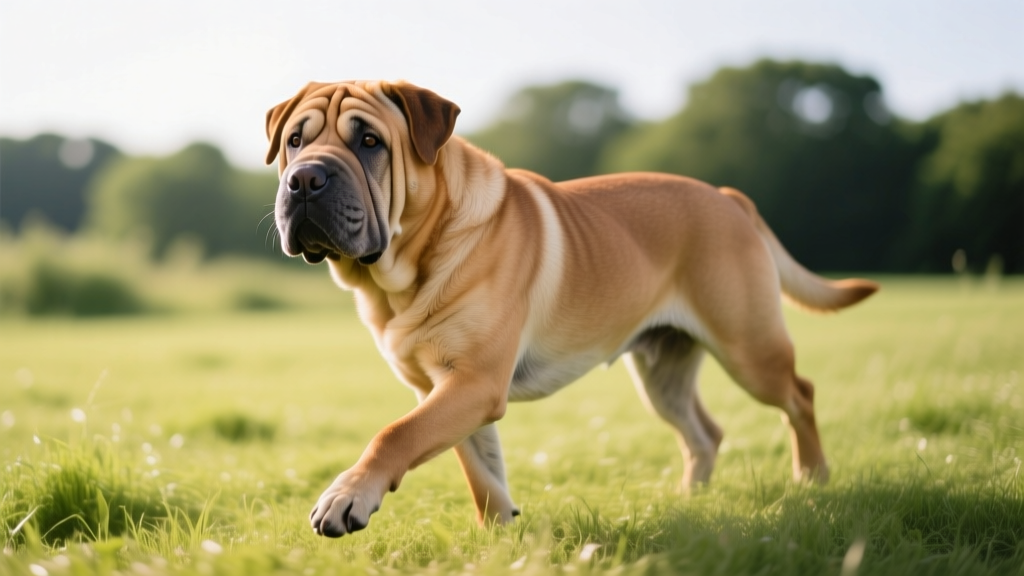
The Shar Pei Labrador mix — sometimes called a Lab Pei or Shar Lab — pairs two dogs with strikingly different personalities, body types, and care needs. One parent is the famously wrinkled, aloof Chinese Shar-Pei; the other is the outgoing, people-pleasing Labrador Retriever. The result is a cross that can land anywhere along a wide behavioral and physical spectrum, which makes understanding both parent breeds essential before bringing one home.
This guide breaks down what prospective owners can realistically expect from a Shar Pei Labrador mix in terms of size, coat, temperament, inherited health conditions, grooming demands, and cost. Because mixed-breed dogs don't come with guarantees, the emphasis here is on ranges and probabilities — not promises.
Parent Breed Breakdown: Shar-Pei Meets Labrador Retriever
To predict what a Shar Pei Labrador mix might look and act like, you need a clear picture of each parent breed. These two dogs diverge on almost every trait axis, which is exactly why their offspring can be so variable.
| Trait | Chinese Shar-Pei | Labrador Retriever |
|---|---|---|
| AKC Group | Non-Sporting | Sporting |
| Weight | 45–60 lb (20–27 kg) | 55–80 lb (25–36 kg) |
| Height | 18–20 in (46–51 cm) | 21.5–24.5 in (55–62 cm) |
| Lifespan | 8–12 years | 11–13 years |
| Coat | Short, harsh, bristly | Short, dense, double coat |
| Temperament | Independent, loyal, reserved with strangers | Friendly, outgoing, eager to please |
| Trainability | Moderate — can be stubborn | High — consistently ranked among most trainable breeds |
| Energy Level | Moderate | High |
| Shedding | Low to moderate | Moderate to heavy |
The Shar-Pei's AKC breed standard describes a dog that is "alert, intelligent, active, dignified" with a notable wariness toward unfamiliar people and dogs. Labradors, by contrast, are the quintessential social butterfly — the AKC calls them "friendly, outgoing, and high-spirited." When you cross these two, any given puppy may lean heavily toward one parent or land somewhere in between.
How Big Will a Shar Pei Labrador Mix Get?
Both parent breeds fall into the medium-to-large category, so the size range for this mix is narrower than some designer crosses. However, individual puppies can still vary by 15–20 pounds depending on which parent's frame they inherit and whether the Labrador parent was from show lines (stockier) or field lines (leaner).
| Measurement | Low End | High End |
|---|---|---|
| Weight | 45 lb (20 kg) | 75 lb (34 kg) |
| Height at Shoulder | 18 in (46 cm) | 24 in (61 cm) |
| Time to Full Size | 12–18 months | |
Females tend to cluster toward the lower end of these ranges; males toward the upper. If you're adopting an adult Shar Pei Lab mix from a rescue, you'll already know the dog's mature size — a significant advantage over buying a puppy.
Coat Types, Wrinkles, and the Shedding Question
This is where genetic roulette becomes most visible. The Shar-Pei carries genes for a short, bristly coat and, in some lines, excessive skin folding. The Labrador carries genes for a smooth, water-resistant double coat that sheds seasonally in large quantities.
No. Neither parent breed is hypoallergenic. A Shar Pei Labrador mix will shed — the question is how much. Puppies that inherit the Labrador's double coat will shed heavily, especially during spring and fall coat blows. Those that inherit the Shar-Pei's single coat will shed moderately year-round but produce less overall volume. No dog in this mix's lineage carries the low-shedding coat genes found in breeds like Poodles, so anyone with dog allergies should proceed with caution.
Wrinkle Inheritance
Some Shar Pei Lab mixes inherit the Shar-Pei's characteristic wrinkles — particularly around the face, neck, and shoulders — while others have smooth skin with only slight folding around the muzzle. Wrinkle degree depends on how many copies of the HMGA2 gene variant (associated with mucin production and skin folding in Shar-Peis) a puppy receives. More wrinkles mean more grooming work: each fold must be cleaned and dried regularly to prevent bacterial and yeast infections.
Color Possibilities
Expect coat colors spanning fawn, cream, black, chocolate, yellow, and red — essentially the combined palette of both parent breeds. Some individuals may show a diluted or sable pattern. Nose pigment can be black or liver depending on inherited color genes.
Temperament: What to Expect (and What to Prepare For)
Temperament is the most unpredictable trait in any cross between two behaviorally divergent breeds. Below is a realistic range based on the parent breed profiles and reports from owners and rescue organizations.
- Labrador-level sociability with family members
- Shar-Pei-level loyalty and watchfulness
- Moderate energy — enjoys walks and play without being hyperactive
- Responds well to positive reinforcement training
- Tolerates strangers after brief introductions
- Shar-Pei-type stranger suspicion bordering on reactivity
- Stubbornness and low motivation for obedience work
- Dog-selective or dog-aggressive tendencies (common in Shar-Peis)
- High prey drive inherited from either parent
- Resource guarding, especially around food
Socialization Is Non-Negotiable
Because the Shar-Pei lineage introduces a genetic predisposition toward wariness and same-sex dog aggression, early and sustained socialization is critical. The American Veterinary Society of Animal Behavior recommends that puppies begin structured socialization before 16 weeks of age — the primary socialization window. For a Shar Pei Lab mix, this means:
- Exposure to 50+ different people (ages, ethnicities, clothing styles, hats, uniforms) before 14 weeks
- Positive, supervised interactions with well-vaccinated, friendly dogs of various sizes
- Desensitization to handling — paw touching, ear inspection, muzzle holding — to prepare for grooming and vet visits
- Enrollment in a force-free puppy kindergarten class (avoid any trainer using shock collars, prong collars, or alpha rolls)
Even with excellent socialization, some individuals will remain reserved with strangers. That's a trait to manage, not a flaw to fix.
Health Considerations: Hybrid Vigor vs. Reality
A common claim in the designer dog world is that mixed breeds automatically enjoy "hybrid vigor" — the idea that crossing two breeds eliminates inherited diseases. The reality, backed by veterinary genetics research, is more nuanced. Mixed-breed dogs can benefit from a wider gene pool, which may reduce the risk of certain recessive conditions. But they can also inherit dominant or polygenic disorders from either parent, and some conditions are so prevalent in Shar-Peis that they appear frequently in crosses.
Conditions Inherited Primarily from the Shar-Pei Side
- Shar-Pei Fever (Familial Shar-Pei Fever / SPAID): An autoinflammatory disorder causing recurrent fevers (103–107°F / 39.4–41.7°C), swollen hocks, and lethargy. Episodes last 12–36 hours. In severe cases, amyloid deposits accumulate in the kidneys, leading to renal failure. The Merck Veterinary Manual notes this condition is linked to a mutation in the MTBP gene. Any Shar-Pei descendant may carry it.
- Skin Fold Dermatitis: If wrinkles are inherited, the warm, moist environment inside folds promotes bacterial (Staphylococcus) and yeast (Malassezia) overgrowth. Daily cleaning with chlorhexidine wipes and thorough drying is essential.
- Entropion: Inward-rolling eyelids that cause corneal irritation and ulceration. Surgical correction is often required and costs $300–$800 per eye.
- Mucinosis: Excessive mucin deposits in the skin, causing translucent bumps. Generally cosmetic but can complicate wound healing.
Conditions Inherited Primarily from the Labrador Side
- Hip and Elbow Dysplasia: Polygenic joint malformations common in Labradors. The Orthopedic Foundation for Animals (OFA) reports Labrador dysplasia rates around 12% for hips. Responsible breeders screen both parents via OFA or PennHIP evaluations.
- Exercise-Induced Collapse (EIC): A recessive neuromuscular condition causing weakness and collapse after intense exercise. DNA testing is available — both parents should be clear or carriers at most.
- Obesity: Labradors carry a well-documented POMC gene mutation that increases food motivation and obesity risk. A Shar Pei Lab mix inheriting this variant will need strict portion control.
Conditions Possible from Either Parent
- Ear Infections: Floppy ears (from either parent) trap moisture and debris. Weekly cleaning with a veterinary-approved ear cleanser reduces risk.
- Allergies (Atopic Dermatitis): Both breeds rank high for environmental and food allergies. Symptoms include paw licking, face rubbing, and recurrent hot spots.
- Progressive Retinal Atrophy (PRA): A degenerative eye disease leading to blindness. DNA tests exist for several PRA variants.
Generations, Variability, and What "F1" Means Here
- F1: First-generation cross — one purebred Shar-Pei × one purebred Labrador. Maximum genetic diversity; widest trait variation.
- F1B: An F1 Shar Pei Lab mix bred back to one of the parent breeds (usually the Labrador). This shifts trait probability ~75% toward the backcross parent.
- F2: Two F1 Shar Pei Lab mixes bred together. Trait predictability does not improve — in fact, recessive traits from both breeds can reappear unpredictably.
- Multigen (F3+): Multiple generations of mixed-to-mixed breeding. Rare for this particular cross, as there is no established breed club or registry driving a stabilization program.
Most Shar Pei Labrador mixes available through breeders are F1. Unlike Doodle crosses, this mix has not been developed into a standardized multigen line, so predictability remains low regardless of generation.
Predictable vs. Unpredictable Traits
| Trait | Predictability | Notes |
|---|---|---|
| Adult size range | Moderately predictable | Both parents are medium-large; offspring will fall within 45–75 lb |
| Coat length | Moderately predictable | Both parents are short-coated, so offspring will be short-coated |
| Wrinkle degree | Highly unpredictable | Depends on mucin gene dosage; can range from none to moderate |
| Temperament with family | Moderately predictable | Usually loyal and affectionate with known people |
| Temperament with strangers | Highly unpredictable | Can range from Lab-friendly to Shar-Pei-reserved |
| Dog sociability | Highly unpredictable | Shar-Pei dog-aggression genes may or may not express |
| Trainability | Highly unpredictable | Labrador eagerness vs. Shar-Pei independence — coin flip |
| Shedding level | Somewhat predictable | Will shed; amount depends on whether double coat is inherited |
Grooming, Exercise, and Daily Care
Grooming by Coat Type
- If Shar-Pei coat dominates: Brush once weekly with a rubber curry brush (e.g., Kong ZoomGroom, ~$8). Bathe every 6–8 weeks. Clean skin folds daily with vet-recommended wipes (e.g., Douxo Chlorhexidine pads, ~$18 for 30 count).
- If Labrador double coat dominates: Brush 2–3 times weekly with an undercoat rake (e.g., Furminator Large Short Hair, ~$35) during shedding season. Bathe every 4–6 weeks. Expect significant fur on furniture and clothing.
- For all individuals: Trim nails every 2–3 weeks. Clean ears weekly. Brush teeth daily or use VOHC-approved dental chews.
Exercise Requirements
Plan for 45–75 minutes of daily physical activity. This mix generally has moderate-to-high energy. Activities should include:
- Two structured leash walks totaling 30–45 minutes
- 15–30 minutes of off-leash play in a secure area (if recall is reliable and dog-sociability permits)
- Mental enrichment: food puzzles, scent work, or short training sessions (5–10 minutes, 2–3 times daily)
Avoid forced running or high-impact exercise until growth plates close (typically 14–18 months for medium-large breeds) to protect developing joints, especially given the dysplasia risk from both parent lines.
Cost: Purchase Price, Annual Expenses, and Where to Find One
Puppy Purchase Price
| Source | Price Range | What's Typically Included |
|---|---|---|
| Responsible small-scale breeder | $500–$1,200 | First vaccinations, deworming, health records, sometimes spay/neuter contract |
| Backyard breeder / online listing | $200–$600 | Minimal health screening; buyer assumes greater risk |
| Breed-specific rescue or shelter | $50–$400 | Spay/neuter, vaccinations, microchip, behavioral assessment |
This mix is not common enough to have dedicated breeders with established programs. Most litters are produced by small-scale or hobby breeders, and occasionally by accident. When evaluating a breeder, ask for:
- OFA or PennHIP hip scores for both parents
- EIC DNA test results for the Labrador parent
- Eye (CERF/OFA) clearances for both parents
- A written health guarantee and take-back clause
- Proof that puppies are raised in a home environment with early socialization exposure
Annual Care Costs
Budget $1,200–$2,500 per year for routine care, including:
- High-quality food (AAFCO complete and balanced, 25+ lb bag): $45–$80/month
- Preventive medications (heartworm, flea/tick): $20–$45/month
- Annual veterinary exam, vaccines, bloodwork: $250–$500
- Grooming supplies or professional grooming: $150–$400/year
- Pet insurance (recommended given Shar-Pei Fever risk): $40–$75/month
Emergency veterinary care for Shar-Pei Fever episodes, skin infections, or orthopedic issues can add $500–$3,000+ in any given year. An emergency fund or comprehensive pet insurance policy is strongly advised.
Who Is This Mix Best Suited For?
The Shar Pei Labrador mix is not a beginner-friendly dog. The combination of potential stubbornness, stranger wariness, dog-selectivity, and breed-specific health risks means this cross does best in a specific type of household:
- Experience level: Owners with prior dog experience — ideally with guardian-type or independent breeds — who understand that not every dog wants to greet every stranger.
- Family composition: Best with older children (10+) who can read canine body language and respect the dog's space. Not ideal for homes with toddlers or very young children unless the individual dog has been assessed for tolerance.
- Other pets: Proceed cautiously with other dogs, particularly same-sex dogs. Cat compatibility depends on individual prey drive and should be assessed on a case-by-case basis.
- Lifestyle: Active households that can commit to daily exercise, structured training, and ongoing socialization. Apartment living is possible if exercise needs are met, but a fenced yard is preferable.
- Time commitment: This is not a dog that does well left alone for 10+ hours daily. Separation anxiety and boredom-related destructive behavior are real risks.
If you're a first-time owner drawn to this mix for its unique appearance, consider fostering one through a rescue first. Living with the dog for a few weeks will reveal far more about its individual temperament than any breed description can.
Frequently Asked Questions
What two breeds make up the Shar Pei Labrador mix?
The Chinese Shar-Pei and the Labrador Retriever. Both are AKC-recognized purebred breeds. The Shar-Pei originates from southern China and was historically used as a guard and fighting dog. The Labrador Retriever was developed in Newfoundland, Canada, as a fishing and retrieving dog.
How big will a Shar Pei Labrador mix get?
Most adults weigh between 45 and 75 pounds (20–34 kg) and stand 18 to 24 inches (46–61 cm) at the shoulder. Males are generally larger. Growth typically completes by 14–18 months.
What will the temperament be like?
Expect a loyal, family-oriented dog that may be reserved or aloof with strangers. Trainability ranges from eager (Labrador-dominant) to stubborn (Shar-Pei-dominant). Early socialization and consistent, force-free training are essential regardless of which temperament emerges.
Is the Shar Pei Labrador mix hypoallergenic?
No. Neither parent breed is hypoallergenic. This mix will shed and produces the same dander proteins (Can f 1 and Can f 2) that trigger allergic reactions in sensitive people.
What health issues might this mix inherit?
Key concerns include Shar-Pei Fever (autoinflammatory disease), skin fold dermatitis, entropion, hip and elbow dysplasia, exercise-induced collapse, obesity, ear infections, and allergies. Ask your veterinarian about DNA testing for EIC and PRA, and discuss a screening plan for joint health.
How much does a Shar Pei Labrador mix cost?
Puppies from small-scale breeders typically cost $500–$1,200. Rescue adoption fees range from $50–$400. Annual care costs run $1,200–$2,500, with potential emergency expenses adding significantly more in years when health issues arise.
Are Shar Pei Lab mixes good with children?
They can be, particularly if raised with children and socialized positively. However, the Shar-Pei lineage means some individuals have lower tolerance for rough handling, sudden movements, or boundary-pushing behavior. Always supervise interactions between dogs and children, and teach children to respect the dog's resting space.
Can I find a Shar Pei Labrador mix at a shelter?
Yes, though they're uncommon. Check breed-specific rescues for both Shar-Peis and Labradors, as well as general shelters and platforms like Petfinder. Adult rescues offer the advantage of known temperament, size, and health status.
Priya Sutaria
All our authors care for dogs every day — read more of their work on the authors page.


