Redbone Coonhound Lab Mix: Complete Breed Guide & Care Tips
Everything about the Redbone Coonhound Lab Mix: size, temperament, coat types, health risks, grooming, cost.
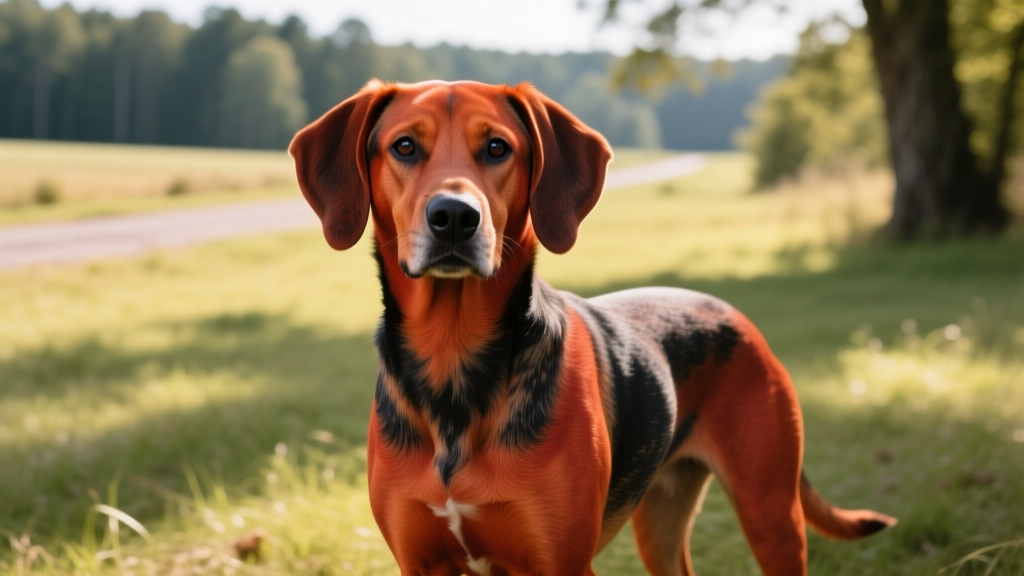
What Is a Redbone Coonhound Lab Mix?
The Redbone Coonhound Lab Mix — sometimes called a "Redbone Lab" or "Coonhound Lab Mix" — is a cross between a purebred Redbone Coonhound and a purebred Labrador Retriever. This isn't a formally recognized designer breed with an established breed club or registry standard. Instead, it's a first-generation or multi-generation mixed breed that combines two of America's most beloved sporting and working dogs.
Both parent breeds share a hunting heritage, which means this mix almost always inherits a strong prey drive, high energy, and a nose that never stops working. If you're considering bringing one home, understanding what each parent contributes is essential — because with mixed breeds, predictability is always a range, never a guarantee.
Parent Breed Breakdown: Redbone Coonhound vs. Labrador Retriever
To understand what you might get in a Redbone Coonhound Lab Mix, you need to understand the two breeds behind it. Here's how the parents stack up side by side, according to AKC breed standards:
| Trait | Redbone Coonhound | Labrador Retriever |
|---|---|---|
| AKC Group | Hound | Sporting |
| Weight | 45–70 lb (20–32 kg) | 55–80 lb (25–36 kg) |
| Height | 21–27 in (53–69 cm) | 21.5–24.5 in (55–62 cm) |
| Coat | Short, smooth, dense | Short, dense, water-resistant double coat |
| Color | Solid red, deep mahogany | Black, yellow, chocolate |
| Energy Level | High (60–90+ min/day) | High (60–90+ min/day) |
| Vocalization | Very high — baying, howling | Moderate — barks, not typically a howler |
| Prey Drive | Very high (scent hound) | Moderate to high (retriever instinct) |
| Trainability | Moderate — independent, scent-distracted | High — eager to please, food-motivated |
| Lifespan | 12–15 years | 10–12 years |
| Original Purpose | Raccoon and big game tracking | Waterfowl retrieving |
The Redbone Coonhound was developed in the American South, prized for its ability to track raccoon, bear, and cougar over rugged terrain using scent alone. According to the Merck Veterinary Manual, Redbones are known for their steady, determined temperament on the trail and their distinctive baying voice. The Labrador Retriever, originally from Newfoundland, was refined in Britain as a gun dog and is consistently the most popular breed in the US due to its versatility and trainability.
How Big Will a Redbone Coonhound Lab Mix Get?
Because both parent breeds fall into the medium-to-large range, you can expect a Redbone Coonhound Lab Mix to land squarely in that zone. However, individual variation is significant — a puppy might lean toward the lighter Coonhound parent or the stockier Lab parent.
| Measurement | Minimum (Coonhound-leaning) | Average | Maximum (Lab-leaning) |
|---|---|---|---|
| Weight | 45 lb (20 kg) | 60–70 lb (27–32 kg) | 80 lb (36 kg) |
| Height at Shoulder | 21 in (53 cm) | 23–25 in (58–64 cm) | 27 in (69 cm) |
Growth timeline: Most Redbone Coonhound Lab Mixes reach near-adult height by 10–12 months and fill out to their full weight by 14–18 months. Males tend to sit at the upper end of these ranges; females at the lower end.
Understanding Generations: F1, F1B, and Multigen Mixes
Generation Terminology for Mixed Breeds
- F1 (First Generation): One purebred Redbone Coonhound × one purebred Labrador Retriever. Maximum genetic diversity, most trait variability between littermates.
- F1B (Backcross): An F1 Redbone Lab Mix bred back to one of the parent breeds. For example, breeding an F1 mix to a Lab would produce puppies that are 75% Lab and 25% Coonhound — potentially more predictable in temperament and coat.
- F2 (Second Generation): Two F1 Redbone Lab Mixes bred together. Trait expression becomes more variable, not less — recessive genes from both breeds can surface unpredictably.
- Multigen: Multiple generations of mixed-to-mixed breeding. Without a formal breed standard, multigen Redbone Lab mixes can vary widely. This is not an established designer breed with consistent multigen lines the way Labradoodles or Goldendoodles have.
Reality check: The vast majority of Redbone Coonhound Lab Mixes you'll encounter are F1 crosses — either intentionally bred or, more commonly, the result of an accidental mating. Formal multigen breeding programs for this specific mix are extremely rare.
Unlike established designer breeds such as the Labradoodle (which has multigen breeding programs and emerging breed clubs), the Redbone Coonhound Lab Mix doesn't have a formal breeding infrastructure. If a breeder advertises "multigen Redbone Labs," ask detailed questions about how many generations they've produced and what health testing they perform on parent dogs.
Temperament: What to Expect (and What Might Surprise You)
Temperament is where mixed-breed variability shows up most dramatically. Even within a single F1 litter, you can get puppies that lean heavily toward one parent's personality over the other's. Here's the realistic range:
| Trait | Best-Case Scenario | Challenging Scenario | Most Likely |
|---|---|---|---|
| Sociability | Lab-like friendliness with everyone, great with visitors | Reserved with strangers, slow to warm up (Coonhound trait) | Friendly with family, politely aloof with new people |
| Trainability | Eager, food-motivated, picks up commands quickly | Independent, ignores recall when on a scent trail | Trainable but needs patience; recall may never be 100% reliable off-leash |
| Vocalization | Moderate barking, minimal howling | Frequent baying and howling, especially when left alone or stimulated by outdoor scents | More vocal than a typical Lab; may bay at squirrels, sirens, or when bored |
| Energy | Athletic but settles well indoors after exercise | Restless, destructive without sufficient outlet | High energy requiring 60–90+ minutes of daily activity; couch-friendly once tired |
| Prey Drive | Moderate — can coexist with cats if socialized early | Intense — will chase anything that runs, unsafe around small animals | Moderate to high — leash walks in wildlife-heavy areas require management |
The scent factor: This is the trait that catches many owners off guard. The Redbone Coonhound parent contributes an extraordinarily powerful nose. Your mix may stop dead on walks to investigate smells, pull toward interesting odors, and become "deaf" to commands when tracking a scent. This isn't disobedience — it's hardwired instinct. Plan to use a long-line leash (15–30 ft / 4.5–9 m) for safe off-leash-style exploration in open areas, and don't expect reliable recall in unfenced areas no matter how much training you invest.
Training approach: Use positive reinforcement methods — high-value treats (freeze-dried liver, chicken), play rewards, and patience. Force-free training works exceptionally well with this mix because the Lab side brings food motivation and the Coonhound side responds to fairness and consistency. Never use shock collars or prong collars; these can increase anxiety and damage your bond with a sensitive hound-cross.
Coat, Shedding, and Grooming: Is This Mix Low-Shedding?
No — the Redbone Coonhound Lab Mix is not hypoallergenic or low-shedding. Neither parent breed carries the low-shedding, curly-coat genes found in Poodles or Bichon Frises. Here's what you can realistically expect:
- Coat type: Almost certainly short to medium-length, smooth, and dense. The Lab parent contributes a water-resistant double coat; the Coonhound contributes a shorter, sleeker single or light double coat. Your mix will likely have a short double coat that lies close to the body.
- Color possibilities: Red, mahogany, black, chocolate, yellow, or brindle — often a blend. Many Redbone Lab mixes show a reddish or dark golden coat with possible white markings on the chest or paws.
- Shedding level: Moderate to heavy. Labs are notoriously prolific shedders, especially during seasonal coat blows (spring and fall). The Coonhound side sheds moderately year-round. Expect regular vacuuming and lint-rolling regardless of which parent's coat your dog favors.
Grooming Schedule
| Task | Frequency | Details |
|---|---|---|
| Brushing | 2–3 times/week (daily during shedding season) | Use a rubber curry brush or medium-bristle brush. A deshedding tool like the Furminator Short Hair (Medium/Large, ~$35–$45) works well during coat blows. |
| Bathing | Every 6–8 weeks or as needed | Use a mild oatmeal-based dog shampoo. Coonhound skin can be sensitive — avoid harsh flea shampoos unless directed by your vet. |
| Ear Cleaning | Weekly | Both parent breeds have floppy ears that trap moisture. Use a vet-recommended ear cleaner (e.g., Epi-Otic Advanced, ~$15–$20) to prevent yeast and bacterial infections. |
| Nail Trimming | Every 3–4 weeks | Active dogs may wear nails down naturally, but check monthly. If you hear clicking on hard floors, it's time. |
| Dental Care | Daily brushing ideal, minimum 3x/week | VOHC-approved dental chews (e.g., Greenies, ~$25–$35 for a 36-count box) can supplement brushing. Labs are prone to dental disease by middle age. |
Health Considerations: Hybrid Vigor Myth vs. Reality
Let's address a common misconception head-on: hybrid vigor does not eliminate health risks. While crossbreeding can reduce the likelihood of certain recessive genetic disorders (because the gene pool is broader), a Redbone Coonhound Lab Mix can still inherit any condition that affects either parent breed. Mixed breeds are not immune — they simply have different probability profiles.
Here are the health conditions to watch for, drawn from both parent breeds:
| Condition | Inherited From | What to Know | Estimated Treatment Cost |
|---|---|---|---|
| Hip Dysplasia | Both breeds (high prevalence in Labs) | Malformation of the hip joint causing pain and arthritis. AKC reports Labs have a notably high rate. Watch for rear-leg stiffness, difficulty rising, or "bunny-hopping" gait. | $1,500–$6,000 per hip (surgical); $50–$150/month (conservative management) |
| Elbow Dysplasia | Labrador Retriever | Similar to hip dysplasia but in the front legs. Lameness in forelimbs, especially after exercise, is a key sign. | $1,500–$4,000 (surgical) |
| Ear Infections (Otitis Externa) | Both breeds | Floppy ears + moisture = recurring infections. Labs are especially prone. Symptoms: head shaking, ear odor, scratching, redness. | $100–$300 per episode (vet visit + medication) |
| Gastric Dilatation-Volvulus (Bloat) | Both breeds (deep-chested dogs) | Life-threatening stomach torsion. Emergency. Signs: distended abdomen, unproductive retching, restlessness, rapid breathing. Know your nearest emergency vet's location. | $3,000–$7,000+ (emergency surgery) |
| Progressive Retinal Atrophy (PRA) | Both breeds | Gradual vision loss leading to blindness. No cure, but dogs adapt well. DNA tests exist for several PRA forms. | $200–$400 (diagnostic testing); no treatment available |
| Obesity | Labrador Retriever (strong genetic predisposition) | Labs carry a well-documented POMC gene mutation that increases food drive and weight gain. Your mix may inherit this relentless appetite. | Preventable with measured feeding and exercise |
Exercise, Activity, and Mental Stimulation
This is not a dog that will be happy with a 15-minute walk around the block. The Redbone Coonhound Lab Mix inherits endurance and drive from both parents. Here's a realistic daily activity plan:
- Minimum daily exercise: 60–90 minutes of structured activity (leash walks, jogging, fetch, swimming)
- Ideal daily exercise: 90–120 minutes including off-leash exploration in secure areas, scent work, or hiking
- Mental stimulation: 20–30 minutes of nose work games, puzzle feeders, or training sessions daily
Scent work is your secret weapon. Because the Coonhound parent contributes such a powerful tracking instinct, channeling that drive into structured nose work (hide treats around the yard, use snuffle mats, or enroll in AKC Scent Work classes) will tire your dog out faster than physical exercise alone. A 20-minute nose work session can be as mentally exhausting as an hour-long run.
Swimming: The Lab side often contributes a love of water. If your mix inherits this, swimming is an excellent low-impact exercise that's easy on developing joints (especially important for puppies under 18 months to protect against hip dysplasia). Always supervise and introduce water gradually.
Cost: How Much Does a Redbone Coonhound Lab Mix Cost?
Pricing varies significantly based on how you acquire the dog and your location:
| Source | Price Range | What's Included |
|---|---|---|
| Intentional Breeder (F1) | $500–$1,200 | Health-tested parents, early socialization, first vaccines, dewclaw removal, health guarantee. Rare for this specific mix — verify breeder credentials carefully. |
| Backyard/Accidental Breeder | $200–$500 | Often no health testing, minimal documentation. Common source for this mix. Budget for a thorough vet exam ($200–$400) shortly after purchase. |
| Rescue/Shelter | $50–$350 | Typically spayed/neutered, vaccinated, microchipped. Coonhound and Lab mixes are common in Southern US shelters. Check breed-specific rescues like Coonhound Rescue or Labrador Retriever Rescue organizations. |
First-Year Budget Estimate
Beyond the acquisition cost, plan for these first-year expenses:
- Veterinary care (wellness, vaccines, spay/neuter): $600–$1,200
- High-quality food (large-breed formula): $480–$840/year ($40–$70/month for brands like Purina Pro Plan, Royal Canin, or Hill's Science Diet)
- Preventive medications (heartworm, flea/tick): $200–$400/year
- Supplies (crate, leash, harness, bowls, bed, toys): $300–$600
- Training classes (group obedience): $150–$300 for a 6–8 week course
- Pet insurance (recommended): $40–$80/month ($480–$960/year) — companies like Trupanion, Healthy Paws, or Nationwide
Total first-year estimate: $2,200–$4,500+ depending on acquisition source and whether any health issues arise.
Who Should (and Shouldn't) Get a Redbone Coonhound Lab Mix?
This mix isn't the right fit for every household. Here's an honest assessment:
Best Suited For
- Active individuals or families who hike, run, or spend significant time outdoors
- Homes with securely fenced yards (minimum 6 ft / 1.8 m fence — Coonhounds are athletic climbers and diggers)
- Experienced dog owners familiar with hound or sporting breed traits
- Rural or suburban settings where baying won't disturb close neighbors
- Families with older children (ages 8+) — these dogs are generally gentle but large and boisterous as puppies
- Hunters or outdoor sports enthusiasts looking for a versatile companion
Not Ideal For
- Apartment dwellers — the vocalization and exercise needs make apartments challenging
- First-time owners unwilling to invest in professional training
- Homes with cats, rabbits, or small pets — prey drive may make cohabitation unsafe without extensive early socialization
- People who work long hours away from home — this mix is prone to separation anxiety and boredom-related destruction
- Those seeking a low-maintenance, low-shedding dog — this mix requires daily exercise and regular grooming
- Anyone wanting reliable off-leash recall — the scent drive makes off-leash freedom risky in unsecured areas
Frequently Asked Questions
Are Redbone Coonhound Lab Mixes good with children?
Generally, yes. Both parent breeds are known for being gentle and tolerant with children. The Lab side contributes a famously patient temperament, and well-socialized Coonhounds are steady and affectionate with family members. However, puppies can be mouthy and clumsy — always supervise interactions with young children, and teach kids to respect the dog's space during meals and sleep.
Do Redbone Coonhound Lab Mixes bark a lot?
They tend to be more vocal than a pure Lab but less vocal than a pure Coonhound. Expect barking at doorbells, passing animals, and unusual sounds. The Coonhound bay — a deep, drawn-out howl — may appear, especially when your dog is excited, bored, or picking up outdoor scents. If you live in a neighborhood with noise ordinances or close neighbors, this is a significant consideration.
Can I leave a Redbone Coonhound Lab Mix alone during the day?
Adults can typically handle 4–6 hours alone if properly exercised beforehand and given mental enrichment (frozen Kong, puzzle toys). Beyond that, you risk destructive behavior and excessive vocalization. Crate training helps manage the first 1–2 years, but this is not a breed mix that thrives with 8+ hours of daily isolation. Consider a dog walker or doggy daycare if you work long hours.
How do I find a Redbone Coonhound Lab Mix for adoption?
Check general shelter databases like Petfinder.com and Adopt-a-Pet.com using search terms like "Coonhound mix" or "Lab mix." Breed-specific rescues — such as the American Coonhound Rescue Association or regional Lab rescue groups — occasionally take in mixed-breed dogs. Southern US states (Texas, Louisiana, Alabama, Georgia) have higher populations of Coonhound mixes in shelters due to the breed's regional popularity.
What should I feed a Redbone Coonhound Lab Mix?
Choose an AAFCO-certified large-breed formula appropriate for your dog's life stage (puppy, adult, senior). Because Labs are prone to obesity, measured feeding is critical — follow the feeding guide on your food bag based on your dog's ideal weight, not current weight if overweight. For a 60–70 lb (27–32 kg) adult, expect to feed approximately 2.5–3.5 cups of dry kibble per day, split into two meals. Consult your veterinarian for a specific feeding plan.
Will my Redbone Coonhound Lab Mix be good with other dogs?
Both parent breeds are pack-oriented and generally sociable with other dogs. Coonhounds are traditionally hunted in groups, and Labs are famously social. Early and ongoing socialization (puppy classes, dog park visits, structured playdates) will help ensure good dog-dog manners. Same-sex aggression can occasionally appear in intact dogs — spaying/neutering reduces this risk.
Dr. Hannah Wickes
All our authors care for dogs every day — read more of their work on the authors page.


