Pug Mix Breeds: Complete Guide to Popular Pug Crosses
pug mix breeds including Puggles, Muggs, and more. Learn about size, temperament, health risks, costs, and whether a pug cross suits your family.
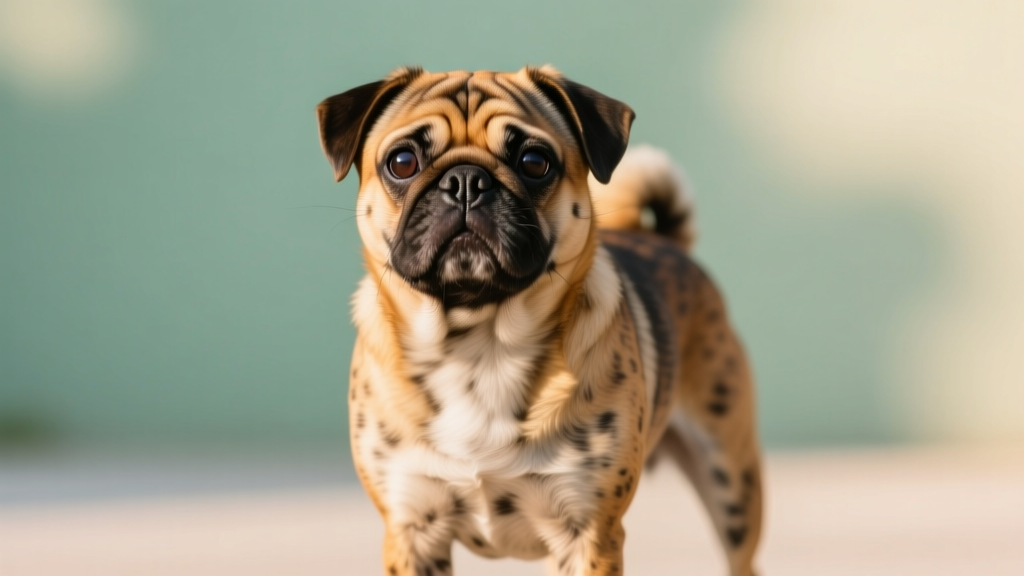
If you've fallen for the pug's wrinkly charm but want something slightly different, you're not alone. Pug mix breeds have surged in popularity over the last decade, combining the pug's affectionate, clownish personality with traits from other small companion breeds. But unlike purebred dogs with predictable standards, designer mixes are a genetic roll of the dice — and knowing what you're signing up for matters.
This guide breaks down the most common pug crosses, what traits you can reasonably expect, the health realities behind the "hybrid vigor" marketing, and whether one of these mixes is the right fit for your household.
The Parent Breeds: What Makes a Pug Mix
Every pug mix starts with one constant: the pug (Canis lupus familiaris, recognized by the AKC since 1885). Understanding both parent breeds is essential because any given puppy may lean heavily toward one side.
| Trait | Pug | Beagle (Puggle) | Boston Terrier (Muggs/Bugg) | Chihuahua (Chug) | Dachshund (Daug) |
|---|---|---|---|---|---|
| Weight | 14–18 lb / 6.4–8.2 kg | 20–30 lb / 9–13.6 kg | 12–25 lb / 5.4–11.3 kg | 2–6 lb / 0.9–2.7 kg | 16–32 lb / 7.3–14.5 kg |
| Height | 10–13 in / 25–33 cm | 13–15 in / 33–38 cm | 15–17 in / 38–43 cm | 5–8 in / 13–20 cm | 8–9 in / 20–23 cm |
| Lifespan | 13–15 years | 10–15 years | 11–13 years | 14–16 years | 12–16 years |
| Energy Level | Low–moderate | Moderate–high | Moderate | Moderate | Moderate |
| Shedding | Heavy (double coat) | Moderate–heavy | Low–moderate | Low–moderate | Low–moderate |
| AKC Group | Toy | Hound | Non-Sporting | Toy | Hound |
The pug brings a brachycephalic (flat-faced) skull structure, a compact body, and a deeply social temperament to every cross. They were bred as companion animals for Chinese royalty and later European nobility — their entire genetic history selects for human attachment. This means pug mixes almost always inherit strong bonding behavior, but also potential separation anxiety.
Popular Pug Mix Breeds at a Glance
Here are the most established pug crosses you'll encounter through breeders and rescues:
- Puggle (Pug × Beagle) — The original designer pug mix, popularized in the early 2000s
- Muggs / Bugg (Pug × Boston Terrier) — Compact, bat-eared, lower shedding
- Chug (Pug × Chihuahua) — Tiny, spirited, often apple-domed
- Daug (Pug × Dachshund) — Long-bodied, short-legged, bold personality
- Pugapoo (Pug × Poodle, usually Toy or Miniature) — Curly-coated, lower shedding
- Bassugg (Pug × Basset Hound) — Heavier, longer, droopy-eared
- Pug-Zu (Pug × Shih Tzu) — Fluffy, brachycephalic, high grooming needs
Understanding Generations: F1, F1B, F2, and Multigen
Designer dog breeders use generation labels to describe how the cross was produced. This matters because it affects trait predictability.
- F1 (First Generation): One purebred pug × one purebred of the other breed. Maximum genetic diversity, but most unpredictable appearance and traits. Each puppy in a litter may look dramatically different.
- F1B (Backcross): An F1 pug mix bred back to one of the parent breeds. For example, a Puggle bred to a Beagle. This skews traits toward the backcross parent — useful if you want more beagle-like features with some pug influence.
- F2 (Second Generation): Two F1 pug mixes bred together. This produces the widest variation — puppies may look like either grandparent breed or anything in between. Not recommended if you need predictability.
- Multigen (F3+): Multiple generations of the same cross bred together. After 3–4 generations, some lines stabilize, but pug mixes rarely reach the consistency of established breeds. No pug cross currently has full breed registry recognition.
For most pug mixes on the market, you'll encounter F1 litters. Reputable breeders of Puggles and Muggs occasionally produce F1B litters when they want to move away from brachycephalic features (breeding back to the longer-nosed parent to improve airway health). Be cautious of anyone selling "multigen" pug mixes at premium prices — stabilization takes decades, and most pug cross lines haven't existed long enough to achieve it.
Size, Coat, and Appearance: The Variability Reality
The honest answer to "how big will my pug mix get?" is: it depends. Mixed-breed puppies inherit one allele from each parent at every genetic locus, and without DNA testing of both parents, you're working with probability ranges, not guarantees.
| Mix | Weight Range (lb / kg) | Height Range (in / cm) | Variability Notes |
|---|---|---|---|
| Puggle | 15–30 lb / 6.8–13.6 kg | 10–15 in / 25–38 cm | Can skew heavily beagle-sized; males typically larger |
| Muggs/Bugg | 15–25 lb / 6.8–11.3 kg | 12–17 in / 30–43 cm | Most consistent sizing since parents are similar weight |
| Chug | 8–18 lb / 3.6–8.2 kg | 8–13 in / 20–33 cm | Wide range; Chihuahua parent size heavily influences outcome |
| Daug | 16–28 lb / 7.3–12.7 kg | 8–13 in / 20–33 cm | Long body is common; height stays low |
| Pugapoo | 10–20 lb / 4.5–9.1 kg | 10–15 in / 25–38 cm | Depends on Toy vs. Miniature Poodle parent |
| Bassugg | 25–45 lb / 11.3–20.4 kg | 12–16 in / 30–41 cm | Heaviest pug mix; low to ground, substantial bone |
Coat Type Possibilities
Pugs carry genes for a short, smooth double coat that sheds heavily year-round. What your pug mix inherits depends on the other parent:
- Short/smooth coat (pug-dominant): Most Puggles, Muggs, Chugs, and Daugs. Easy to brush but moderate to heavy shedding. Expect loose hair on furniture.
- Wavy/curly coat (Poodle-influenced): Pugapoos may inherit Poodle-type curls, which shed less but require professional grooming every 6–8 weeks at $50–$85 per session.
- Long/silky coat (Shih Tzu-influenced): Pug-Zus often inherit longer hair that mats easily. Daily brushing and professional grooming every 4–6 weeks ($45–$75/session).
Shedding reality check: No pug mix is truly non-shedding. Even Pugapoos that inherit some Poodle curl will typically shed more than a purebred Poodle. If you have severe dog allergies, a pug mix is not a reliable choice — spend time with the specific puppy before committing.
Temperament: Best-Case and Challenging Scenarios
Pugs are consistently ranked among the most people-oriented breeds. They were literally designed to sit on laps. This sociability carries into most pug mixes, but the other parent breed adds significant variables.
- Deeply affectionate and bonded to family
- Good with children (supervised) and other dogs
- Playful but not hyperactive — 30–45 minutes of exercise daily
- Adaptable to apartments and small homes
- Eager to please, responds well to positive reinforcement training
- Comical personality — pug influence tends to produce entertaining, expressive dogs
- Separation anxiety: Pug-influenced bonding can mean destructive behavior when left alone 4+ hours
- Beagle vocalization: Puggles may inherit howling/baying — problematic in apartments
- Chihuahua wariness: Chugs may be snappy with strangers or small children
- Dachshund stubbornness: Daugs can be independent and harder to house-train
- Prey drive: Beagle and Dachshund influence may trigger chasing of cats/small animals
- Resource guarding: Small companion breeds sometimes develop guarding behaviors without early training
Training approach: All pug mixes respond best to reward-based, force-free methods. Their food motivation (especially from the pug side) makes treat-based positive reinforcement highly effective. Avoid aversive tools like shock collars or prong collars — small breeds are physically vulnerable and these methods increase anxiety-driven behaviors. A certified force-free trainer (look for CPDT-KA or IAABC credentials) can help with any behavioral challenges.
Health Considerations: Hybrid Vigor vs. Reality
Let's address the elephant in the room: hybrid vigor does not eliminate health issues in pug mixes. The concept of heterosis (hybrid vigor) is real in livestock breeding, where crossing two highly inbred lines produces measurably healthier offspring. But the Merck Veterinary Manual notes that crossbreeding only reduces risk for conditions caused by recessive genes that both parents carry. If both parent breeds are predisposed to the same condition, the mix inherits that risk too.
Health Issues Common to Pug Mixes
| Condition | Pug Contribution | Cross Breeds at Higher Risk | Typical Treatment Cost |
|---|---|---|---|
| Brachycephalic Obstructive Airway Syndrome (BOAS) | High — flat face, narrow nostrils, elongated soft palate | All pug mixes (especially Muggs, Chug, Pug-Zu) | $1,500–$5,000 for corrective surgery |
| Patellar Luxation | Moderate | Puggle, Chug, Pugapoo | $1,200–$3,500 per knee |
| Eye Conditions (corneal ulcers, dry eye, proptosis) | High — prominent eyes, shallow orbits | All pug mixes with inherited brachycephaly | $200–$3,000 depending on severity |
| IVDD (Intervertebral Disc Disease) | Low | Daug (dachshund parent is highest-risk breed) | $3,000–$8,000 for surgical treatment |
| Epilepsy (idiopathic) | Moderate | Puggle (beagle parent also predisposed) | $500–$2,000/year for management |
| Pug Dog Encephalitis (PDE / Necrotizing Meningoencephalitis) | High — breed-specific inflammatory brain disease | All pug mixes (genetic susceptibility may transfer) | $1,500–$4,000+ for diagnosis and management |
| Obesity | High — food-motivated, low exercise drive | All pug mixes | Preventable; secondary conditions cost $500–$5,000+ |
What responsible breeders do differently: A reputable pug mix breeder will perform health screenings on both parent dogs — not just the pug. For the pug parent, this should include OFA (Orthopedic Foundation for Animals) evaluations for patellas and hips, a veterinary ophthalmologist eye exam, and ideally a DNA test for the PDE-associated marker. Ask to see documentation, not just verbal assurances.
Grooming, Exercise, and Daily Care
Daily care requirements vary by which coat type and energy level your individual dog inherits, but here are reliable baselines:
Grooming by Coat Type
- Short coat (most pug mixes): Weekly brushing with a rubber curry brush or de-shedding tool. Bathing every 4–6 weeks. Critical: Clean facial wrinkles daily with a damp cloth or veterinary wipe to prevent yeast and bacterial infections — fold dermatitis is extremely common in brachycephalic mixes.
- Curly/wavy coat (Pugapoo): Brush 3–4 times weekly to prevent matting. Professional grooming every 6–8 weeks. Wrinkle cleaning still required if facial folds are present.
- Long coat (Pug-Zu): Daily brushing. Professional grooming every 4–6 weeks. Eye area trimming to prevent hair from irritating prominent eyes.
Exercise Requirements
Most pug mixes need 30–60 minutes of daily activity, split into two or more sessions. However, brachycephalic dogs overheat rapidly — this is not optional caution, it's physiology. Their shortened airways cannot cool air efficiently.
- Avoid exercise when temperatures exceed 80°F (27°C) or humidity exceeds 50%
- Use a harness, never a collar — pressure on the trachea worsens airway compromise
- Swimming is risky for many pug mixes: brachycephalic skulls and barrel chests make buoyancy difficult. Always supervise and use a canine life jacket
- Puggles and Bassuggs (hound-influenced) may need more mental stimulation — scent games and puzzle feeders work well
Cost: What to Budget For a Pug Mix
| Mix | Breeder Price Range | Rescue Adoption Fee | First-Year Total Cost Estimate |
|---|---|---|---|
| Puggle | $800–$2,000 | $200–$450 | $2,500–$4,500 |
| Muggs/Bugg | $600–$1,800 | $200–$400 | $2,200–$4,000 |
| Chug | $500–$1,500 | $150–$350 | $2,000–$3,800 |
| Daug | $600–$1,500 | $200–$400 | $2,500–$4,500 |
| Pugapoo | $800–$2,500 | $200–$450 | $2,800–$5,000 |
| Bassugg | $500–$1,200 | $200–$400 | $2,500–$4,500 |
First-year costs include the puppy price, initial veterinary visits (vaccination series: DHPP at 8, 12, and 16 weeks; rabies at 12–16 weeks; Bordetella optional), spay/neuter ($300–$700), microchipping ($25–$50), supplies (crate, harness, bowls, bed: $200–$400), food ($300–$500/year for small breeds), and pet insurance ($25–$55/month for designer breeds).
Red flags in breeders: Anyone selling pug mix puppies for under $400 with no health testing, no take-back clause, and multiple litters always available is likely operating as a backyard breeder or puppy mill. The ASPCA provides resources for identifying responsible sources. Equally valid: check local pug breed rescues (many exist nationwide) — they frequently take in pug mixes and provide veterinary screening, behavioral assessment, and post-adoption support.
Who Should (and Shouldn't) Get a Pug Mix?
- Families with children ages 8+ (small dogs can be injured by rough handling)
- Apartment dwellers — most pug mixes adapt well to smaller spaces
- Work-from-home households (separation anxiety is common)
- First-time dog owners — generally forgiving of training mistakes
- Multi-pet homes with other dogs (early socialization recommended)
- Older adults seeking a companionable, moderate-energy dog
- You're away from home 8+ hours daily without a dog walker or daycare plan
- You live in a hot/humid climate and want an outdoor adventure dog
- You have severe pet allergies — no pug mix is reliably hypoallergenic
- You want a guaranteed size, coat type, or temperament — adopt a young adult pug mix from rescue instead of buying a puppy
- You're unwilling to budget for potential BOAS surgery or eye emergencies
- You have toddlers — small, fragile dogs can be seriously injured by young children
Frequently Asked Questions
What two breeds make up a pug mix?
A pug mix always has one purebred pug parent crossed with another breed. The most common pairings are Pug × Beagle (Puggle), Pug × Boston Terrier (Muggs), Pug × Chihuahua (Chug), and Pug × Dachshund (Daug). Less common crosses include Pug × Poodle (Pugapoo) and Pug × Shih Tzu (Pug-Zu).
How big will a pug mix get?
Most pug mixes fall between 10–30 lb (4.5–13.6 kg) and 8–15 inches (20–38 cm) tall at the shoulder. The Bassugg is the exception, reaching up to 45 lb (20.4 kg). Because one parent is always a pug (14–18 lb), the size range is somewhat constrained, but the other parent's size significantly influences the outcome.
What will a pug mix's temperament be like?
Expect an affectionate, people-oriented dog that bonds closely with family. Pug influence tends to produce clownish, attention-seeking behavior. The other parent breed adds variables: beagle influence brings vocalization and scent drive, Boston Terrier influence adds energy, Chihuahua influence can add wariness with strangers. Early socialization (between 8–16 weeks) is critical for all pug mixes.
Is any pug mix hypoallergenic or low-shedding?
No pug mix is reliably hypoallergenic. Pugapoos may shed less if they inherit a Poodle-type coat, but this is not guaranteed — F1 Pugapoo litters often produce both curly-coated and straight-coated puppies. The Pugapoo is the best option for mild allergy sufferers, but spend time with the specific dog before committing.
What health issues might a pug mix inherit?
The biggest inherited risk across all pug mixes is Brachycephalic Obstructive Airway Syndrome (BOAS), which affects breathing. Other concerns include eye injuries and corneal ulcers (prominent eyes), patellar luxation (knee dislocation), obesity, and Pug Dog Encephalitis. Daugs carry elevated IVDD risk from the dachshund parent. Always consult your veterinarian for breed-appropriate health screening.
How much does a pug mix puppy cost?
Breeder prices for pug mixes range from $500 to $2,500 depending on the specific cross, breeder reputation, health testing, and geographic location. Rescue adoption fees typically run $150–$450. Factor in first-year veterinary care, supplies, food, and insurance for a realistic total of $2,000–$5,000 in year one.
Are pug mixes recognized by the AKC?
No. The American Kennel Club does not recognize any designer or mixed breed. Some pug mixes can be registered with the American Canine Hybrid Club (ACHC) or the Designer Breed Registry (DBR), but these registrations do not carry the same health-testing requirements or breed-standard enforcement as AKC purebred registration.
Jonas Cole
All our authors care for dogs every day — read more of their work on the authors page.


