Poodle Golden Retriever Mix: The Complete Goldendoodle Guide
the poodle golden retriever mix: size, coat types, generations (F1/F1B/F2), temperament variability, health risks, grooming, and 2026 costs.
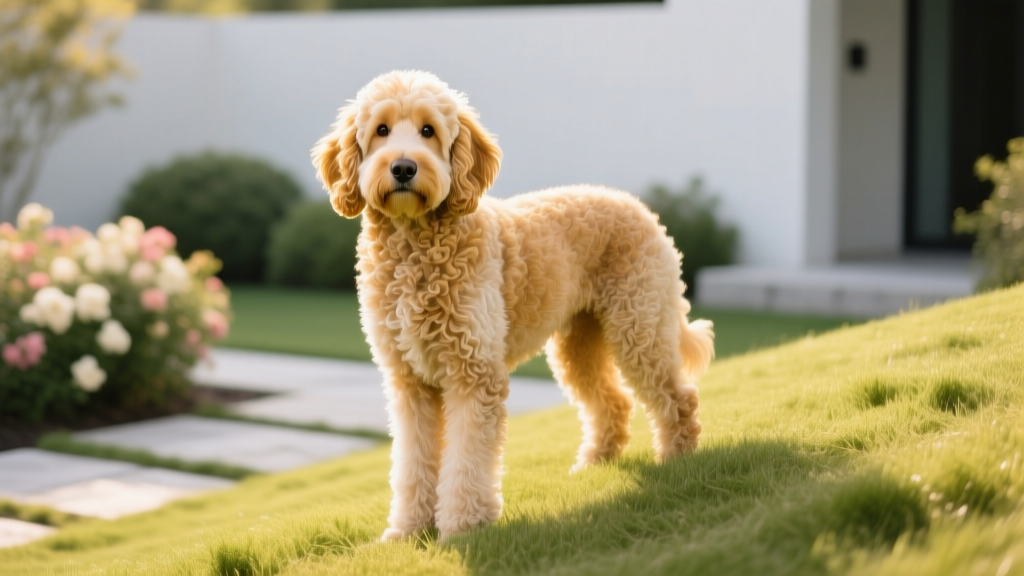
The Poodle Golden Retriever Mix: Two Beloved Breeds, One Unpredictable Pup
The poodle golden retriever mix — widely known as the Goldendoodle — is one of the most popular designer dogs in the United States. First intentionally bred in the late 1960s and gaining mainstream traction in the 1990s, this cross was originally developed to create a guide dog suitable for handlers with allergies. Today, Goldendoodles are family companions, therapy dogs, and emotional support animals found in households across the country.
But here's what every prospective owner needs to understand before bringing one home: a poodle golden retriever mix is not a breed. It's a crossbreed, and that means individual puppies from the same litter can look, behave, and shed very differently from one another. This guide breaks down exactly what you can expect — and what you can't.
Parent Breed Breakdown: What Goes Into a Goldendoodle
Every trait in a poodle golden retriever mix traces back to one of two parent breeds. Understanding each parent's characteristics helps you anticipate what your dog might inherit.
| Trait | Golden Retriever | Poodle (Standard) |
|---|---|---|
| AKC Group | Sporting | Non-Sporting |
| Weight Range | 55–75 lb (25–34 kg) | 40–70 lb (18–32 kg) |
| Height at Shoulder | 21.5–24 in (55–61 cm) | 15+ in (38+ cm) for Standard |
| Coat Type | Double coat, water-repellent | Single coat, curly, continuously growing |
| Shedding Level | Heavy seasonal shedder | Minimal shedding |
| Energy Level | High — needs 60+ min/day | High — needs 60+ min/day |
| Trainability | Excellent (eager to please) | Excellent (highly intelligent) |
| Typical Lifespan | 10–12 years | 12–15 years |
| Common Health Issues | Hip dysplasia, cancer, heart disease | Hip dysplasia, Addison's disease, bloat |
Both parent breeds rank among the most intelligent dogs according to AKC intelligence rankings. The Golden Retriever is known for its gentle mouth, love of water, and "soft" temperament. The Standard Poodle is athletic, alert, and often more reserved with strangers. Your poodle golden retriever mix will land somewhere on this spectrum — but exactly where is a gamble.
Understanding Goldendoodle Generations: F1, F1B, F2, and Multigen
Not all poodle golden retriever mixes are created equal. The generation of a Goldendoodle significantly affects coat type, shedding, and predictability of traits. Reputable breeders will always tell you which generation a puppy belongs to.
Generation Explainer
- F1 (First Generation): 50% Golden Retriever × 50% Poodle. Most genetically diverse. Coat can be flat, wavy, or curly. Shedding is unpredictable — some F1s shed heavily, others minimally.
- F1B (First Generation Backcross): 75% Poodle × 25% Golden Retriever (an F1 bred back to a Poodle). Higher likelihood of a curly, low-shedding coat. More predictable for allergy sufferers but still not guaranteed hypoallergenic.
- F1BB (Double Backcross): 87.5% Poodle × 12.5% Golden Retriever. Closest to a Poodle in coat and build. Lowest shedding risk among common generations.
- F2 (Second Generation): F1 × F1. Highly variable — this is where you see the widest range of coat types and sizes in a single litter. Some breeders avoid F2 pairings due to unpredictability.
- F2B: F1 × F1B or F2 × Poodle. Often wavy to curly coats with moderate predictability.
- Multigen (F3+): Goldendoodle bred to Goldendoodle for multiple generations. Most predictable traits, but requires a breeder who health-tests across generations. True multigen lines are relatively rare.
If low shedding is a priority for your household, an F1B or F1BB generation offers the best odds — but no dog is truly hypoallergenic. Allergens are found in dander, saliva, and urine, not just fur. Always spend time with a specific puppy or its parents before committing.
Size, Weight, and Height: How Big Will a Poodle Golden Retriever Mix Get?
Size in a poodle golden retriever mix depends heavily on which size Poodle was used in the cross. Golden Retrievers only come in one size, but Poodles come in three: Standard, Miniature, and Toy. This creates three general Goldendoodle size categories.
| Size Category | Poodle Parent Used | Weight Range | Height at Shoulder |
|---|---|---|---|
| Standard Goldendoodle | Standard Poodle | 50–90 lb (23–41 kg) | 20–26 in (51–66 cm) |
| Medium Goldendoodle | Moyen/Klein Poodle or small Standard | 30–50 lb (14–23 kg) | 17–20 in (43–51 cm) |
| Miniature Goldendoodle | Miniature Poodle | 15–35 lb (7–16 kg) | 13–17 in (33–43 cm) |
| Toy Goldendoodle | Toy Poodle | 10–20 lb (5–9 kg) | 10–13 in (25–33 cm) |
Important note on variability: Even within a single litter of Standard Goldendoodles, you might see puppies that mature to 50 lb and siblings that reach 85 lb. F1 and F2 litters tend to have the widest size variation. Multigen lines are more consistent. Ask the breeder for the weight and height of both parents and, if possible, previous litters from the same pairing.
Coat Types, Colors, and the Shedding Question
The coat your poodle golden retriever mix inherits is one of the most visible — and variable — traits. There are three main coat types you'll encounter:
- Flat/Straight Coat: Resembles the Golden Retriever parent. More common in F1 litters. Moderate to heavy shedding. Easier to maintain but not suitable for allergy-sensitive homes.
- Wavy/Shaggy Coat: The most common Goldendoodle coat type. Loose waves, moderate shedding. Requires brushing 3–4 times per week and professional grooming every 8–10 weeks.
- Curly Coat: Resembles the Poodle parent. Most common in F1B and multigen dogs. Lowest shedding. Requires daily brushing and professional grooming every 6–8 weeks to prevent matting.
Common coat colors include cream, gold, apricot, red, chocolate, black, parti (two-tone), and abstract (mostly one color with white patches). Color does not correlate with temperament or health.
Temperament: What to Expect (and What Might Surprise You)
Both parent breeds are known for intelligence, friendliness, and trainability. Most poodle golden retriever mixes inherit a combination of these traits, but the specific blend varies.
Best-Case Temperament Profile
A well-bred, well-socialized Goldendoodle is typically outgoing, eager to please, gentle with children, sociable with other dogs, and highly responsive to positive reinforcement training. They excel as therapy dogs, service dogs, and family companions. Their intelligence means they learn commands quickly — often within 5–10 repetitions for basic cues.
Challenging Temperament Scenarios
Some Goldendoodles inherit the Poodle's wariness of strangers, which can manifest as nervousness or fear-based reactivity if not properly socialized during the critical 3–14 week puppy window. Others inherit the Golden Retriever's exuberant mouthiness, which can be problematic around small children. Separation anxiety is relatively common in this cross — both parent breeds are people-oriented and can struggle when left alone for long periods.
Trait Variability at a Glance
| Trait | Leans Golden Retriever | Leans Poodle | Middle Ground |
|---|---|---|---|
| Stranger Friendliness | Loves everyone immediately | Reserved, warms up slowly | Polite but not overly enthusiastic |
| Energy Expression | Bouncy, retriever-style fetching | Agility-oriented, puzzle-loving | Enjoys both fetch and brain games |
| Sensitivity | Forgiving, resilient | Highly sensitive to tone/environment | Moderately sensitive |
| Vocalization | Moderate barking | Can be vocal, alert barking | Occasional alert barker |
| Water Affinity | Obsessed with swimming | Varies — some enjoy, some avoid | Generally likes water |
Regardless of where your dog falls on this spectrum, early socialization (exposure to diverse people, surfaces, sounds, and environments before 16 weeks) and consistent positive reinforcement training are the strongest predictors of a well-adjusted adult dog. Avoid aversive tools like shock collars or prong collars, which can increase fear-based reactivity — particularly in the more sensitive, Poodle-leaning individuals.
Health Considerations: Hybrid Vigor Myth vs. Reality
One of the most persistent claims about designer crosses is that "hybrid vigor" eliminates health problems. This is misleading. While outcrossing can reduce the risk of recessive genetic diseases that are common in a single breed, a poodle golden retriever mix can still inherit any condition that affects either parent breed.
Conditions Inherited from Both Parents
- Hip and Elbow Dysplasia: Both Golden Retrievers and Standard Poodles carry risk for developmental joint disorders. The Orthopedic Foundation for Animals (OFA) reports hip dysplasia prevalence of approximately 20% in Golden Retrievers and 12% in Standard Poodles. Responsible breeders screen both parents with OFA or PennHIP evaluations.
- Progressive Retinal Atrophy (PRA): A degenerative eye disease leading to blindness. Both breeds carry the gene. DNA testing (prcd-PRA) is available and both parents should be cleared.
- Gastric Dilatation-Volvulus (Bloat): Deep-chested dogs are at higher risk. Standard-sized Goldendoodles fall into this category. Know the emergency signs: distended abdomen, unproductive retching, restlessness. This is a life-threatening emergency requiring immediate veterinary surgery.
Conditions from the Golden Retriever Side
- Cancer: Golden Retrievers have one of the highest cancer rates among dog breeds, with hemangiosarcoma and lymphoma being particularly prevalent. Studies estimate up to 60% of Golden Retrievers die from cancer.
- Heart Disease: Subvalvular aortic stenosis (SAS) is a congenital heart condition found in Goldens. A veterinary cardiologist should clear breeding stock.
Conditions from the Poodle Side
- Addison's Disease: An autoimmune condition affecting the adrenal glands. More common in Poodles than the general dog population. Symptoms include lethargy, vomiting, increased thirst, and shaking.
- Sebaceous Adenitis: A skin condition causing hair loss and scaling. Found primarily in Poodles and Poodle mixes.
- Epilepsy: Idiopathic epilepsy has a hereditary component in Poodles. Onset typically occurs between 6 months and 5 years.
Grooming, Exercise, and Daily Care Requirements
The grooming workload for a poodle golden retriever mix is significant and should not be underestimated. Budget both time and money before committing.
Grooming by Coat Type
| Coat Type | Home Brushing | Professional Grooming Interval | Estimated Annual Grooming Cost |
|---|---|---|---|
| Flat/Straight | 2–3 times/week | Every 10–12 weeks (optional) | $300–$500 |
| Wavy/Shaggy | 3–4 times/week | Every 8–10 weeks | $500–$800 |
| Curly | Daily or every other day | Every 6–8 weeks | $700–$1,200 |
Professional grooming sessions for a Standard Goldendoodle typically cost $75–$150 per visit depending on your region, coat condition, and the groomer's experience with doodle coats. Matted coats may incur additional de-matting fees of $20–$50 or require a full shave-down.
Exercise Needs
Regardless of coat type, Goldendoodles inherit high energy from both parent breeds. Plan for:
- Standard Goldendoodles: 60–90 minutes of daily exercise, including at least one structured walk and off-leash play or fetch sessions
- Medium Goldendoodles: 45–75 minutes daily
- Miniature Goldendoodles: 30–60 minutes daily
Mental stimulation is equally important. Puzzle feeders, scent work, trick training sessions, and interactive toys like the Kong Classic or Outward Hound Nina Ottosson puzzles help prevent boredom-driven behaviors like destructive chewing or excessive barking.
Cost Breakdown: Purchase Price, First-Year Expenses, and Lifetime Budget
The financial commitment of a poodle golden retriever mix extends well beyond the initial purchase price. Here's a realistic 2026 breakdown.
| Expense Category | Estimated Cost Range |
|---|---|
| Puppy from responsible breeder (health-tested parents) | $2,000–$5,000 |
| Adoption from Goldendoodle-specific rescue | $300–$800 |
| Initial veterinary setup (vaccines, microchip, spay/neuter) | $500–$1,200 |
| First-year supplies (crate, bed, leash, bowls, toys) | $200–$500 |
| Annual food cost (quality kibble or fresh food) | $600–$1,500 |
| Annual grooming (based on coat type) | $300–$1,200 |
| Annual preventive medications (heartworm, flea/tick) | $200–$500 |
| Pet insurance (annual premium) | $400–$900 |
| Estimated first-year total (purchased puppy) | $4,500–$10,800 |
| Estimated annual cost after year one | $1,500–$4,600 |
Breeder vs. Rescue: Where to Find Your Dog
Responsible breeders health-test both parent breeds (not just "vet checked"), raise puppies in their home with early neurological stimulation (ENS) protocols, provide a written health guarantee of at least two years, and have a take-back clause requiring the dog be returned to them if you can no longer care for it at any point in its life. Expect waitlists of 3–12 months for well-bred litters.
Rescue options exist through organizations like IDOG Rescue (Illinois Dobermann/Goldendoodle Rescue), Doodle Rescue Collective, and local breed-specific rescues. Rescue Goldendoodles are typically adults, often surrendered due to owner lifestyle changes. Adoption fees are lower, and many dogs arrive already spayed/neutered, microchipped, and vetted. This is an equally valid and often rewarding path.
Who Is the Poodle Golden Retriever Mix Best Suited For?
This cross thrives in specific household environments and can struggle in others. Here's an honest assessment.
Ideal Homes
- Active families with children: Goldendoodles are generally patient and playful with kids, though puppies should always be supervised with children under 5 due to mouthiness and size
- First-time dog owners willing to invest in training: Their intelligence and eagerness to please make them forgiving of handler mistakes, but they still need structured training
- Homes with moderate allergy sensitivity: F1B or multigen individuals with curly coats may work for mild allergy sufferers — but this is never guaranteed
- People seeking a therapy or service dog candidate: Their temperament and trainability make them strong candidates for therapy work and some service dog tasks
- Households where someone is home often: This cross bonds closely and is prone to separation anxiety if left alone 8+ hours daily
Less Ideal Homes
- Very small apartments without outdoor access: Standard Goldendoodles need space and regular outdoor exercise
- Households with severe dog allergies: Even low-shedding Goldendoodles produce allergens in saliva and dander
- Owners unwilling to commit to regular grooming: Neglected Goldendoodle coats mat painfully and lead to skin infections
- Homes where the dog will be crated or isolated for long workdays: This is a social breed that deteriorates without companionship
Frequently Asked Questions
What two breeds make up a Goldendoodle?
A Goldendoodle is a cross between a Golden Retriever and a Poodle (Standard, Miniature, or Toy, depending on the desired size of the offspring). The specific Poodle size used determines whether the resulting dog is a Standard, Medium, Miniature, or Toy Goldendoodle.
How big will my poodle golden retriever mix get?
Standard Goldendoodles typically weigh 50–90 lb (23–41 kg) and stand 20–26 inches tall. Medium versions range from 30–50 lb, Miniatures from 15–35 lb, and Toy versions from 10–20 lb. The exact adult size depends on the Poodle parent's size and individual genetic variation. Even within one litter, size can vary by 20+ pounds.
What is the temperament of a Goldendoodle?
Most Goldendoodles are friendly, intelligent, and trainable, inheriting the best traits of both parent breeds. However, individual temperament ranges from the Golden Retriever's gregarious, everyone-is-my-friend style to the Poodle's more discerning, alert nature. Early socialization during the 3–14 week window is the single most important factor in shaping a confident, well-adjusted adult.
Is the poodle golden retriever mix low-shedding or hypoallergenic?
It depends on the generation and coat type. F1B and multigen Goldendoodles with curly coats shed the least. F1 Goldendoodles with flat or wavy coats may shed moderately to heavily. No dog is truly hypoallergenic — allergic reactions are triggered by proteins in dander and saliva, not just fur. Spend time with the specific dog before committing if allergies are a concern.
What health issues might a Goldendoodle inherit?
Goldendoodles can inherit conditions from either parent breed, including hip dysplasia, elbow dysplasia, progressive retinal atrophy (PRA), bloat (GDV), cancer (from the Golden Retriever line), Addison's disease, sebaceous adenitis, and epilepsy (from the Poodle line). The concept of "hybrid vigor" reducing health risks has some basis in genetic diversity, but it does not eliminate risk. Health-tested parents are the most important factor.
How much does a Goldendoodle cost in 2026?
A Goldendoodle puppy from a responsible breeder who health-tests both parents typically costs $2,000–$5,000. Adoption through a rescue organization costs $300–$800. First-year expenses including veterinary care, supplies, food, and grooming bring the realistic total to $4,500–$10,800 for a purchased puppy. Annual ongoing costs range from $1,500–$4,600 depending on grooming needs and veterinary care.
How long do Goldendoodles live?
Most Goldendoodles live 10–15 years. Miniature and Toy varieties tend toward the longer end of that range (12–15 years), while Standard Goldendoodles average 10–13 years. Lifespan is influenced by genetics, diet, exercise, preventive veterinary care, and cancer risk inherited from the Golden Retriever parent.
Jonas Cole
All our authors care for dogs every day — read more of their work on the authors page.


