Plott Hound Dog: The Complete Rare Breed Guide for Prospective Owners
Everything you need to know about the Plott Hound dog — origin, temperament, health risks, exercise needs, cost.
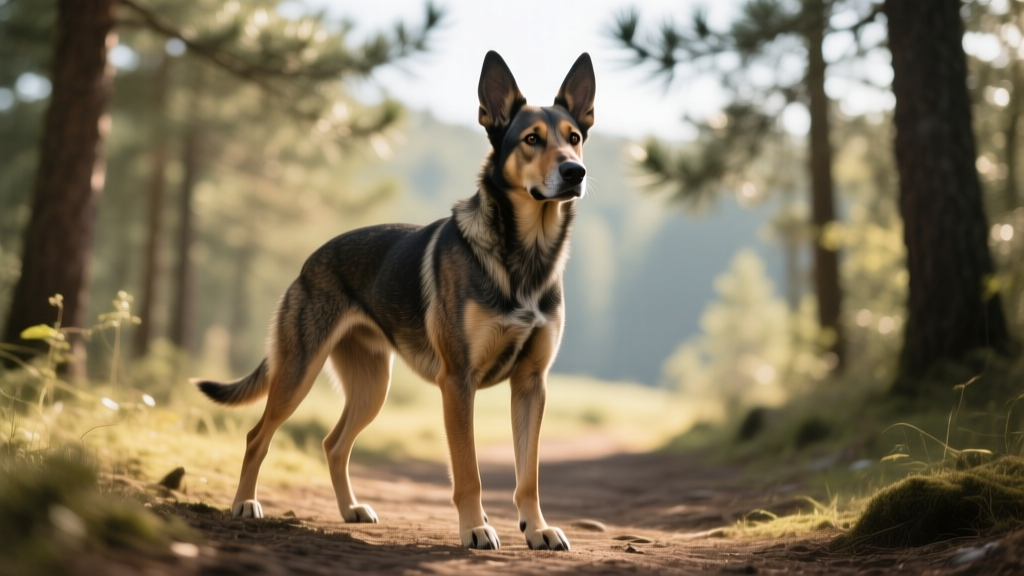
The Plott Hound Dog: North Carolina's Hidden Gem
If you've never heard of the Plott Hound dog, you're not alone. Outside the Appalachian Mountains and the tight-knit community of coonhound and boar-hunting enthusiasts, this brindle-coated powerhouse remains one of America's best-kept secrets. The Plott Hound is the official state dog of North Carolina, yet it ranks 181st out of 201 breeds on the AKC's popularity list — making it genuinely rare even among registered purebreds.
This isn't a breed you'll find at your local dog park or browsing the average rescue website. The Plott Hound dog was forged in the rugged terrain of the Great Smoky Mountains for one purpose: tracking and holding wild boar. That heritage shapes everything about the breed today — from its fearless temperament to its extraordinary endurance to the specific health and lifestyle considerations any prospective owner must understand.
Whether you're a seasoned hound person considering your next hunting companion or a curious dog lover drawn to the breed's striking brindle coat and reputation for loyalty, this guide covers what you actually need to know before bringing a Plott into your life.
Origin Story: From German Hanovers to Carolina Mountains
The Plott Hound's origin story is one of the most distinctive in American dog breeding — and it begins not in the United States, but in Germany.
- 1750s — Hanover, Germany: The Plott family (originally "Plott" or "Platte") bred Hanoverian Hounds — large, powerful scent hounds used for tracking wild boar and deer in German forests. These dogs were known for their gameness (willingness to engage dangerous game) and deep, resonant bark.
- 1750 — Emigration to America: Johannes Plott (sometimes recorded as "George Plott") emigrated to the American colonies, reportedly bringing several of his family's hunting dogs with him. Historical records from this period are sparse, and some details are believed rather than definitively documented.
- Late 1700s–1800s — North Carolina Mountains: The Plott family settled in what is now Haywood County, North Carolina. The original German hounds were selectively bred with local cur-type dogs and possibly other hound breeds to adapt to the demands of hunting black bear and wild boar in Appalachian terrain. The breed developed its signature brindle coloring and compact, muscular build during this period.
- Early 1900s — Von Plott Refinement: Von Plott (a descendant) is credited with further refining the breed by crossing in local hounds that added speed and treeing ability, while maintaining the gameness and brindle coat the family prized.
- 1946 — UKC Recognition: The United Kennel Club officially recognized the Plott Hound, giving the breed its first formal registry status.
- 2006 — AKC Recognition: The American Kennel Club admitted the Plott Hound into the Hound Group, making it one of the most recently recognized breeds in the AKC's history.
What makes this origin story remarkable is that the Plott Hound dog is one of the very few breeds developed entirely within the United States with a traceable family lineage spanning over 250 years. Unlike most American breeds, which emerged from broader regional breeding programs, the Plott was essentially a family project — the Plott family controlled and refined the bloodline for generations before opening it to outside breeders.
Today, the breed is recognized by the AKC (Hound Group, 2006), the UKC (1946), and the FCI (Group 6, Scent Hounds). Despite this recognition, the Plott remains uncommon outside hunting circles.
Physical Profile: Built for the Mountains
| Attribute | Specification |
|---|---|
| Weight (Male) | 50–60 lb / 23–27 kg |
| Weight (Female) | 40–55 lb / 18–25 kg |
| Height (Male) | 20–25 in / 51–64 cm at withers |
| Height (Female) | 20–23 in / 51–58 cm at withers |
| Lifespan | 12–14 years |
| Coat | Short, smooth, glossy; brindle (most common), solid black, black with brindle trim, buckskin |
| Energy Level | Very high — 90+ minutes of vigorous exercise daily |
| Grooming | Low — weekly brushing, occasional baths |
| Family Fit | Experienced owners; active families with older children; not ideal for first-time owners |
The Plott Hound dog is immediately recognizable by its brindle coat — a striped or streaked pattern typically featuring shades of brown, tan, and black. While brindle is the hallmark coloring (and the most prized among hunters), the AKC standard also accepts solid black, black with brindle trim, and buckskin.
Physically, the Plott is more compact and athletic than many coonhound breeds. Where a Bluetick Coonhound might appear rangy and loose-limbed, the Plott is dense and muscular — built for pushing through dense underbrush and holding ground against aggressive game. The chest is deep, the back is strong and slightly arched, and the tail is carried in a saber-like curve. The head is moderately broad with a confident, alert expression, and the ears are medium-length and hang close to the head.
One distinctive feature that surprises people unfamiliar with the breed: the Plott's feet. They have notably tough, well-padded paws with strong, arched toes — an adaptation from generations of working on rocky, uneven mountain terrain. This makes them remarkably sure-footed, but it also means their nails wear differently than softer-terrain breeds, and regular nail maintenance is important if they're not actively hunting or hiking on abrasive surfaces.
Temperament: What Surprises New Owners
The Plott Hound dog has a temperament that catches many first-time owners off guard — in both directions.
Surprise #1: Intensity at home. People expect a hunting hound to be hyperactive indoors. In reality, a well-exercised Plott is often a calm, almost lazy house dog. They tend to find a spot and settle, following their person from room to room without demanding constant attention. This "off-switch" ability is something many owners describe as a revelation — but it only activates if the dog's exercise needs are genuinely met. A Plott that hasn't had adequate physical and mental output will become destructive, vocal, and difficult to manage indoors.
Surprise #2: Wariness with strangers. Unlike many hound breeds that greet everyone as a potential friend, Plotts tend to be reserved and watchful with unfamiliar people. They're not typically aggressive, but they don't warm up quickly. Early and ongoing socialization is critical — not because the breed is naturally hostile, but because an under-socialized Plott can develop fear-based reactivity that's difficult to counter-condition in a 55-pound dog with a powerful bite.
Surprise #3: Vocalization. The Plott Hound dog has a distinctive, deep, carrying bark — developed to communicate with hunters across mountain valleys. In a suburban or urban setting, this bark can be a serious problem. Plotts will bark at wildlife, unfamiliar sounds, approaching vehicles, and perceived intruders. If you have close neighbors or live in an apartment, this breed is almost certainly not a good fit. The vocalization is instinctive and cannot be trained away without potentially causing stress; it can only be managed through adequate exercise and environmental enrichment.
Surprise #4: Prey drive and same-sex aggression. Plotts were bred to engage physically with wild boar — animals that fight back. This translates into a prey drive that is among the highest in the hound group, and many Plotts display same-sex dog aggression, particularly male-to-male. This doesn't mean they can't live with other dogs, but it does mean introductions must be carefully managed, and multi-dog households should consider opposite-sex pairings. Small pets (cats, rabbits, small dogs) are at genuine risk with an untrained Plott.
Special Care Requirements
- Exercise: Minimum 90 minutes of vigorous activity daily — hiking, running, swimming, scent work. Off-leash time only in securely fenced areas (prey drive makes recall unreliable around wildlife).
- Mental stimulation: Scent-tracking games, puzzle feeders, structured sniff walks. A bored Plott will create its own entertainment, often destructively.
- Fencing: Minimum 6-foot fence, with no-climb or lean-in tops recommended. Plotts are athletic climbers and diggers. Underground fence barriers extending 12–18 inches below ground prevent escape tunneling.
- Coat care: Weekly brushing with a rubber curry brush (Kong ZoomGroom or similar). Bathing only as needed — over-bathing strips natural oils from their short coat. Shedding is moderate year-round.
- Ear care: Weekly ear checks and cleaning with a veterinarian-approved ear wash. Their pendant ears trap moisture, making them prone to yeast and bacterial ear infections, especially in humid climates.
- Nail maintenance: Trim every 2–3 weeks if not wearing down naturally on rough terrain. Overgrown nails can alter gait and contribute to joint stress.
- Dental: Daily brushing or dental chews approved by the Veterinary Oral Health Council (VOHC). Plotts are prone to periodontal disease like most medium-to-large breeds.
- Nutrition: High-quality AAFCO-certified kibble or balanced raw diet. Active adult Plotts typically need 1,400–1,800 calories daily; adjust based on body condition score (BCS). Working/hunting dogs may need 2,000+ calories with higher fat content (20–25% fat).
The single most important care consideration for the Plott Hound dog is exercise. This is not a breed that does well with a 20-minute walk around the block. Plotts need sustained, vigorous activity that engages both their body and their nose. Hiking, trail running, bikejoring, and structured scent work (like barn hunt or tracking trials) are ideal outlets. If you cannot commit to 90+ minutes of real exercise daily, this breed will not thrive in your home.
For owners in hot climates, exercise timing matters. Plotts tolerate heat reasonably well thanks to their short coat, but their dark brindle coloring absorbs solar radiation, and their deep chest makes them susceptible to heat-related stress during intense exertion. Exercise during early morning or evening hours in summer, and always carry water on outings longer than 30 minutes.
Breed-Specific Health Concerns
The Plott Hound dog benefits from what geneticists call a relatively closed gene pool with careful historical selection — meaning the breed has fewer widespread genetic disorders than some more popular breeds. However, several conditions warrant attention:
| Condition | Description | Prevalence/Notes |
|---|---|---|
| Hip Dysplasia | Malformation of the hip joint leading to arthritis and mobility issues | Moderate prevalence in the breed; OFA screening recommended for all breeding stock |
| Gastric Dilatation-Volvulus (GDV/Bloat) | Life-threatening stomach torsion; deep-chested breeds are at elevated risk | Plotts are a deep-chested breed; prophylactic gastropexy during spay/neuter is strongly recommended. Emergency — call vet immediately if symptoms appear. |
| Otitis Externa (Ear Infections) | Bacterial or yeast infection of the external ear canal | Very common due to pendant ear structure; especially prevalent in humid climates and in dogs that swim frequently |
| Hypothyroidism | Underactive thyroid gland causing weight gain, lethargy, coat changes | Reported in the breed; manageable with daily levothyroxine supplementation |
| Exercise-Induced Collapse (EIC) | Genetic condition causing weakness and collapse after intense exercise | Rare but documented; DNA test available through University of Minnesota Veterinary Genetics Lab |
Gastric Dilatation-Volvulus (GDV) is a life-threatening emergency. If your Plott Hound shows any of these signs, contact your veterinarian or an emergency clinic immediately — do not wait:
- Distended or swollen abdomen
- Unproductive retching or vomiting (trying to vomit but nothing comes up)
- Excessive drooling
- Restlessness and pacing
- Rapid heart rate or pale gums
- Weakness or collapse
GDV can kill within hours. Always consult your veterinarian about prophylactic gastropexy (surgically tacking the stomach to the abdominal wall) during your Plott's spay or neuter procedure. This preventive surgery costs $300–$600 when performed alongside spay/neuter and dramatically reduces GDV risk. Emergency GDV surgery, by contrast, costs $3,000–$7,000 and carries a 15–30% mortality rate even with treatment.
Responsible Plott Hound breeders should provide OFA (Orthopedic Foundation for Animals) hip clearances and thyroid panel results for both parent dogs. The OFA database is publicly searchable, so you can verify health testing claims independently. For breeding stock, EIC DNA testing is also recommended.
How the Plott Hound Compares to Similar Breeds
If you're considering a Plott Hound dog, you're likely also looking at other coonhound or cur-type breeds. Here's how the Plott stacks up against two commonly compared breeds:
| Trait | Plott Hound | Bluetick Coonhound | Black Mouth Cur |
|---|---|---|---|
| AKC Recognition | Yes (2006) | Yes (2009) | No (UKC only) |
| Weight Range | 40–60 lb | 45–80 lb | 35–60 lb |
| Primary Game | Boar, bear | Raccoon, opossum | Squirrel, boar, cattle |
| Prey Drive Intensity | Very high | High | High |
| Stranger Friendliness | Reserved | Friendly | Reserved |
| Same-Sex Aggression Risk | Moderate-High | Low-Moderate | Moderate |
| Trainability | Moderate (independent thinker) | Moderate | Moderate-High |
| Exercise Needs | 90+ min/day | 60–90 min/day | 90+ min/day |
| Typical Puppy Cost | $500–$1,500 | $600–$1,200 | $300–$800 |
The key differentiator is the Plott's combination of boar-hunting gameness and stranger wariness. The Bluetick Coonhound is generally more sociable and was bred for treeing smaller game (raccoon), making it somewhat easier for novice owners. The Black Mouth Cur shares the Plott's versatility and wariness but lacks AKC recognition, which can affect access to conformation shows and some organized dog sports.
If you want a hound that can genuinely hold its own against a 200-pound boar and still be a loyal family dog at home — and you have the experience to manage a strong-willed, high-drive animal — the Plott Hound dog occupies a niche no other breed quite fills.
Finding a Plott Hound: Availability, Cost, and Breeder Red Flags
The Plott Hound dog is genuinely rare outside the southeastern United States. The majority of breeders are located in North Carolina, Tennessee, Virginia, and Georgia, and most breed primarily for hunting performance rather than conformation showing. This has practical implications for prospective buyers:
Where to find Plott Hound puppies:
- AKC Marketplace — Lists registered litters, but selection is limited. Expect 2–5 litters nationally at any given time.
- National Plott Hound Association (NPHA) — The breed's parent club maintains a breeder referral list. This is generally the most reliable starting point.
- UKC-registered breeders — Many working Plott breeders register exclusively with the UKC. These dogs may not have AKC papers but are often from proven hunting lines.
- Breed-specific rescues — Plott Hound rescue organizations occasionally have adult dogs available. Coonhound rescue groups (such as Coonhound Companions) sometimes take in Plotts as well.
Typical cost breakdown:
- Puppy from a reputable breeder: $500–$1,500 (hunting lines often at the lower end; AKC conformation lines at the higher end)
- First-year veterinary costs (vaccinations, spay/neuter, heartworm prevention): $800–$1,500
- Quality food (annual): $500–$800
- Secure fencing (if needed): $2,000–$5,000 for a suitable yard enclosure
- Estimated first-year total: $3,800–$8,800
Breeder red flags to watch for:
- No OFA hip clearances on parent dogs (or inability to provide OFA certificate numbers you can verify)
- Puppies available year-round with multiple litters simultaneously (sign of volume breeding)
- Unwillingness to let you visit the breeding facility and meet the dam
- No take-back clause in the contract (responsible breeders require you to return the dog to them if you can no longer keep it)
- Prices significantly above $2,000 (the breed's rarity doesn't justify premium pricing — high prices often signal a backyard breeder capitalizing on scarcity)
Is the Plott Hound Right for Your Family?
The honest answer for most first-time dog owners: probably not. The Plott Hound dog requires an owner who understands prey drive management, who can provide serious daily exercise, and who has the patience to work with an independent, strong-willed dog using positive reinforcement methods rather than force-based techniques that will damage the dog's trust and potentially trigger defensive aggression.
However, the Plott can be an outstanding family dog for the right household. They are typically gentle and protective with children they're raised with, deeply loyal to their people, and capable of forming bonds that owners describe as almost uncanny in their depth. If you're an active person or family who spends significant time outdoors — hiking, camping, hunting, trail running — and you have secure property and experience with strong dogs, the Plott Hound dog may be exactly the companion you've been looking for.
The breed's rarity means that finding the right puppy or rescue dog may take patience — potentially 6 to 12 months of waiting for a well-bred litter. Use that waiting period productively: read about hound training, set up your fencing, connect with Plott owners through breed-specific Facebook groups and forums, and prepare your home for a dog that will demand the best of you — and reward you for it.
Frequently Asked Questions
Where did the Plott Hound dog originate and what was it bred for?
The Plott Hound originated from Hanoverian Hounds brought from Germany to North Carolina in the 1750s by the Plott family. Over generations, these dogs were selectively bred in the Appalachian Mountains for hunting wild boar and black bear — requiring a combination of tracking ability, physical courage, and stamina that defines the breed today.
How rare is the Plott Hound today?
The Plott Hound ranks 181st out of 201 AKC-recognized breeds in registration popularity. While not critically endangered, finding a well-bred puppy often requires a 6–12 month wait, and breeders are concentrated primarily in the southeastern United States. Outside this region, encountering a Plott Hound in everyday life is uncommon.
What makes the Plott Hound different from similar-looking breeds?
The Plott is distinguished by its brindle coat (unique among coonhounds), its compact and muscular build (compared to the rangier Bluetick or Redbone), its boar-hunting heritage (most coonhounds were bred for treeing smaller game), and its reserved temperament with strangers. The combination of gameness, athleticism, and wariness sets the Plott apart from more gregarious hound breeds.
Is the Plott Hound suitable for families or first-time owners?
The Plott Hound is generally not recommended for first-time dog owners due to its high exercise needs, strong prey drive, potential same-sex aggression, and independent temperament. However, experienced owners with active lifestyles and secure property often find the breed to be an excellent family companion, particularly with children they're raised alongside. Early socialization and consistent positive reinforcement training are essential.
What special care does the Plott Hound require?
Beyond the standard 90+ minutes of daily vigorous exercise, Plotts require regular ear cleaning (weekly) to prevent infections, secure 6-foot fencing, careful management around small animals due to prey drive, and proactive bloat prevention (including discussion of prophylactic gastropexy with your veterinarian). Their grooming needs are minimal — weekly brushing and occasional baths suffice.
How much does a Plott Hound typically cost?
Expect to pay $500–$1,500 for a puppy from a reputable breeder. First-year total costs (including veterinary care, food, fencing, and supplies) typically range from $3,800 to $8,800. Ongoing annual costs for an adult Plott are approximately $1,200–$2,000 for food, preventive veterinary care, and supplies.
Tom Renshaw
All our authors care for dogs every day — read more of their work on the authors page.


