Pitbull Size Guide: How Big Do Pit Bulls Actually Get?
Complete pitbull size guide covering adult weight, height, growth timelines, and breed variations.
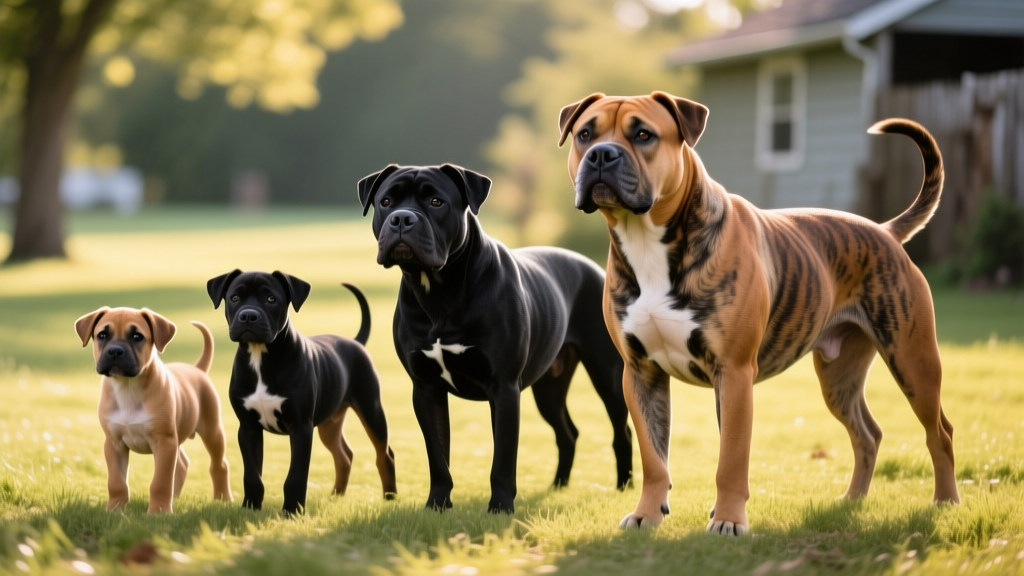
Understanding Pitbull Size: What Owners Need to Know
When people search for "pitbull size," they're often surprised to learn there isn't a single answer. The term "pit bull" actually encompasses several distinct breeds and mixes, each with different size expectations. Whether you're considering bringing home an American Pit Bull Terrier, American Staffordshire Terrier, or a pit bull-type mix, understanding realistic size ranges helps you plan for everything from crate sizing to daily food portions.
Breed Overview: Origin and Size Classification
Pit bull-type dogs trace their origins to 19th-century England, where bulldogs and terriers were crossed to create versatile working dogs. These breeds immigrated to America with settlers, evolving into distinct types recognized by different kennel clubs. The United Kennel Club (UKC) officially recognized the American Pit Bull Terrier in 1898, while the American Kennel Club (AKC) recognizes the closely related American Staffordshire Terrier.
Size classification places most pit bulls in the medium-to-large breed category. They're muscular, athletic dogs that pack significant strength into relatively compact frames. Unlike giant breeds that continue growing for 18-24 months, most pit bulls reach their adult height by 12-15 months, though they may continue filling out and gaining muscle mass until 2-3 years old.
| Characteristic | Specification |
|---|---|
| Weight Range | 30-85 lb (14-39 kg) |
| Height Range | 17-21 inches (43-53 cm) |
| Size Class | Medium to Large |
| Lifespan | 12-16 years |
| Coat Type | Short, smooth, single coat |
| Energy Level | High (requires 60-90 minutes daily) |
| Grooming Needs | Low (weekly brushing) |
| Family Fit | Excellent with proper training and socialization |
Physical Characteristics: Breaking Down Pitbull Size by Breed
The confusion around pitbull size stems from the umbrella term covering multiple breeds. Here's how the main pit bull-type breeds break down:
American Pit Bull Terrier (UKC): The original "pit bull" typically weighs 30-60 pounds (14-27 kg) and stands 17-21 inches (43-53 cm). Males tend toward the higher end, females the lower. These are the most athletic and agile of the group.
American Staffordshire Terrier (AKC): Slightly stockier, weighing 40-70 pounds (18-32 kg) and standing 17-19 inches (43-48 cm). They often appear more muscular and broader-chested than APBTs.
Staffordshire Bull Terrier: The smallest of the group at 24-38 pounds (11-17 kg) and 14-16 inches (36-41 cm). Despite their compact size, they're incredibly strong for their stature.
American Bully: The newest breed (recognized by UKC in 2013) varies dramatically by type. Standard American Bullies weigh 70-120 pounds (32-54 kg), while XL varieties can reach 80-150+ pounds (36-68+ kg). Pocket varieties stay under 50 pounds (23 kg).
Coat characteristics remain consistent across all types: short, smooth, stiff-to-the-touch hair that lies close to the body. Colors vary widely—brindle, blue, red, fawn, black, white, and countless combinations. The coat requires minimal maintenance but does shed moderately year-round.
Temperament & Personality: What Shapes Behavior Beyond Size
While pitbull size influences practical considerations like space requirements and food costs, temperament matters far more for daily life. These breeds share several core behavioral traits:
1. Human-Oriented and Affectionate: Pit bulls form intense bonds with their people. They're notorious "velcro dogs" who follow owners room-to-room and insist on physical contact. Many owners report their pit bulls believing they're lap dogs regardless of actual size—a 70-pound American Staffy will happily try to curl up in your lap.
2. High Energy and Play Drive: These are athletic dogs who need outlets. Expect enthusiastic play sessions, zoomies, and a love for interactive games like flirt pole, tug, and fetch. Without adequate exercise, that energy redirects into destructive behaviors—chewed furniture, dug-up yards, or excessive barking.
3. Confidence and Resilience: Bred historically for tenacity, pit bulls tend to be bold and recover quickly from startling events. This confidence serves them well in new situations but requires owners who can provide clear boundaries and consistent training.
4. Dog Selectivity (in Many Individuals): While not universal, many pit bulls show dog-selective or dog-aggressive tendencies, particularly toward same-sex dogs. This isn't a flaw—it's a breed characteristic requiring management. Successful multi-dog households with pit bulls typically involve opposite-sex pairings, careful introductions, and ongoing supervision.
5. Trainability with Positive Methods: Pit bulls are intelligent and food-motivated, making them highly trainable with positive reinforcement. They excel in dog sports like weight pull, agility, and obedience. However, they can be stubborn and may test boundaries, especially during adolescence (6-18 months).
Exercise & Activity Needs: Matching Activity to Size and Energy
Pit bull-type dogs require substantial daily exercise regardless of their specific size. A 40-pound American Pit Bull Terrier and a 70-pound American Staffordshire Terrier have similar exercise needs—it's more about breed energy than body mass.
Daily Exercise Requirements: 60-90 minutes minimum
Break this into multiple sessions:
- Morning: 20-30 minute brisk walk or jog
- Afternoon: 15-20 minute high-intensity play (flirt pole, fetch, tug)
- Evening: 20-30 minute training session or second walk
High-intensity activities burn energy more efficiently than leisurely walks. A 15-minute flirt pole session (a toy attached to a rope on a pole, moved erratically to simulate prey) can tire a pit bull more effectively than an hour of slow walking. Brands like Squishy Face Studio and Fable Pets make durable flirt poles in the $25-40 range designed specifically for strong dogs.
Mental stimulation matters as much as physical exercise. Puzzle feeders (Kong Wobbler, Outward Hound Nina Ottosson puzzles, $15-30), scent work games, and training sessions prevent boredom. Many pit bull owners report that 20 minutes of training tires their dogs more than 30 minutes of walking.
Apartment living is feasible with pit bulls if exercise needs are met consistently. However, access to secure outdoor space makes management easier. Always use secure fencing—pit bulls are athletic climbers and diggers. A 6-foot fence with no gaps is recommended, and never leave pit bulls unattended in yards for extended periods.
Common Health Issues: Size-Related and Breed-Specific Concerns
While generally healthy, pit bull-type dogs face several health conditions. Larger individuals within the breed spectrum face increased joint stress, while all pit bulls share certain genetic predispositions.
Always consult your veterinarian for diagnosis and treatment of any health condition. The information below is for educational purposes only.
| Condition | Prevalence | Description | Management |
|---|---|---|---|
| Hip Dysplasia | 20-25% (OFA data) | Malformation of hip joint causing arthritis | Weight management, joint supplements, surgery in severe cases |
| Skin Allergies/Atopy | 30-40% | Environmental or food allergies causing itching, hot spots | Allergy testing, medicated shampoos, Apoquel/Cytopoint |
| Demodectic Mange | Higher than average | Mite overgrowth causing hair loss, skin infections | Oral/topical parasiticides (Simparica Trio, Bravecto) |
| Knee Issues (ACL/CCL Tears) | Common in athletic dogs | Cranial cruciate ligament rupture | Surgery ($2,500-5,000), rehabilitation |
| Heart Disease | Moderate risk | Aortic stenosis, cardiomyopathy | Regular cardiac screening, medication if needed |
According to the Orthopedic Foundation for Animals, approximately 23.6% of American Pit Bull Terriers evaluated showed hip dysplasia. Responsible breeders screen breeding stock through OFA or PennHIP evaluations to reduce this prevalence.
Skin issues plague many pit bulls due to their short coats and genetic predisposition to allergies. Environmental allergens (pollen, dust mites, mold) and food sensitivities trigger itchy skin, ear infections, and hot spots. Monthly costs for allergy management can range from $50-200 depending on severity and treatment approach.
Grooming Requirements: Low-Maintenance Coat Care
One advantage of pit bull-type dogs is their minimal grooming needs. Their short, single coat doesn't mat or require professional grooming. However, regular maintenance keeps skin healthy and reduces shedding.
Weekly Brushing (5-10 minutes): Use a rubber curry brush like the Kong ZoomGroom ($8-12) or a bristle brush. This removes loose hair, distributes natural oils, and provides bonding time. During seasonal shedding increases (spring and fall), bump this to 2-3 times weekly.
Bathing (Monthly or As Needed): Pit bulls don't need frequent baths unless they get dirty. Over-bathing strips natural oils and can worsen skin issues. Use gentle, oatmeal-based shampoos formulated for sensitive skin. Earthbath Oatmeal & Aloe and Burt's Bees for Dogs Hypoallergenic Shampoo ($10-15) are good options.
Nail Trimming (Every 2-4 weeks): Active pit bulls may wear down nails naturally, but most need regular trimming. If you hear clicking on hard floors, nails are too long. Use guillotine-style or scissor-style clippers, or a Dremel grinder if your dog tolerates the noise.
Ear Cleaning (Monthly): Check ears weekly for redness, odor, or discharge. Clean monthly with a veterinary ear cleaner like Epi-Otic Advanced ($15-20) to prevent infections, especially in dogs prone to allergies.
Dental Care (Daily Ideal, 2-3x Weekly Minimum): Brush teeth with dog-specific toothpaste (never human toothpaste, which contains xylitol or fluoride toxic to dogs). Dental chews like VOHC-approved Greenies or Purina Dentalife can supplement brushing but don't replace it.
Training & Intelligence: Working with a Smart, Strong Breed
Pit bulls rank as above-average in intelligence and trainability. They learn quickly, retain training well, and excel in various dog sports. However, their combination of intelligence, strength, and occasional stubbornness requires specific approaches.
Recommended Training Methods: Positive reinforcement and force-free methods work exceptionally well with pit bulls. These dogs are sensitive despite their tough appearance and shut down with harsh corrections. Use high-value treats (small pieces of chicken, cheese, or commercial treats like Zuke's Mini Naturals), praise, and play as rewards.
Essential Training Priorities:
- Loose-leash walking: A 60-pound pit bull pulling on leash is unmanageable. Start leash training early using front-clip harnesses (Freedom No-Pull Harness, $30-40) and reward-based methods.
- Impulse control: Teach "leave it," "wait," and "drop it" for safety. Practice with increasing distractions.
- Recall (come when called): Critical for off-leash safety. Use long-lines (15-30 foot training leashes) to practice in controlled settings before attempting off-leash reliability.
- Socialization: Expose puppies to diverse people, environments, and (if appropriate) other dogs during the critical socialization window (3-14 weeks). Continue positive exposures throughout life.
Professional Training Investment: Group classes ($150-300 for 6-8 week courses) provide foundational skills and socialization. Private training ($75-150 per hour) addresses specific behavioral challenges. Given pit bulls' strength and the breed's public perception, investing in professional training pays dividends in safety and quality of life.
For detailed guidance on force-free training methods and finding certified trainers, visit the ASPCA's dog training resources.
Family Suitability: Kids, Other Pets, and Living Situations
Pit bulls can be exceptional family dogs, but success depends on proper management, training, and realistic expectations about the breed's characteristics.
With Children: Well-socialized pit bulls typically adore children and are patient, playful companions. However, their size and exuberance can accidentally knock over small children. Always supervise interactions between dogs and children under 10. Teach children appropriate dog interaction (no ear-pulling, no disturbing sleeping dogs, no approaching while eating).
With Other Dogs: This is where pit bulls present the most challenges. Many individuals show dog-selective or dog-aggressive tendencies, particularly after reaching social maturity (2-3 years). Same-sex aggression is more common. Successful multi-dog households typically involve:
- Opposite-sex pairings
- Careful, gradual introductions over weeks
- Ongoing supervision during interactions
- Separate resources (food bowls, beds, toys)
- Understanding that not all pit bulls will accept housemate dogs
With Cats and Small Animals: High prey drive is common in pit bulls. Some individuals live peacefully with cats they're raised with, but many will chase or attack small animals. Never leave pit bulls unsupervised with cats, rabbits, or other small pets unless you're absolutely confident in their prey drive management—and even then, proceed with caution.
Apartment Living: Pit bulls adapt well to apartments if exercise needs are met. They're typically quiet indoors (minimal barking) and enjoy lounging with their people. However, some apartment complexes and insurance companies restrict pit bull-type breeds. Check your lease agreement and renters insurance policy before committing.
Cost of Ownership: Budgeting for a Pit Bull
Pit bulls are relatively affordable compared to many purebred dogs, but responsible ownership requires budgeting for both initial and ongoing costs.
Puppy/Adoption Costs:
- Responsible breeder (health-tested parents, AKC/UKC registration): $1,000-2,500
- Breed-specific rescue: $300-500 (includes spay/neuter, vaccinations, microchip)
- Shelter adoption: $50-200
First-Year Expenses: $1,500-3,000
- Initial veterinary exam and vaccinations: $200-400
- Spay/neuter: $300-600 (if not included in adoption)
- Supplies (crate, bed, leash, harness, bowls, toys): $200-400
- Training classes: $150-300
- Food (quality kibble like Purina Pro Plan, Fromm, or Orijen): $400-800 annually
- Preventive medications (heartworm, flea/tick): $200-400 annually
Annual Ongoing Costs: $1,200-2,500
- Food: $400-800
- Preventive medications: $200-400
- Annual veterinary exams and vaccines: $200-400
- Toys, treats, supplies replacement: $150-300
- Pet insurance (recommended): $400-700 annually (companies like Healthy Paws, Trupanion, Lemonade)
Emergency Fund: Set aside $1,000-2,000 for unexpected veterinary costs. Pit bulls' active nature puts them at higher risk for injuries requiring emergency care. Pet insurance can offset these costs significantly—many policies cover 70-90% of emergency bills after deductibles.
Frequently Asked Questions About Pitbull Size
Is a pit bull a good choice for first-time dog owners?
Pit bulls can succeed with first-time owners who are committed to proper training, socialization, and exercise. However, their strength, energy, and potential dog-aggression make them more challenging than beginner-friendly breeds like Labrador Retrievers or Golden Retrievers. First-time owners should invest in professional training and be prepared for the breed's 10-15 year commitment.
How much daily exercise does a pit bull need?
Minimum 60-90 minutes daily, split into multiple sessions. This should include both physical exercise (walks, running, play) and mental stimulation (training, puzzle toys, scent work). Insufficient exercise leads to destructive behaviors and weight gain.
What health problems are pit bulls most prone to?
The most common issues are skin allergies (30-40% prevalence), hip dysplasia (20-25%), knee injuries (ACL tears), and demodectic mange. Regular veterinary care, weight management, and preventive screening help catch issues early. Purchase from breeders who health-test breeding stock through OFA evaluations.
How big will my pit bull get as an adult?
Most pit bull-type dogs reach 30-85 pounds (14-39 kg) and 17-21 inches (43-53 cm) at the shoulder. American Pit Bull Terriers tend toward 30-60 pounds, American Staffordshire Terriers 40-70 pounds, and American Bullies can exceed 100 pounds. Males are typically larger than females. Your dog's parents' sizes provide the best prediction.
Are pit bulls good with children and other pets?
Well-socialized pit bulls are typically excellent with children—patient, playful, and affectionate. However, their size and exuberance require supervision around small children. With other dogs, many pit bulls show selective or aggressive tendencies, particularly toward same-sex dogs. Cat compatibility varies by individual; many pit bulls have high prey drive. Always supervise multi-pet interactions.
How much does it cost to buy and maintain a pit bull?
Initial costs range from $50 (shelter adoption) to $2,500 (responsible breeder). First-year expenses total $1,500-3,000 including supplies, training, and veterinary care. Ongoing annual costs run $1,200-2,500 for food, preventives, routine veterinary care, and supplies. Pet insurance ($400-700 annually) is strongly recommended given the breed's injury risk.
Understanding realistic pitbull size expectations helps you prepare for life with these athletic, affectionate dogs. Whether you're drawn to a compact 35-pound American Pit Bull Terrier or a muscular 70-pound American Staffordshire Terrier, success comes from meeting their exercise needs, investing in positive training, and providing consistent veterinary care. For more information on responsible pit bull ownership, visit the American Kennel Club or connect with breed-specific rescues in your area.
Marcus Aldridge
All our authors care for dogs every day — read more of their work on the authors page.


