Pitbull Mastiff Breeders: Finding a Healthy Bandogge Puppy
Looking for pitbull mastiff breeders? Our complete guide covers Bandogge temperament, health, size, cost, and how to find a responsible breeder.
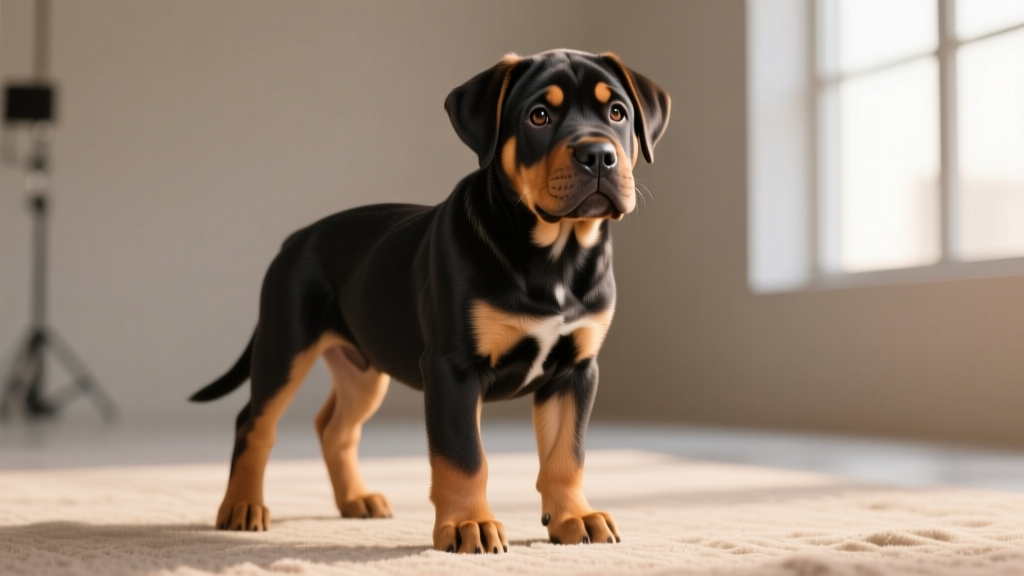
If you've typed "pitbull mastiff breeders" into your search bar at 2 a.m., you're not alone. The Pitbull Mastiff—more accurately called the American Bandogge (or Bandogge Mastiff)—is one of the most searched designer guardian breeds in the United States. It's a deliberate cross between the American Pit Bull Terrier and the Mastiff (usually the English Mastiff or Neapolitan Mastiff), engineered to blend the athleticism and drive of the pit bull with the sheer size and protective instinct of the mastiff.
This guide breaks down everything you need to know before contacting a breeder: what the breed actually is, what it costs, the health risks you should screen for, and how to separate responsible breeders from backyard operations.
What Is a Pitbull Mastiff (American Bandogge)?
The American Bandogge is not recognized by the American Kennel Club (AKC) as a distinct breed. It is a designer cross—typically an F1 (first-generation) cross between a purebred American Pit Bull Terrier and a purebred Mastiff. Some breeders produce multigenerational (F2, F3) lines to stabilize temperament and conformation.
The concept of the "bandog" dates back to medieval England, where the term described large, chained guardian dogs used to protect estates. The modern American Bandogge was developed in the 1960s and 1970s by U.S. breeders—most notably Dr. John Swinford—who aimed to create a versatile working guardian with stable temperament. The United Kennel Club (UKC) does not currently register the Bandogge as a standalone breed, though some registries like the American Bully Kennel Club (ABKC) have begun accepting related lines.
| Trait | Details |
|---|---|
| Size Class | Giant (large-to-giant depending on parentage) |
| Adult Weight | 75–140 lb / 34–64 kg (males); 60–100 lb / 27–45 kg (females) |
| Adult Height | 19–29 inches / 48–74 cm at the shoulder |
| Lifespan | 8–12 years |
| Coat Type | Short, smooth, single coat; moderate shedder |
| Energy Level | Moderate-to-high (45–90 min/day) |
| Grooming | Low maintenance; weekly brushing |
| Family Fit | Experienced homes only; supervision with children required |
Temperament & Personality: What Living With a Bandogge Is Really Like
The Bandogge's temperament is the primary reason people seek out pitbull mastiff breeders—and the primary reason many of those dogs end up in rescue. Understanding the real behavioral profile, not the marketing version, is critical.
1. Confident and Watchful. Bandogges are naturally alert guardians. They tend to position themselves between their owner and a stranger, and they watch doorways and windows. This isn't aggression—it's a working-dog instinct. A well-socialized Bandogge will assess a visitor, accept the owner's cue, and settle. A poorly socialized one will bark, lunge, or become difficult to manage.
2. Deeply Bonded to Family. These dogs form intense attachments. They follow owners room-to-room, lean against legs, and often choose one person as their primary bond. Separation anxiety is a genuine risk if left alone for 8+ hours daily without enrichment.
3. Dog Selective to Dog Aggressive. Mastiff genetics contribute territoriality, and pit bull genetics can contribute same-sex dog aggression. Many Bandogges do best as single-dog households or with careful, opposite-sex introductions. Dog parks are generally not recommended.
4. Intelligent but Strong-Willed. They learn commands quickly but will test boundaries. A Bandogge that hasn't been given consistent rules by 6 months of age will develop its own—and you won't like them.
5. Surprisingly Gentle When Trained. Well-bred, well-socialized Bandogges can be remarkably calm indoors. They're known for being "couch giants" once they've had adequate exercise.
Finding Reputable Pitbull Mastiff Breeders: Red Flags and Green Flags
Because the Bandogge isn't AKC-registered, the breeder landscape is unregulated and highly variable. Here's how to evaluate pitbull mastiff breeders with a critical eye:
✅ Green Flags (Good Breeder)
- Provides OFA or PennHIP hip and elbow scores for both parents
- Shows cardiac clearance (OFA cardiologist exam)
- Offers a written health guarantee (minimum 2 years for genetic conditions)
- Allows you to meet the dam (mother) on-site
- Asks you detailed questions about your experience, home, and lifestyle
- Requires a spay/neuter contract for pet-quality puppies
- Has a take-back clause (will take the dog back at any point in its life)
- Provides a vaccination and deworming record from a licensed veterinarian
🚩 Red Flags (Walk Away)
- "Rare color" pricing (blue, merle, lilac—often indicates health-linked color dilution)
- No health testing documentation, or only "vet checked" (not equivalent to genetic screening)
- Multiple litters available simultaneously or year-round
- Won't let you see where puppies are raised
- Pressure to pay a deposit before meeting the puppy
- No questions asked about your home or experience
- Puppies available before 8 weeks of age
- Prices significantly below market ($500 or less for a "Bandogge")
A responsible breeder will typically charge between $1,500 and $5,000 for a Bandogge puppy, with the higher end reflecting extensive health testing, titles on the parents (protection sport, conformation, or obedience), and multigenerational breeding programs. Some working-line breeders charge up to $7,500 for puppies from titled protection dogs.
Exercise & Activity Requirements
Bandogges need structured daily exercise, but they are not endurance athletes like German Shepherds or Border Collies. Their mastiff genetics mean they overheat quickly and have joint stress under high-impact activity, especially before skeletal maturity (18–24 months).
| Life Stage | Minutes/Day | Recommended Activities | Avoid |
|---|---|---|---|
| Puppy (8–12 months) | 30–45 min | Short leash walks, free play on grass, basic obedience games | Forced running, jumping, stairs |
| Adolescent (12–24 months) | 45–60 min | Brisk walks, flirt pole (low height), swimming, scent work | Agility jumps, long-distance running |
| Adult (2–7 years) | 60–90 min | Structured walks, weight pull (with proper harness), obedience drills, swimming | Exercise in heat over 80°F / 27°C |
| Senior (7+ years) | 30–45 min | Gentle walks, short sniff sessions, hydrotherapy if arthritic | High-impact or prolonged activity |
Mental exercise matters as much as physical. A Bandogge that only gets walked will develop nuisance behaviors (chewing, digging, excessive barking). Incorporate 15–20 minutes of training, puzzle feeders (like the Kong Classic or Outward Hound Nina Ottosson puzzles), or scent-work sessions daily.
Common Health Issues in the Pitbull Mastiff
The Bandogge inherits health risks from both parent breeds. While Merck Veterinary Manual notes that crossbreeds can benefit from hybrid vigor (reduced risk of recessive conditions), the Bandogge's giant size and mixed heritage create a specific risk profile. Always consult your veterinarian about breed-appropriate screening.
| Condition | Prevalence | Screening Method | Estimated Treatment Cost |
|---|---|---|---|
| Hip Dysplasia | ~25–40% (mastiff lines) | OFA/PennHIP radiograph ($200–$400) | $3,500–$7,000 per hip (surgery) |
| Elbow Dysplasia | ~15–20% | OFA elbow radiograph ($150–$300) | $2,500–$5,000 (surgery) |
| Dilated Cardiomyopathy (DCM) | ~5–10% (mastiff predisposition) | Echocardiogram ($400–$800) | $300–$800/month (lifelong medication) |
| Gastric Dilatation-Volvulus (Bloat) | ~6% lifetime risk (deep-chested dogs) | No screening; preventive gastropexy ($400–$1,200 at spay/neuter) | $3,000–$7,000 (emergency surgery) |
| Degenerative Myelopathy (DM) | Carrier rate ~10–15% | DNA test via Embark or UC Davis ($75–$199) | No cure; supportive care ($200–$500/month) |
If your Bandogge shows a distended abdomen, unproductive retching, restlessness, or pale gums, this is a life-threatening emergency. Go to the nearest emergency veterinary hospital immediately. Do not wait. Survival drops significantly after 6 hours without surgery.
Grooming, Training & Family Life
Grooming Requirements
The Bandogge's short, single coat is one of its lowest-maintenance features. Expect moderate shedding year-round with heavier seasonal sheds in spring and fall.
- Brushing: Weekly with a rubber curry brush (e.g., Kong ZoomGroom, ~$8) or bristle brush
- Bathing: Every 6–8 weeks or as needed; use a gentle canine shampoo (avoid human products)
- Nail trimming: Every 3–4 weeks; overgrown nails alter gait and stress joints—especially important for a heavy dog
- Ear cleaning: Check weekly; clean with a vet-approved ear wash if waxy buildup occurs
- Dental care: Daily brushing ideal; at minimum, use dental chews (VOHC-approved products like Greenies or CET chews) 3–4 times per week
- Skin fold care (if mastiff-heavy): Dogs with facial wrinkles need daily wiping with chlorhexidine wipes to prevent fold dermatitis
Training & Intelligence
Trainability rating: 7/10 (highly intelligent but independent; requires confident, consistent handling).
The Bandogge responds best to positive reinforcement and force-free training methods. These dogs are sensitive to their handler's emotional state and will shut down or become defensive under harsh correction. Recommended approaches:
- Marker-based training (clicker or verbal "yes") paired with high-value food rewards (freeze-dried liver, boiled chicken)
- Engagement-based obedience—build drive and focus before asking for duration
- Early socialization (8–16 weeks is the critical window): expose to 100+ people, surfaces, sounds, and environments. The American Veterinary Society of Animal Behavior (AVSAB) recommends structured puppy socialization classes before full vaccination
- Professional trainer recommended for first-time Bandogge owners—budget $600–$1,500 for a 6–8 week group class series or $80–$150 per private session
Never use shock collars, prong collars, or alpha rolls on a Bandogge. Aversive methods with a powerful guardian breed can trigger defensive aggression—the exact opposite of what you want.
Family Suitability
With children: A well-socialized Bandogge raised with children can be gentle and protective. However, due to their size (a 120 lb dog can accidentally knock over a toddler) and guarding instincts, supervision is mandatory at all times. They are not recommended for homes with children under 8 unless the dog was raised in that environment from puppyhood.
With other pets: Same-sex dog aggression is common. Cat tolerance varies by individual—early exposure improves odds. Small animals (rabbits, chickens) should not be left unsupervised due to prey drive from the terrier lineage.
Apartment living: Possible for lower-energy individuals, but a fenced yard (minimum 6-foot fence) is strongly preferred. Their guardian instinct means they will bark at hallway noises in apartments, and many landlords and insurance companies restrict pitbull-type and mastiff-type dogs.
Cost of Ownership: Budgeting for a Bandogge
The purchase price is just the beginning. Here's a realistic annual cost breakdown for 2026:
| Category | Low Estimate | Average | High Estimate |
|---|---|---|---|
| Puppy Purchase | $1,500 | $2,500 | $7,500 |
| Food (large/giant breed formula) | $720/yr | $1,200/yr | $1,800/yr |
| Routine Vet Care (exams, vaccines, heartworm) | $400/yr | $650/yr | $900/yr |
| Pet Insurance | $600/yr | $960/yr | $1,440/yr |
| Grooming Supplies & Dental Care | $100/yr | $200/yr | $350/yr |
| Training (first year) | $200 | $600 | $1,500 |
| Gear (crate, bed, leash, harness) | $200 | $400 | $700 |
| First-Year Total | $3,720 | $6,510 | $14,190 |
Emergency fund recommendation: Set aside $2,000–$5,000 for unexpected veterinary costs, particularly bloat surgery or orthopedic issues. Pet insurance (providers like Trupanion, Healthy Paws, or Nationwide) can offset major medical expenses, but premiums for giant breeds are higher than average.
Frequently Asked Questions About Pitbull Mastiff Breeders
Is the Bandogge right for first-time dog owners?
Generally, no. The combination of guardian instinct, high strength, dog selectivity, and the need for confident, consistent training makes this breed a better fit for owners with prior experience handling large, powerful dogs. If you are a first-time owner strongly considering a Bandogge, commit to professional training from day one and seek a breeder who prioritizes temperament over size.
How much exercise does a Bandogge need daily?
Adult Bandogges need 60–90 minutes of structured activity per day, split into two sessions. This includes leash walks, training games, and low-impact play. Avoid high-impact exercise (running on hard surfaces, jumping) until the dog is at least 18–24 months old and has been cleared by your vet for full activity.
What health problems is the Bandogge prone to?
The top concerns are hip dysplasia (25–40% prevalence in mastiff lines), elbow dysplasia (15–20%), dilated cardiomyopathy (5–10%), gastric dilatation-volvulus or bloat (~6% lifetime risk), and degenerative myelopathy. Reputable pitbull mastiff breeders will provide OFA/PennHIP scores and cardiac clearances for both parents.
How big does a Pitbull Mastiff get?
Males typically weigh 75–140 lb (34–64 kg) and stand 19–29 inches (48–74 cm) at the shoulder. Females are smaller, at 60–100 lb (27–45 kg). Size varies significantly depending on whether the mastiff parent is an English Mastiff (larger) or a smaller mastiff type.
Is the Bandogge good with children and other pets?
With children: yes, when raised together and always supervised. Their size alone makes them risky around toddlers. With other dogs: many Bandogges are dog selective or same-sex aggressive and do best as the only dog. Cat tolerance varies individually. Never leave any dog unsupervised with young children.
How much does a Bandogge cost to buy and maintain?
Puppy prices range from $1,500 to $7,500 depending on breeder reputation, health testing, and parent titles. Annual maintenance costs average $2,500–$4,000 per year after the first year (excluding emergencies). First-year costs including the puppy typically run $3,700–$14,200.
Should I adopt instead of buying from a breeder?
Absolutely. Breed-specific rescues like ASPCA-affiliated shelters, American Pit Bull Terrier rescues, and mastiff rescue organizations frequently have Bandogge-type dogs. Adoption fees ($200–$500) typically include spay/neuter, vaccinations, and microchipping. However, adult Bandogges in rescue often have unknown histories, so a professional behavioral assessment is recommended before introducing them to homes with children or other pets.
This article is for informational purposes only and does not replace professional veterinary advice. Always consult your veterinarian for breed-specific health screening, dietary recommendations, and behavioral concerns. The information in this guide reflects data available as of 2026 and may change as new research emerges.
Tom Renshaw
All our authors care for dogs every day — read more of their work on the authors page.


