Parson Jack Russell Dogs: Breed Guide for Prospective Owners
Everything about Parson Jack Russell dogs: history, temperament, health risks, exercise needs, costs, and how they compare to the Jack Russell Terrier.
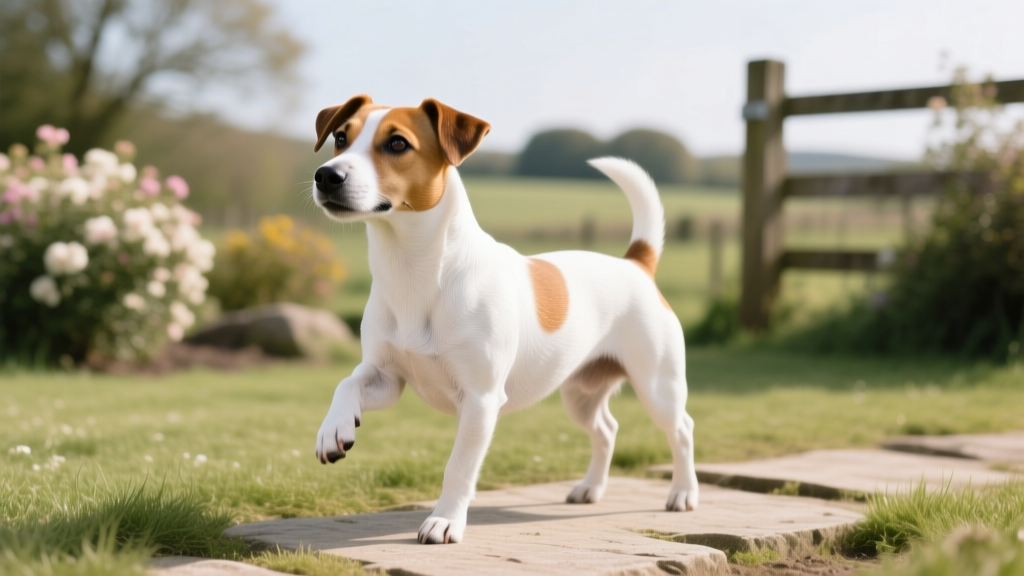
Meet the Parson Jack Russell: A Terrier With Purpose and Personality
If you've ever watched a small, athletic dog launch itself after a tennis ball with the focus of an Olympian, you've probably seen a Parson Russell Terrier in action. Often confused with the shorter-legged Jack Russell Terrier, Parson Jack Russell dogs are the original, longer-legged working terrier developed in 19th-century England for fox hunting. They're fast, fearless, and relentlessly intelligent — a combination that makes them extraordinary companions for the right household and a challenging mismatch for the unprepared.
This guide breaks down everything you need to know before bringing a Parson Russell into your life: their origin, physical standards, temperament surprises, breed-specific health data, real costs, and how they stack up against similar terriers.
Origin Story: From English Fox Hunts to Family Living Rooms
1800s — Devon, England: Reverend John "Jack" Russell, an Anglican parson and avid fox hunter, began breeding a specific type of white working terrier at his parish in Swimbridge, Devon. His goal was a dog fast enough to keep pace with mounted fox hunts and small enough to bolt foxes from their dens without engaging in prolonged underground fighting.
1860s–1880s: Russell's terriers gained recognition among huntsmen across southern England. He reportedly bred for working ability over appearance, prioritizing a dog that could run alongside hounds and had the courage to face a cornered fox. According to breed historians, Russell acquired his foundational terrier, a white dog with tan markings named "Trump," while studying at Oxford in the 1820s.
1904: Arthur Heinemann, a follower of Russell's breeding program, drafted the first formal breed standard after Russell's death in 1883. Heinemann's Parson Jack Russell Terrier Club emphasized the longer-legged type — dogs proportioned to run above ground with the hunt.
1990: The UK Kennel Club officially recognized the Parson Russell Terrier as a distinct breed, separating it from the shorter-legged Jack Russell Terrier.
1997: The American Kennel Club (AKC) recognized the Parson Russell Terrier, initially placing it in the Terrier Group under the name "Jack Russell Terrier" before renaming it in 2003 to reflect the longer-legged standard.
2001: The Fédération Cynologique Internationale (FCI) granted full recognition to the Parson Russell Terrier under Group 3 (Terriers), Section 2 (Small-sized Terriers).
The breed was purpose-built for a specific job: run with the foxhounds, locate the fox's den, and either bolt it or hold it at bay until the huntsman arrived. This working heritage explains virtually everything about the modern Parson Russell — the stamina, the prey drive, the digging, the vocalization.
Physical Profile: What Sets Parson Jack Russell Dogs Apart
| Attribute | Parson Russell Terrier Standard |
|---|---|
| Weight | 13–17 lb (6–7.7 kg) |
| Height at Withers | Males: 14 in (36 cm); Females: 13 in (33 cm) — tolerance of ±1 in |
| Body Proportion | Slightly longer than tall — ratio approximately 10:9 |
| Lifespan | 13–15 years (some live to 17+) |
| Coat Types | Smooth, broken, or rough — all weather-resistant |
| Colors | Predominantly white with tan, black, or tricolor markings |
| Energy Level | Very high — 60–90+ minutes of vigorous daily exercise |
| Grooming Needs | Low (smooth) to moderate (rough/broken — hand-stripping 2–4 times yearly) |
| Family Fit | Active families with older children; not ideal for sedentary or first-time owners |
The single most distinguishing physical feature of Parson Jack Russell dogs is their leg length relative to body depth. The AKC standard specifies that the distance from the withers to the elbow should approximately equal the distance from the elbow to the ground — giving them a balanced, square-underneath appearance. By contrast, the Jack Russell Terrier (recognized separately by the AKC since 2016) has noticeably shorter legs with a body-depth-to-leg-length ratio that favors a lower, more rectangular silhouette.
Other distinctive features include a flat skull with a moderate stop, V-shaped ears that fold forward close to the head, a muscular neck that flows into well-angled shoulders, and a tail traditionally docked to approximately 4 inches (though undocked tails are increasingly common and accepted in conformation).
Temperament: What Surprises New Owners
Experienced terrier handlers know what they're signing up for. First-time Parson Russell owners, however, consistently report being caught off guard by three things:
1. The intensity of prey drive. A Parson Russell that spots a squirrel, rabbit, or even a large beetle will lock on with a single-minded focus that makes recall nearly impossible without extensive training. This isn't disobedience — it's centuries of selective breeding for quarry pursuit. Off-leash freedom in unfenced areas is risky for most Parson Russells regardless of training level.
2. Problem-solving persistence. These dogs don't just open doors — they figure out latches, unzip partially open bags, dig under fence gaps, and learn to exploit any inconsistency in household rules. Owners report Parson Russells watching them operate gates and then replicating the technique within days.
3. Vocal range and volume. Parson Russells are not quiet dogs. They bark at doorbells, passing dogs, leaves blowing across the yard, and perceived intrusions on their territory. The bark is sharp, repetitive, and carries well — a trait that served them underground when alerting the huntsman but can strain neighborly relations in apartments or townhouses.
On the positive side, Parson Jack Russell dogs are deeply bonded to their people, eager to participate in any activity, and remarkably trainable when motivated. They excel in agility, earthdog trials, barn hunt, flyball, and advanced obedience — provided training sessions are short, varied, and reward-based. Positive reinforcement methods work exceptionally well; aversive tools like shock collars or prong collars tend to escalate terrier stubbornness into outright resistance.
Exercise and Mental Stimulation: The Non-Negotiable Requirement
The minimum daily exercise requirement for an adult Parson Russell is 60–90 minutes of vigorous activity — and that's the floor, not the ceiling. A quick walk around the block will not satisfy this breed. Here's what actually works:
- Morning: 30-minute brisk walk or jog with structured sniffing time
- Midday: 15–20 minutes of interactive play (flirt pole, fetch, tug with rules)
- Evening: 20–30 minutes of structured activity — agility practice, scent work, earthdog training, or a long hike
Mental stimulation is equally critical. Puzzle feeders (Kong Wobbler, Outward Hound Nina Ottosson puzzles), scent discrimination games, and trick training sessions burn cognitive energy that physical exercise alone cannot address. Understimulated Parson Russells develop destructive behaviors — chewing drywall, digging through flooring, shredding furniture — often within 48 hours of insufficient activity.
Daily Care Checklist for Parson Jack Russell Dogs
- ✅ 60–90 minutes of physical exercise (minimum)
- ✅ 15–20 minutes of structured mental enrichment
- ✅ Two meals of AAFCO-complete small-breed formula (½–¾ cup total daily for a 15 lb dog)
- ✅ Fresh water available at all times — especially post-exercise
- ✅ Secure yard check — scan for new dig spots, fence gaps, or gate latch issues
- ✅ Quick coat brush (smooth) or comb-through (rough/broken) 2–3 times weekly
- ✅ Teeth brushing or dental chew — this breed is prone to early tartar buildup
Breed-Specific Health Concerns: What to Watch For
Parson Jack Russell dogs are generally robust, benefiting from their working-dog heritage and relatively small gene pool management by dedicated breeders. However, several conditions appear with notable frequency:
| Condition | Prevalence/Notes | Screening Recommendation |
|---|---|---|
| Primary Lens Luxation (PLL) | Autosomal recessive; estimated 5–10% of the breed are carriers. Typically presents between ages 3–7. Can lead to glaucoma and blindness if untreated. Surgical lens removal costs $1,500–$3,000 per eye. | DNA test available — all breeding stock should be tested. Ask breeders for OFA or Optigen PLL clearance certificates. |
| Patellar Luxation | Grade I–IV medial luxation; moderate prevalence in small terrier breeds. Higher risk in dogs from lines bred without orthopedic screening. | OFA patella evaluation — breeders should provide results. |
| Legg-Calvé-Perthes Disease | Avascular necrosis of the femoral head; typically presents in puppies 4–12 months old. More common in small terrier breeds. Surgical treatment (femoral head ostectomy) costs $1,500–$3,500. | No genetic test; diagnosis via radiograph. Responsible breeders avoid breeding affected lines. |
| Deafness (Congenital) | Associated with predominantly white coats; estimated 2–4% prevalence in predominantly white terrier breeds. Can be unilateral or bilateral. | BAER (Brainstem Auditory Evoked Response) testing for all puppies before placement. |
| Ataxia (Spinocerebellar) | Rare but documented in Parson Russell Terriers. Progressive neurological condition presenting as gait abnormality, typically in young adults. | No standard screening; avoid breeders with known ataxia in their lines. |
Always consult your veterinarian for breed-appropriate screening schedules. A baseline wellness exam at 6 months, annual exams through age 7, and biannual exams thereafter are recommended. Pet insurance premiums for a Parson Russell average $35–$55/month depending on coverage level and deductible — worth considering given the potential cost of PLL surgery or Legg-Calvé-Perthes treatment.
Parson Russell vs. Jack Russell Terrier vs. Russell Terrier: Clearing Up the Confusion
This is the single most common question prospective owners ask, and the confusion is understandable. Three closely related breeds share the "Russell" name, and they differ in meaningful ways:
| Trait | Parson Russell Terrier | Jack Russell Terrier (AKC) | Russell Terrier |
|---|---|---|---|
| Height | 13–14 in (33–36 cm) | 10–12 in (25–30 cm) — FCI standard | 10–12 in (25–30 cm) |
| Weight | 13–17 lb (6–7.7 kg) | 9–15 lb (4–6.8 kg) | 9–15 lb (4–6.8 kg) |
| Body Shape | Balanced, slightly longer than tall | Rectangular, longer body, shorter legs | Compact, rectangular |
| Original Purpose | Ran above ground with foxhounds | Worked underground (bolting fox) | Companion/adapted earthdog |
| AKC Recognition | 1997 (Terrier Group) | 2016 (Terrier Group) | 2012 (Terrier Group) |
| Energy Level | Very high | Very high | High |
| Apartment Suitability | Low — needs yard and space to run | Low — but slightly more adaptable | Moderate — most adaptable of the three |
The practical takeaway: if you want a terrier that can accompany you on long runs, hikes, and agility courses, the Parson Russell's longer legs and endurance-oriented build make it the better fit. If you prefer a slightly more compact dog that's still energetic but a touch more manageable in smaller spaces, the Jack Russell Terrier or Russell Terrier may suit better.
Finding a Parson Russell: Availability, Costs, and Breeder Red Flags
Parson Jack Russell dogs are moderately rare in the United States. The AKC ranked the Parson Russell Terrier #106 out of 201 recognized breeds in 2024 popularity rankings, and availability remains limited compared to mainstream terriers like the West Highland White Terrier or the Miniature Schnauzer.
Typical Pricing
- Well-bred puppy from a health-tested breeder: $1,500–$2,800
- Show-quality puppy from champion lines: $2,500–$4,000+
- Adult rescue/adoption: $200–$500 (through breed-specific rescues like the Parson Russell Terrier Association of America rescue network)
- First-year total ownership cost: $2,500–$4,500 (including puppy price, initial vet visits, vaccinations, spay/neuter, crate, gear, food, and training)
Breeder Red Flags — Walk Away If:
- The breeder cannot provide OFA patella and PLL DNA test results for both parents
- Puppies are available year-round with no waiting list
- The breeder sells through pet stores or third-party brokers
- No take-back clause in the contract (responsible breeders commit to taking the dog back at any point in its life)
- Puppies leave before 8–10 weeks of age
- The breeder breeds both Parson Russells and Jack Russells interchangeably without explaining the distinction
Your best starting points are the AKC Marketplace breeder listings and the Parson Russell Terrier Association of America (PRTAA), which maintains a breeder directory and code of ethics. Expect to join a waiting list of 3–12 months for a well-bred puppy.
Is a Parson Russell Right for Your Family?
Parson Jack Russell dogs thrive in active households where someone is home for significant portions of the day, where a securely fenced yard (minimum 5-foot fence with dig-proof barriers at the base) is available, and where the family views the dog as a full participant in outdoor activities.
Good fits: Active couples or families with children aged 8+, experienced terrier or working-dog owners, people involved in dog sports, rural or suburban homes with secure yards.
Poor fits: First-time dog owners without support from a trainer, apartment living without dedicated outdoor time, families with very young children (the breed's high energy and quick reflexes can accidentally knock over toddlers), households with cats or small pets (prey drive makes cohabitation risky), owners who work long hours away from home.
If you're a first-time owner drawn to this breed, invest in at least 6–8 weeks of professional positive-reinforcement training classes before bringing the puppy home, and commit to ongoing socialization through the critical window (8–16 weeks) and beyond.
Frequently Asked Questions About Parson Jack Russell Dogs
How rare are Parson Jack Russell dogs today?
Moderately rare. The AKC registers several hundred Parson Russell Terriers annually, and the breed ranks outside the top 100 in US popularity. Finding a well-bred puppy typically requires joining a breeder's waiting list. The breed is more common in the UK, where it originated.
Are Parson Jack Russell dogs good with children?
They can be excellent with respectful, older children (8+) who understand how to interact with dogs. They are not recommended for homes with toddlers due to their high energy and tendency to mouth or chase fast-moving objects. Supervision is always required.
Do Parson Russells shed a lot?
Smooth-coated Parson Russells shed moderately year-round with seasonal increases. Rough and broken coats shed less but require hand-stripping (pulling dead coat by hand) 2–4 times per year to maintain texture and prevent matting. Professional grooming for hand-stripping runs $60–$120 per session.
Can Parson Jack Russell dogs live in apartments?
It's possible but not ideal. Success requires a committed owner who provides 90+ minutes of outdoor exercise daily, access to nearby parks or trails, and a plan for managing barking (which can disturb neighbors). A house with a fenced yard is strongly preferred.
What's the difference between a Parson Russell and a Jack Russell?
The Parson Russell is taller (13–14 inches vs. 10–12 inches), more balanced in proportion, and was bred to run above ground with foxhounds. The Jack Russell Terrier is shorter-legged, more rectangular, and was bred for underground work bolting foxes from dens. Both share the same ancestral roots in Reverend John Russell's breeding program.
How long do Parson Jack Russell dogs live?
The typical lifespan is 13–15 years, with some individuals reaching 16–17 years or more. Longevity is supported by maintaining lean body condition (BCS 4–5 out of 9), regular veterinary care, and daily physical and mental exercise.
For breed-specific health screening recommendations, consult the Orthopedic Foundation for Animals (OFA) and your veterinarian. If you suspect your dog has ingested a toxic substance, contact the ASPCA Animal Poison Control Center at (888) 426-4435 immediately (consultation fee applies).
Aaron Whyte
All our authors care for dogs every day — read more of their work on the authors page.


