Original Breed Pug: Complete Profile, Care Guide & Health Facts
the original breed pug: history, temperament, health risks like BOAS, exact size data, grooming needs, and 2026 cost of ownership breakdown.
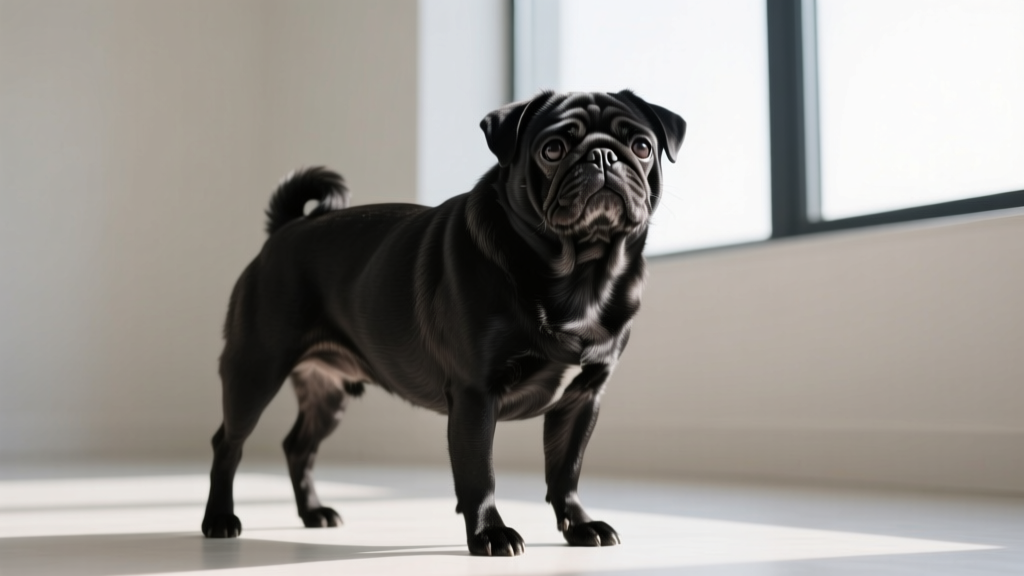
If you've ever locked eyes with a snoring, squishy-faced companion curled up on the couch and wondered what makes this breed tick, you're not alone. The original breed pug has charmed households for over two millennia, yet behind those soulful eyes lies a dog with specific care needs that prospective owners often underestimate. This profile covers the Pug's origins, physical standards, temperament quirks, and the health realities every owner should understand before bringing one home.
Origins and History of the Original Breed Pug
The Pug traces its lineage to ancient China, where Buddhist monks kept short-faced companion dogs as early as 700 BCE. These early "Happa" dogs were prized by Chinese emperors of the Shang and Zhou dynasties and were so valued that they were guarded by soldiers and lived in imperial quarters. The breed made its way to Europe in the 16th century via Dutch East India Company trade routes, eventually becoming the official dog of the House of Orange in the Netherlands after a Pug named Pompey reportedly saved William, Prince of Orange, from an assassin in 1572.
When William III and Mary II ascended to the British throne in 1688, they brought their Pugs with them, embedding the breed into English aristocratic culture. The American Kennel Club recognized the Pug in 1885, and the breed has maintained steady popularity in the United States ever since, consistently ranking in the top 30 most registered breeds.
The term "original breed pug" distinguishes the standard, AKC-recognized Pug from modern designer crosses like the "Puggle" (Pug × Beagle) or "Muggin" (Pug × Miniature Pinscher). The purebred Pug has remained remarkably consistent in appearance over centuries — a testament to deliberate, stable breeding practices.
Physical Characteristics and Breed Standards
The Pug is classified as a toy breed by the AKC, though many owners describe them as "big dogs in small bodies." They are compact, squarely built, and noticeably muscular for their size.
| Attribute | Specification |
|---|---|
| Weight (Adult) | 14–18 lb / 6.4–8.2 kg |
| Height (at withers) | 10–13 inches / 25–33 cm |
| Lifespan | 12–15 years |
| Coat Type | Short, smooth, double coat |
| Accepted Colors (AKC) | Fawn (silver, apricot) with black mask; solid black |
| Energy Level | Low to moderate |
| Grooming Frequency | Weekly brushing; daily wrinkle care |
| Family Fit | Excellent — apartments, families, seniors |
The Pug's most defining feature is its brachycephalic (flat-faced) skull structure. The muzzle is extremely short, blunt, and square, with large, round, dark eyes and small, thin ears that fold forward ("button" ears) or fold back ("rose" ears). The tail is tightly curled over the hip — a double curl is considered ideal by breed standards. The body should appear "multum in parvo" (much in little), meaning cobby, muscular, and substantial despite the small frame.
Temperament and Personality Traits
Pugs are not generic lap dogs — they have a distinct personality profile shaped by centuries of selective breeding for human companionship. Here are five core behavioral traits you can expect:
- Comically expressive: Pugs vocalize with grunts, snorts, yawns, and the occasional dramatic sigh. They "talk" to their owners constantly, and many develop signature sounds for mealtime, walk requests, or attention-seeking.
- Shadow-dog attachment: A Pug will follow you from room to room, including the bathroom. They do not do well with extended isolation and are prone to separation anxiety if left alone for more than 4–6 hours regularly.
- Food-motivated to a fault: This breed will eat until you stop offering food. Pugs lack typical satiety cues and will beg, counter-surf, and scavenge relentlessly. Obesity is a top health threat (more on this below).
- Stubborn but not unintelligent: Pugs understand commands quickly but often choose not to comply unless motivated. They score moderate-to-low on working/obedience intelligence rankings but excel in adaptive intelligence — they learn household routines and manipulate their owners effectively.
- Low prey drive and high social tolerance: Most Pugs show minimal interest in chasing cats, rabbits, or squirrels. They greet strangers with enthusiasm rather than suspicion, making them poor watchdogs but wonderful therapy dog candidates.
Exercise and Activity Requirements
Despite their stocky build, Pugs need structured daily activity to maintain a healthy weight and prevent joint stress. However, their brachycephalic anatomy imposes hard limits on what's safe.
| Activity | Duration | Notes |
|---|---|---|
| Morning walk | 15–20 minutes | Cool hours only; avoid midday heat above 75°F / 24°C |
| Evening walk | 15–20 minutes | Leisurely pace; allow sniffing breaks |
| Indoor play sessions | 10–15 minutes, 2× daily | Flirt pole, puzzle toys, short fetch in hallway |
| Training games | 5–10 minutes | Trick training counts as mental exercise |
Total daily target: 30–45 minutes of structured activity. This is not a jogging companion. Pugs overheat rapidly due to their compromised airways, and strenuous exercise in warm or humid conditions can trigger respiratory distress within minutes. Always carry water and watch for excessive panting, blue-tinged gums, or collapse — these are veterinary emergencies.
Common Health Issues in Pugs
Owning an original breed Pug means proactively managing a set of well-documented health predispositions. The following conditions are significantly more prevalent in Pugs than in the general dog population:
| Condition | Description | Estimated Prevalence |
|---|---|---|
| Brachycephalic Obstructive Airway Syndrome (BOAS) | Narrowed nostrils, elongated soft palate, and hypoplastic trachea restrict airflow. Symptoms: loud snoring, exercise intolerance, gagging, collapse. | ~50–70% of Pugs show clinically significant signs |
| Pug Dog Encephalitis (PDE / Necrotizing Meningoencephalitis) | Idiopathic (cause unknown) inflammatory brain disease causing seizures, blindness, and behavioral changes. Typically onset between 6 months and 7 years. | ~1.2% of Pugs; breed-specific genetic marker identified |
| Corneal Ulcers and Eye Injuries | Protruding eyes are vulnerable to scratches, dryness (keratoconjunctivitis sicca), and entropion (inward-rolling eyelids). | Up to 20% of Pugs experience corneal issues in their lifetime |
| Hip Dysplasia | Malformation of the hip joint causing arthritis and mobility decline, often evident by age 2–3. | ~7–10% based on OFA radiograph data |
| Obesity-Related Comorbidity | Excess weight exacerbates BOAS, joint disease, and diabetes risk. Pugs are among the most obesity-prone breeds. | Estimated 30–40% of pet Pugs are overweight (BCS ≥ 6/9) |
When to consult your veterinarian immediately: If your Pug exhibits labored breathing at rest, blue or gray gum color, sudden seizures, persistent squinting or eye discharge, or inability to bear weight on a hind leg. These are not "wait and see" situations.
Grooming, Wrinkle Care, and Maintenance Schedule
Pugs shed considerably more than most short-coated breeds. Their double coat releases hair year-round, with heavier seasonal blows in spring and fall. Here is a realistic grooming schedule:
| Task | Frequency | Recommended Tools / Products |
|---|---|---|
| Brushing | 2–3× per week | Rubber curry brush or de-shedding tool (e.g., Furminator Short Hair Small) |
| Facial wrinkle cleaning | Daily | Unscented pet wipe or damp cotton pad; dry thoroughly; apply thin layer of wrinkle balm (e.g., Squishface Wrinkle Paste) |
| Nail trimming | Every 2–3 weeks | Guillotine-style or scissor clipper; styptic powder on hand |
| Ear cleaning | Weekly | Veterinarian-formulated ear cleaner (e.g., Epi-Otic Advanced); cotton balls, never Q-tips |
| Bathing | Every 4–6 weeks or as needed | Oatmeal-based or hypoallergenic dog shampoo; avoid getting water in ear canals |
| Dental care | Daily brushing ideal; minimum 3× weekly | Enzymatic dog toothpaste (e.g., CET Poultry Flavor); finger brush or small-head toothbrush |
The facial folds are the single highest-maintenance feature. Moisture trapped in the wrinkles creates an environment for yeast (Malassezia) and bacterial infections. If you notice a foul odor, redness, or discharge from the folds, a veterinary visit is warranted — topical antifungal or antibiotic treatment may be needed.
Training and Intelligence
Pugs rank around 57th out of 138 breeds in Stanley Coren's working/obedience intelligence scale, meaning they typically require 25–40 repetitions to learn a new command and obey on the first attempt about 50% of the time. This does not mean they are "dumb" — it means they are independent thinkers bred for companionship, not working tasks.
What works: Short, positive reinforcement sessions (3–5 minutes, 2–3× daily) using high-value food rewards. Pugs respond excellently to marker-based training (clicker or verbal "yes!") paired with small, soft treats. Keep sessions playful and end before the dog loses interest.
What fails: Repetitive drilling, harsh corrections, or any aversive tools (shock collars, prong collars, alpha rolls). Pugs are sensitive to tone and will shut down or become avoidant under pressure. Force-free, LIMA (Least Intrusive, Minimally Aversive) methods produce the best long-term results.
Housebreaking is a known challenge with this breed — expect 4–6 months of consistent crate training and scheduled potty breaks before reliable indoor habits develop. Some Pugs never fully signal their need to go outside, so proactive scheduling (every 2–3 hours for adults) remains important.
Family Suitability: Kids, Pets, and Living Spaces
Pugs are among the most adaptable breeds for family life. Their small size, low exercise demands, and affectionate nature make them suitable for apartments, condos, and homes with small yards. They are not yard dogs and should never live outdoors — their temperature regulation is too poor for unsupervised outdoor living.
- Children: Generally excellent with children ages 6 and up who understand gentle handling. Pugs are sturdy enough to tolerate clumsy petting but their protruding eyes are vulnerable to accidental pokes. Always supervise interactions with toddlers.
- Other dogs: Most Pugs are highly social with other dogs and enjoy multi-dog households. Introduce properly and monitor initial play, as some Pugs can be pushy with more reserved breeds.
- Cats and small animals: Low prey drive makes cohabitation with cats straightforward in most cases. Supervise with rodents or birds out of caution, though incidents are rare.
- Apartment living: Ideal. Pugs are relatively quiet (they snore and grunt, but rarely bark excessively) and their exercise needs are easily met with short neighborhood walks.
Pros of Owning a Pug
- Deeply affectionate and people-oriented
- Excellent apartment dog — low space needs
- Good with children and other pets
- Minimal barking compared to other toy breeds
- Highly portable — easy travel companion
- Long lifespan (12–15 years typical)
Cons of Owning a Pug
- Heavy shedding despite short coat
- Daily wrinkle cleaning required
- High obesity risk — strict portion control needed
- BOAS may require surgical intervention ($2,000–$5,000)
- Prone to separation anxiety if left alone long hours
- Not suited for hot climates or intense exercise
Cost of Ownership: Purchase Price and Annual Budget
The cost of acquiring and maintaining a Pug varies based on source, location, and the dog's health profile. Below is a realistic 2026 cost breakdown for US-based owners:
| Expense Category | Estimated Cost Range |
|---|---|
| Puppy from responsible breeder (health-tested parents, AKC registered) | $1,500 – $3,500 |
| Adoption from breed-specific rescue | $300 – $600 |
| First-year veterinary care (vaccines, spay/neuter, initial exams) | $800 – $1,500 |
| Annual veterinary care (checkups, dental, preventive medications) | $600 – $1,200 |
| High-quality food (AAFCO complete-and-balanced, weight-appropriate) | $360 – $600/year ($30–$50/month) |
| Pet insurance (accident + illness, $250 deductible) | $40 – $70/month ($480 – $840/year) |
| Grooming supplies and wrinkle care products | $100 – $200/year |
| Potential BOAS surgery (if needed) | $2,000 – $5,000 one-time |
Realistic first-year total: $3,500 – $7,000+ depending on acquisition source and any health interventions. Ongoing annual costs typically range from $1,500 to $3,000. Budget-conscious owners should strongly consider pet insurance early — enrolling before any BOAS symptoms appear ensures coverage for future airway surgeries.
When seeking a breeder, ask for OFA hip and patella evaluations, a veterinary ophthalmologist eye exam, and documentation that the breeding dogs have been assessed for BOAS (many responsible Pug breeders now use the Cambridge BOAS grading system). Adoption through a Pug-specific rescue is an equally valid and often more affordable path.
Frequently Asked Questions
Is the original breed Pug right for first-time owners?
Yes, with caveats. Pugs are forgiving of training mistakes, eager for human company, and don't require advanced handling skills. However, first-time owners must be prepared for the daily wrinkle maintenance, strict feeding discipline, and the emotional and financial burden of potential BOAS treatment. If you're willing to commit to those specifics, a Pug is an excellent first dog.
How much exercise does a Pug need daily?
Adult Pugs need 30–45 minutes of structured activity per day, split into two short walks (15–20 minutes each) and one or two indoor play sessions. Puppies under 12 months should have shorter, more frequent play bursts (5–10 minutes, several times daily) to protect developing joints. Avoid exercise when temperatures exceed 75°F (24°C).
What health problems is the Pug breed prone to?
The most significant breed-specific risks are Brachycephalic Obstructive Airway Syndrome (BOAS), Pug Dog Encephalitis (PDE), corneal ulcers, hip dysplasia, and obesity-related complications. BOAS affects an estimated 50–70% of Pugs to some degree. Always consult your veterinarian for breed-appropriate screening — a baseline BOAS assessment and annual eye exams are strongly recommended.
How big does an adult Pug get?
Adult Pugs typically weigh 14–18 lb (6.4–8.2 kg) and stand 10–13 inches (25–33 cm) tall at the shoulder. Males tend toward the upper end of these ranges. Any Pug exceeding 20 lb (9 kg) is likely overweight and should have their body condition score evaluated by a veterinarian.
Is the Pug good with children and other pets?
Pugs are generally excellent family dogs. They are patient with respectful children (ages 6+), social with other dogs, and typically indifferent toward cats. Supervise young children to prevent accidental eye injuries, and always introduce new pets gradually using positive reinforcement.
How much does a Pug cost to buy and maintain?
Expect to pay $1,500–$3,500 for a responsibly bred puppy or $300–$600 through a breed rescue. Annual care costs range from $1,500–$3,000, with the first year often higher due to initial veterinary setup. Factor in potential BOAS surgery costs of $2,000–$5,000 if your dog develops significant airway obstruction.
Priya Sutaria
All our authors care for dogs every day — read more of their work on the authors page.


