Norwegian Elkhound Cost: Complete 2026 Price & Ownership Guide
How much does a Norwegian Elkhound cost in 2026? Breakdown of puppy prices, adoption fees, first-year expenses, and ongoing care costs for this rare Nordic spitz breed.
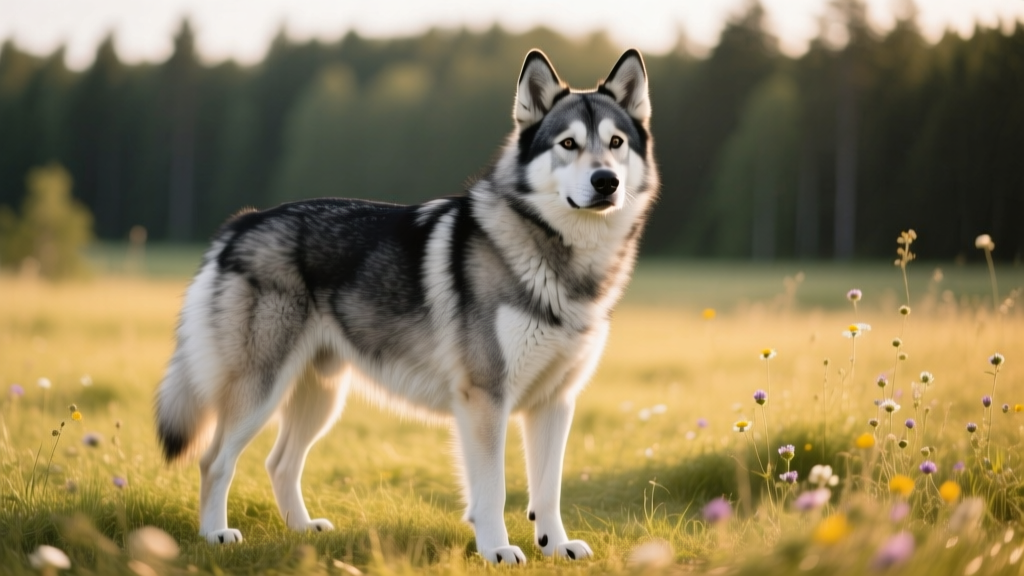
Norwegian Elkhound Cost: What You'll Really Pay to Own This Nordic Hunter
If you've fallen for the Norwegian Elkhound's striking silver-grey coat, curled tail, and bold personality, you're looking at one of the more affordable rare spitz breeds — but "affordable" still means planning carefully. The Norwegian Elkhound cost for a well-bred puppy typically runs between $800 and $1,500, though total first-year ownership expenses often reach $3,200 to $4,800 once you factor in veterinary care, gear, food, and training. This guide breaks down every dollar you'll spend, where to find reputable breeders, and whether this ancient Scandinavian hunting dog is the right fit for your household.
The Norwegian Elkhound (Norsk Elghund) is not a common sight at American dog parks. The American Kennel Club ranks them outside the top 100 most registered breeds, making them a genuinely rare find. That rarity affects everything from wait times to pricing — and it's why understanding the full cost picture matters before you commit.
Origin Story: Norway's Ancient Moose Hunter
The Norwegian Elkhound traces back over 6,000 years to Stone Age Scandinavia, where archaeological evidence — including skeletal remains found in Norwegian bogs — shows dogs nearly identical to the modern breed. The name "elkhound" is a direct translation of the Norwegian elghund, meaning "moose dog" (what North Americans call elk are known as moose in Europe).
Breed Origin Timeline
- ~4000 BCE: Stone Age remains in Norway show spitz-type dogs matching the Elkhound's build
- Viking Age (793–1066 CE): Elkhound-type dogs buried alongside Viking warriors, indicating high status
- 1800s: Formal breed standard established in Norway; first dog shows feature the breed
- 1901: The AKC recognizes the Norwegian Elkhound, making it one of the earlier Scandinavian breeds registered in the US
- 1913: Norwegian Kennel Club (NKK) formalizes the modern breed standard
- Present day: Recognized by AKC (Hound Group), UKC (Northern Breed Group), and FCI (Group 5, Section 2 — Nordic Hunting Dogs, breed #135)
The breed's original job was to track and hold moose (elk) at bay during hunts across rugged Norwegian terrain. Unlike scent hounds that work at a distance, the Elkhound works closely with its handler — tracking on a long line, then releasing to find and bark at the quarry to hold it in place until the hunter arrives. This cooperative hunting style shaped a dog that is independent-thinking yet deeply bonded to its person, a temperament combination that surprises many first-time owners.
Physical Profile: What Sets the Elkhound Apart
| Attribute | Specification |
|---|---|
| Weight (Male) | 50–55 lb / 23–25 kg |
| Weight (Female) | 40–50 lb / 18–23 kg |
| Height (Male) | 20.5 inches / 52 cm at withers |
| Height (Female) | 19.5 inches / 49.5 cm at withers |
| Lifespan | 12–15 years |
| Coat | Dense double coat; silver-grey with black-tipped guard hairs |
| Energy Level | High — 60–90 minutes vigorous exercise daily |
| Grooming | Brushing 2–3x/week; heavy seasonal shedding twice yearly |
| Family Fit | Good with children; may chase small pets due to prey drive |
| AKC Group | Hound |
The Norwegian Elkhound's most distinctive feature is its coat: a thick, weather-resistant double layer where the outer guard hairs are silver-grey with black tips, creating a shimmering effect. The undercoat is light silver, and the overall impression should be a clear, bright grey — not muddy or brownish. The tightly curled tail carried over the back is a hallmark spitz trait, but the Elkhound's tail should curl tightly enough to form a compact "rosette" rather than a loose sickle.
Physically, the Elkhound is built for endurance over speed. The square-proportioned body (height at withers roughly equals body length), deep chest, and strong hindquarters give it the stamina to work all day in cold, mountainous terrain. The dark brown, almond-shaped eyes convey alertness and intelligence — and, as many owners report, a certain amount of stubbornness.
Temperament: What Surprises New Owners
The Norwegian Elkhound's temperament catches many people off guard. Here's what experienced owners consistently report:
- Vocal nature: Bred to bark at moose, Elkhounds are not quiet dogs. They have a distinctive, loud, ringing bark they use freely — at squirrels, delivery drivers, falling leaves, and anything else that catches their attention. This is not a breed for apartment living with thin walls or noise-sensitive neighbors.
- Independent problem-solving: Unlike retrievers that look to their handler for direction, Elkhounds think for themselves. They'll assess a situation and decide what to do, which can feel like stubbornness during training but is actually the intelligence that made them effective solo hunters.
- Wanderlust: Their tracking instinct means an Elkhound off-leash in an unfenced area will follow a scent trail without regard for recall commands. Secure fencing (minimum 5 feet, with dig-proofing at the base) is essential.
- Loyal but not clingy: They bond deeply with their family but don't shadow owners room-to-room like some breeds. They prefer to be nearby rather than on top of you.
- Prey drive: Cats, rabbits, and small wildlife are fair game in an Elkhound's mind. Early socialization with household cats can work, but outdoor prey drive remains high throughout life.
Real owner insight: "People see the fluffy coat and assume lap dog. My Elkhound has the endurance of a marathon runner and the opinions of a teenager. She'll hike 10 miles beside me, then refuse to come inside because she's decided the backyard needs patrolling for another hour." — Multi-year Elkhound owner, Minnesota
Norwegian Elkhound Cost Breakdown: Puppy Price and Beyond
The purchase price is just the starting line. Here's what the full Norwegian Elkhound cost picture looks like in 2026:
Puppy Purchase Price
| Source | Price Range | Notes |
|---|---|---|
| AKC-registered breeder (pet quality) | $800 – $1,200 | Limited registration; spay/neuter contract typical |
| AKC-registered breeder (show/breeding quality) | $1,200 – $1,800 | Full registration; health-tested parents |
| Rare breed rescue/adoption | $200 – $500 | Norwegian Elkhound Rescue Association or spitz-breed rescues |
| Import from Norway (NKK-registered) | $2,000 – $3,500 | Includes shipping, health certificates, import fees |
Wait times for Elkhound puppies from reputable US breeders typically range from 6 to 18 months. Litters are small (4–6 puppies on average), and responsible breeders often keep the pick of the litter for their own program, further reducing availability. Joining the Norwegian Elkhound Association of America breeder referral list is the most reliable path to finding available puppies.
First-Year Total Cost Estimate
| Expense Category | Low Estimate | High Estimate |
|---|---|---|
| Puppy purchase | $800 | $1,800 |
| Initial veterinary (vaccines, spay/neuter, microchip) | $500 | $900 |
| Supplies (crate, bed, leash, harness, bowls, toys) | $250 | $500 |
| Food (high-quality kibble, ~35 lb bag/month) | $480 | $720 |
| Training (group classes + 1–2 private sessions) | $200 | $600 |
| Grooming supplies (undercoat rake, slicker brush, deshedding tool) | $40 | $80 |
| Pet insurance (annual premium) | $400 | $700 |
| Licensing, tags, miscellaneous | $50 | $150 |
| First-Year Total | $2,720 | $5,450 |
Ongoing Annual Costs (Years 2+)
After the first year, expect to spend approximately $1,800 to $3,000 annually on food, routine veterinary care, insurance, grooming supplies, and replacement gear. Elkhounds are generally healthy dogs, which keeps veterinary costs moderate compared to breeds with high genetic disease burdens.
Breed-Specific Health Concerns and Prevention
The Norwegian Elkhound benefits from a relatively small gene pool managed carefully by dedicated breeders, but several conditions warrant attention:
- Hip dysplasia: Affects an estimated 8–12% of Elkhounds based on Orthopedic Foundation for Animals (OFA) data. Responsible breeders screen parents with OFA or PennHIP evaluations before breeding.
- Progressive retinal atrophy (PRA): A degenerative eye disease leading to blindness. A DNA test is available; breeders should test both parents and share results. Prevalence in tested populations is approximately 2–4% affected, with an additional 10–15% carriers.
- Cataracts: Juvenile-onset cataracts appear in some lines. Annual CERF (Canine Eye Registration Foundation) eye exams for breeding stock are standard practice.
- Hypothyroidism: Autoimmune thyroiditis has moderate prevalence in the breed. Annual thyroid panels are recommended for breeding dogs.
- Cystinuria: A metabolic disorder causing cystine crystal formation in urine, leading to bladder stones. More common in male Elkhounds. Urine screening and dietary management (low-methionine diets) help prevent stone formation.
- Gastric dilatation-volvulus (bloat): While less common than in giant breeds, the Elkhound's deep chest creates some risk. Feeding multiple small meals rather than one large meal and avoiding vigorous exercise around mealtimes reduces risk.
Preventive Health Checklist for Elkhound Owners
- Request OFA hip scores and PRA DNA test results from your breeder before purchasing
- Schedule a baseline eye exam with a veterinary ophthalmologist by age 1
- Discuss thyroid screening with your veterinarian at annual wellness visits
- Ask your vet about urine cystine screening, especially for males, starting at age 2
- Maintain a lean body condition score (BCS 4–5/9) to reduce joint stress
- Feed 2–3 smaller meals daily rather than one large meal to reduce bloat risk
Always consult your veterinarian for personalized health guidance. The conditions listed above are breed predispositions, not guarantees — individual dogs may never develop any of these issues.
Special Care Requirements Unique to the Elkhound
Coat and Grooming
The Elkhound's double coat is designed for Norwegian winters and sheds accordingly. During the twice-yearly "blow" (spring and fall), you'll remove staggering amounts of undercoat. An undercoat rake (such as the Furminator deShedding Tool for medium dogs or a Greyhound Comb) used 2–3 times per week keeps loose hair manageable. During shedding season, daily brushing for 15–20 minutes is realistic.
Critical grooming rule: Never shave an Elkhound. The double coat provides insulation against both cold and heat. Shaving disrupts the coat's natural thermoregulation and can cause permanent coat damage (post-clipping alopecia), where the coat grows back patchy and cotton-textured.
Bathing should be infrequent — every 2–3 months unless the dog rolls in something offensive. Over-bathing strips the natural oils that keep the weatherproof outer coat functional.
Exercise and Mental Stimulation
A minimum of 60 minutes of vigorous daily exercise is the floor, not the ceiling. Elkhounds thrive with 90+ minutes that includes:
- Long hikes with varied terrain and novel scents (satisfies tracking instinct)
- Structured activities like barn hunt, lure coursing, or nose work
- Off-leash time in secure areas only — their prey drive makes unsecured off-leash time dangerous
- Winter activities: Elkhounds excel in cold weather and will happily pull a sled or hike in snow that would sideline other breeds
Training Approach
Elkhounds respond best to positive reinforcement training with high-value food rewards and short, varied sessions. Their independent nature means they bore quickly with repetitive drills. Force-free methods and LIMA (Least Intrusive, Minimally Aversive) principles work best — harsh corrections or aversive tools like shock collars will damage the trust-based bond this breed needs and can trigger shutdown or avoidance behaviors.
Start socialization early (8–16 weeks) and continue through adolescence. Elkhounds that aren't well-socialized can become wary of strangers and reactive to other dogs, particularly same-sex dogs.
How Does the Elkhound Compare to Similar Breeds?
| Trait | Norwegian Elkhound | Swedish Elkhound (Jämthund) | Siberian Husky |
|---|---|---|---|
| Size | 40–55 lb / 18–25 kg | 66–77 lb / 30–35 kg | 35–60 lb / 16–27 kg |
| AKC Recognition | Yes (since 1901) | No (FCI only) | Yes (since 1930) |
| Rarity in US | High (outside top 100) | Very high (extremely rare) | Low (top 15 most popular) |
| Vocalization | High — frequent barking | Moderate — less barky | High — howling, talking |
| Prey Drive | Very high | Very high | Very high |
| Trainability | Moderate (independent) | Moderate (independent) | Moderate (independent) |
| Shedding | Heavy, seasonal | Heavy, seasonal | Heavy, seasonal |
| Puppy Cost Range | $800 – $1,800 | $1,500 – $3,000+ (import) | $600 – $1,500 |
| Best For | Active hunters, hikers | Experienced Nordic breed owners | Active families, mushers |
The Norwegian Elkhound sits in a practical middle ground: smaller and more manageable than the Swedish Elkhound (Jämthund), but rarer and less widely available than the popular Siberian Husky. If you want a spitz-type dog with strong hunting heritage and don't mind the vocalization, the Elkhound offers a distinctive combination of traits you won't find in more common breeds.
Finding a Reputable Breeder: Red Flags and Green Flags
Because the Norwegian Elkhound is uncommon, buyers sometimes encounter backyard breeders or puppy mills marketing "rare breed" puppies at inflated prices. Here's how to evaluate:
Green Flags (Reputable Breeder)
- Both parents have OFA hip certifications and PRA DNA test results posted publicly (OFA database or breeder website)
- Breeder is a member of the Norwegian Elkhound Association of America or a regional breed club
- Contract includes a health guarantee (minimum 2 years for genetic conditions), spay/neuter requirement for pet-quality puppies, and a take-back clause requiring you to return the dog to them at any point in its life if you cannot keep it
- Breeder asks detailed questions about your lifestyle, experience, fencing, and plans for the dog
- Puppies are raised in-home with early neurological stimulation (ENS) and early scent introduction (ESI)
- Waitlist of 6–18 months is normal — breeders who always have puppies available are a concern
Red Flags (Walk Away)
- No health testing documentation, or "vet checked" presented as equivalent to genetic screening (it is not)
- Multiple litters available simultaneously or year-round
- Breeder cannot discuss breed-specific health concerns knowledgeably
- Pressure to pay a deposit before meeting the breeder or seeing the facility
- Prices significantly above $2,000 for a US-bred pet-quality puppy without exceptional justification (show champion lineage, import costs)
- Puppies shipped without any in-person or video meeting with the breeder
Frequently Asked Questions
Is the Norwegian Elkhound a good first dog?
Elkhounds can work for committed first-time owners who understand the breed's independence, vocal nature, and exercise needs. They're not a "plug and play" breed like a Labrador Retriever. If you're a first-time owner, invest in professional puppy training classes and connect with experienced Elkhound owners through breed clubs for mentorship. Their stubbornness during training requires patience and consistency that can frustrate inexperienced handlers.
How rare is the Norwegian Elkhound today?
In the United States, the Norwegian Elkhound is genuinely uncommon. The AKC does not publish exact registration numbers by breed, but the breed consistently ranks outside the top 100 in popularity (typically around #110–130 of ~200 recognized breeds). In Norway, the breed remains moderately popular among hunters. Finding a puppy in the US often requires joining a waitlist and being flexible about location — you may need to travel or arrange ground transport.
What makes the Norwegian Elkhound different from the Swedish Elkhound?
The Swedish Elkhound (Jämthund) is significantly larger (66–77 lb vs. 40–55 lb), has a longer muzzle, and is not AKC-recognized in the US. The Jämthund was bred for elk and bear hunting and tends to be slightly more intense in prey drive. The Norwegian Elkhound is more compact, more widely available in North America, and generally more adaptable to family life — though neither breed is a couch potato.
Can Norwegian Elkhounds live in warm climates?
They can, but they need accommodations. Their dense double coat makes them heat-sensitive above 80°F / 27°C. In warm climates, exercise during early morning and evening hours, provide constant access to shade and fresh water, and never shave the coat (it insulates against heat as well as cold). Air conditioning is essential. Elkhounds in southern US states often do well with these precautions, but they're happiest in cooler regions.
Do Norwegian Elkhounds bark a lot?
Yes. Barking is a core breed trait — they were literally bred to bark at moose to hold them in place. Expect alert barking at strangers, wildlife, and unusual sounds. Training can reduce nuisance barking but will never eliminate it. If you live in an apartment, townhouse, or neighborhood with close neighbors and noise restrictions, this breed will likely create conflicts.
What is the Norwegian Elkhound Rescue Association?
The Norwegian Elkhound Rescue Association (often coordinated through the Norwegian Elkhound Association of America) facilitates rehoming for Elkhounds that need new families. Adopted dogs are typically vetted, spayed/neutered, and temperament-evaluated. Adoption fees range from $200 to $500. Rescues are a cost-effective and ethically sound way to bring an Elkhound into your home, though availability is unpredictable.
Are Norwegian Elkhounds good with children?
Well-socialized Elkhounds are generally good with children in their own family. They're sturdy enough to handle active play and aren't prone to snapping. However, their high energy and tendency to bark during play can overwhelm toddlers. As with any breed, supervise interactions between dogs and young children, and teach children to respect the dog's space during meals and sleep.
Whether you're budgeting for your first Elkhound puppy or evaluating whether this breed fits your lifestyle, understanding the full cost and care picture helps you make a confident decision. The Norwegian Elkhound rewards the right owner with fierce loyalty, tireless companionship on outdoor adventures, and a personality that's as bold and distinctive as its Viking heritage.
Robin Maitland
All our authors care for dogs every day — read more of their work on the authors page.


