Newfoundland Price Guide: What It Really Costs to Own a Newfie
Complete Newfoundland price breakdown: puppy costs from $1,500–$4,000, annual care expenses, health risks, and everything first-time owners need to know.
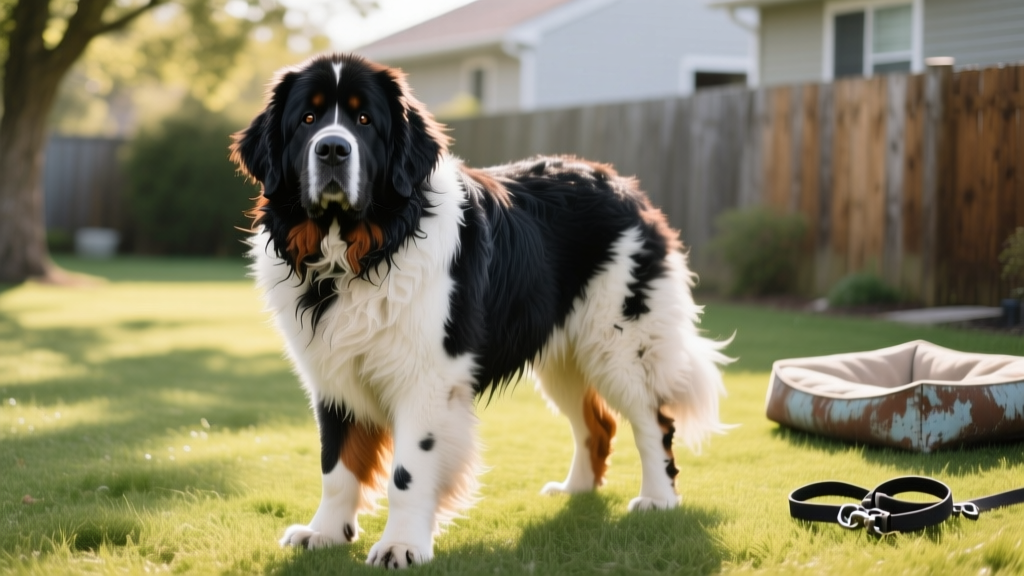
The Newfoundland is one of the most striking breeds in the canine world — a massive, gentle giant known for water rescue instincts, unwavering loyalty, and a temperament so sweet it has earned the nickname "nanny dog." But before you bring one of these impressive dogs home, understanding the true Newfoundland price — both the initial purchase and the long-term financial commitment — is essential. These dogs are expensive to buy, expensive to feed, and expensive to insure. This guide breaks down every cost, care requirement, and health consideration so you can decide whether a Newfie fits your life and your budget.
Newfoundland Breed Overview: Origin, Size, and Lifespan
The Newfoundland originated on the island of Newfoundland, Canada, where fishermen relied on these powerful dogs to haul nets, pull carts, and rescue people from icy Atlantic waters. The breed was formally recognized by the American Kennel Club (AKC) in 1886 and has since become one of the most recognizable giant breeds in the world.
Newfoundlands are classified as a giant breed. They are not merely large — they are among the heaviest dogs you can own, with some males exceeding 150 pounds. Their working heritage as water rescue dogs means they retain strong swimming instincts, a love of cold weather, and a natural protective drive over their family members.
| Attribute | Details |
|---|---|
| Size Class | Giant |
| Weight (Male) | 130–150 lb / 59–68 kg |
| Weight (Female) | 100–120 lb / 45–54 kg |
| Height (Male) | 28 inches / 71 cm at the shoulder |
| Height (Female) | 26 inches / 66 cm at the shoulder |
| Lifespan | 9–10 years (some reach 12) |
| Coat Type | Double coat, water-resistant, medium-length |
| AKC Group | Working Group |
| Origin | Newfoundland, Canada (1700s–1800s) |
Newfoundland Price: Puppy Cost and What Drives It
The Newfoundland price for a puppy from a responsible breeder typically falls between $1,500 and $4,000, with the national average hovering around $2,200–$2,500. Several factors push prices toward the higher end of that range:
- Health testing: Reputable breeders perform OFA (Orthopedic Foundation for Animals) evaluations for hips, elbows, and cardiac health, plus cystinuria DNA testing. These tests cost breeders $400–$800 per breeding pair and are reflected in puppy pricing.
- Pedigree and show potential: Puppies from champion bloodlines or those sold on show contracts can command $3,500–$5,000+.
- Geography: Breeders in the Northeast US and West Coast tend to charge more ($2,500–$4,000) compared to Midwestern breeders ($1,500–$2,800).
- Litter size: Newfoundlands average 8–10 puppies per litter, but smaller litters can drive per-puppy prices higher.
- Color: While black is the most common and affordable AKC-recognized color, Landseer (white and black) and brown varieties may carry a slight premium depending on breeder demand.
If you're considering adoption, Newfoundland-specific rescues such as the Newfoundland Club of America Rescue Network occasionally have adult dogs available for $300–$600 adoption fees. These dogs are typically spayed/neutered, vaccinated, and temperament-evaluated — a significant savings over puppy pricing, though availability is unpredictable.
Reasons the Newfoundland Price Is Worth It
- Exceptional family temperament — famously patient with children
- Natural water rescue instinct provides genuine safety value
- Highly trainable with positive reinforcement methods
- Calm indoor demeanor despite giant size
- Strong community of breed enthusiasts and rescue networks
Financial Realities to Consider
- Annual care costs of $2,500–$4,500+ per year
- High food bills: 6–10 cups of premium kibble daily
- Large-breed health risks (hip dysplasia, heart disease) mean potential emergency vet bills
- Grooming costs $50–$90 per professional session, every 6–8 weeks
- Shorter lifespan (9–10 years) means less time with your investment
Annual Cost of Ownership: Feeding, Healthcare, and More
The initial Newfoundland price is just the beginning. Giant breeds are expensive to maintain. Here is a realistic annual cost breakdown based on 2026 pricing for a healthy adult Newfoundland:
| Expense Category | Annual Cost Range | Notes |
|---|---|---|
| Food (premium large-breed kibble) | $1,200–$1,800 | 6–10 cups/day; brands like Purina Pro Plan Large Breed, Royal Canin Giant |
| Routine veterinary care | $400–$700 | Annual exams, DHPP/rabies boosters, heartworm test, fecal panel |
| Heartworm & flea/tick prevention | $250–$400 | Simparica Trio, NexGard, or Heartgard Plus — giant-breed dosing is pricier |
| Pet insurance | $800–$1,500 | Varies by deductible; giant breeds cost more to insure |
| Professional grooming | $350–$600 | Every 6–8 weeks; includes deshedding, nail trim, ear cleaning |
| Supplies & gear replacement | $200–$400 | XL beds ($80–$150 each), heavy-duty leashes, elevated feeders |
| Training classes | $150–$400 | Puppy socialization, obedience refreshers |
| Total Estimated Annual Cost | $3,350–$5,800 | Excludes emergency veterinary care |
Over a 10-year lifespan, total lifetime ownership costs for a Newfoundland range from $35,000 to $60,000+ when including the initial puppy price, routine care, and one or two significant health events. This makes pet insurance a serious consideration — especially for breeds predisposed to costly orthopedic and cardiac conditions.
Temperament and Personality: What Living With a Newfie Is Really Like
Newfoundlands are not generic "loyal dogs." Their temperament is shaped by centuries of selective breeding for cooperative water work and close human partnership. Here are the core traits you will encounter:
1. Gentle protectiveness. Newfoundlands are watchful without being aggressive. They tend to position themselves between their family members and strangers, especially in water settings. A Newfie at the beach may instinctively stay close to children in the water — this is not anxiety, it is bred-in rescue behavior.
2. Low arousal, high patience. Unlike high-drive working breeds (Malinois, Border Collies), Newfoundlands are slow to react and slow to escalate. They tolerate clumsy handling from toddlers and noisy household chaos with remarkable composure. That said, their sheer size means an accidental tail swipe can knock over a small child — supervision is always required.
3. Stubborn cooperation. Newfoundlands are intelligent but not biddable in the way a Golden Retriever is. They think before they act and may evaluate whether a command is worth following. This is not defiance — it is independent problem-solving from a breed historically required to make life-or-death decisions in water rescue scenarios.
4. Drool and shedding acceptance required. Newfoundlands drool significantly, especially after drinking water or in warm weather. They shed heavily year-round with two major "blow coat" periods in spring and fall. If pristine furniture and dry floors matter to you, this breed will test your patience daily.
5. Cold-weather preference. Their dense double coat makes them thrive in cold climates. In temperatures above 75°F (24°C), Newfoundlands overheat quickly and require air conditioning, cooling mats, and limited outdoor exertion.
Physical Characteristics: Size, Coat, and Build Details
The Newfoundland's physical presence is unmistakable. According to the AKC breed standard, adult males stand 28 inches (71 cm) at the shoulder and weigh 130–150 lb (59–68 kg). Females stand 26 inches (66 cm) and weigh 100–120 lb (45–54 kg). Some males exceed the standard and reach 170+ lb (77+ kg), though this is not ideal and can stress joints.
The coat is a flat, water-resistant double coat with a dense, soft undercoat and a longer, moderately oily outer coat. Recognized AKC colors include black (most common), brown, gray, and Landseer (white with black markings). The webbed feet — an evolutionary adaptation for swimming — are a distinctive breed hallmark.
Newfoundlands have a broad, massive head with small, pendant ears and a moderately short, square muzzle. Their expression is characteristically soft and dignified. The tail is broad at the base and hangs down when relaxed, acting as a rudder during swimming.
Exercise, Training, and Daily Activity Needs
Newfoundlands need 30–45 minutes of moderate exercise daily, ideally split into two sessions. This is less than most people expect for a dog this size, but it reflects the breed's working style — short bursts of intense effort (swimming, pulling) followed by long rest periods.
Recommended daily activities:
- Swimming (top choice): 15–30 minutes in a lake, pool, or calm ocean. This is the single best exercise for a Newfie — it builds muscle without stressing joints. Invest in a canine life vest ($40–$80, brands like Ruffwear Float Coat) for open-water safety.
- Leisurely walks: 20–30 minutes at a relaxed pace. Avoid jogging or running on hard surfaces, especially for dogs under 2 years old whose growth plates have not closed.
- Cart pulling: A breed-appropriate activity that engages their draft heritage. Weight-pull carts cost $200–$400 and provide excellent mental and physical stimulation.
- Cool-weather play: In temperatures below 65°F (18°C), Newfoundlands can handle longer outdoor sessions. In summer heat, limit outdoor time to early morning and evening only.
Training approach: Newfoundlands respond best to positive reinforcement — food rewards, praise, and play. They are sensitive to harsh corrections and will shut down under aversive methods. Force-free training is not just ethically preferable; it produces better results with this breed. Start socialization early (8–16 weeks) and continue obedience training through adolescence. A well-trained Newfie is a joy; an untrained 150-pound dog is a liability.
Trainability rating: 7/10 — intelligent and willing, but independent thinkers who need motivation and consistency.
Common Health Issues: What Newfie Owners Must Watch For
Newfoundlands carry several breed-specific health risks that directly affect lifetime care costs. Always consult your veterinarian for diagnosis and treatment planning — the information below is for awareness and preparation.
| Condition | Prevalence | Typical Onset | Treatment Cost Range |
|---|---|---|---|
| Hip Dysplasia | ~24% (OFA data) | 6–24 months (signs appear); worsens with age | $1,500–$7,000 per hip (total hip replacement) |
| Elbow Dysplasia | ~12% (OFA data) | 4–10 months | $1,500–$4,000 surgical intervention |
| Dilated Cardiomyopathy (DCM) | ~6–10% of breed | 4–8 years | $200–$600/month for cardiac medications (vetmedin, enalapril, pimobendan) |
| Cystinuria (Type I-A) | ~8% carriers | 2–6 years (bladder stone formation) | $1,000–$3,500 for stone removal surgery + lifelong dietary management |
| Gastric Dilatation-Volvulus (GDV / Bloat) | Risk elevated in giant deep-chested breeds | Any age, typically 4–7 years | $3,000–$7,000 emergency surgery; $300–$500 for prophylactic gastropexy |
Prevention strategies:
- Request OFA hip/elbow scores and cystinuria DNA test results from any breeder before purchasing.
- Discuss prophylactic gastropexy (stomach tacking) with your vet during spay/neuter surgery — this $300–$500 procedure dramatically reduces GDV mortality.
- Feed two to three smaller meals per day rather than one large meal to reduce bloat risk.
- Maintain lean body condition (body condition score 4–5/9) to reduce joint stress.
- Schedule annual cardiac auscultation starting at age 4 to catch DCM early.
- Unsuccessful retching or vomiting with a distended, hard abdomen (possible GDV/bloat)
- Sudden collapse or inability to stand
- Labored breathing, blue-tinged gums
- Straining to urinate with no output (possible cystine stone blockage)
Grooming Requirements: Managing That Massive Double Coat
Newfoundlands require significant grooming commitment. Plan on the following routine:
- Brushing: 3–4 times per week using a slicker brush and undercoat rake. During spring and fall shedding seasons (each lasting 3–4 weeks), daily brushing is necessary. A Furminator-style deshedding tool ($35–$50) is effective for the undercoat.
- Bathing: Every 6–8 weeks, or more frequently if the dog swims in algae-prone water. Use a high-velocity dryer ($100–$200 for home models like the B-Air dryer) — air-drying a Newfoundland coat takes 6–12 hours and can cause skin issues if the undercoat stays damp.
- Nail trimming: Every 2–3 weeks. Overgrown nails alter gait and stress already-vulnerable joints.
- Ear cleaning: Weekly checks and cleaning with a vet-recommended ear wash (e.g., Epi-Otic Advanced, $12–$18). Pendant ears trap moisture and are prone to yeast infections.
- Drool management: Keep absorbent towels near water bowls and entryways. Many Newfie owners use drool bibs ($15–$25 for a pack of 3) indoors.
Professional grooming every 6–8 weeks is recommended for most owners, at $50–$90 per session depending on your region. Specify that you want a "sanitary trim" and paw pad trim — full coat cuts are generally not recommended for double-coated breeds as they disrupt the coat's natural insulation and water resistance.
Family Suitability: Kids, Other Pets, and Living Arrangements
With children: Newfoundlands are among the best breeds for families with children. Their patience, low prey drive, and protective instinct make them natural companions for kids. However, their size means they should never be left unsupervised with toddlers — a 130-pound dog can accidentally injure a small child simply by leaning or wagging its tail.
With other pets: Generally excellent with other dogs and tolerant of cats, especially when raised together. Their low prey drive means they rarely chase small animals. Same-sex dog aggression is uncommon but possible — proper introductions and early socialization minimize risk.
Apartment living: Not ideal but possible under specific conditions. A Newfoundland needs ground-floor or elevator access (they struggle with stairs, which also stress their joints), nearby green space for walks, and climate-controlled indoor space. They are relatively inactive indoors and tend to lounge for hours, which makes them more apartment-compatible than high-energy breeds of similar size. That said, a house with a fenced yard is strongly preferred.
Climate considerations: Newfoundlands are best suited to cooler climates (northern US, Canada, Pacific Northwest, mountain regions). In hot climates (Texas, Arizona, Florida), you must commit to year-round air conditioning, cooling mats ($25–$50), and strict heat avoidance protocols.
Is a Newfoundland Right for First-Time Owners?
Newfoundlands can work for first-time owners, but only if you are financially prepared and committed to training. Their gentle temperament makes them forgiving of beginner mistakes, but their size means those mistakes have bigger consequences. A first-time owner should budget for professional puppy training classes ($150–$300 for a 6–8 week group course) and consider working with a certified professional dog trainer (CPDT) for the first year.
The ideal first-time Newfie owner is someone with a calm household, adequate space, a realistic budget, and the physical ability to manage a 130+ pound dog on a leash. If you have never owned a dog before, consider volunteering with a Newfoundland rescue to spend time with the breed before committing to a puppy.
Frequently Asked Questions About Newfoundland Price and Care
How big does a Newfoundland get?
Adult male Newfoundlands typically weigh 130–150 lb (59–68 kg) and stand 28 inches (71 cm) tall. Females are slightly smaller at 100–120 lb (45–54 kg) and 26 inches (66 cm). Puppies grow rapidly in the first year but may not reach full adult weight until 2–3 years of age.
How much exercise does a Newfoundland need daily?
Plan for 30–45 minutes of moderate activity per day, ideally split into two sessions. Swimming is the best exercise for this breed. Avoid forced running or high-impact activities, especially during the first two years when growth plates are still developing.
Is a Newfoundland good with children and other pets?
Yes — Newfoundlands are widely regarded as one of the best family breeds. They are patient, protective, and gentle with children and typically coexist peacefully with other dogs and cats. Always supervise interactions between any giant-breed dog and small children due to the risk of accidental injury from the dog's size.
What health problems is a Newfoundland prone to?
The most significant breed-specific health risks include hip dysplasia (~24% prevalence per OFA), elbow dysplasia (~12%), dilated cardiomyopathy (6–10%), cystinuria (~8% carriers), and gastric dilatation-volvulus (bloat). Responsible breeders screen for these conditions — always ask for health clearances before purchasing a puppy.
How much does a Newfoundland cost to buy and maintain annually?
Puppy prices range from $1,500–$4,000 from responsible breeders, with show-quality puppies exceeding $5,000. Annual maintenance costs range from $3,350–$5,800, covering food, veterinary care, insurance, grooming, and supplies. Over a 10-year lifespan, expect total lifetime costs of $35,000–$60,000+.
Is this breed right for first-time owners?
Newfoundlands can suit first-time owners who are financially prepared, committed to positive reinforcement training, and have appropriate living space. Their calm temperament is forgiving, but their giant size amplifies the consequences of inadequate training or socialization. Professional training support in the first year is strongly recommended.
This article is for informational purposes only. Always consult your veterinarian for breed-specific health advice, diagnostic testing, and treatment decisions. For questions about toxic ingestion, contact the ASPCA Animal Poison Control Center at (888) 426-4435 (24/7, consultation fee applies).
Marcus Aldridge
All our authors care for dogs every day — read more of their work on the authors page.


