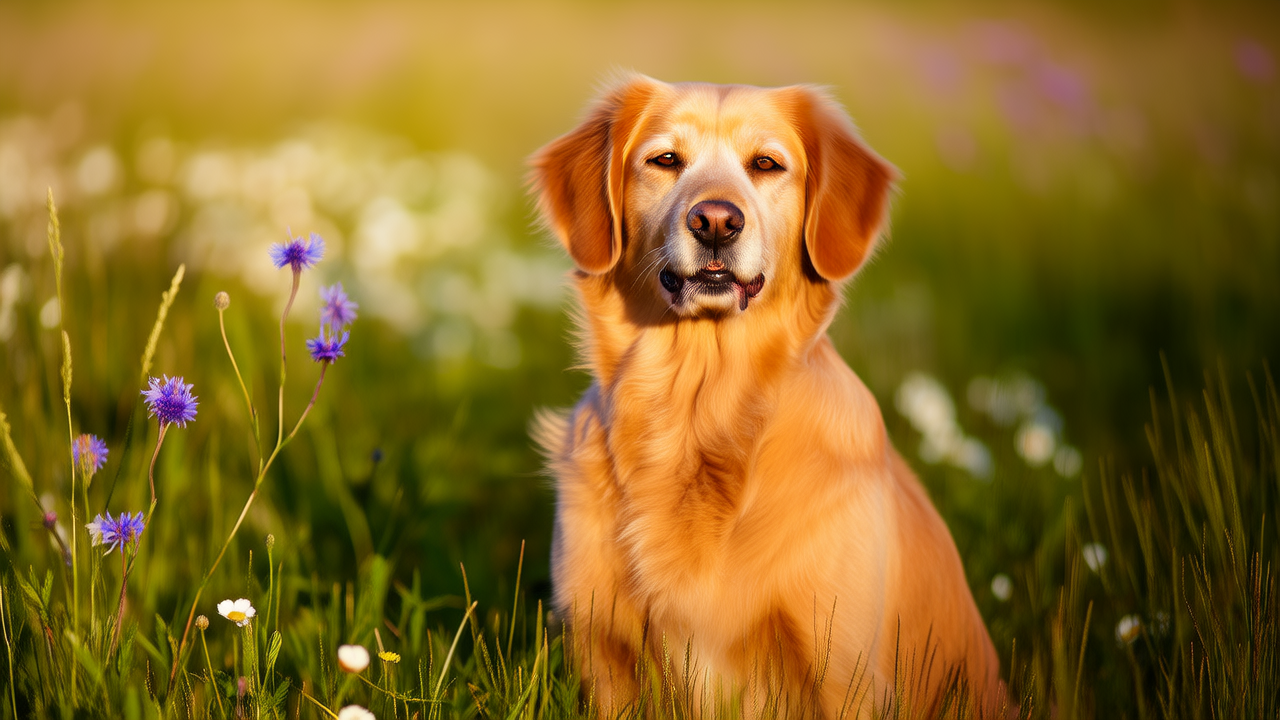
Newfie Poodle Mix: The Complete Newfypoo Breed Guide
Everything about the Newfie Poodle mix (Newfypoo): size, coat types, temperament, health risks, grooming needs, F1 vs F1B generations, and 2026 pricing.

If you've ever watched a 90-pound dog try to sit in your lap and thought, "I wish this dog came in a slightly more manageable package with less shedding," the Newfie Poodle mix — commonly called the Newfypoo or Newdle — might have crossed your radar. This designer cross pairs the gentle, water-loving Newfoundland with the intelligent, low-shedding Poodle, and the result can be a spectacular family companion. But "can be" is the operative phrase. As with any mixed breed, individual outcomes vary significantly, and understanding the genetic lottery at play is essential before you commit to a puppy that could weigh as much as a small adult human.
Having worked with dozens of doodle-type families over the years — from tiny Cavapoos to massive Bernedoodles — I can tell you the Newfie Poodle mix sits at the extreme end of the size spectrum. This is not a casual ownership decision. Let's break down exactly what you're signing up for.
The Two Breeds Behind the Newfie Poodle Mix
The Newfypoo is a first-generation or multigenerational cross between two AKC-recognized purebreds, each with centuries of working history behind them.
| Trait | Newfoundland | Standard Poodle |
|---|---|---|
| AKC Group | Working Group | Non-Sporting / Sporting (varies by registry) |
| Weight Range | 100–150 lb (45–68 kg) | 40–70 lb (18–32 kg) |
| Height | 26–28 in (66–71 cm) | 15+ in (38+ cm) at shoulder |
| Coat Type | Dense double coat, heavy shedding | Single curly coat, minimal shedding |
| Original Purpose | Water rescue, draft work for fishermen | Water retrieving, truffle hunting |
| Temperament | Gentle, patient, devoted, calm | Highly intelligent, active, alert, trainable |
| Exercise Needs | 30–60 min/day (moderate) | 60–90 min/day (vigorous) |
| Lifespan | 8–10 years | 12–15 years |
| Shedding Level | Heavy (seasonal blow-outs) | Minimal (hair, not fur) |
| Drooling | Profuse | Minimal |
Both breeds share a water-dog heritage, which is why the Newfypoo often turns out to be an enthusiastic swimmer. The Newfoundland brings its legendary calm and nurturing temperament — the breed is nicknamed "nanny dog" for its patience with children — while the Standard Poodle contributes sharp problem-solving ability and a coat that many allergy sufferers tolerate better. The question is always which traits any given puppy inherits, and that's where generation and individual genetics come into play.
Understanding Newfypoo Generations: F1, F1B, F2, and Multigen
The generation designation tells you how much Poodle vs. Newfoundland genetics a specific dog carries. This directly impacts coat type, shedding level, size predictability, and sometimes temperament. Here's the breakdown:
- F1 (First Generation): 50% Newfoundland × 50% Standard Poodle. These puppies have the widest trait variability — one littermate might have a wavy, shedding coat while another has tight curls and minimal shedding. Size is least predictable in F1s.
- F1B (First Generation Backcross): F1 Newfypoo × Standard Poodle = 75% Poodle, 25% Newfoundland. Breeders produce F1Bs specifically to increase the odds of a low-shedding, curly coat. These dogs tend to be slightly smaller than F1s and are the go-to choice for households with mild dog allergies.
- F1BB (Extended Backcross): F1B Newfypoo × Standard Poodle = 87.5% Poodle, 12.5% Newfoundland. At this point, you're getting a dog that looks and acts predominantly Poodle with a touch of Newfoundland softness. Shedding is usually negligible.
- F2 (Second Generation): F1 Newfypoo × F1 Newfypoo. Both parents are already mixed, which means the genetic recombination produces the widest variability. You might get puppies that look nearly purebred Newfoundland alongside ones that look like oversized Poodles. Experienced breeders generally avoid F2 breedings for this reason.
- Multigen (F3+): Multigenerational Newfypoos bred over several generations. Reputable breeders working with multigen lines select specifically for stable temperament, consistent coat type, and health-tested parents. These are the most predictable — but also the hardest to find and typically the most expensive.
Practical advice: If low shedding is your priority, ask the breeder specifically for F1B or multigen lines and request to see the parents' coats. An F1 Newfie Poodle is a genuine coin toss on shedding.
Newfie Poodle Size: How Big Will This Mix Get?
This is where prospective owners most frequently underestimate the Newfypoo. Even the "smaller" end of this mix's range puts most dogs well above 60 pounds, and many males push past 100.
| Category | Weight Range | Height at Shoulder |
|---|---|---|
| F1 Male | 80–130 lb (36–59 kg) | 24–28 in (61–71 cm) |
| F1 Female | 65–110 lb (29–50 kg) | 22–26 in (56–66 cm) |
| F1B Male | 60–100 lb (27–45 kg) | 22–26 in (56–66 cm) |
| F1B Female | 50–85 lb (23–39 kg) | 20–24 in (51–61 cm) |
| "Mini" Newfypoo* | 40–65 lb (18–29 kg) | 18–22 in (46–56 cm) |
*Note: "Mini" Newfypoos are produced by crossing a Newfoundland with a Miniature or Moyen Poodle rather than a Standard. This practice is controversial because of the extreme size disparity between parent breeds, which can create whelping complications. Reputable breeders generally stick to Standard Poodle crosses. If a breeder advertises "mini" Newfypoos, ask detailed questions about how the breeding is managed and whether the dam is the larger breed (she should be).
A fully grown male F1 Newfie Poodle can weigh as much as an adult woman. Make sure your vehicle, your home layout, and your physical ability to handle a powerful dog on a leash are all realistic for this size class. Giant breeds also eat significantly more — budget $100–$180/month for a high-quality, AAFCO-approved large-breed diet alone.
Coat Types and the Shedding Question
The Newfie Poodle coat is one of the most variable traits in this cross, and it's the primary reason many buyers specifically seek F1B or multigen generations.
- Newfoundland-dominant coat: Dense, straight to slightly wavy double coat. Heavy seasonal shedding. Requires weekly brushing with an undercoat rake. More common in F1 puppies that favor the Newfoundland parent.
- Wavy/fleece coat (most common in F1): Loose waves, moderate shedding. A "middle ground" coat that still sheds but less than a pure Newfoundland. Needs brushing 3–4 times per week.
- Poodle-dominant curly coat: Tight curls, single-layer, minimal shedding. Closest to hypoallergenic, though no dog is truly hypoallergenic. Requires professional grooming every 6–8 weeks. Most common in F1B and multigen dogs.
Is the Newfie Poodle hypoallergenic? Not reliably, and certainly not in F1 generations. The term "hypoallergenic" is itself misleading — the AKC notes that no dog breed is truly free of allergens, which come from dander, saliva, and urine, not just fur. An F1B or multigen Newfypoo with a tight Poodle-type curl is the best option for allergy-sensitive households, but always spend time with the specific dog before committing. Allergic reactions are individual, and what one person tolerates, another cannot.
Temperament: What to Expect (and What Might Surprise You)
The best-case Newfie Poodle temperament combines the Newfoundland's legendary gentleness with the Poodle's intelligence and trainability. These dogs are often deeply bonded to their families, patient with children, eager to please, and surprisingly agile for their size. They tend to be less stubbornly independent than pure Newfoundlands and less high-strung than pure Standard Poodles — a genuine best-of-both-worlds scenario.
But the challenging scenarios are real, too. Here's what varies:
- Energy level: Some Newfypoos inherit the Poodle's drive and need 60–90 minutes of vigorous daily exercise plus mental stimulation. Others lean Newfoundland and are content with a 30-minute walk and a nap. You won't always know which you're getting as a puppy.
- Separation anxiety: Both parent breeds are people-oriented, and this cross can struggle when left alone for long hours. If you work 10-hour days outside the home, this mix will likely develop destructive behaviors without significant enrichment planning.
- Jumping and mouthing: A 90-pound dog that jumps up to greet visitors is a genuine safety concern, especially around small children or elderly family members. Early, consistent positive reinforcement training from 8 weeks is non-negotiable — not optional.
- Water obsession: Both breeds are water dogs. Expect your Newfie Poodle to seek out every puddle, pond, pool, and mud hole within a half-mile radius. This is charming until it's your freshly bathed dog diving into a drainage ditch.
- Guarding instincts: Newfoundlands are watchful but not typically aggressive. Poodles are alert barkers. Most Newfypoos will bark at strangers approaching the home but warm up quickly. Resource guarding is not breed-typical but can develop in any dog without proper socialization during the critical 3–14 week window.
Who this mix suits best: Active families with children ages 6+, homes with fenced yards (minimum 5-foot fence for athletic individuals), owners who have experience with large breeds or are committed to professional training classes, and households where someone is home for significant portions of the day. First-time dog owners can succeed with a Newfypoo, but only if they're prepared for the physical demands and training commitment a 100-pound dog requires.
Health Considerations: The Hybrid Vigor Myth vs. Reality
Let's address this directly: hybrid vigor does not eliminate health risks in designer crosses. The concept of heterosis (hybrid vigor) has documented benefits in some species, and crossbred dogs do show a modest lifespan advantage in large-scale studies — a 2023 study published in the Journal of the American Veterinary Medical Association found mixed-breed dogs lived approximately 1.2 years longer on average than purebreds. But this advantage is statistical, not absolute, and it does not mean your Newfie Poodle is immune to the genetic conditions carried by both parent breeds.
In fact, the Newfie Poodle inherits risk from both sides of the pedigree:
| Condition | Inherited From | Prevalence / Notes | Recommended Screening |
|---|---|---|---|
| Hip Dysplasia | Both breeds | Newfoundlands: ~25% affected (OFA data). Standard Poodles: ~12%. | OFA or PennHIP certification for both parents |
| Elbow Dysplasia | Primarily Newfoundland | Significant concern in giant breeds | OFA elbow evaluation |
| Dilated Cardiomyopathy (DCM) | Both breeds | Newfoundlands are a predisposed breed; Poodles also at elevated risk | Cardiac evaluation by veterinary cardiologist |
| Gastric Dilatation-Volvulus (Bloat) | Both (deep-chested breeds) | Life-threatening emergency. Risk increases with size and chest depth. | Discuss prophylactic gastropexy with your vet |
| Cystinuria (Type I) | Newfoundland | Genetic kidney disorder causing bladder stones. Autosomal recessive. | DNA test available; both parents should be tested |
| Addison's Disease | Standard Poodle | Autoimmune adrenal insufficiency. Poodles are a high-risk breed. | No reliable screening test; know the symptoms |
| Sebaceous Adenitis | Standard Poodle | Autoimmune skin condition causing hair loss and scaling | Dermatological evaluation if skin issues arise |
| Subvalvular Aortic Stenosis (SAS) | Newfoundland | Congenital heart defect. One of the most common cardiac issues in the breed. | Cardiac auscultation + echocardiogram |
A responsible Newfie Poodle breeder will provide health clearances for both parent dogs — not just say "the vet checked them." Acceptable clearances include OFA (Orthopedic Foundation for Animals) certifications for hips, elbows, and cardiac health, plus DNA test results for cystinuria. If a breeder cannot or will not provide these, walk away. The typical cost of treating hip dysplasia surgery alone runs $3,500–$7,000 per hip in 2026, and DCM management can exceed $500/month in medications.
Gastric dilatation-volvulus (GDV/bloat) is a life-threatening emergency that disproportionately affects large, deep-chested dogs like the Newfie Poodle. Symptoms include a distended abdomen, unproductive retching, restlessness, rapid breathing, and collapse. This is not a "wait and see" situation. If you suspect bloat, go to the nearest emergency veterinary hospital immediately. Survival drops sharply with every hour of delay. Ask your veterinarian about prophylactic gastropexy — a preventive surgery often performed at the time of spay/neuter that tacks the stomach to the abdominal wall to prevent rotation.
Grooming a Newfie Poodle: What You're Actually Signing Up For
Grooming requirements depend entirely on which coat type your individual dog inherits, but every Newfie Poodle needs regular maintenance regardless.
- Curly (Poodle-dominant) coat: Professional grooming every 6–8 weeks at $80–$120 per session for a dog this size. Home brushing 3–4 times per week with a slicker brush to prevent matting. Expect $600–$900/year in grooming costs.
- Wavy/fleece coat: Professional grooming every 8–10 weeks. Home brushing 3–4 times per week. Less prone to matting than tight curls but still tangles behind the ears and in the "pants" area.
- Straight (Newfoundland-dominant) coat: Weekly thorough brushing with an undercoat rake and pin brush. Heavy seasonal shedding in spring and fall. You may not need professional grooming, but invest in a high-velocity dryer ($120–$200) for blow-out season — it will save your furniture.
Regardless of coat type, plan on regular nail trims (every 3–4 weeks for a large dog — overgrown nails alter gait and contribute to joint stress), ear cleaning weekly (both parent breeds are prone to ear infections due to floppy, fur-covered ears), and dental brushing at minimum three times per week.
Newfie Poodle Cost: Purchase Price, Annual Expenses, and Where to Find One
The Newfie Poodle sits in the mid-to-high range for designer breed pricing, and costs have risen significantly since 2020 as demand for large doodle-type crosses continues to grow.
| Expense Category | Low Range | Mid Range | High Range |
|---|---|---|---|
| Puppy Purchase Price | $1,500 | $2,500–$3,500 | $4,000–$5,500 |
| First-Year Veterinary Care | $600 | $900–$1,200 | $1,800+ |
| Annual Food | $1,000 | $1,400–$1,800 | $2,200+ |
| Annual Grooming | $300 | $600–$900 | $1,200+ |
| Pet Insurance (Monthly) | $50 | $80–$120 | $150+ |
| Supplies (crate, bed, leash, etc.) | $300 | $500–$700 | $1,000+ |
| Training Classes | $200 | $400–$600 | $1,000+ |
Realistic first-year total: $4,500–$9,000+ depending on your region, the breeder you choose, and whether any health issues arise.
Finding a Newfie Poodle: Reputable breeders of this cross are relatively uncommon compared to Goldendoodles or Labradoodles. Expect to join a waitlist (often 6–12 months) and potentially travel to pick up your puppy. A good breeder will health-test both parents, provide a take-back clause in their contract, raise puppies with early neurological stimulation (ENS) protocols, and ask you as many questions as you ask them.
Rescue and adoption: Newfypoos do appear in breed-specific rescues — check Newfoundland Club of America Rescue and Poodle rescue networks. Adult Newfypoos surrendered due to size underestimation or lifestyle changes are not uncommon. Adopting an adult gives you the advantage of known size, known coat type, and known temperament — significant advantages when dealing with a variable mixed breed.
Frequently Asked Questions About the Newfie Poodle Mix
What two breeds make up the Newfie Poodle?
The Newfie Poodle is a cross between the Newfoundland (a giant working breed from Canada) and the Standard Poodle (a large, highly intelligent breed originally developed as a water retriever). Some breeders use Miniature or Moyen Poodles to produce smaller "mini" versions, but Standard Poodle crosses are the most common and generally considered the most ethically sound pairing.
How big will a Newfie Poodle get?
Most Newfie Poodles fall between 60–130 lb (27–59 kg) and 22–28 inches (56–71 cm) at the shoulder. F1 generation dogs tend to be larger, while F1B dogs (backcrossed to the Poodle) tend to be somewhat smaller. Males are typically larger than females. There is no guarantee — some individuals exceed these ranges.
Is the Newfie Poodle low-shedding or hypoallergenic?
Not reliably. F1 Newfie Poodles may shed moderately to heavily. F1B and multigen dogs with Poodle-dominant curly coats shed minimally and are better suited for allergy-sensitive households. No dog is truly hypoallergenic. Always spend time with the specific dog before committing if allergies are a concern.
What health issues might a Newfie Poodle inherit?
Key concerns include hip dysplasia, elbow dysplasia, dilated cardiomyopathy (DCM), bloat (GDV), cystinuria, subvalvular aortic stenosis (SAS), sebaceous adenitis, and Addison's disease. Reputable breeders screen parent dogs for these conditions through OFA certifications and DNA testing. Always consult your veterinarian about an appropriate screening and prevention plan for your individual dog.
How much does a Newfie Poodle puppy cost?
Expect to pay $1,500–$5,500 for a Newfie Poodle puppy from a breeder, with most reputable breeders pricing between $2,500 and $3,500. Factor in $3,000–$5,000+ in first-year expenses beyond the purchase price for food, veterinary care, grooming, supplies, and training.
Are Newfie Poodles good with children?
Generally, yes — both parent breeds are known for being good with kids, and the Newfypoo often inherits a patient, gentle disposition. However, a 100-pound dog can accidentally knock over a toddler, so supervision is essential. Families with children under 5 should consider waiting until kids are older or be prepared to manage interactions carefully. Early socialization and positive reinforcement training for both the dog and the children in the household are critical.
How long do Newfie Poodles live?
The estimated lifespan is 8–12 years. The Newfoundland's shorter lifespan (8–10 years) is a significant factor, though the Poodle's longevity (12–15 years) may extend the mix's average somewhat. Large and giant breeds age faster than smaller dogs, and joint health, cardiac health, and cancer risk are the primary longevity factors. Pet insurance is strongly recommended — a single emergency surgery can cost $5,000–$10,000+.
The Newfie Poodle can be a magnificent companion — gentle enough to trust around your kids, smart enough to excel at training, and beautiful in that shaggy, teddy-bear way that doodle-type dogs are famous for. But go in with eyes open: this is a large, expensive, grooming-intensive dog with real health risks inherited from both parent breeds. If you're prepared for the commitment, the payoff is one of the most devoted and versatile family dogs the designer breed world has produced.
Aaron Whyte
All our authors care for dogs every day — read more of their work on the authors page.