10 New Dog Breeds Recognized in the Last Decade: Complete Guide
Discover 10 new dog breeds recently recognized by major kennel clubs. Compare traits, costs, and care needs to find the right fit for your home.
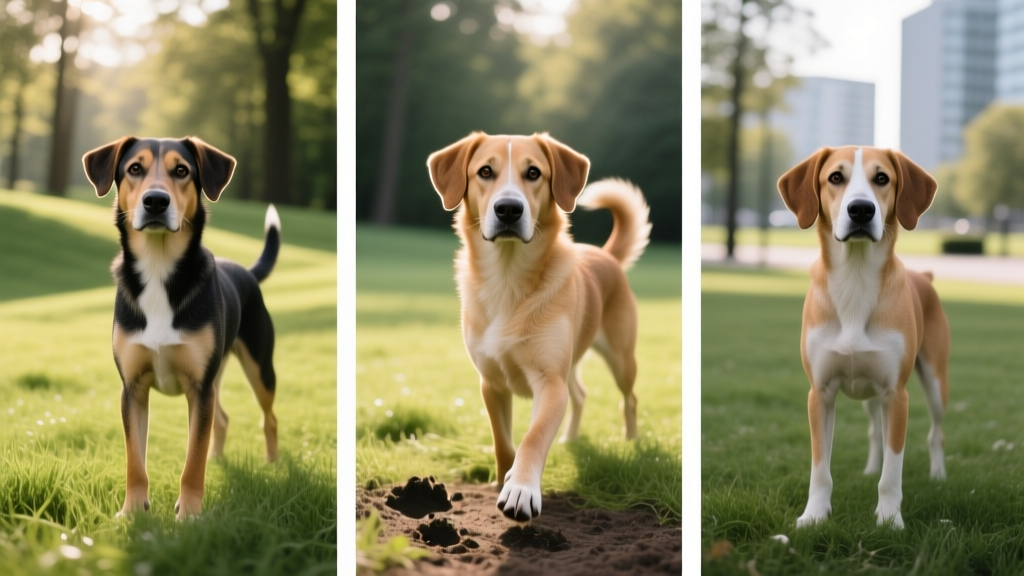
If you've been following the dog world, you may have noticed some unfamiliar names popping up at shows, in breeder listings, or on social media. Over the past decade, several breeds have earned full recognition from major kennel clubs like the American Kennel Club (AKC) and the Fédération Cynologique Internationale (FCI). These aren't designer mixes or trendy hybrids — they are established breeds with documented histories, breed standards, and growing communities of dedicated owners.
Understanding which breeds are newly recognized matters for prospective owners. New recognition often means limited breeder networks, evolving health data, and higher purchase prices due to scarcity. It also means these dogs may not yet have extensive veterinary literature specific to their breed, so working with a knowledgeable veterinarian is essential.
How We Selected These New Dog Breeds
- Recognition date: Full recognition by AKC, UKC, or FCI between 2013 and 2025.
- Documented breed history: At least 30 years of verifiable breeding records in the country of origin.
- Established breed standard: Written conformation and temperament standards published by a national or international registry.
- Active breed club: A functioning parent club or breed association with health testing recommendations.
- Availability: At least some puppies accessible to the general public (not exclusively working or government-restricted dogs).
We excluded designer crosses (like Labradoodles or Goldendoodles), landrace types without formal standards, and breeds recognized only by registries that do not require health testing or pedigree documentation. The goal is to surface breeds you could realistically bring home — and care for responsibly.
10 New Dog Breeds You Should Know About
The following breeds are grouped by size class, from smallest to largest. Each entry includes the breed's recognition milestone, defining traits, and practical considerations for owners.
1. Russian Toy (Toy Group)
Size class: Toy (3–6 lb / 1.4–2.7 kg, 8–11 inches at shoulder)
Key trait: One of the smallest recognized breeds, with two coat varieties (smooth and long-coated).
Profile: The Russian Toy earned AKC recognition in 2022 after decades as a companion dog in Russia. Alert and affectionate, they bond closely with one or two people. Their tiny size means fragile bones — not ideal for homes with toddlers or large, boisterous dogs. Expect to pay $1,500–$3,000 from a reputable breeder, with a waiting list of 6–12 months.
2. Biewer Terrier (Toy Group)
Size class: Toy (4–8 lb / 1.8–3.6 kg, 7–11 inches)
Key trait: A tricolor particolored offshoot of the Yorkshire Terrier, recognized by AKC in 2021.
Profile: Originating in Germany in the 1980s from a piebald Yorkshire Terrier mutation, the Biewer Terrier (pronounced "beaver") has a flowing, silky coat and a playful disposition. They are slightly sturdier than Yorkies and tend to be less yappy. Grooming runs $60–$90 per session every 6–8 weeks. Health testing should include patellar luxation screening and cardiac evaluation.
3. Mudi (Herding Group)
Size class: Medium (18–29 lb / 8–13 kg, 15–19 inches)
Key trait: A rare Hungarian herding breed with a distinctive curly coat and high-drive working temperament.
Profile: The Mudi gained AKC recognition in 2022. Originally bred to herd sheep and cattle on Hungarian farms, they excel in agility, obedience, and nose work. They are not couch dogs — expect to provide 60–90 minutes of structured activity daily. Hip dysplasia and epilepsy have been noted in the breed; responsible breeders screen for both. Puppy prices range from $2,000–$4,000.
4. Russian Tsvetnaya Bolonka (Companion Group)
Size class: Small (5–11 lb / 2.3–5 kg, 9–10 inches)
Key trait: A hypoallergenic, low-shedding Russian lap dog with a soft, wavy coat.
Profile: FCI-recognized in 2020 and gaining traction in the US through UKC recognition, the Bolonka is a gentle, people-oriented companion. They adapt well to apartment living and are generally quiet. Their coat requires brushing 3–4 times per week. Health data is limited due to small population size — prospective owners should prioritize breeders who perform comprehensive genetic panels. Expect $2,500–$5,000 and possible import costs from European breeders.
5. American Hairless Terrier (Terrier Group)
Size class: Small-Medium (12–16 lb / 5.4–7.3 kg, 12–16 inches)
Key trait: The only hairless breed developed in the United States, recognized by AKC in 2016.
Profile: Descended from a single hairless Rat Terrier puppy born in 1972, this breed comes in hairless and coated varieties. Hairless dogs require sunscreen (dog-safe SPF 30+), protective clothing in cold weather, and regular skin moisturizing. They are energetic, intelligent, and do well in dog sports. Skin allergies and dental issues (common in hairless breeds) are the primary health concerns. Puppies typically cost $1,800–$3,500.
6. Berger Picard (Herding Group)
Size class: Medium-Large (50–70 lb / 23–32 kg, 21.5–25.5 inches)
Key trait: A shaggy French herding dog with a wiry, low-maintenance coat and independent problem-solving style.
Profile: The Berger Picard (pronounced "bare-zhaar pee-KAR") earned AKC recognition in 2015. They starred in the 2016 film My Dog Is... and gained public attention for their expressive faces. Picards are loyal but not clingy, and they need a job — herding, tracking, or advanced obedience. They shed minimally but need hand-stripping or thorough brushing weekly. Hip dysplasia prevalence is estimated at 12–15% based on OFA data. Budget $2,500–$4,500 for a puppy.
7. Lagotto Romagnolo (Sporting Group)
Size class: Medium (24–35 lb / 11–16 kg, 16–19 inches)
Key trait: An Italian water dog and the world's only breed specifically bred for truffle hunting.
Profile: AKC-recognized in 2015, the Lagotto has a curly, hypoallergenic coat that requires professional grooming every 6–8 weeks ($70–$100 per session). They are highly trainable and excel at scent work. Their truffle-hunting heritage means a strong nose and a tendency to dig. Lagottos are prone to hip dysplasia and a breed-specific neurological condition called benign familial juvenile epilepsy. Puppies cost $3,000–$6,000 due to high demand and limited litters.
8. Sloughi (Hound Group)
Size class: Large (35–55 lb / 16–25 kg, 24–29 inches)
Key trait: A North African sighthound built for desert coursing, with a short coat and reserved temperament.
Profile: The Sloughi (pronounced "SLOO-gee") received AKC recognition in 2016. Originating from Morocco, Algeria, and Tunisia, they are calm indoors but need secure fencing and daily sprint opportunities. They are sensitive, bond deeply with their family, and can be aloof with strangers. Sloughis are generally healthy but may be prone to anesthesia sensitivity (common in sighthounds) and progressive retinal atrophy. Expect $2,000–$4,000 and a wait of 12–18 months.
9. Grand Basset Griffon Vendéen (Hound Group)
Size class: Medium (40–45 lb / 18–20 kg, 15.5–18 inches)
Key trait: A long-bodied, rough-coated French scent hound with a merry, pack-oriented personality.
Profile: Recognized by the AKC in 2018, the GBGV (as enthusiasts call them) was bred to hunt rabbit and hare in the Vendée region of France. They are vocal, social, and do best with another dog in the home. Their wiry coat needs hand-stripping or clipping every 8–10 weeks. Health concerns include hip dysplasia, ear infections (due to long, pendulous ears), and idiopathic epilepsy. Puppies cost $2,500–$4,000.
10. Azawakh (Hound Group)
Size class: Large (33–55 lb / 15–25 kg, 23–29 inches)
Key trait: A tall, slender West African sighthound with a protective instinct unusual for the group.
Profile: The Azawakh (pronounced "AH-sa-wok") gained AKC recognition in 2019. Bred by Tuareg nomads in Mali and Niger as both a coursing dog and a camp guardian, they are fiercely loyal and can be wary of strangers. They need early, positive socialization and an owner experienced with independent breeds. Health screening should include thyroid evaluation and cardiac exams. Autoimmune conditions have been reported in some lines. Puppies range from $2,500–$5,000.
Breed Comparison: How These New Dog Breeds Stack Up
| Breed | Size | Exercise Need | Grooming | Apartment Friendly | Price Range |
|---|---|---|---|---|---|
| Russian Toy | Toy | Low (20–30 min) | Low | Yes | $1,500–$3,000 |
| Biewer Terrier | Toy | Low-Moderate (30 min) | High | Yes | $2,000–$4,000 |
| Mudi | Medium | High (60–90 min) | Low | No | $2,000–$4,000 |
| Bolonka | Small | Low (20–30 min) | Moderate | Yes | $2,500–$5,000 |
| American Hairless Terrier | Small-Medium | Moderate (45 min) | Low (skin care) | Yes | $1,800–$3,500 |
| Berger Picard | Medium-Large | High (60–90 min) | Moderate | No | $2,500–$4,500 |
| Lagotto Romagnolo | Medium | Moderate-High (45–60 min) | High | Possible | $3,000–$6,000 |
| Sloughi | Large | Moderate (45 min + sprint) | Low | Possible | $2,000–$4,000 |
| Grand Basset Griffon Vendéen | Medium | Moderate (45–60 min) | Moderate | No | $2,500–$4,000 |
| Azawakh | Large | Moderate-High (45–60 min) | Low | No | $2,500–$5,000 |
Decision Framework: Which New Breed Fits Your Life?
Choosing between these breeds comes down to three lifestyle factors: your living space, your daily time commitment, and your experience level with dogs. Use this framework to narrow your options:
- Do you live in an apartment or condo?
- Yes, no yard: Russian Toy, Biewer Terrier, Bolonka, or American Hairless Terrier.
- Yes, with access to a park or yard: Sloughi or Lagotto Romagnolo (with commitment to daily outings).
- No — house with fenced yard: Mudi, Berger Picard, GBGV, or Azawakh.
- Can you commit 60+ minutes of active exercise daily?
- Yes: Mudi, Berger Picard, or Azawakh will thrive.
- 30–45 minutes: Lagotto Romagnolo, Sloughi, American Hairless Terrier, or GBGV.
- Under 30 minutes: Russian Toy, Biewer Terrier, or Bolonka.
- Is this your first dog?
- Yes: Russian Toy, Biewer Terrier, Bolonka, or Lagotto Romagnolo (forgiving temperaments, eager to please).
- No — experienced with independent or high-drive breeds: Mudi, Azawakh, Berger Picard, or Sloughi.
Honorable Mentions and Breeds to Approach With Caution
Honorable mentions that narrowly missed the list due to extremely limited availability or restricted access include the Estrela Mountain Dog (FCI-recognized Portuguese livestock guardian, very rare in the US) and the Thai Ridgeback (UKC-recognized, but challenging temperament for most pet homes).
Breeds to approach with caution: If you're drawn to new dog breeds for novelty alone, be aware that some newly recognized breeds have small gene pools. This can mean higher rates of inherited conditions and fewer breeders performing comprehensive health testing. Always verify that a breeder provides OFA or PennHIP hip scores, cardiac clearances, and breed-appropriate genetic panels before committing. According to the Merck Veterinary Manual, small population breeds benefit from outcrossing programs — ask breeders whether their lines participate in any genetic diversity initiatives.
Frequently Asked Questions
What qualifies a dog breed as "new"?
A breed is considered newly recognized when a major kennel club (AKC, UKC, FCI) moves it from a miscellaneous or foundation stock category into full recognition. The breed itself may be centuries old — recognition simply means the registry now accepts it for conformation showing and maintains an official stud book.
Are new dog breeds healthier than established breeds?
Not necessarily. Some newly recognized breeds benefit from a smaller number of inherited conditions simply because fewer health issues have been documented yet. Others, particularly those with small founding populations, may have higher rates of specific genetic diseases. Always review breed-specific health testing recommendations from the parent club and discuss them with your veterinarian.
Why is the Lagotto Romagnolo so expensive?
Lagotto puppies command $3,000–$6,000 due to high demand (driven by their hypoallergenic coat and truffle-hunting novelty), limited litters per year (most breeders produce 1–2 litters annually), and the cost of importing breeding stock from Italy. The breed's popularity surged after AKC recognition in 2015.
Can I adopt one of these breeds from a rescue?
It's rare but not impossible. Breed-specific rescues exist for the Lagotto Romagnolo and Azawakh in the US. Check the AKC Rescue Network or contact the national breed club directly. Be prepared for a thorough application process — rescue organizations for rare breeds are highly selective about placement.
How do I find a reputable breeder for a newly recognized breed?
Start with the AKC-recognized parent club for the breed. Reputable breeders will provide health testing documentation (not just "vet-checked"), a written contract with a return clause, and references from previous buyers. Avoid breeders who have multiple litters available year-round or who cannot explain the breed's genetic health risks. The Orthopedic Foundation for Animals (OFA) database lets you verify health test results by dog name or registration number.
Disclaimer: This article is for informational purposes only. Always consult your veterinarian before making decisions about breed-specific health care, nutrition, or exercise programs. Individual dogs may vary significantly from breed averages.
Priya Sutaria
All our authors care for dogs every day — read more of their work on the authors page.


