Mini Rottweiler: The Complete Breed Guide for Prospective Owners
Everything you need to know about the mini Rottweiler — size, temperament, health risks, training needs, and real ownership costs explained.
What Is a Mini Rottweiler, Exactly?
Before we get into temperament and care, let's clear up the single most important fact: the mini Rottweiler is not a recognized breed by the American Kennel Club (AKC), the United Kennel Club (UKC), or any major international registry. There is no breed standard, no official size classification, and no governing body defining what qualifies as "mini."
When people search for a mini Rottweiler, they're typically encountering one of three things:
- A Rottweiler-mix with a smaller breed — commonly crossed with a Miniature Pinscher, Beagle, Dachshund, or French Bulldog to reduce overall size.
- A deliberately undersized Rottweiler — produced by selectively breeding the smallest (runt) puppies from standard Rottweiler litters over multiple generations, sometimes called "teacup" or "pocket" Rottweilers.
- A standard Rottweiler marketed deceptively — some breeders sell puppies as "mini" that will eventually grow to full standard size (80–135 lb / 36–61 kg).
This distinction matters enormously because it determines everything from adult size predictability to health screening. A Rottweiler-Miniature Pinscher cross inherits genetic material from two very different breeds, meaning you cannot reliably predict temperament, adult size, or health predispositions the way you can with a pedigreed standard Rottweiler.
For this guide, we'll cover the most common reality: a designer cross between a Rottweiler and a smaller breed, which is what the vast majority of "mini Rottweiler" puppies sold in the US actually are. We'll also address the practice of breeding undersized standard Rottweilers and why it raises welfare concerns.
| Attribute | Details |
|---|---|
| Size Class | Small to Medium (varies widely by cross) |
| Adult Weight | 25–60 lb (11–27 kg) depending on parentage |
| Adult Height | 12–20 inches (30–51 cm) at the shoulder |
| Lifespan | 10–14 years (crossbreed); 8–10 years (undersized standard) |
| Coat Type | Short, dense double coat; low to moderate shedding |
| Energy Level | Moderate to High |
| Grooming Needs | Low — weekly brushing |
| AKC Recognition | Not recognized (designer cross) |
| Best Suited For | Experienced owners; active households |
Origins and How the "Mini Rottweiler" Came to Be
The standard Rottweiler traces its lineage to Roman drover dogs used to herd cattle across the Alps, with the modern breed refined in the town of Rottweil, Germany, during the late 1800s. The AKC recognized the Rottweiler in 1931, and it has consistently ranked among the top 10 most popular breeds in the United States for decades.
The "mini" variant, however, has no historical lineage. It emerged in the early-to-mid 2000s alongside the broader designer dog trend, driven by demand for the Rottweiler's protective, loyal temperament in a smaller, apartment-friendly package. Breeders began crossing Rottweilers with smaller breeds — the Miniature Pinscher being the most common choice because of its visual similarity (black and tan coloring, muscular build) — to produce puppies that retained some Rottweiler traits at a fraction of the size.
There is no breed club, no registry, and no standardization for these crosses. A "mini Rottweiler" from one breeder may be 50% Rottweiler and 50% Miniature Pinscher, while another may be 75% Rottweiler and 25% Beagle. This genetic variability is the single biggest challenge for prospective owners: you simply cannot guarantee what you're getting.
Physical Characteristics: Size, Build, and Coat
Because the mini Rottweiler is a cross and not a standardized breed, physical traits vary significantly. Here's what you can generally expect based on the most common cross pairings:
| Cross | Expected Weight | Expected Height | Build |
|---|---|---|---|
| Rottweiler × Miniature Pinscher | 25–45 lb (11–20 kg) | 12–17 in (30–43 cm) | Lean, athletic |
| Rottweiler × Beagle | 30–55 lb (14–25 kg) | 14–19 in (36–48 cm) | Stocky, broad-chested |
| Rottweiler × French Bulldog | 30–50 lb (14–23 kg) | 13–17 in (33–43 cm) | Compact, muscular |
| Rottweiler × Dachshund | 20–40 lb (9–18 kg) | 10–15 in (25–38 cm) | Low-slung, elongated |
| Undersized Standard Rottweiler | 50–75 lb (23–34 kg) | 17–21 in (43–53 cm) | Proportional but small |
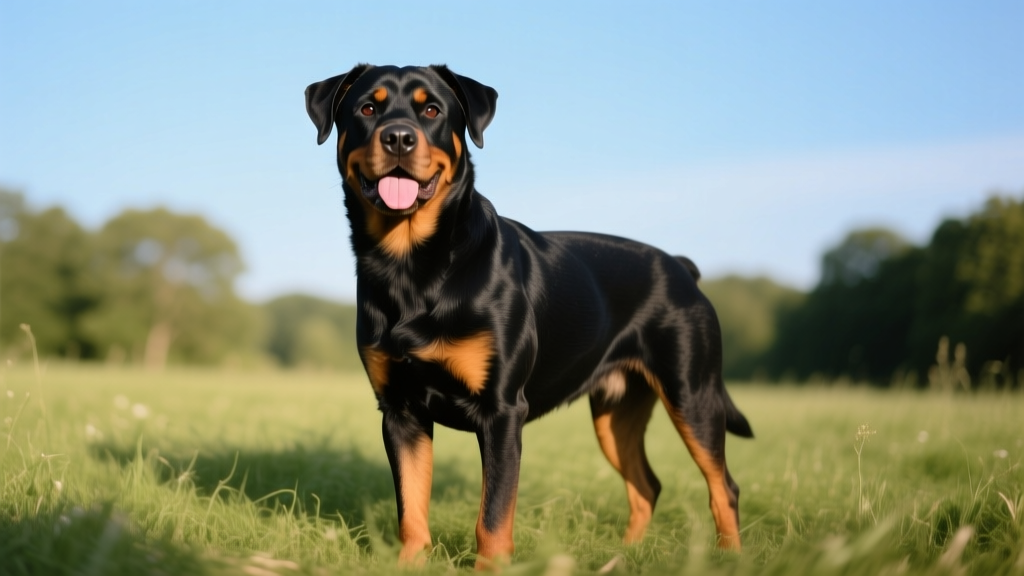
Coat and coloring: Most mini Rottweilers inherit the short, dense double coat typical of the Rottweiler. The classic black-and-tan (mahogany markings above the eyes, on the cheeks, chest, legs, and under the tail) is the most common and sought-after pattern. However, crosses with Beagles or Dachshunds may produce tricolor, red-and-tan, or brindle coats.
Build: Expect a muscular, broad-headed dog with a strong neck and deep chest if the Rottweiler genes are dominant. Crosses with Dachshunds may produce a longer-backed dog, which carries specific spinal risks we'll cover in the health section.
Temperament and Personality: What to Expect
The Rottweiler is known for confidence, loyalty, calm alertness, and a strong guarding instinct. How much of this shows up in a mini Rottweiler depends heavily on which parent breed's traits dominate and how the dog is socialized. Here are the core traits you're most likely to encounter:
1. Fiercely loyal to family. Rottweiler genetics produce a dog that bonds intensely with its primary people. Mini versions tend to be velcro dogs — they follow you room to room, lean against your legs, and want physical contact. This loyalty can manifest as separation anxiety if the dog isn't taught to be comfortable alone from puppyhood. Expect a dog that greets you like you've been gone for years after a 10-minute errand run.
2. Wary of strangers. The guarding instinct doesn't disappear just because the dog is smaller. Most mini Rottweilers will alert-bark at doorbells, delivery drivers, and unfamiliar visitors. Without proper socialization during the critical 3–14 week window, this wariness can escalate to fear-based reactivity or aggression. A well-socialized mini Rottweiler is polite but reserved with strangers; a poorly socialized one may snap or lunge.
3. Intelligent but strong-willed. Rottweilers rank 9th in Stanley Coren's intelligence rankings for working/obedience intelligence, meaning they learn commands quickly but also think independently. In a mini cross, this can mean a dog that understands what you want but decides whether it's worth doing. You'll need patience and high-value treats (freeze-dried liver, real chicken) rather than repetitive drilling.
4. Playful and energetic in bursts. Don't expect a couch potato. Even at 35 lb, a mini Rottweiler with dominant Rottie genes will want to tug, wrestle, chase, and work. They're not endurance runners, but they need vigorous play sessions and mental challenges to stay balanced.
5. Potential same-sex dog aggression. This is a known Rottweiler trait, particularly in males toward other males. In a smaller cross, the physical risk is reduced, but the behavioral tendency can still cause problems at dog parks or in multi-dog homes. Early, positive exposure to diverse dogs is essential.
Exercise and Activity Needs
A common mistake with mini Rottweilers is assuming their smaller size means lower exercise requirements. Rottweiler genetics drive a working-dog energy level, and that energy needs an outlet regardless of the dog's final weight.
| Life Stage | Minutes/Day | Activity Types |
|---|---|---|
| Puppy (3–6 months) | 15–25 min (split into 3 sessions) | Short leash walks, sniff exploration, puppy play groups |
| Adolescent (6–18 months) | 45–60 min | Structured walks, flirt pole, basic agility, fetch |
| Adult (1.5–8 years) | 60–90 min | Long walks/hikes, tug, nosework, obedience training, puzzle toys |
| Senior (8+ years) | 30–45 min | Gentle walks, swimming (low-impact), short training sessions |
Mental exercise is non-negotiable. A physically tired but mentally bored Rottweiler cross will find its own entertainment — typically by chewing furniture, digging, or barking. Budget at least 15–20 minutes daily for brain work: food puzzles (Kong Classic, Outward Hound Nina Ottosson puzzles), scent games, or short training sessions teaching new tricks.
Apartment living: A mini Rottweiler can adapt to apartment life if the exercise commitment is met. However, their alert-barking tendency may cause issues in buildings with thin walls. If you live in an apartment, prioritize two structured leash walks daily plus a midday puzzle feeder session rather than relying on a yard.
Health Issues: What Mini Rottweilers Are Prone To
Health risks depend on which breeds are in the mix, but certain conditions appear frequently enough that every prospective mini Rottweiler owner should know them. Consult your veterinarian for a breed-appropriate screening plan.
| Condition | Description | Prevalence | Screening |
|---|---|---|---|
| Hip Dysplasia | Malformation of the hip joint causing pain and arthritis | ~20% in Rottweilers (OFA data) | OFA/PennHIP radiographs at 24 months |
| Intervertebral Disc Disease (IVDD) | Disc degeneration or herniation, especially in Dachshund crosses | ~25% in Dachshund lineage dogs | Neurological exam; MRI if symptomatic |
| Aortic Stenosis | Narrowing of the heart's aortic valve; inherited cardiac condition | ~6–8% in Rottweilers | Cardiac auscultation + echocardiogram |
| Patellar Luxation | Kneecap slipping out of position; common in small-breed crosses | ~8–12% in small breed mixes | Orthopedic exam during annual vet visits |
| Progressive Retinal Atrophy (PRA) | Gradual degeneration of the retina leading to blindness | Variable; present in both Rottweiler and Miniature Pinscher lines | Ophthalmologist exam + DNA test (Optigen) |
Brachycephalic concerns in French Bulldog crosses: If your mini Rottweiler has French Bulldog parentage, watch for Brachycephalic Obstructive Airway Syndrome (BOAS) — characterized by noisy breathing, exercise intolerance, heat sensitivity, and sleep apnea. These dogs should never be exercised in temperatures above 80°F (27°C) and may require surgical correction of elongated soft palates.
The undersized Rottweiler problem: Deliberately breeding the smallest Rottweilers to produce "mini" dogs often selects for dwarfism genes or underlying health conditions that caused the small size in the first place. These dogs may have compromised immune systems, organ defects, or skeletal fragility that a healthy crossbreed would not. This is why we recommend crossbreed mini Rottweilers from health-tested parents over deliberately undersized purebreds.
Grooming, Training, and Daily Care
Grooming is straightforward. The short double coat needs brushing once a week with a rubber curry brush (like the Kong ZoomGroom, ~$8) or a bristle brush to remove loose undercoat. During seasonal shedding in spring and fall, bump this to twice weekly. Bathing every 6–8 weeks with a gentle oatmeal-based dog shampoo is sufficient unless the dog gets into something messy. Clean ears weekly with a veterinary ear cleanser (Epi-Otic Advanced is a reliable option), and trim nails every 2–3 weeks — Rottweiler crosses tend to have thick, fast-growing nails.
Training approach: Use positive reinforcement exclusively — high-value food rewards, play rewards, and praise. Rottweiler genetics produce a dog that responds to clear, consistent leadership but shuts down or becomes defensive under harsh correction. Never use shock collars, prong collars, or alpha rolls; these methods increase aggression risk in guarding-prone breeds.
Focus your training on these priorities, in order:
- Socialization (weeks 8–16): Expose the puppy to 100+ different people, surfaces, sounds, and other animals in positive contexts. Carry treats and reward calm investigation.
- Impulse control: Teach "wait," "leave it," and a solid "drop it" before 6 months. Rottweiler crosses can be mouthy and grabby as adolescents.
- Leash manners: Start loose-leash walking early. Even a 40-lb dog with Rottweiler drive can pull hard enough to cause shoulder injury.
- Alone-time training: Crate train from day one and gradually build duration. Start with 5 minutes and increase by 5-minute increments daily.
Family Suitability: Kids, Other Pets, and Living Situations
With children: A well-socialized mini Rottweiler can be excellent with children in its own family — patient, protective, and playful. However, the breed's herding and guarding instincts can manifest as nipping at running children or resource guarding food/toys from small kids. Never leave any dog unsupervised with children under 10, and teach children not to approach the dog while eating or sleeping.
With other dogs: Opposite-sex pairings tend to work best. Same-sex dog aggression is a known Rottweiler trait, and while a smaller cross reduces the physical danger, the behavioral conflict is still stressful for multi-dog households. Introduce new dogs slowly, on neutral territory, with parallel walking before direct interaction.
With cats and small animals: Rottweilers have moderate prey drive, and crosses with Dachshunds or Beagles (both bred to hunt small game) may have elevated prey drive. Cat introductions should be gradual and controlled. Keep small pets like rabbits, hamsters, and birds in secure enclosures the dog cannot access.
✅ Pros
- Loyal, deeply bonded companion
- Smaller size suits apartments and smaller homes
- Lower food costs than standard Rottweilers
- Intelligent and trainable with positive methods
- Generally lower grooming maintenance
- Alert and protective without the 100-lb physical risk
❌ Cons
- Not a standardized breed — unpredictable adult traits
- Prone to separation anxiety if under-stimulated
- Alert barking can be problematic in apartments
- Not ideal for first-time owners without guidance
- Health screening is difficult without known parentage
- Some individuals inherit strong guarding/reactivity tendencies
Cost of Ownership: Purchase Price and Annual Expenses
Puppy purchase price: Because the mini Rottweiler is a designer cross, pricing is unregulated and varies wildly. Expect to pay:
- Backyard breeders / online listings: $300–$800 (high risk of health and behavioral issues; no health testing)
- Reputable designer breeders (health-tested parents): $1,000–$2,500
- Rescue/adoption: $150–$400 (check breed-specific Rottweiler rescues and local shelters; mixed-breed Rottweilers are common)
We strongly recommend either purchasing from a breeder who provides OFA health clearances on both parent dogs or adopting from a reputable rescue organization. The upfront savings from a backyard breeder typically result in thousands of dollars in veterinary bills within the first two years.
| Expense Category | Low Estimate | High Estimate |
|---|---|---|
| High-quality food (AAFCO complete & balanced) | $360/year | $600/year |
| Routine veterinary care (exams, vaccines, heartworm) | $400/year | $700/year |
| Pet insurance (accident + illness) | $420/year | $780/year |
| Grooming supplies and occasional professional grooming | $60/year | $200/year |
| Toys, puzzles, enrichment | $100/year | $250/year |
| Training classes (group or private) | $150/year | $600/year |
| Licensing, microchip, miscellaneous | $50/year | $120/year |
| Total Annual Cost | $1,540 | $3,250 |
First-year total (including puppy price, initial veterinary workup, spay/neuter, crate, supplies): plan for $3,500–$6,500 depending on your purchase source and location.
Frequently Asked Questions
Is the mini Rottweiler a good choice for first-time dog owners?
Generally, no — unless the first-time owner commits to professional training classes and extensive socialization. The Rottweiler's guarding instincts, intelligence, and potential for reactivity require an owner who understands canine body language and can provide consistent, confident leadership. If you're a first-time owner set on this type of dog, consider adopting an adult mini Rottweiler mix from a rescue that has already temperament-tested the dog, rather than starting with an untrained puppy.
How big will a mini Rottweiler actually get?
Adult weight typically falls between 25–60 lb (11–27 kg) and height between 12–20 inches (30–51 cm) at the shoulder, but this varies significantly based on the specific cross. Ask the breeder for the exact weights of both parent dogs — the puppy's adult weight usually falls between the two parents' weights, plus or minus 10%. DNA testing (Embark or Wisdom Panel, ~$100–$200) can confirm breed composition if you're uncertain.
What health problems should I watch for?
Hip dysplasia, intervertebral disc disease (especially in Dachshund crosses), aortic stenosis, patellar luxation, and progressive retinal atrophy are the most common concerns. Request OFA or PennHIP hip clearances and cardiac evaluations from the breeder for both parent dogs. Schedule a comprehensive veterinary exam within 72 hours of bringing your puppy home.
How much daily exercise does a mini Rottweiler need?
Adults need 60–90 minutes of combined physical and mental exercise daily. This should include at least one structured 30-minute leash walk, one vigorous play session (tug, fetch, flirt pole), and 15–20 minutes of mental work (training, puzzle feeders, scent games). Puppies under 6 months need shorter, more frequent sessions to protect developing joints.
Are mini Rottweilers good with children and other pets?
They can be excellent with children in their own family when properly socialized, but supervision is essential — especially with toddlers. The herding/guarding instinct may cause nipping at running children. With other dogs, opposite-sex pairings work best. Cat compatibility depends on the individual dog's prey drive; early positive exposure improves outcomes. Small pets (rabbits, rodents) should always be kept securely separated.
How much does a mini Rottweiler cost to buy and maintain?
Puppy prices range from $300 (backyard breeders, not recommended) to $2,500 (reputable designer breeders with health-tested parents). Adoption fees from rescues typically run $150–$400. Annual maintenance costs range from $1,540 to $3,250 per year, with first-year expenses (including puppy price, initial vet work, supplies) totaling $3,500–$6,500.
Can I register a mini Rottweiler with the AKC?
No. The AKC does not recognize the mini Rottweiler as a breed. Only standard Rottweilers meeting the AKC Rottweiler breed standard are eligible for registration. Some designer cross registries (like the American Canine Hybrid Club) may register Rottweiler crosses, but these registrations do not carry the same health-testing requirements or consumer protections as AKC registration.
This article is for informational purposes and does not replace professional veterinary advice. Always consult your veterinarian for health, nutrition, and behavioral guidance specific to your individual dog. For breed-specific health data, refer to the Orthopedic Foundation for Animals and the Merck Veterinary Manual.
Dr. Hannah Wickes
All our authors care for dogs every day — read more of their work on the authors page.


