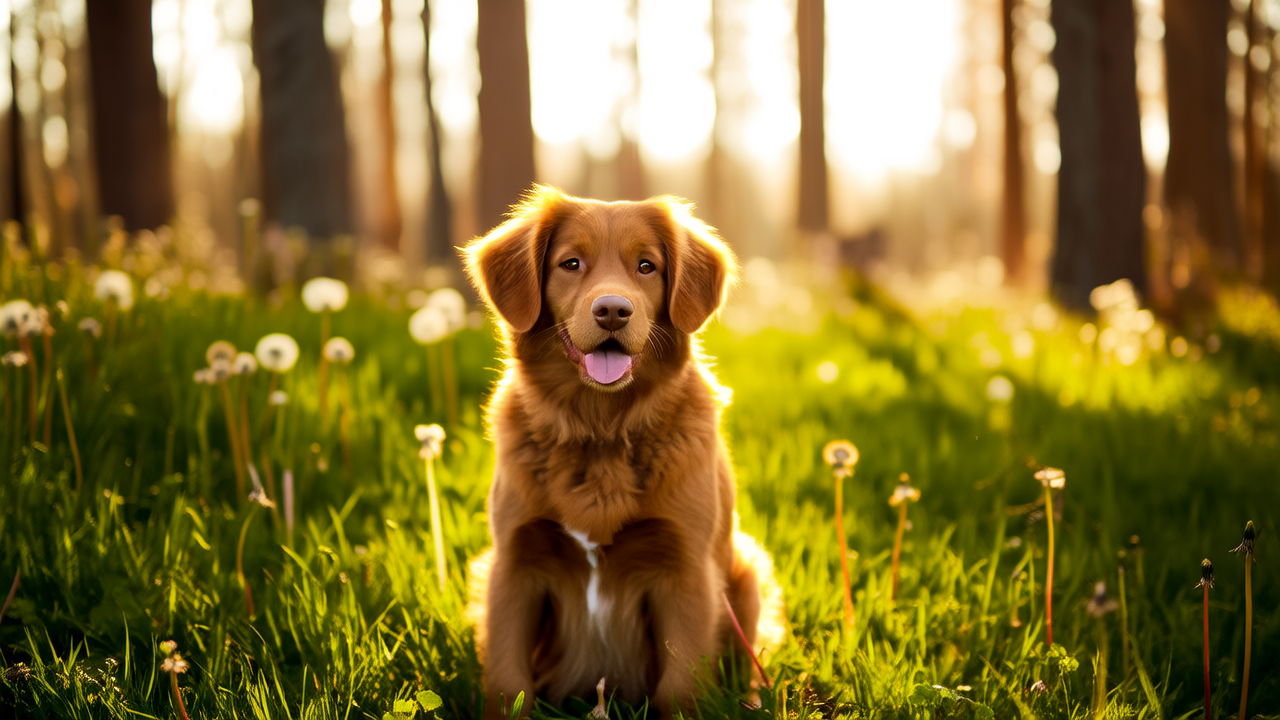
Mini Husky Breed Guide: Temperament, Size, Health & Care
Complete mini husky breed profile covering size, temperament, health risks, exercise needs, grooming, and 2026 ownership costs for prospective owners.

What Is the Mini Husky Breed?
The mini husky is not an officially recognized breed by the American Kennel Club (AKC). Instead, it is a selectively bred smaller version of the Siberian Husky, typically achieved by breeding the smallest individuals (runts) from standard Siberian Husky litters over multiple generations. Some breeders also cross Siberian Huskies with smaller spitz-type breeds like the Alaskan Klee Kai or Schipperke to reduce size, though this produces a mixed-breed dog rather than a true miniaturized husky.
Size class: Small to Medium. The mini husky bridges the gap between the full-sized Siberian Husky (35–60 lb) and toy companion breeds, offering the iconic husky appearance — erect ears, mask markings, curled tail — in a more apartment-friendly package.
The concept gained traction in the early 2010s when breeder Bree Normandin (then Bree's Mini Huskies in Florida) began marketing "miniature Siberian Huskies" bred down from standard AKC-registered Siberians. The practice remains controversial among the Siberian Husky community and mainstream kennel clubs, but demand has grown steadily among urban dog owners who want the husky look without the 50-pound, high-escape-artist reality.
| Attribute | Mini Husky Details |
|---|---|
| Weight Range | 15–35 lb (7–16 kg) |
| Height Range | 12–17 inches (30–43 cm) at the shoulder |
| Lifespan | 12–15 years |
| Coat Type | Double coat — dense undercoat + medium-length guard hairs |
| Energy Level | High — 60–90 minutes of vigorous activity daily |
| Grooming Frequency | 2–3 times/week brushing; daily during biannual coat blows |
| Family Fit | Moderate — good with older kids, challenging with small pets |
| AKC Recognition | Not recognized (no breed standard) |
Mini Husky Temperament & Personality
Because the mini husky inherits its behavioral blueprint directly from the Siberian Husky, expect the same core traits — just in a smaller chassis. This matters because many first-time owners assume a smaller dog means a calmer dog. That is not the case here.
1. Independent and Stubborn
Mini huskies are thinkers, not eager-to-please workers like a Golden Retriever. Ask them to sit and they will evaluate whether sitting benefits them. In practical terms, this means training sessions need high-value rewards (freeze-dried liver, real chicken) and short durations (5–8 minutes max) to hold their attention.
2. Vocal and Expressive
They talk. Not just barking — mini huskies howl, whine, "woo-woo" vocalize, and scream when frustrated. Apartment dwellers should consider this seriously: a mini husky left alone for 8 hours will likely serenade your neighbors. Separation anxiety is common in the breed line, and vocalization is the primary symptom.
3. High Prey Drive
The Siberian Husky was bred to chase small game across tundra, and that instinct persists in the mini version. Cats, rabbits, hamsters, and even small dogs can trigger a chase response. A real-world example: a 20-pound mini husky will bolt after a squirrel through an open gate with zero recall response. Off-leash freedom is almost never safe for this breed in unfenced areas.
4. Escape-Oriented
Mini huskies are Houdinis. They dig under fences, climb chain-link, and squeeze through gaps that seem impossibly small. A 6-foot fence is recommended even for the mini version, with the bottom secured by concrete footing or buried wire mesh extending 12 inches underground.
5. Pack-Oriented and Social
They thrive with other dogs and bond deeply with their family unit. A mini husky that is the only pet in a household where owners work long hours is a recipe for destructive behavior — chewed drywall, shredded cushions, and noise complaints.
Physical Characteristics: Size, Coat, and Build
Adult Weight: 15–35 lb (7–16 kg). Most well-bred mini huskies land in the 20–28 lb range. Dogs under 15 lb often result from dwarfism genes or extreme runting, which carries health risks (discussed below).
Adult Height: 12–17 inches (30–43 cm) at the withers. For comparison, a standard Siberian Husky stands 20–23.5 inches.
Coat: The double coat consists of a soft, dense undercoat for insulation and a straight, medium-length outer coat. Colors mirror the standard Siberian Husky spectrum: black and white, gray and white, red and white, sable, agouti, and solid white. Eye colors include blue, brown, amber, or heterochromia (one of each — sometimes called "party eyes" within the husky community).
Build: Compact and athletic with a slightly longer body than tall. The tail is well-furred and carried in a sickle curve over the back. Ears are erect, triangular, and proportionally large for the head — giving them the signature "baby husky" look that drives demand.
Pros of Mini Husky Size
- Fits apartment weight restrictions (most limits are 25–35 lb)
- Lower food costs — roughly $35–$50/month on quality kibble
- Easier to travel with in airline-compliant soft carriers
- Less joint stress than full-sized huskies
Cons of Mini Husky Size
- No AKC breed standard means size is unpredictable between litters
- Extreme miniaturization can produce fragile bone structure
- Same exercise demands as a 50 lb dog in a 20 lb body
- Shedding is proportionally massive for their size
Exercise & Activity Needs
Do not let the small size fool you: the mini husky requires 60–90 minutes of vigorous exercise daily. This is non-negotiable. A mini husky that does not get adequate exercise will redirect that energy into destructive behavior — and they are remarkably creative destroyers.
| Activity Type | Duration | Frequency | Notes |
|---|---|---|---|
| Brisk leash walking | 30–45 minutes | Daily (split into 2 walks) | Use a front-clip harness (e.g., Ruffwear Front Range) to manage pulling |
| Off-leash running in secure area | 20–30 minutes | 3–5 times/week | Fenced dog parks only — recall is unreliable in open spaces |
| Mental stimulation | 15–20 minutes | Daily | Puzzle feeders (Outward Hound Nina Ottosson), snuffle mats, frozen Kongs |
| Canicross or bikejoring | 20–40 minutes | 2–3 times/week (adults only) | Ideal outlet for pulling instinct; wait until 12+ months for joint safety |
| Indoor play | 15–20 minutes | Daily | Flirt pole sessions, hide-and-seek with treats |
Temperature caution: The double coat makes mini huskies prone to overheating above 75°F (24°C). Exercise should shift to early morning or evening during summer. Watch for excessive panting, glazed eyes, or stumbling — these are heat exhaustion red flags requiring immediate cooling and veterinary attention.
Common Health Issues in Mini Huskies
Because the mini husky lacks a formal breed standard and health testing requirements, conditions vary significantly depending on breeding practices. Responsible breeders screen parent dogs for the same conditions tested in standard Siberian Huskies. Here is what to watch for:
| Condition | Description | Estimated Prevalence | Screening / Prevention |
|---|---|---|---|
| Progressive Retinal Atrophy (PRA) | Genetic degeneration of the retina leading to blindness, typically onset at 3–5 years | 5–8% in husky lines | DNA test available (Optigen prcd-PRA); breeders should provide clear results |
| Hip Dysplasia | Malformation of the hip joint causing pain and arthritis | 6–10% (lower than large breeds but present in mini lines due to rapid growth) | OFA or PennHIP screening of parent dogs; maintain lean body condition |
| Cataracts (Hereditary) | Clouding of the lens; juvenile cataracts can appear before age 3 in husky lines | 8–12% in Siberian Husky populations per Merck Veterinary Manual | Annual CERF/OFA ophthalmologist exam for breeding stock |
| Patellar Luxation | Kneecap slipping out of place — more common in smaller dogs bred for reduced size | 4–7% in mini-sized dogs | Orthopedic exam; avoid breeding dogs with grade II+ luxation |
| Zinc-Responsive Dermatosis | Skin condition causing crusting, scaling, and hair loss around eyes, muzzle, and pressure points | 2–5% in Northern breeds | Zinc supplementation under veterinary guidance; avoid high-phytate diets |
Dwarfism concern: Some mini huskies achieve their small size through achondroplasia (dwarfism gene), which can cause shortened limbs, spinal abnormalities, and early-onset intervertebral disc disease (IVDD). Ask breeders specifically how they achieve smaller size — selective breeding from small-but-proportionate adults is far safer than dwarfism lines.
Always consult your veterinarian for diagnosis and treatment of any health condition. The information above is educational and does not replace professional veterinary care.
Grooming Requirements
The mini husky's double coat is a significant commitment. Here is the realistic breakdown:
Regular maintenance (non-shedding season):
Brush 2–3 times per week using a slicker brush (e.g., Chris Christensen Big G) followed by an undercoat rake. Focus on the britches (rear leg feathering), behind the ears, and the tail base — these areas mat first. A full grooming session takes 15–20 minutes.
Coat blow season (spring and fall, lasting 3–5 weeks each):
The undercoat sheds in massive clumps. Daily brushing with an undercoat rake (e.g., Furminator deShedding Tool for small dogs) is essential. Expect tumbleweeds of fur throughout your home. A high-velocity dryer (like the Metro Air Force Commander) can dramatically speed up undercoat removal — a tool most professional groomers use and that owners can invest in for roughly $120–$180.
Bathing: Every 6–8 weeks or as needed. Use a deshedding shampoo and conditioner system (e.g., FURminator deShedding Ultra Premium Shampoo). Husky coats repel dirt naturally and do not have the typical "dog odor," so frequent bathing is unnecessary and can strip protective oils.
Nail trims: Every 2–3 weeks. Mini huskies are notoriously sensitive about paw handling — start desensitization early using treats and gradual touch progression.
Never shave a mini husky. The double coat regulates both heat and cold. Shaving disrupts this system, can cause permanent coat texture changes (post-clipping alopecia), and actually increases heat absorption from direct sunlight.
Training & Intelligence
Trainability rating: Moderate to Challenging (5/10)
Mini huskies are intelligent — they learn commands quickly — but they are not biddable. The distinction matters: a Border Collie learns "sit" and sits every time because it wants to work with you. A mini husky learns "sit" and then decides whether sitting is worth its time. This is not stupidity; it is independent problem-solving inherited from sled dog genetics where dogs had to make survival decisions without human direction.
Recommended training methods:
- Positive reinforcement only. High-value food rewards (real meat, cheese), clicker marking, and play rewards. Force-free, LIMA (Least Intrusive, Minimally Aversive) methods are the only approach that builds reliable cooperation with this breed.
- Short sessions. 5–8 minutes, 2–3 times daily. Beyond 10 minutes, a mini husky's attention disengages.
- Recall training is a lifelong project. Start in a fenced area with a long line (15–30 ft). Use a unique recall cue (not the same word you use casually). Expect 6–12 months of consistent practice before recall becomes semi-reliable — and even then, never trust it near wildlife or traffic.
- Crate training is essential. A mini husky with separation anxiety left uncrated will destroy sheetrock, doorframes, and furniture. Use a wire crate (MidWest iCrate, 30-inch for most minis) with a frozen Kong stuffed with peanut butter to build positive crate associations.
What does NOT work: Shock collars, prong collars, alpha rolls, or dominance-based methods. These escalate anxiety and reactivity in husky-type dogs. A husky that is punished for vocalizing often develops more extreme vocalization or redirected aggression. The American Veterinary Society of Animal Behavior (AVSAB) recommends against aversive training tools across all breeds, and this is especially true for sensitive, independent spitz breeds.
Family Suitability
With children: Mini huskies are generally good with children aged 8 and older who understand how to interact with dogs respectfully. They are not ideal for toddlers — their high energy and mouthiness (huskies are notoriously nippy as puppies) can overwhelm small children. They do not have the patience of a Labrador or the gentleness of a Cavalier King Charles Spaniel around very young kids.
With other dogs: Excellent. Mini huskies are pack animals and typically integrate well with other dogs, especially when introduced properly. Same-sex aggression can occur in intact dogs — spaying/neutering reduces this risk.
With cats and small pets: High risk. The prey drive is real and persistent. Some mini huskies can coexist with cats they were raised alongside from puppyhood, but introducing an adult mini husky to a household with cats is unpredictable. Never leave a mini husky unsupervised with rabbits, guinea pigs, or birds.
Apartment living: Possible but challenging. The size fits most apartment weight limits, and they adapt to smaller spaces if exercised adequately. The barrier is noise — husky vocalization generates neighbor complaints and lease violations. If you work from home or can arrange midday exercise breaks, apartment life can work. If you are gone 8+ hours daily, this breed is a poor apartment choice.
Cost of Ownership
Puppy purchase price (2026 ranges):
- Reputable breeder (health-tested parents, take-back guarantee): $1,500–$3,500
- Backyard breeder / online marketplace: $500–$1,200 (high risk for health and temperament issues)
- Husky mix rescue adoption: $150–$400 (check breed-specific rescues like Siberian Husky Club of America Rescue for smaller huskies)
First-year cost breakdown:
| Expense Category | Estimated Cost |
|---|---|
| Puppy purchase | $1,500–$3,500 |
| Veterinary (initial exams, vaccines, spay/neuter) | $600–$1,200 |
| Food (12 months, premium kibble or balanced raw) | $420–$600 |
| Supplies (crate, harness, leash, bowls, grooming tools) | $250–$450 |
| Training (group classes + private sessions) | $200–$600 |
| Pet insurance (annual premium) | $360–$600 |
| Microchip + registration | $50–$75 |
| Total first year | $3,380–$7,025 |
Annual ongoing costs (years 2+): $1,200–$2,200/year, covering food, preventive medications (heartworm, flea/tick), annual veterinary exams, grooming supplies, and insurance.
Is the Mini Husky Right for First-Time Owners?
Honestly, the mini husky is a moderate-to-difficult choice for first-time owners. The combination of high exercise needs, vocalization, escape behavior, prey drive, and independent temperament creates a steep learning curve. First-time owners who succeed with mini huskies typically share these traits:
- They work from home or have flexible schedules (no 10-hour absences)
- They commit to professional training within the first 3 months
- They have access to secure outdoor space or nearby fenced dog parks
- They have researched the breed extensively and accept the vocalization and shedding as permanent realities
If you are a first-time owner drawn to the husky look but concerned about the behavioral demands, consider these alternatives: the Alaskan Klee Kai (recognized breed with more predictable temperament, 10–23 lb), the Finnish Spitz (moderate energy, good family dog), or a husky mix from a reputable rescue with behavioral assessment and foster history.
Frequently Asked Questions
How big does a mini husky get as an adult?
Adult mini huskies typically weigh 15–35 lb (7–16 kg) and stand 12–17 inches (30–43 cm) at the shoulder. Size varies significantly between breeders because there is no standardized breed guideline. Always ask to see the parent dogs to estimate your puppy's adult size.
How much exercise does a mini husky need every day?
Plan for 60–90 minutes of vigorous activity daily, split between structured walks, off-leash running in secure areas, and mental enrichment. This is comparable to a full-sized Siberian Husky despite the smaller body.
What health problems are mini huskies prone to?
The most common breed-associated conditions include progressive retinal atrophy (PRA), hereditary cataracts, hip dysplasia, patellar luxation, and zinc-responsive dermatosis. Dogs bred using dwarfism genes may also develop spinal issues and IVDD. Request health clearances from breeders before purchasing.
Are mini huskies good with children and other pets?
They are generally good with older children (8+) and other dogs. However, their high prey drive makes them risky around cats, rabbits, and other small animals. Supervised introductions and early socialization improve outcomes but do not eliminate prey drive entirely.
How much does a mini husky cost to buy and maintain?
Expect to pay $1,500–$3,500 for a puppy from a reputable breeder. First-year total costs (including vet care, supplies, and food) range from $3,380–$7,025. Ongoing annual costs after the first year average $1,200–$2,200.
Do mini huskies shed a lot?
Yes. They have a dense double coat that sheds moderately year-round and blows the undercoat heavily twice a year (spring and fall) for 3–5 weeks each cycle. Daily brushing during coat blow is essential.
Can mini huskies live in apartments?
They can, but it is challenging. The primary issues are noise (howling and vocalization) and exercise requirements. Owners who successfully keep mini huskies in apartments typically work from home, have flexible schedules, and live near accessible outdoor exercise areas.
Tom Renshaw
All our authors care for dogs every day — read more of their work on the authors page.