The Complete Dachshund Maltese Mix Guide
Everything about the Maltese mixed with wiener dog (Dachshund): size, temperament, coat types, health risks, grooming, and cost for this designer mix.
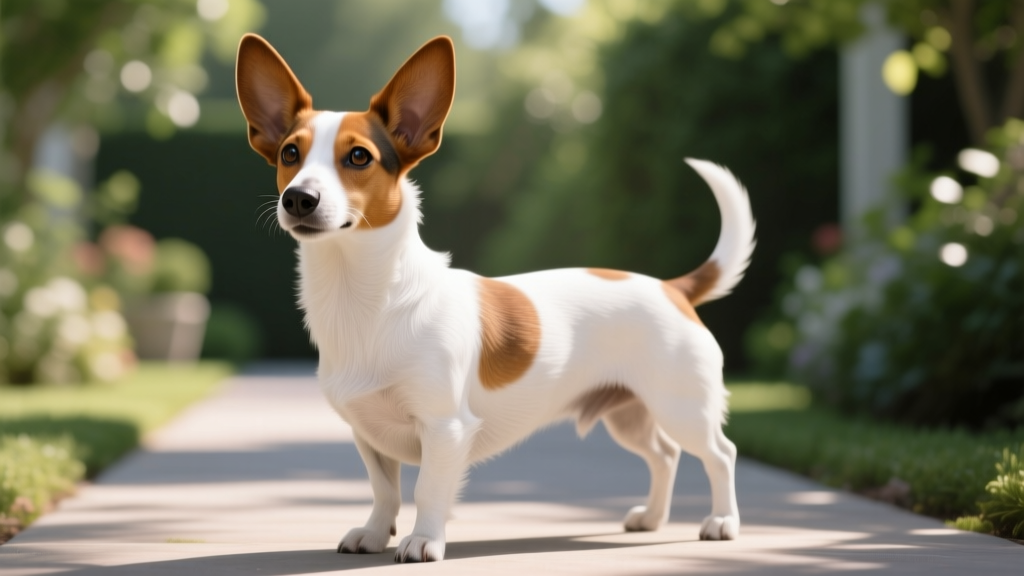
What Two Breeds Make Up the Maltese Mixed With Wiener Dog?
The Maltese mixed with wiener dog — more commonly called the Dachshund Maltese mix or "Malshi-Dach" (though naming conventions vary by breeder) — is a small designer cross between a purebred Maltese and a purebred Dachshund. This mix combines the silky, low-shedding coat genetics of the Maltese with the elongated body and bold personality of the Dachshund.
Unlike established doodle mixes (Labradoodles, Goldendoodles), this cross doesn't have a universally recognized portmanteau name, which means you'll see it listed under various labels: Dachshund Maltese mix, Maltese Dachshund cross, Malwiener, or simply designer small breed mix. Regardless of the name, the parentage is the same.
Parent Breed Breakdown
Understanding each parent breed is essential because mixed-breed puppies can inherit traits from either side in unpredictable combinations. Here's what you're working with:
| Trait | Maltese (Parent 1) | Dachshund (Parent 2) |
|---|---|---|
| AKC Group | Toy Group | Hound Group |
| Weight Range | Under 7 lb / under 3.2 kg | Miniature: under 11 lb (5 kg); Standard: 16–32 lb (7–14.5 kg) |
| Height | 7–9 inches (18–23 cm) | Miniature: 5–6 in (13–15 cm); Standard: 8–9 in (20–23 cm) |
| Coat Type | Long, silky, single coat; hair (not fur) | Smooth, longhaired, or wirehaired; double coat |
| Shedding | Very low | Low to moderate (varies by coat type) |
| Temperament | Gentle, playful, affectionate, alert | Bold, curious, stubborn, loyal, prey-driven |
| Lifespan | 12–15 years | 12–16 years |
| Original Purpose | Companion/lap dog (Mediterranean, ancient breed) | Burrow-hunting badger dog (Germany, 15th century+) |
The Maltese is one of the oldest toy breeds, with origins tracing back over 2,000 years to the central Mediterranean. The AKC recognizes the Maltese as a devoted companion breed known for its floor-length white coat and surprisingly alert demeanor. The Dachshund, by contrast, was bred for tenacity — short legs and a long body allowed them to chase prey into underground burrows. That hunting heritage still shapes their personality today.
How Big Will a Maltese Dachshund Mix Get?
Size is one of the more predictable aspects of this mix because both parent breeds are small. However, the exact outcome depends heavily on whether the Dachshund parent is miniature or standard-sized.
| Parent Combination | Expected Weight | Expected Height (at shoulder) | Body Length |
|---|---|---|---|
| Maltese × Miniature Dachshund | 6–12 lb (2.7–5.4 kg) | 6–9 inches (15–23 cm) | 14–18 inches (36–46 cm) |
| Maltese × Standard Dachshund | 10–20 lb (4.5–9 kg) | 8–11 inches (20–28 cm) | 16–22 inches (41–56 cm) |
Most breeders intentionally use miniature Dachshunds for this cross to keep the size manageable and reduce birthing complications. The resulting puppies typically land in the 7–12 lb range as adults, making them squarely in the "small dog" category. Expect a moderately elongated body — not as extreme as a pure Dachshund, but noticeably longer than a Maltese.
Growth timeline: Small breeds mature faster than large breeds. Your Maltese-Dachshund mix will reach approximately 80% of adult weight by 6 months and full adult size by 10–12 months.
Generations Explained: F1, F1B, and Beyond
Generation terminology matters for designer mixes because it directly affects trait predictability and coat type. Here's what each label means for this cross:
- F1 (First Generation): One purebred Maltese parent + one purebred Dachshund parent. Maximum genetic diversity, but highest trait variability. Puppies in the same litter may look dramatically different.
- F1B (First Generation Backcross): An F1 Maltese-Dachshund mix bred back to one of the parent breeds (usually the Maltese, to improve coat hypoallergenic qualities). Slightly more predictable traits.
- F2 (Second Generation): Two F1 Maltese-Dachshund mixes bred together. Trait predictability actually decreases in F2 litters due to genetic recombination — puppies may strongly resemble one grandparent breed.
- Multigen (F3+): Multiple generations of Maltese-Dachshund crosses bred together. This is rare for this particular mix because there's no large-scale breeding program. Be skeptical of anyone claiming "multigen" Maltese-Dachshund mixes.
In practice, the vast majority of Maltese mixed with wiener dog puppies you'll encounter are F1 crosses. This mix hasn't developed the organized breeding infrastructure that doodle breeds have, so multigen lines are uncommon. If a breeder claims multigen status, ask for pedigree documentation spanning at least three generations of this specific cross.
Coat Types, Shedding, and the Hypoallergenic Question
Coat inheritance is where this mix gets genuinely unpredictable. The Maltese carries genes for a long, single-layered, continuously growing hair coat. The Dachshund comes in three distinct coat varieties — smooth (short double coat), longhaired (silky with feathering), and wirehaired (rough, dense double coat). Which coat genes your puppy inherits is essentially a genetic lottery in F1 litters.
Coat Possibilities
| Coat Outcome | Description | Shedding Level | Likelihood (F1) |
|---|---|---|---|
| Long and silky (Maltese-dominant) | Single coat, soft texture, grows continuously, may be wavy | Very low | Moderate (~30–40%) |
| Short and smooth (Dachshund-dominant) | Double coat, sleek, close to body | Low to moderate | Moderate (~25–35%) |
| Mixed/intermediate | Medium length, slightly wavy, may have light undercoat | Low | Common (~30–40%) |
| Wirehaired influence | Coarser texture, possible facial furnishings ("beard") | Low | Uncommon (~5–10%) |
Is This Mix Hypoallergenic?
No dog is truly hypoallergenic. The term is a marketing label, not a veterinary designation. However, Maltese-dominant coats produce less dander and shed minimally, making them better tolerated by some allergy sufferers. If allergies are a concern, seek an F1B backcross to the Maltese parent, which increases the likelihood of a low-shedding, hair-type coat. That said, individual allergic responses vary — always spend time with the specific puppy before committing.
Temperament: What to Expect (and What Might Surprise You)
This is where the Maltese mixed with wiener dog gets interesting — and where prospective owners need realistic expectations. You're blending a gentle companion breed with a bold, prey-driven hunting dog. The result can be charming, but it's not always predictable.
Best-Case Temperament Scenario
The ideal outcome is a dog that combines the Maltese's affectionate, people-oriented nature with the Dachshund's confidence and spunky personality. These dogs tend to be:
- Deeply bonded to their primary person (sometimes velcro-level attachment)
- Alert and vocal — excellent little watchdogs who announce visitors
- Playful and entertaining, with bursts of "zoomies" followed by long couch sessions
- Adaptable to apartment living as long as they get daily walks and mental stimulation
- Good with respectful older children who understand small-dog handling
Challenging Temperament Scenarios
Less ideal — but entirely possible — outcomes include:
- Stubbornness from the Dachshund side: Dachshunds rank low in obedience intelligence (not because they lack cognitive ability, but because they were bred to work independently underground). This can make recall training and off-leash reliability very difficult.
- Prey drive: If the Dachshund hunting instinct dominates, your mix may chase squirrels, rabbits, and even small cats. Off-leash time in unfenced areas becomes risky.
- Separation anxiety: Both parent breeds form intense bonds. Left alone for long periods, this mix is prone to distress barking and destructive behavior.
- Resource guarding or territorial behavior: Dachshunds can be possessive of food, toys, and their favorite person. Early socialization and positive reinforcement training are essential.
- Wariness with strangers: While Maltese tend to be friendly with everyone, Dachshunds can be suspicious of unfamiliar people. Your mix may lean either direction.
Trait Variability Quick Reference:
| Trait | More Maltese-Like | More Dachshund-Like |
|---|---|---|
| Trainability | Eager to please, responsive | Independent, selective listening |
| Stranger friendliness | Welcoming, social | Reserved, alert-barking |
| Prey drive | Low interest in chasing | Strong chase instinct |
| Energy level | Moderate, play bursts | Higher stamina, digging interest |
| Vocalization | Occasional alert barking | Frequent barking, howling possible |
Health Considerations: Hybrid Vigor vs. Reality
Let's address a common misconception head-on: hybrid vigor does not eliminate health risks. The concept of heterosis (hybrid vigor) suggests that crossbreeding increases genetic diversity and reduces the expression of recessive disorders. There is some scientific support for this — a study published in the Journal of the American Veterinary Medical Association found that mixed-breed dogs had slightly lower incidence of certain inherited conditions. However, this does not mean your designer mix is immune to health problems. It simply means the probability of certain recessive disorders may be reduced compared to heavily inbred purebred lines.
Here's what this specific mix may inherit from each parent:
Health Risks From the Dachshund Side
- Intervertebral Disc Disease (IVDD): This is the single most important health concern. Dachshunds have a 1 in 4 lifetime risk of developing IVDD due to their chondrodysplastic (abnormal cartilage development) body structure. A Maltese-Dachshund mix with an elongated spine inherits this structural vulnerability. IVDD can cause pain, paralysis, and may require surgery costing $3,000–$8,000.
- Patellar luxation: Kneecap dislocation, common in small breeds. Grades I–II may be managed conservatively; Grades III–IV often need surgical correction ($1,500–$3,000 per knee).
- Obesity: Extra weight puts devastating stress on an already-vulnerable spine. Maintaining lean body condition (BCS 4–5 on a 9-point scale) is non-negotiable.
Health Risks From the Maltese Side
- Dental disease: Maltese are notorious for early and severe periodontal disease due to tooth crowding in a small jaw. Expect professional dental cleanings under anesthesia starting as early as age 2–3, with annual cleanings thereafter ($500–$1,200 per cleaning).
- Luxating patella: Shared risk with the Dachshund side — this one compounds.
- White shaker syndrome (idiopathic cerebellitis): A neurological condition causing tremors, primarily seen in small white dogs. Usually responsive to corticosteroid treatment.
- Hypoglycemia: Especially in puppies under 6 months. Small body size means limited glycogen reserves; missed meals can cause dangerous blood sugar drops.
Shared/Compounding Risks
- Tracheal collapse: Both breeds are predisposed. Use a harness (never a neck collar) for walks to avoid tracheal pressure.
- Eye conditions: Progressive retinal atrophy (PRA) and cataracts can appear in both breeds. Ask breeders about CERF/OFA eye clearances.
IVDD Emergency Red Flags — Seek Veterinary Care Immediately If Your Dog Shows:
- Sudden reluctance to jump, climb stairs, or move
- Arched back with apparent pain (hunched posture)
- Dragging rear legs or knuckling (walking on tops of paws)
- Loss of bladder/bowel control
- Crying out when picked up or touched along the spine
Time is critical with IVDD. Dogs treated within 24 hours of symptom onset have significantly better outcomes. Contact your veterinarian or an emergency veterinary hospital immediately.
Prevention strategy: Maintain lean body weight, use ramps for furniture access (never let them jump on/off beds or couches), provide joint-supportive nutrition, and discuss IVDD screening with your veterinarian at annual wellness exams. Always consult your veterinarian about an individualized health monitoring plan for your specific dog.
Grooming Needs Based on Coat Type
Grooming requirements vary substantially depending on which parent's coat your dog inherits. Here's a practical breakdown:
If the Coat Is Long/Silky (Maltese-Dominant)
- Brushing: Daily or every other day with a slicker brush and metal comb to prevent matting
- Bathing: Every 2–3 weeks using a gentle, dog-specific shampoo (human shampoo disrupts canine skin pH)
- Professional grooming: Every 6–8 weeks for a trim, especially around the eyes, paws, and sanitary areas. Budget $50–$85 per session depending on your region.
- Tear staining: Common in light-colored dogs. Wipe the eye area daily with a damp cloth; commercial tear stain removers (like Angels' Eyes or Eye Envy) can help.
If the Coat Is Short/Smooth (Dachshund-Dominant)
- Brushing: Weekly with a rubber curry brush or bristle brush
- Bathing: Every 4–6 weeks or as needed
- Professional grooming: Generally unnecessary; occasional nail trims and ear cleaning suffice
- Shedding management: A de-shedding tool like the Furminator (small/short-hair model, ~$30–$40) used weekly during seasonal shedding periods
If the Coat Is Intermediate/Mixed
- Brushing: 3–4 times per week
- Professional grooming: Every 8–10 weeks for a tidy-up trim
- Watch for matting: Behind the ears, under the armpits, and around the collar area are common mat zones in wavy-coated mixes
Regardless of coat type, all Maltese-Dachshund mixes need:
- Daily tooth brushing with enzymatic dog toothpaste (e.g., CET Poultry Flavor, ~$10). This breed mix is at extreme risk for early dental disease.
- Nail trims every 2–3 weeks (overgrown nails alter gait and worsen spinal stress)
- Ear cleaning weekly with a veterinary ear cleaner if ears are floppy (Dachshund-inherited); every 2 weeks if erect
Cost Breakdown: Purchase Price, Annual Care, and Lifetime Budget
Designer mixes command premium prices, but this particular cross is less commercialized than doodle breeds, which actually works in your favor.
Acquisition Costs
| Source | Price Range | What's Typically Included |
|---|---|---|
| Responsible breeder (health-tested parents) | $800–$2,000 | First vaccines, deworming, microchip, health guarantee, spay/neuter contract, take-back clause |
| Casual/backyard breeder | $300–$800 | Variable — often minimal health screening, no guarantee |
| Rescue/shelter adoption | $150–$400 | Spay/neuter, vaccines, microchip, basic vet exam |
Rescue availability for this specific mix is limited because it's a newer designer cross. Check small-breed-specific rescues (like Dachshund rescue networks and Maltese rescue organizations) — mixed-breed dogs frequently end up in breed-specific rescues. Petfinder.com allows you to search by mix type.
First-Year Cost Estimate
| Expense Category | Estimated Cost |
|---|---|
| Puppy acquisition | $800–$2,000 |
| Initial veterinary (vaccines, spay/neuter, microchip if not included) | $400–$900 |
| Food (high-quality small-breed kibble or wet food, 12 months) | $250–$500 |
| Supplies (crate, harness, bed, bowls, leash, toys, ramp) | $200–$450 |
| Grooming (if long coat, 5–6 professional sessions) | $250–$500 |
| Pet insurance (optional but recommended, annual premium) | $350–$700 |
| Training (puppy class + basic manners, positive reinforcement) | $150–$400 |
| Total first year | $2,400–$5,450 |
Ongoing annual costs after the first year typically run $1,200–$2,800, depending on grooming needs, insurance coverage, and any emerging health issues. Given the IVDD risk, pet insurance with a hereditary condition rider is worth serious consideration — companies like Trupanion, Healthy Paws, and Lemonade cover IVDD if enrolled before symptoms appear.
Who Is This Mix Best Suited For?
The Maltese mixed with wiener dog isn't the right fit for every household. Here's a practical suitability assessment:
Ideal Owner Profile
- Living situation: Apartment or condo dwellers, or homeowners with a securely fenced yard. This mix adapts well to smaller spaces but needs daily walks (20–40 minutes total, split into 2 sessions).
- Time at home: Someone who works from home or has a schedule that avoids leaving the dog alone for more than 4–5 hours at a stretch. Separation anxiety is a genuine risk.
- Experience level: Intermediate owners do best. First-time owners can succeed if they commit to puppy socialization classes and positive reinforcement training. The Dachshund's independence requires patience — this is not a "beginner-friendly" mix in the way a pure Maltese might be.
- Family composition: Adults, couples, or families with children aged 8+. Small children often handle small dogs roughly, and a long-backed dog is especially vulnerable to injury from being dropped or squeezed.
- Activity level: Moderate. This isn't a hiking companion, but they do need consistent daily exercise to maintain weight and mental health. Puzzle toys, scent games, and short sniff-walks satisfy both the companion and hunting instincts.
Less Suitable For
- Families with toddlers or very young children (injury risk to the dog)
- Owners who are away 8+ hours daily without pet care arrangements
- Households with pet rodents, birds, or small animals (prey drive risk)
- Anyone seeking a highly obedient, off-leash reliable dog
- Multi-cat households (possible, but requires careful introductions and management)
Training Approach
Use positive reinforcement methods exclusively — food rewards, clicker training, and reward-based shaping. This mix responds poorly to harsh corrections, which can trigger the Dachshund's defensive stubbornness or the Maltese's sensitivity. Key training priorities:
- House training: Small bladders mean frequent outings. Expect 3–6 months for reliable house training. Crate training helps — use a crate sized for a 10–15 lb dog (approximately 24-inch crate, ~$35–$60).
- Recall: Start early, practice in low-distraction environments, and accept that off-leash reliability may never be 100% due to prey drive.
- Handling exercises: Gently handle paws, ears, and mouth daily from puppyhood to prepare for grooming and veterinary exams.
- Socialization: Expose to diverse people, environments, sounds, and surfaces between 8–16 weeks (the critical socialization window identified by the AVMA).
Frequently Asked Questions
Are Maltese mixed with wiener dogs good apartment dogs?
Yes, with caveats. Their small size and moderate energy make them well-suited to apartment life, but they can be vocal. If you share walls with neighbors, invest early in training a "quiet" cue and provide plenty of mental enrichment to reduce boredom barking. A daily routine of two 15–20 minute walks plus indoor play sessions typically meets their exercise needs.
How long do Maltese Dachshund mixes live?
Expect a lifespan of 12–15 years, consistent with both parent breeds. Some individuals live to 16 or 17 with excellent preventive care, lean body weight, and regular veterinary checkups. The main lifespan-reducing risks are IVDD complications, advanced dental disease (which can affect heart and kidney health), and obesity.
Do Maltese Dachshund mixes get along with other dogs?
Generally yes, especially if socialized early. Dachshunds can be same-sex aggressive and possessive of their owner, so introductions should be gradual and supervised. Pairs of opposite-sex dogs tend to coexist more peacefully. Avoid pairing with much larger dogs who could accidentally injure a small, long-backed dog during play.
What should I feed a Maltese mixed with wiener dog?
Choose an AAFCO-approved small-breed formula with appropriate kibble size. Look for a named protein source (chicken, lamb, salmon) as the first ingredient and a guaranteed analysis showing minimum 22% protein for adults. Caloric needs for a 10 lb adult are approximately 300–400 calories per day, split into two meals. Weight management is critical — even 1–2 extra pounds significantly increases IVDD risk on an elongated spine.
Is this mix recognized by the AKC?
No. The American Kennel Club does not recognize designer mixed breeds. However, both parent breeds are fully AKC-recognized. Some designer mixes can be registered with alternative organizations like the American Canine Hybrid Club (ACHC) or Designer Dogs Kennel Club (DDKC), though these registrations carry less weight than AKC purebred registration. If a breeder claims "AKC registered" for a mixed-breed puppy, they are being misleading.
How do I find a responsible breeder for this mix?
Look for breeders who: health-test both parent dogs (OFA or PennHIP for patellas, OFA cardiac clearance, CERF eye exams, and ideally genetic testing for PRA and other known markers); allow you to meet the parent dogs; provide a written health guarantee with a take-back clause; raise puppies in their home with early neurological stimulation (ENS); and ask you questions about your lifestyle and readiness. Avoid breeders who always have puppies available, sell exclusively online with no in-person visits, or cannot provide health testing documentation.
Robin Maitland
All our authors care for dogs every day — read more of their work on the authors page.


