Malshi Maltese Mix: Complete Breed Guide for Owners
Everything about the Malshi Maltese mix: size, temperament, health risks, grooming, training, and 2026 cost of ownership from puppy to senior.
What Is a Malshi Maltese Mix?
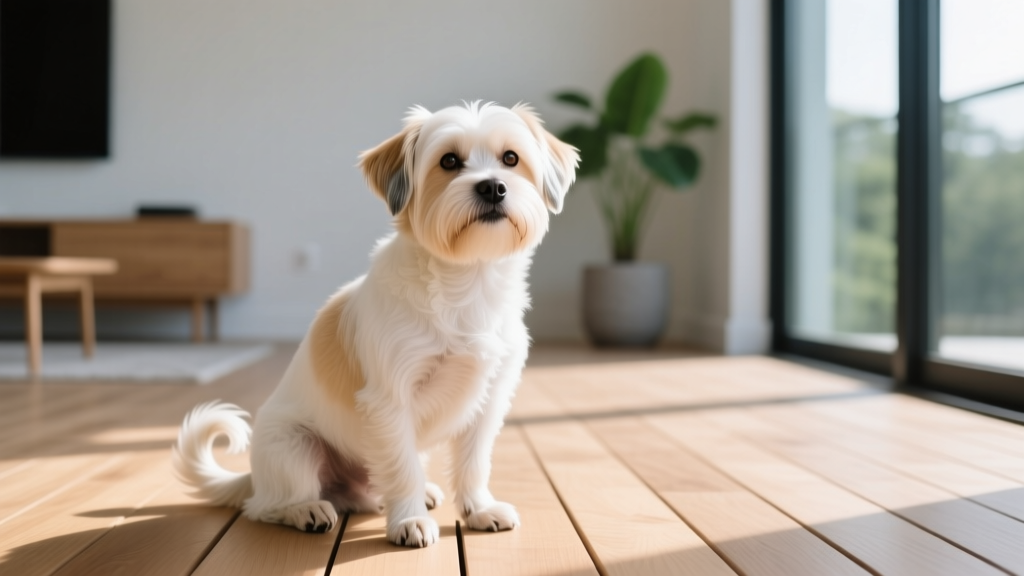
The Malshi is a designer cross between a Maltese and a Shih Tzu — two ancient toy breeds with strikingly different personalities. Sometimes called the Maltese Shih Tzu mix, the Malshi first gained traction among US and Australian breeders in the late 1990s and early 2000s as part of the broader "designer dog" wave. Unlike purebred dogs recognized by the American Kennel Club (AKC), the Malshi is not a registered breed; it is a deliberate first-generation (F1) or multigen cross aimed at blending the Maltese's low-shedding coat with the Shih Tzu's sturdier build and outgoing disposition.
When people search for a "Malshi Maltese," they are typically looking at a Malshi that leans heavily toward its Maltese parent in appearance — smaller frame, predominantly white or cream coat, and a more delicate bone structure. Some breeders backcross an F1 Malshi to a Maltese (producing an F1B Malshi-Maltese) to intensify these traits. The result is a toy-sized companion dog that typically weighs between 6 and 12 pounds and lives 12 to 15 years.
| Attribute | Details |
|---|---|
| Size Class | Toy / Small |
| Adult Weight | 6–12 lb (2.7–5.4 kg) |
| Adult Height | 8–12 inches (20–30 cm) at the shoulder |
| Lifespan | 12–15 years (some reach 16+) |
| Coat Type | Long, silky to slightly wavy; low-shedding |
| Energy Level | Low to moderate |
| Grooming Needs | High — daily brushing, professional grooming every 4–6 weeks |
| Family Fit | Excellent for apartments, seniors, and families with older children |
Origin and History of the Malshi Cross
The Maltese traces its lineage to the Mediterranean island of Malta, where it was prized by nobility for at least 2,000 years — Aristotle referred to a small Maltese-type dog as Canis Melitaeus around 350 BCE. The Shih Tzu originated in Tibet and China, bred as a palace companion for Chinese emperors as early as the 7th century, with the breed name translating to "lion dog." Both breeds arrived in the United States in the mid-20th century and received AKC recognition (Maltese in 1963, Shih Tzu in 1969).
The Malshi itself emerged in the late 1990s, primarily from breeders in Australia and the United States who wanted a small, low-shedding companion with a slightly sturdier frame than the Maltese alone. While the AKC does not recognize the Malshi, hybrid registries like the American Canine Hybrid Club (ACHC) and the Designer Dogs Kennel Club (DDKC) do list it. Today, the Malshi remains one of the more popular small designer crosses in North America, particularly among apartment dwellers and first-time owners looking for a manageable, affectionate pet.
Physical Characteristics: Size, Coat, and Appearance
Because the Malshi is a crossbreed, individual puppies within the same litter can look noticeably different depending on which parent they favor. A Malshi that leans toward its Maltese parent will typically be smaller, lighter-boned, and predominantly white or cream with a straighter, silkier coat. One that favors the Shih Tzu side tends to be stockier, with a slightly shorter muzzle, a broader skull, and a coat that may include gold, black, brown, or parti-color patches.
Weight and height specifics:
- F1 Malshi (50/50 cross): 8–12 lb (3.6–5.4 kg), 9–12 inches tall
- F1B Malshi-Maltese backcross: 6–10 lb (2.7–4.5 kg), 8–10 inches tall
- Teacup or "miniature" Malshi: 4–6 lb (1.8–2.7 kg) — note: breeding for extremely small size carries serious health risks including hypoglycemia, fragile bones, and dental overcrowding
The coat is almost always long and requires significant upkeep. Most Malshis have hair rather than fur, meaning they shed minimally but mat easily. Common colors include white, cream, apricot, black, brown, and combinations thereof. The ears are floppy and feathered, and the tail typically curls over the back.
Temperament and Personality: What to Expect
The Malshi inherits traits from two companion breeds that were literally designed to sit on laps. Here are five core temperament traits with real-world behavioral examples:
- Affectionate and velcro-like: Malshis tend to follow their owners room to room and will seek physical contact constantly. Expect your dog to climb onto your lap within seconds of you sitting down and to whine or paw at closed bathroom doors.
- Alert but not aggressive: They will bark at the doorbell, delivery drivers, and passing dogs, but they rarely show genuine aggression. Most Malshis warm up to strangers within 5–10 minutes once their owner signals that the visitor is welcome.
- Playful in short bursts: A Malshi will enthusiastically chase a ball down a hallway or wrestle with a rope toy for 10–15 minutes, then collapse for a nap. They are not endurance athletes.
- Sensitive to tone and tension: Harsh voices, arguments, or chaotic environments visibly stress Malshis. They may tremble, hide under furniture, or develop stress-related digestive issues in unstable households.
- Stubborn streak during training: The Shih Tzu side contributes a "what's in it for me?" attitude. A Malshi may sit perfectly for a piece of chicken but ignore the same command if you're holding kibble. This is not a lack of intelligence — it's a motivation issue.
Pros of the Malshi
- Low-shedding coat suits allergy-sensitive households
- Compact size ideal for apartments and small homes
- Gentle, affectionate nature makes them excellent therapy dog candidates
- Generally good with other small dogs and calm cats
- Long lifespan (12–15+ years)
Cons of the Malshi
- High grooming maintenance and cost ($50–$90 per professional session)
- Prone to separation anxiety if left alone 6+ hours daily
- Fragile frame — not suitable for homes with toddlers or large, boisterous dogs
- Housebreaking can take 4–8 months (small bladder, stubborn streak)
- Dental issues are common and require proactive care
Exercise and Activity Needs
The Malshi is a low-to-moderate energy dog. Most individuals thrive on 30 to 45 minutes of total daily activity, split across two or three sessions. Here's a practical breakdown:
| Activity Type | Duration | Frequency | Notes |
|---|---|---|---|
| Leash walk (neighborhood) | 15–20 minutes | Twice daily | Use a harness, not a collar — tracheal collapse risk |
| Indoor play (fetch, tug) | 10–15 minutes | 1–2x daily | Soft toys preferred; hard toys risk dental fractures |
| Puzzle toys / snuffle mats | 10–15 minutes | Daily | Mental stimulation prevents boredom barking |
| Supervised yard time | 15–20 minutes | As available | Fenced area only — Malshis are fast and easily lost |
Malshis are not hiking or jogging companions. Their short legs and brachycephalic tendencies (from the Shih Tzu side) mean they overheat quickly in temperatures above 80°F (27°C). In hot weather, walk during early morning or evening, carry water, and watch for excessive panting or lagging behind.
Common Health Issues in the Malshi
Crossbreeds like the Malshi can benefit from hybrid vigor — the reduced likelihood of inheriting recessive conditions that plague each parent breed individually. However, because both the Maltese and Shih Tzu share several health vulnerabilities, the Malshi remains at risk for overlapping conditions. Always consult your veterinarian for breed-appropriate screening. Here are the most clinically relevant concerns:
| Condition | Description | Estimated Prevalence | Prevention / Management |
|---|---|---|---|
| Patellar Luxation | Kneecap slips out of position, causing intermittent lameness or a "skipping" gait | 15–25% of toy breeds (per Merck Veterinary Manual) | Maintain lean body weight; avoid jumping from furniture; surgical correction for Grade III–IV |
| Dental Disease | Periodontal disease, tooth overcrowding, early tooth loss — extremely common in toy breeds | Up to 80% of small dogs show signs by age 3 | Daily tooth brushing with enzymatic toothpaste; professional dental cleanings every 6–12 months |
| Tracheal Collapse | Weakening of tracheal cartilage rings causing a honking cough, especially during excitement or leash pulling | Common in dogs under 10 lb; prevalence increases with age | Use a harness only; avoid obesity; cough suppressants or surgery in severe cases |
| White Shaker Syndrome (Idiopathic Cerebellitis) | Whole-body tremors of unknown cause, primarily in small white dogs; onset typically between 1–5 years | Rare but breed-associated | Corticosteroid treatment usually resolves symptoms within 1–2 weeks; relapse possible |
| Brachycephalic Obstructive Airway Syndrome (BOAS) | Shortened muzzle (from Shih Tzu parent) can cause narrowed nostrils, elongated soft palate, and breathing difficulty | Variable — depends on how brachycephalic the individual dog is | Keep cool; avoid overexertion; surgical correction of stenotic nares if severe |
Call your vet immediately if your Malshi shows: persistent honking cough, blue-tinged gums, collapse or fainting, inability to bear weight on a hind leg, seizures, or uncontrolled vomiting/diarrhea lasting more than 12 hours. For suspected poisoning, contact ASPCA Animal Poison Control at (888) 426-4435 (24/7, consultation fee applies).
Grooming Requirements
The Malshi's coat is its most high-maintenance feature. Even with a shorter "puppy cut," this dog needs consistent grooming to stay healthy and comfortable.
| Task | Frequency | Tools Needed | Estimated Cost |
|---|---|---|---|
| Brushing (full coat) | Daily or every other day | Pin brush, metal comb, detangling spray | $15–$30 for tools (one-time) |
| Professional grooming | Every 4–6 weeks | Groomer handles clipping, bathing, nail trim, ear cleaning | $50–$90 per session |
| Eye area cleaning | Daily | Damp cotton pad or canine eye wipes | $8–$15 per pack of wipes |
| Ear cleaning | Weekly | Veterinary ear cleaning solution, cotton balls | $10–$18 per bottle |
| Tooth brushing | Daily (minimum 3x/week) | Finger brush or small-head toothbrush, enzymatic dog toothpaste | $8–$15 for brush + paste |
| Nail trimming | Every 2–3 weeks | Small guillotine or scissor-style clippers; styptic powder | $8–$12 for clippers |
Pro tip: Request a "puppy cut" or "teddy bear cut" from your groomer — keeping the coat at 1–2 inches dramatically reduces matting and makes daily brushing manageable in under 5 minutes. If you prefer the full show coat, budget 15–20 minutes of daily brushing and expect to learn line-brushing technique to prevent painful skin-level mats.
Training and Intelligence
On a trainability scale of 1–10 (where 10 is a Border Collie), the Malshi sits around a 6 out of 10. They are intelligent enough to learn a wide range of commands and tricks, but their motivation is highly food-dependent and their attention span is short — typically 5 to 10 minutes before they lose interest.
Recommended training approach: Use positive reinforcement exclusively — small, high-value treats (freeze-dried chicken, tiny cheese pieces), verbal praise, and brief sessions. Never use aversive tools like shock collars, prong collars, or alpha rolls; these methods damage the trust of a sensitive breed and can trigger fear-based aggression or shutdown behaviors.
Key training priorities:
- Housebreaking (4–8 months expected): Small bladders mean frequent outdoor trips — every 1–2 hours during the day for puppies. Use a consistent potty spot, reward immediately with a treat, and crate train during unsupervised periods. Expect setbacks during cold/rainy weather; indoor pee pads can serve as a backup.
- Bark management: Teach a "quiet" cue early. When the dog barks at a trigger, wait for a 2-second pause, say "quiet," and reward the silence. Consistency across all household members is critical.
- Socialization (weeks 8–16 are prime): Expose your Malshi puppy to diverse people, surfaces, sounds, and other vaccinated dogs. The ASPCA recommends structured socialization during this critical window to prevent fear-based reactivity later in life.
- Handling exercises: Touch paws, ears, mouth, and tail daily from puppyhood. This makes grooming and veterinary exams far less stressful.
Family Suitability: Kids, Pets, and Apartment Living
Children: The Malshi is best suited to families with children aged 8 and older who can be taught gentle handling. A 7-pound dog can suffer serious injury from being dropped, squeezed, or stepped on. Toddlers and preschoolers should never be left unsupervised with a Malshi — not because the dog is aggressive, but because the dog is fragile.
Other pets: Malshis generally coexist peacefully with other small dogs and calm cats. Introduce new pets gradually over 1–2 weeks using scent swapping and supervised, leashed meetings. Caution is warranted with large, high-prey-drive breeds — a Malshi can be injured during rough play even if the larger dog means no harm.
Apartment living: This is one of the best breeds for apartments. Their small size, moderate energy, and low exercise requirements make them well-suited to condos, high-rises, and homes without yards. The main apartment-living challenge is barking — Malshis are alert and vocal, so investing in bark-management training early will keep neighbors happy.
Cost of Ownership: Purchase Price and Annual Budget
Here is a realistic cost breakdown based on 2026 US pricing:
| Expense Category | First-Year Cost | Annual Ongoing Cost |
|---|---|---|
| Puppy purchase (responsible breeder) | $800–$2,500 | — |
| Adoption (rescue/shelter) | $150–$500 | — |
| Veterinary care (wellness exams, vaccines, preventives) | $400–$800 | $350–$700 |
| Spay/neuter | $200–$600 | — |
| Grooming (professional, every 4–6 weeks) | $500–$1,100 | $500–$1,100 |
| Food (premium small-breed kibble or balanced homemade) | $200–$400 | $200–$400 |
| Dental care (professional cleaning under anesthesia) | $0–$500 | $300–$800 (every 6–12 months) |
| Pet insurance (optional but recommended) | $360–$720 | $360–$720 |
| Supplies (crate, harness, bed, toys, grooming tools) | $200–$400 | $50–$150 (replacement) |
| Total estimated | $3,160–$7,020 | $1,760–$3,870/year |
Budget note: Dental care is the cost category most Malshi owners underestimate. Because toy breeds develop periodontal disease early, expect to pay for at least one professional dental cleaning under anesthesia by age 3, and annually thereafter. Each cleaning typically costs $300–$800 depending on your region and whether extractions are needed.
Frequently Asked Questions
Is the Malshi Maltese mix right for first-time owners?
Yes, with one caveat. The Malshi is forgiving of beginner mistakes in terms of exercise and space — they don't need a yard or marathon walks. However, the grooming commitment and the long housebreaking timeline can frustrate first-time owners who aren't prepared. If you're willing to budget for professional grooming and commit to consistent potty training, the Malshi is a strong first-dog choice.
How much exercise does a Malshi need daily?
Approximately 30 to 45 minutes total, split into two short leash walks and one indoor play session. They do not need vigorous exercise and are not suited for long-distance activities. Mental stimulation (puzzle toys, scent games) is equally important to prevent boredom-related barking.
What health problems is the Malshi prone to?
The most common breed-associated conditions are patellar luxation (kneecap dislocation), early-onset dental disease, tracheal collapse, and — in white-coated individuals — White Shaker Syndrome. Dogs with a more brachycephalic (short-muzzled) face shape may also experience BOAS-related breathing difficulties. Regular veterinary checkups and maintaining a lean body weight significantly reduce risk.
How big does a Malshi Maltese mix get?
Adult Malshis typically weigh 6 to 12 pounds (2.7 to 5.4 kg) and stand 8 to 12 inches (20 to 30 cm) tall at the shoulder. F1B backcrosses to the Maltese tend to be on the smaller end (6–10 lb), while F1 crosses closer to 50/50 may reach 12 lb. Always ask the breeder for parent weights to estimate adult size.
Is the Malshi good with children and other pets?
Malshis do well with respectful children aged 8+ and generally coexist peacefully with other small dogs and cats. They are too fragile for rough play with toddlers and can be injured by large, energetic dogs. Supervised introductions and teaching children proper handling are essential.
How much does a Malshi cost to buy and maintain?
Expect to pay $800–$2,500 for a puppy from a responsible breeder (or $150–$500 through rescue adoption). Annual ongoing costs — including grooming, veterinary care, food, dental cleanings, and insurance — typically range from $1,760 to $3,870 per year. First-year expenses including spay/neuter and initial supplies can total $3,000–$7,000.
Do Malshis shed a lot?
No. Malshis are considered low-shedding dogs because both parent breeds have hair rather than fur. However, "low-shedding" does not mean "hypoallergenic" — no dog is truly hypoallergenic. Allergen proteins are found in dander and saliva, not just shed hair. If you have dog allergies, spend at least 30 minutes with a Malshi before committing.
Robin Maitland
All our authors care for dogs every day — read more of their work on the authors page.


