12 Best Low-Shedding Picks for Allergy-Prone Owners
Explore 12 types of breeds of dogs ideal for allergy-prone owners. Compare shedding levels, grooming costs, sizes, and find your best low-shedding match.
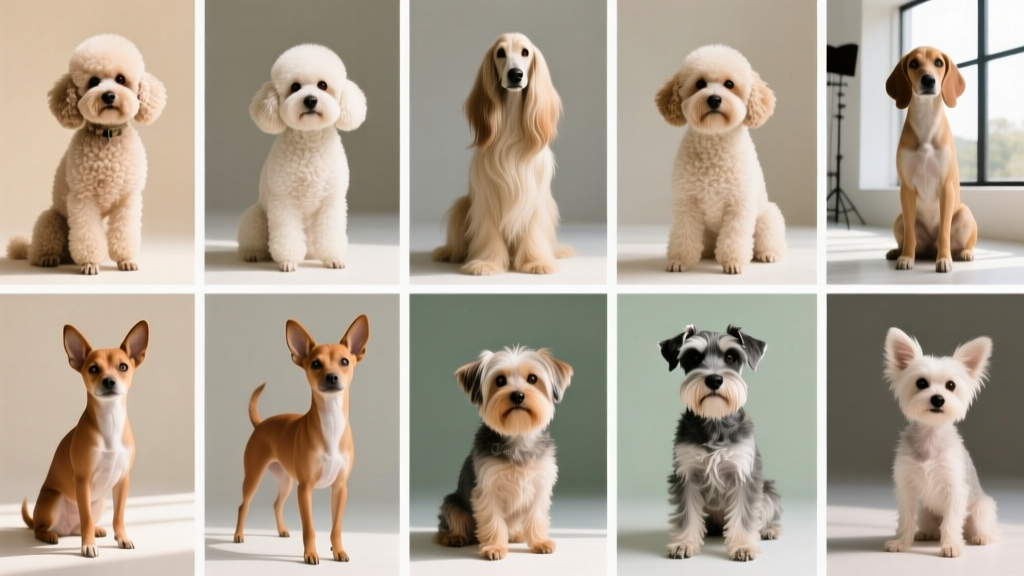
If sneezing fits and itchy eyes have kept you from bringing a dog home, you're not alone. Roughly 10–20% of the global population is allergic to dogs, according to the American Kennel Club. But before you resign yourself to a pet-free life, consider this: certain types of breeds of dogs produce significantly less airborne dander and shed far less hair than others, making cohabitation genuinely comfortable for many allergy-prone people.
This guide breaks down 12 low-shedding breeds across every size class, compares their real-world grooming demands and costs, and gives you a decision framework to pick the right one for your home. No fluff, no "hypoallergenic" myths — just actionable data.
What Qualifies a Breed for This Low-Shedding List
- Coat type: Must have a single-layer coat or continuously growing hair coat (not a double-coated undercoat shedder). Double-coated breeds like Huskies and German Shepherds are excluded regardless of claims.
- Shedding score: Rated 1–2 out of 5 on the AKC shedding scale (minimal to low visible shedding).
- Dander output: Breeds recognized by veterinary dermatologists as producing less Can f 1 allergen protein in saliva and skin cells.
- Size diversity: At least 2 breeds per size class (toy, small, medium, large) so every household type is represented.
- Temperament viability: Must score well for family compatibility — no breeds with high bite statistics or extreme reactivity that make them unsuitable for average owners.
- Availability: Must be obtainable through responsible breeders or rescue organizations in the US without multi-year waitlists exceeding 3 years.
A note on "hypoallergenic": The Mayo Clinic and AVMA both confirm that no dog breed is 100% hypoallergenic. All dogs produce allergenic proteins (primarily Can f 1 and Can f 2) in their saliva, urine, and dander. "Low-shedding" means less hair and dander distributed around your home — it does not guarantee zero allergic reactions. Always spend at least 2–3 hours with a specific dog before committing.
12 Best Low-Shedding Dog Breeds by Size Class
We've organized these breeds from smallest to largest so you can scan by the size that fits your living situation.
Toy & Small Breeds (Under 20 lb / 9 kg)
Size class: Toy | Weight: 4–7 lb (1.8–3.2 kg) | Height: 7–9 in (18–23 cm)
Key low-shed trait: Single-layer silky coat with no undercoat; hair grows continuously like human hair and traps dander at the skin rather than releasing it into the air.
Profile: The Maltese has been a companion dog for over 2,000 years. Gentle, alert, and surprisingly bold for their size, they adapt well to apartments. Expect professional grooming every 4–6 weeks ($50–$80/session) to prevent painful matting. Their white coat shows tear staining, so daily face wiping is non-negotiable.
Size class: Small | Weight: 12–18 lb (5.4–8.2 kg) | Height: 9.5–11.5 in (24–29 cm)
Key low-shed trait: Dense, curly double-layer coat that traps shed hair within the curls rather than releasing it. Loose hairs get caught in the topcoat and are removed during brushing.
Profile: Cheerful, clownish, and highly trainable, the Bichon excels in families with children. They need brushing 3–4 times per week and professional grooming every 4–6 weeks. Prone to skin allergies themselves, so factor in potential dermatology visits. Bichons are known for their "powder puff" appearance and require a committed grooming budget of roughly $600–$1,000/year.
Size class: Toy | Weight: 8–12 lb (3.6–5.4 kg) | Height: 11–13 in (28–33 cm)
Key low-shed trait: The Powderpuff variety has a full silky coat but virtually no undercoat. The Hairless variety has hair only on the head, tail, and feet — dramatically reducing total dander surface area.
Profile: Affectionate and sensitive, Chinese Cresteds bond deeply with one or two people. The Hairless variety requires sunscreen and moisturizer for exposed skin, plus winter clothing in cold climates. The Powderpuff needs brushing 2–3 times weekly. Both varieties are excellent for allergy sufferers who want an unusual, conversation-starting companion.
Medium Breeds (20–60 lb / 9–27 kg)
Size class: Medium | Weight: 30–40 lb (13.6–18.1 kg) | Height: 17–19 in (43–48 cm)
Key low-shed trait: Single-layer, loosely waved coat that sheds minimally. Dead hair is removed through regular brushing rather than falling out naturally.
Profile: Known as the "no-shed shedder" among terrier enthusiasts, Wheatens are playful, devoted, and less intense than many terrier breeds. They require brushing 2–3 times per week and professional grooming every 6–8 weeks. Wheatens are notorious counter-surfers and need consistent positive reinforcement training from puppyhood. Their happy tail-wagging can knock items off coffee tables.
Size class: Medium | Weight: 33–40 lb (15–18 kg) | Height: 17.5–19.5 in (44–50 cm)
Key low-shed trait: Dense, wavy single coat that sheds very little. Coat color transitions from black at birth to a distinctive blue-gray by 18 months.
Profile: Intelligent and versatile, Kerry Blues excel in agility, obedience, and therapy work. They need thorough brushing 2–3 times weekly and professional grooming every 6–8 weeks. Kerry Blues can be dog-selective and benefit from early, structured socialization. Not ideal for first-time owners — they need someone who understands terrier independence.
Size class: Medium | Weight: 24–35 lb (11–16 kg) | Height: 16–19 in (41–48 cm)
Key low-shed trait: Thick, curly, wool-like single coat similar to a Poodle's. Curls trap loose hair and dander close to the skin.
Profile: Originally bred as truffle-hunting dogs in Italy, Lagotti are intelligent, eager to work, and deeply affectionate with family. They need brushing 2–3 times per week and clipping every 6–8 weeks. Their strong scent drive means off-leash time should be in secure areas only. Lagotti are relatively rare in the US, so expect puppy prices of $2,500–$4,000 from responsible breeders and possible waitlists of 6–12 months.
Large Breeds (60+ lb / 27+ kg)
Size class: Large | Weight: 40–70 lb (18–32 kg) | Height: 15+ in (38+ cm) at shoulder
Key low-shed trait: Continuously growing, dense curly single coat. Hair grows rather than shedding in cycles, meaning loose hairs stay trapped in the curls until brushed out.
Profile: The gold standard (pun intended) of low-shedding dogs. Standard Poodles are athletic, highly intelligent (ranked #2 in trainability among all breeds), and genuinely versatile. They excel in obedience, agility, dock diving, and therapy work. Professional grooming every 4–6 weeks is essential — budget $70–$120 per session depending on your region and the clip style. Poodles are prone to hip dysplasia and Addison's disease, so choose a breeder who provides OFA hip scores and genetic health testing.
Size class: Large | Weight: 35–60 lb (16–27 kg) | Height: 17–23 in (43–58 cm)
Key low-shed trait: Profuse, wavy-to-curly single coat that covers the entire body. Minimal shedding with regular maintenance; hair grows continuously.
Profile: Made famous by the Obama family's dogs Bo and Sunny, "Porties" are energetic, water-loving, and people-oriented. They need 60+ minutes of vigorous exercise daily and do best with access to swimming. Grooming runs $60–$100 every 6–8 weeks. Porties can develop GM1 storage disease — responsible breeders test for this. Their high energy and mouthiness make them less ideal for sedentary households.
Size class: Large | Weight: 45–68 lb (20–31 kg) | Height: 21–24 in (53–61 cm)
Key low-shed trait: Dense, crisp liver-colored curls over most of the body with a smooth face and "rat tail." Single coat with minimal shedding.
Profile: The tallest spaniel breed and one of the oldest, Irish Water Spaniels are bold, clever, and have a sense of humor their owners find endlessly entertaining. They require brushing 2–3 times weekly and clipping every 6–8 weeks. Naturally reserved with strangers, they need dedicated socialization from 8–16 weeks. This breed is rare — expect to join a breeder's waitlist and potentially travel for a puppy.
Size class: Large | Weight: 50–60 lb (23–27 kg) | Height: 25–27 in (64–69 cm)
Key low-shed trait: Long, fine, silky single coat that sheds very little compared to its dramatic appearance. Loose hair tangles rather than falling out.
Profile: Don't let the glamorous coat fool you — Afghans are independent sighthounds with a strong prey drive and a cat-like aloofness. They need 2–3 hours of brushing per week and bathing every 1–2 weeks. Off-leash recall is unreliable due to their chase instinct. Afghans are best for experienced owners who appreciate a dignified, quiet companion rather than an eager-to-please worker.
Size class: Large | Weight: 55–85 lb (25–39 kg) | Height: 23.5–27.5 in (60–70 cm)
Key low-shed trait: Harsh, wiry double coat where the outer coat is hand-stripped or clipped. The undercoat is soft but minimal compared to heavy-shedding breeds, and the wiry topcoat traps loose hair.
Profile: Powerful, loyal, and protective, Giant Schnauzers are working dogs that need a job. They excel in protection sports, nosework, and advanced obedience. Expect professional grooming or hand-stripping every 6–8 weeks ($80–$130/session). Not suitable for first-time owners or households with small children under 8 — Giants are strong, mouthy, and need confident leadership through positive reinforcement methods. Early socialization is critical to prevent over-guarding.
Size class: Large | Weight: 50–70 lb (23–32 kg) | Height: 23 in (58 cm)
Key low-shed trait: Dense, wiry outer coat with a softer undercoat. Minimal visible shedding when maintained with regular stripping or clipping every 6–8 weeks.
Profile: The "King of Terriers" is the largest terrier breed — athletic, confident, and endlessly entertaining. Airedales need 60–90 minutes of daily exercise and mental stimulation. They can be stubborn during training, so patience and high-value treats are essential. Airedales are versatile enough for hiking, jogging, and dog sports but have a strong prey drive that requires management around cats and small animals.
How These 12 Breeds Compare: Side-by-Side Data
| Breed | Weight (lb/kg) | Shedding (1–5) | Grooming Cost/Year | Exercise Needs | Family Fit |
|---|---|---|---|---|---|
| Maltese | 4–7 lb / 1.8–3.2 kg | 1/5 | $600–$1,000 | 30 min/day | ★★★★☆ |
| Bichon Frise | 12–18 lb / 5.4–8.2 kg | 1/5 | $600–$1,000 | 30–45 min/day | ★★★★★ |
| Chinese Crested | 8–12 lb / 3.6–5.4 kg | 1/5 | $300–$500 | 30 min/day | ★★★☆☆ |
| Wheaten Terrier | 30–40 lb / 13.6–18.1 kg | 2/5 | $500–$800 | 45–60 min/day | ★★★★☆ |
| Kerry Blue Terrier | 33–40 lb / 15–18 kg | 2/5 | $500–$800 | 60 min/day | ★★★☆☆ |
| Lagotto Romagnolo | 24–35 lb / 11–16 kg | 1/5 | $500–$800 | 45–60 min/day | ★★★★☆ |
| Standard Poodle | 40–70 lb / 18–32 kg | 1/5 | $800–$1,500 | 60–90 min/day | ★★★★★ |
| Portuguese Water Dog | 35–60 lb / 16–27 kg | 2/5 | $700–$1,200 | 60–90 min/day | ★★★★☆ |
| Irish Water Spaniel | 45–68 lb / 20–31 kg | 2/5 | $600–$1,000 | 60–90 min/day | ★★★☆☆ |
| Afghan Hound | 50–60 lb / 23–27 kg | 2/5 | $1,000–$1,800 | 60–90 min/day | ★★★☆☆ |
| Giant Schnauzer | 55–85 lb / 25–39 kg | 2/5 | $900–$1,600 | 60–90 min/day | ★★★☆☆ |
| Airedale Terrier | 50–70 lb / 23–32 kg | 2/5 | $700–$1,200 | 60–90 min/day | ★★★★☆ |
Decision Framework: How to Choose Between the Top 3
If you've narrowed it down but can't decide, use this framework. The three breeds most allergy-prone owners end up choosing are the Standard Poodle, the Bichon Frise, and the Soft Coated Wheaten Terrier. Here's how to pick:
- Apartment or condo under 1,000 sq ft → Lean toward the Bichon Frise. They need less space, lower exercise volume (30–45 min/day), and their cheerful disposition adapts well to shared-wall living where barking can be an issue. Bichons are notably quieter than Wheaten Terriers.
- House with yard, 1,000–2,500 sq ft → Both the Standard Poodle and Wheaten Terrier work well. Proceed to Step 2.
- Large property or rural setting → The Standard Poodle will thrive with room to run. Their athleticism makes them ideal hiking and jogging companions.
- First-time dog owner → Choose the Standard Poodle or Bichon Frise. Both are forgiving of training mistakes, eager to please, and highly responsive to positive reinforcement. Avoid the Wheaten if you haven't managed a terrier's independent streak before.
- Experienced owner, especially with terriers → The Wheaten Terrier rewards experienced handlers with a deeply loyal, playful partnership. Their stubbornness is manageable when you understand terrier motivation.
- Under $800/year → Bichon Frise (with at-home brushing between professional sessions) or Wheaten Terrier (longer intervals between groomer visits).
- $800–$1,500/year → Standard Poodle. The higher grooming cost is offset by their trainability, versatility, and lower veterinary costs when sourced from health-tested breeders.
- Yes → Standard Poodle (sturdy, patient, and playful) or Bichon Frise (gentle and tolerant). Wheaten Terriers can be mouthy and boisterous, which may overwhelm small children.
- No, or children are 10+ → Any of the three work well with proper introductions.
Honorable Mentions and Breeds to Avoid
Honorable Mentions
These breeds nearly made the list but have caveats worth noting:
- Miniature and Toy Poodles: Same excellent low-shed coat as Standards, but smaller size makes them more fragile around young children. Ideal for adults-only or senior households.
- Yorkshire Terrier: Exceptionally low shedding with a fine, human-like hair coat. However, Yorkies are prone to tracheal collapse and require harness-only walking. Their tiny size (4–7 lb) makes them fragile.
- Havanese: Silky, low-shedding coat and wonderful family temperament. Makes the cut for many allergy sufferers, but their coat requires near-daily brushing to prevent mats.
- Basenji: Very short coat with minimal shedding and a cat-like grooming habit that reduces dander. However, Basenjis are notoriously difficult to train, have extreme prey drive, and are not suited for most first-time owners.
Breeds Commonly Misidentified as Low-Shedding — Avoid These
If shedding and dander are your primary concerns, these breeds are frequently (and incorrectly) recommended as low-shedding:
- Labradoodle / Goldendoodle (later generations): F1 and F2 doodles have unpredictable coats. Only F1B (backcross to Poodle) or multigen doodles from breeders who coat-test reliably produce low-shedding coats. Many "doodles" shed as much as their retriever parent. Always meet the adult dog before committing.
- Siberian Husky: Despite some claims, Huskies are prolific double-coated shedders that "blow coat" twice a year, releasing enormous amounts of undercoat.
- Shih Tzu: While their hair coat sheds less than fur-coated breeds, Shih Tzus require daily brushing and frequent bathing. Their brachycephalic (flat-faced) structure also brings health concerns including brachycephalic obstructive airway syndrome (BOAS).
Frequently Asked Questions
Are there any truly hypoallergenic dog breeds?
No. According to the Mayo Clinic, no breed is 100% hypoallergenic. All dogs produce allergenic proteins in their saliva and skin cells. However, low-shedding breeds distribute significantly less dander around your home, which reduces overall allergen exposure enough for many people to live comfortably with a dog.
Why is the Standard Poodle ranked so highly for allergy sufferers?
The Standard Poodle combines three factors rarely found together: a continuously growing single coat that sheds almost nothing, high trainability that makes them easy to live with, and a large, sturdy build that makes them suitable for active families. Their intelligence means they learn household rules quickly, reducing stress-related dander spikes that occur when dogs are anxious or poorly trained.
How much should I budget annually for grooming a low-shedding breed?
Realistic annual grooming costs range from $300 (Chinese Crested, mostly at-home care) to $1,800 (Afghan Hound, requiring frequent professional attention). Most breeds on this list fall in the $600–$1,200/year range. This includes professional grooming every 4–8 weeks plus at-home supplies: a slicker brush ($15–$30), metal comb ($8–$15), and detangling spray ($10–$20).
Can I reduce allergens in my home without choosing a low-shedding breed?
Yes, though with limited effectiveness. Running a HEPA air purifier in rooms where your dog spends the most time, washing bedding weekly in hot water (130°F / 54°C), and bathing your dog every 2–4 weeks can reduce airborne allergens by an estimated 30–50%. However, for moderate-to-severe allergy sufferers, breed selection matters more than environmental controls alone.
Which breed should I choose if I have severe allergies?
For severe allergies, prioritize breeds with the lowest shedding scores (1/5): Maltese, Bichon Frise, Chinese Crested, Lagotto Romagnolo, and Standard Poodle. Before adopting or purchasing, spend at least 2–3 hours in close contact with the specific dog — ideally in a closed room. Monitor for symptoms for 24–48 hours afterward. Some allergists offer skin-prick testing using dander samples from specific breeds, which can help predict your reaction. Always consult your allergist before bringing a dog home.
Do low-shedding breeds need less veterinary care?
No. Low shedding relates only to coat type, not overall health. In fact, many low-shedding breeds have specific health predispositions: Poodles are prone to Addison's disease and hip dysplasia, Bichons to bladder stones and patellar luxation, and Giant Schnauzers to certain cancers. Budget $500–$1,500 annually for routine veterinary care regardless of coat type, and always consult your veterinarian about breed-specific screening tests.
Bottom line: If allergies have kept you from dog ownership, these 12 breeds offer genuine paths to comfortable cohabitation. The Standard Poodle remains the safest all-around choice for most households, but the right breed for you depends on your space, budget, experience level, and family composition. Spend time with individual dogs before committing, and work with your allergist to confirm your tolerance.
Marcus Aldridge
All our authors care for dogs every day — read more of their work on the authors page.


