Louisiana Catahoula Bulldog: The Rare Catch Dog Breed Profile
Discover the Louisiana Catahoula Bulldog — a rare American catch dog blending Catahoula Leopard Dog drive with Bulldog grit.
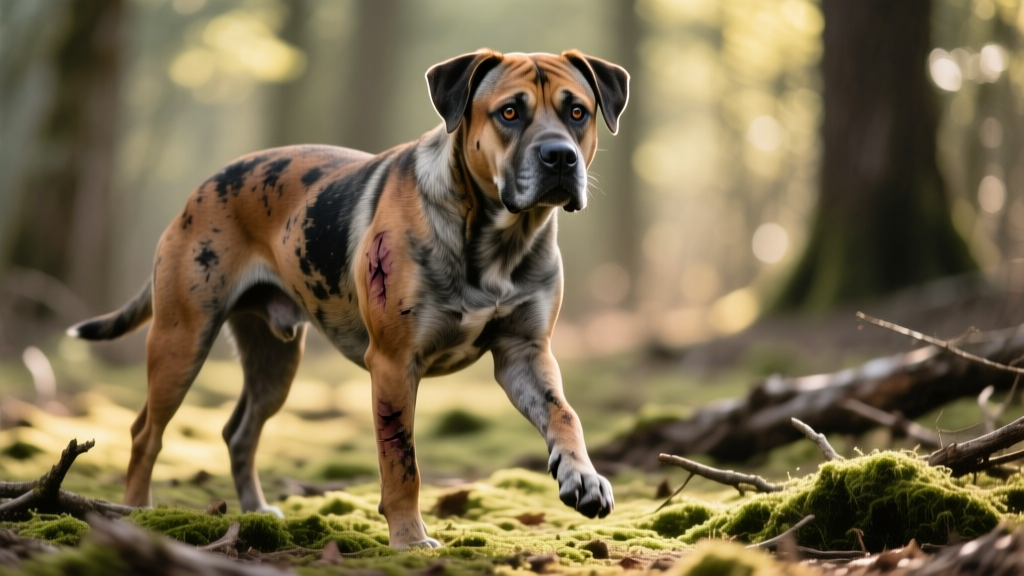
If you've never heard of the Louisiana Catahoula Bulldog, you're not alone. This intentionally rare American working breed sits at the crossroads of two iconic Southern dogs — the Catahoula Leopard Dog and the American Bulldog — and was developed for a job most modern pet owners will never ask their dog to perform: catching and holding feral hogs. Yet the same traits that make this breed a powerhouse in the bayou also make it a fiercely loyal, deeply intelligent companion for the right household.
This guide breaks down everything prospective owners need to know about the Louisiana Catahoula Bulldog in 2026 — from its murky origin story and current rarity to the real costs, health risks, and lifestyle demands that separate this breed from more common alternatives.
Origin Story: Built for the Bayou
How did this breed come to exist?
The Louisiana Catahoula Bulldog is a deliberate crossbreed — not a recognized purebred — developed primarily in the rural American South, especially Louisiana, Texas, and parts of the Gulf Coast, beginning in the mid-to-late 20th century. Ranchers and hunters crossed Catahoula Leopard Dogs (themselves a uniquely American breed descended from Native American dogs, European herding breeds, and possibly red wolves) with American Bulldogs (descendants of Old English Bulldogs brought by immigrants and refined in the rural South).
The historical purpose was specific and demanding:
- Catch dog work: Physically seizing and holding feral hogs until the hunter arrived — requiring bite strength, courage, and pain tolerance
- Stock herding: Driving cattle and hogs through dense brush and swampy terrain where traditional herding breeds struggled
- Property guardianship: Protecting homesteads from predators and intruders in isolated rural settings
The cross was designed to combine the Catahoula's endurance, intelligence, and herding instinct with the Bulldog's muscular build, jaw strength, and tenacity. The result was a dog that could track, chase, and physically restrain large, aggressive game — a job that demanded both brains and brawn.
Important note on recognition: The Louisiana Catahoula Bulldog is not recognized by the American Kennel Club (AKC), the United Kennel Club (UKC), or the Fédération Cynologique Internationale (FCI). It is considered a designer or purpose-bred cross rather than a standardized breed. Some registries like the American Canine Hybrid Club (ACHC) and the Designer Breed Registry (DBR) may list it, but these lack the breed-standard rigor of major kennel clubs. The parent breeds — the Catahoula Leopard Dog (AKC Foundation Stock Service) and the American Bulldog (AKC FSS, UKC recognized) — do carry formal recognition.
Physical Profile: What Does a Louisiana Catahoula Bulldog Look Like?
| Trait | Details |
|---|---|
| Weight (males) | 70–100 lb / 32–45 kg |
| Weight (females) | 55–80 lb / 25–36 kg |
| Height at withers | 20–26 inches / 51–66 cm |
| Lifespan | 10–14 years |
| Coat type | Short to medium, smooth, dense; single coat |
| Coat colors | Blue merle, red merle, brindle, white with patches, black, red — often with Catahoula "glass eye" (heterochromia) |
| Build | Muscular and broad-chested like the Bulldog parent, but leaner and more athletic than a pure American Bulldog |
| Head shape | Moderately broad skull, mesocephalic; less extreme brachycephaly than English Bulldogs |
| Energy level | High — requires 90–120+ minutes of vigorous activity daily |
| Grooming needs | Low — weekly brushing, occasional baths |
| Family fit | Experienced owners only; not recommended for first-time dog owners or homes with very young children |
Distinctive features that set this cross apart:
- Heterochromia ("glass eyes"): One or both eyes may be pale blue, amber, or a marbled mix — a hallmark inherited from the Catahoula Leopard Dog. This is purely cosmetic and does not indicate vision problems.
- Merle patterning: The merle gene (from the Catahoula side) creates striking mottled or patchy coat patterns. Critical breeding note: Merle-to-merle matings carry a 25% risk of double-merle puppies, which can be born deaf, blind, or with severe ocular defects. Responsible breeders never cross two merle-patterned dogs.
- Athletic bulk: Unlike the stocky, low-slung build of an English Bulldog, the Louisiana Catahoula Bulldog has the functional athleticism of an American Bulldog — deep chest, powerful hindquarters, and the stamina to work for hours in heat and humidity.
Temperament: What Surprises New Owners
The Louisiana Catahoula Bulldog's temperament is where many prospective owners underestimate what they're signing up for. Here's what tends to catch people off guard:
1. Intense independence and problem-solving drive. Catahoula Leopard Dogs were bred to work livestock with minimal human direction — making decisions on the fly in unpredictable situations. That independence carries into this cross. These dogs don't look to you for permission; they assess situations and act. In a home setting, this translates to a dog that will open doors, raid counters, and devise escape routes if under-stimulated.
2. Strong prey and catch drive. This is not a breed that "socializes out" of its instincts. The drive to chase, grab, and hold is genetically wired. Cats, small dogs, livestock, and wildlife will trigger this drive. Early socialization can manage reactivity but will not eliminate the underlying instinct.
3. Fierce loyalty with stranger wariness. These dogs bond intensely with their family and can be aloof or suspicious with unfamiliar people. Without deliberate, ongoing socialization from 8–16 weeks onward, this wariness can harden into fear-based aggression or territorial behavior.
4. High physical and mental exercise threshold. A 20-minute walk around the block is not exercise for this dog — it's a warm-up. Owners consistently report that without 90+ minutes of vigorous daily activity (running, swimming, structured work, agility, or weight-pull), these dogs become destructive, vocal, and difficult to live with.
5. Sensitivity beneath the toughness. Despite their rugged exterior, Louisiana Catahoula Bulldogs are often surprisingly sensitive to their owner's tone and emotional state. Harsh training methods shut them down; positive reinforcement and force-free training methods produce far better results and a stronger bond.
Health Concerns: Breed-Specific Risks
As a crossbreed, the Louisiana Catahoula Bulldog may benefit from some degree of hybrid vigor — the tendency for crossbred dogs to have lower rates of recessive genetic disorders than their purebred parents. However, this is not a guarantee. Any condition that affects either parent breed can appear in the offspring. Here are the breed-specific predispositions to discuss with your veterinarian:
| Condition | Parent Breed Link | Estimated Prevalence | What to Watch For |
|---|---|---|---|
| Hip dysplasia | Both Catahoula and American Bulldog | ~15–25% in large working breeds (OFA data) | Hind-limb lameness, bunny-hopping gait, reluctance to jump or climb stairs, typically appearing between 6–24 months |
| Deafness (congenital) | Catahoula Leopard Dog (linked to merle and white coat genes) | Estimated 5–10% in merle-heavy lines; higher in double-merle | Unresponsive to sounds, startle reflex when touched, excessive vocalization; BAER testing by 8 weeks recommended |
| Eye disorders (cataracts, progressive retinal atrophy, coloboma) | Catahoula Leopard Dog | Variable by line; coloboma more common in merle dogs | Cloudy eyes, night blindness, bumping into objects; annual CERF/OFA ophthalmologist exam recommended |
| Elbow dysplasia | American Bulldog | ~10–15% in large, heavy-fronted breeds | Front-limb lameness, stiffness after rest, elbow swelling |
| Hypothyroidism | American Bulldog | ~5–8% in bulldog-type breeds | Weight gain without increased appetite, lethargy, hair thinning, skin infections; manageable with daily levothyroxine |
| Degenerative myelopathy (DM) | Reported in some Catahoula lines | Low but documented; SOD1 gene test available | Progressive hind-limb weakness and incoordination, typically appearing after age 8; no cure, but early diagnosis aids management |
| Gastric dilatation-volvulus (bloat) | Both (deep-chested build) | Higher risk in deep-chested dogs over 50 lb | Distended abdomen, unproductive retching, restlessness, collapse — immediate veterinary emergency |
🚨 Emergency Red Flags — Call Your Vet or Emergency Clinic Immediately:
- Unproductive retching or gagging with a distended, hard abdomen (bloat/GDV — can be fatal within hours)
- Sudden inability to stand or walk, especially in the hind limbs
- Seizures or collapse
- Difficulty breathing or blue-tinged gums
- Known or suspected ingestion of toxic substances — call ASPCA Animal Poison Control at (888) 426-4435 (24/7, consultation fee applies)
Recommended health screening for breeders and new owners:
- OFA or PennHIP hip evaluation (both parents, and puppies by 24 months)
- BAER hearing test (puppies by 7–8 weeks)
- CERF/OFA ophthalmologist eye exam (annually for breeding dogs)
- SOD1 genetic test for degenerative myelopathy
- Thyroid panel (baseline at 2 years, then every 2–3 years)
Always consult your veterinarian to establish a screening and preventive care schedule tailored to your individual dog's lineage and health status.
Special Care Requirements
Owning a Louisiana Catahoula Bulldog is not a passive experience. Here is a practical care checklist based on what experienced owners and working-dog trainers consistently emphasize:
Exercise (Non-Negotiable)
- Minimum 90–120 minutes of vigorous activity daily. This means running, not walking. Hiking, biking with a dog-attachment (e.g., Springer or WalkyDog), swimming, and structured farm/ranch work are ideal.
- Mental work is equally critical. Nosework, advanced obedience drills, puzzle feeders (e.g., Kong Wobbler, Outward Hound Nina Ottosson puzzles), and flirt pole sessions prevent boredom-driven destruction.
- Secure containment is essential. A minimum 6-foot fence with no gaps. These dogs are athletic jumpers and determined diggers. Underground electronic fences are not reliable for this breed — the drive to chase will override the shock deterrent.
Grooming
- Short coat requires weekly brushing with a rubber curry brush or bristle brush to manage shedding.
- Bathe every 6–8 weeks or as needed; use a mild canine shampoo to avoid stripping natural oils.
- Clean ears weekly — especially floppy-eared individuals — to prevent yeast and bacterial infections.
- Trim nails every 2–3 weeks; overgrown nails alter gait and contribute to joint stress.
Nutrition
- High-performance working dogs may need 2,000–3,000+ kcal/day; sedentary pets of the same size need 1,400–1,800 kcal/day. Adjust based on body condition score (BCS) — aim for BCS 4–5/9.
- Look for AAFCO "complete and balanced" statements. For large-breed puppies, choose food that meets AAFCO guidelines for large-breed growth to reduce hip dysplasia risk.
- Feed from a slow-feeder bowl or raised puzzle feeder and avoid vigorous exercise for 60 minutes after meals to reduce bloat risk.
Training
- Start socialization between 8–16 weeks — expose to varied surfaces, sounds, people, and other vaccinated dogs in controlled settings.
- Use only positive reinforcement and LIMA (Least Intrusive, Minimally Aversive) methods. Shock collars, prong collars, and alpha rolls damage trust and can escalate aggression in driven, sensitive breeds.
- Enroll in structured classes: puppy socialization, basic obedience, and eventually advanced work like agility, rally, or protection sports (under certified instruction).
How Rare Is This Breed and Where Can You Find One?
Rarity status: The Louisiana Catahoula Bulldog is genuinely rare. There is no centralized breed registry tracking population numbers, and because it is a crossbreed rather than a standardized breed, no official census exists. Based on breeder listings, breed-specific community groups, and regional demand patterns, the population is concentrated in the Gulf Coast states — particularly Louisiana, Texas, Mississippi, and Alabama. Outside the rural South, finding one is difficult.
Availability and breeder guidance for 2026:
| Source | Typical Price Range | What to Expect |
|---|---|---|
| Reputable working-dog breeders (health-tested parents, take-back clause, proven working lineage) | $800–$2,000 | Health clearances on both parents (OFA hips, BAER hearing, CERF eyes), early neurological stimulation, socialization protocol, written contract with spay/neuter and return clauses |
| Casual/backyard breeders | $300–$700 | Often no health testing, no genetic screening for merle-to-merle risk, minimal socialization — higher risk of health and behavioral issues |
| Breed-specific rescues and shelters | $50–$300 adoption fee | Catahoula and Bulldog mixes appear in Southern shelters regularly; check Petfinder and regional Catahoula rescue organizations |
Red flags to avoid:
- Breeders who cannot provide OFA/PenHIP hip certifications for both parents
- Merle-to-merle matings (ask directly — a responsible breeder will explain their color-breeding strategy)
- No health guarantee or return clause
- Puppies sold before 8 weeks of age
- Breeders who advertise "rare colors" at premium prices without health documentation
- Online-only transactions with no facility visit or video call
Louisiana Catahoula Bulldog vs. Similar Breeds
Understanding how this cross compares to its parent breeds and other working dogs helps clarify whether it's the right fit:
| Trait | Louisiana Catahoula Bulldog | Catahoula Leopard Dog (Pure) | American Bulldog (Pure) | American Pit Bull Terrier |
|---|---|---|---|---|
| Weight range | 55–100 lb / 25–45 kg | 50–95 lb / 23–43 kg | 60–120 lb / 27–54 kg | 30–65 lb / 14–29 kg |
| Primary historical purpose | Catch dog, stock herding, guardian | Herding, treeing, tracking | Farm work, catch dog, guardian | Farm work, companionship |
| AKC/UKC recognition | None (crossbreed) | AKC FSS / UKC recognized | AKC FSS / UKC recognized | UKC recognized |
| Energy level | Very high (90–120+ min/day) | Very high (90–120+ min/day) | High (60–90 min/day) | High (60–90 min/day) |
| Stranger tolerance | Low to moderate; aloof | Moderate; alert and watchful | Moderate; confident and bold | Moderate to high; often friendly |
| Dog-to-dog tolerance | Low; same-sex aggression common | Moderate to low | Low to moderate | Variable; often low |
| First-time owner suitability | Not recommended | Not recommended | Experienced owners preferred | Experienced owners preferred |
| Trainability | High intelligence, low biddability | High intelligence, low biddability | Moderate intelligence, moderate biddability | High intelligence, high biddability |
| Average cost | $800–$2,000 | $600–$1,500 | $1,000–$3,000 | $500–$2,000 |
Key takeaway: The Louisiana Catahoula Bulldog tends to be more physically powerful than a pure Catahoula and more driven and energetic than a pure American Bulldog. It is not a "best of both worlds" compromise — it is a high-octane working dog that demands more from its owner than either parent breed typically requires alone.
Is This Breed Right for Your Family?
The honest answer for most readers: probably not, and that's okay.
This breed thrives in specific conditions:
- Active rural or semi-rural households with secure acreage or access to large, fenced areas
- Experienced dog owners who have handled strong-willed, high-drive breeds before
- Homes without very young children — the dog's size, energy, and prey drive create risk around toddlers and small kids, even with supervision
- Owners who can commit 2+ hours daily to structured exercise, training, and engagement
- Homes without small pets (cats, rabbits, small dogs) unless the dog has been raised with them from puppyhood — and even then, never leave unsupervised
Real owner experience insights:
Owners in working-dog communities consistently describe this cross as "the smartest dog I've ever had — and the most exhausting." Common themes include: a need for job-oriented activity (not just fetch), strong opinions about other dogs, an uncanny ability to open gates and doors, and a deep, almost velcro-like bond with their primary person. Many owners report that these dogs "read" their moods and will shadow them room to room. The flip side is separation anxiety if left alone for long hours without enrichment.
Frequently Asked Questions
Where did the Louisiana Catahoula Bulldog originate and what was it bred for?
It originated in the rural American South — primarily Louisiana and the Gulf Coast — in the mid-to-late 20th century. It was bred as a catch dog for feral hogs and a versatile stock herder, combining the Catahoula Leopard Dog's intelligence and endurance with the American Bulldog's power and tenacity.
How rare is this breed today?
Very rare. There is no official breed registry or population census. The breed is concentrated in Gulf Coast states and is almost unknown outside the rural South. Finding one through a reputable breeder may require a waitlist or travel.
What makes the Louisiana Catahoula Bulldog different from similar-looking breeds?
It combines the Catahoula's merle coat patterns, glass eyes, and herding instinct with the American Bulldog's muscular build and catch-dog drive. The result is a dog that is more athletic than a pure Bulldog and more physically powerful than a pure Catahoula — with a higher combined demand for both physical and mental stimulation.
Is this breed suitable for families or first-time owners?
Not recommended for first-time owners. Experienced owners with active lifestyles, secure property, and no small children or small pets are the ideal match. Early and ongoing socialization is essential for any family setting.
What special care does this breed require?
Minimum 90–120 minutes of vigorous daily exercise, structured mental enrichment, secure 6-foot fencing, positive-reinforcement training, and health screening for hip dysplasia, deafness (BAER test), and eye disorders. Bloat prevention protocols (slow feeding, rest after meals) are also recommended.
How much does a Louisiana Catahoula Bulldog typically cost?
From a reputable working-dog breeder with health-tested parents: $800–$2,000. Adoption through rescues: $50–$300. First-year total ownership costs (food, veterinary care, gear, training, insurance) typically range from $2,500–$4,500.
Are Louisiana Catahoula Bulldogs aggressive?
They are not inherently aggressive toward humans, but they have strong prey drive, territorial instincts, and low tolerance for unfamiliar dogs — especially same-sex dogs. Without proper socialization and training, these instincts can manifest as reactivity or aggression. Positive reinforcement methods and professional guidance from a certified behaviorist are strongly recommended.
Can I find this breed through a shelter or rescue?
Yes, especially in Southern states. Catahoula mixes and Bulldog mixes are common in shelters across Louisiana, Texas, and neighboring states. Check Petfinder and contact regional Catahoula rescue organizations. Adoption is a viable and often more affordable path, though health history may be limited.
Sources consulted: AKC Catahoula Leopard Dog breed page, Merck Veterinary Manual — Dog Health, and the Orthopedic Foundation for Animals (OFA) breed health databases.
Beth Carrasco
All our authors care for dogs every day — read more of their work on the authors page.


