Longest Living Dog Breeds: 12 Picks That Can Reach 15-20 Years
Discover the longest living dog breeds backed by veterinary data.

Why Some Dog Breeds Outlive Others by Years
The gap between the shortest- and longest-living dog breeds can stretch to a decade or more. A Great Dane averages 7–10 years, while a Chihuahua routinely reaches 15–20. This isn't random — canine longevity follows predictable patterns shaped by body size, genetic diversity, and breed-specific disease risk.
According to a landmark study published in the Scientific Reports journal (2024) analyzing over 580,000 UK dogs, crossbreeds live an average of 1.5 years longer than purebreds, and small breeds consistently outperform large breeds. The researchers found that for every 4.4 lb (2 kg) increase in body weight, life expectancy dropped by approximately one month.
But size isn't destiny. Some medium breeds punch well above their weight class in longevity, and responsible breeding practices — including OFA hip certifications, cardiac clearances, and DNA panel testing — are narrowing the gap. This guide ranks 12 of the longest living dog breeds using veterinary lifespan data, genetic health profiles, and real-world ownership considerations.
Breeds qualified for this ranking based on four factors:
- Median lifespan ≥ 14 years — sourced from peer-reviewed studies, AKC breed health surveys, and veterinary actuarial data
- Breed population size — enough registered dogs exist for statistically meaningful longevity data (not anecdotal outliers)
- Manageable genetic disease burden — breeds with known health issues that responsible breeders actively screen for and reduce
- Practical ownership viability — breeds a typical US household can realistically care for (excluded ultra-rare breeds with fewer than 500 US registrations)
The 12 Longest Living Dog Breeds Ranked
Breeds are grouped by size class — toy, small, and medium — since size is the single strongest predictor of canine lifespan. Within each group, breeds are ordered by median lifespan.
Toy Breeds (Under 12 lb / 5.4 kg)
Toy | 14–20 years median | 2–6 lb (0.9–2.7 kg)
The Chihuahua tops longevity charts consistently. UK kennel club data puts their median lifespan at 17 years, with many individuals reaching 18–20 with routine dental care. Their primary health vulnerability is dental disease — their small mouths crowd teeth, accelerating periodontal destruction. Daily brushing and professional cleanings under anesthesia every 1–2 years are non-negotiable. They're also prone to patellar luxation (kneecap dislocation) and tracheal collapse, so harness-only walking is essential — never attach a leash to a collar on this breed.
Why it made the list: Highest documented median lifespan of any recognized breed, with a large global population providing robust data.
Toy | 14–18 years median | 4–6 lb (1.8–2.7 kg)
Don't confuse the Toy Poodle with its Standard cousin — they share genetics but diverge significantly in lifespan. The Toy variant's median of 15–16 years comes from a combination of low body mass and generally responsible breeding within the poodle community. Health screenings for progressive retinal atrophy (PRA), Legg-Calvé-Perthes disease, and cardiac issues are standard among reputable breeders. Their curly, low-shedding coat requires professional grooming every 4–6 weeks ($60–$90 per session), which is a real budget factor over a 16-year lifespan.
Why it made the list: Exceptional longevity paired with high trainability and hypoallergenic coat — rare combination in toy breeds.
Small | 14–18 years median | 9–15 lb (4–6.8 kg)
The Jack Russell (also called Parson Russell Terrier in some registries) is a longevity standout that breaks the "only tiny dogs live long" pattern. These compact athletes regularly hit 16+ years. Their working-dog heritage selected for functional health over aesthetics, resulting in relatively low rates of structural disease. The main concerns are late-onset deafness, lens luxation (a painful eye condition), and Legg-Calvé-Perthes. What they lack in health problems, they make up for in energy demands — expect 60–90 minutes of vigorous daily exercise. A bored, under-exercised Jack Russell will demolish your home.
Why it made the list: One of the few terrier breeds with both high energy and exceptional lifespan, proving athleticism correlates with longevity.
Small Breeds (12–25 lb / 5.4–11.3 kg)
Small | 14–17 years median | 8–11 lb (3.6–5 kg)
Miniature Dachshunds outlive their Standard counterparts by 2–4 years, largely because the smaller variant carries less spinal load. The breed's signature elongated spine makes intervertebral disc disease (IVDD) the defining health risk — approximately 25% of Dachshunds will experience IVDD in their lifetime, according to Merck Veterinary Manual. Prevention means strict weight management (even 1 extra pound stresses those discs), ramp access to furniture, and avoiding activities that involve jumping or twisting. When IVDD does occur, surgical treatment runs $3,000–$8,000, making pet insurance a smart investment for this breed.
Why it made the list: High median lifespan despite a well-known structural vulnerability that responsible ownership can substantially mitigate.
Toy/Small | 13–16 years median | 9–16 lb (4–7.3 kg)
The Shih Tzu's longevity comes with a caveat: their brachycephalic (short-faced) structure means they're prone to brachycephalic obstructive airway syndrome (BOAS), which can shorten life if severe. However, many Shih Tzus have moderately proportioned airways compared to Bulldogs or Pugs, allowing them to reach 15–16 years routinely. Eye care is the bigger daily concern — their prominent eyes are vulnerable to corneal ulcers, dry eye (keratoconjunctivitis sicca), and proptosis (eye displacement from trauma). Daily eye wiping and annual ophthalmologic exams are standard care. They're one of the lowest-energy breeds on this list, needing only 20–30 minutes of gentle walking daily.
Why it made the list: Among the longest-living brachycephalic breeds, offering a companion-dog temperament with better airway health than most flat-faced breeds.
Toy | 13–16 years median | 4–7 lb (1.8–3.2 kg)
Yorkies combine toy-breed longevity with a terrier's bold personality. Their median lifespan of 14–15 years is well-documented across multiple veterinary databases. The two conditions that most impact Yorkie longevity are tracheal collapse (a progressive weakening of the windpipe cartilage) and portosystemic shunt (PSS), a congenital liver blood vessel abnormality. PSS is typically diagnosed in puppies under 12 months and requires surgical correction ($2,500–$6,000). Responsible breeders screen breeding stock to reduce PSS incidence. Yorkies also need meticulous dental care — tooth loss often begins by age 4–5 without daily brushing.
Why it made the list: Strong lifespan data, high adaptability to apartment living, and a personality that belies their small size.
Toy | 12–16 years median | 3–7 lb (1.4–3.2 kg)
Pomeranians are surprisingly tough for their fluffy appearance. Their Spitz heritage — shared with hardy northern breeds like the Samoyed — contributes to robust health. Median lifespan sits at 14 years, with well-bred individuals reaching 16–17. Key health concerns include tracheal collapse (harness-only walking is mandatory), patellar luxation, and alopecia X (a cosmetic coat condition, not life-threatening but common). Pomeranians are prone to severe dental disease even more than most toy breeds — their tiny jaws pack 42 teeth into a space that promotes plaque accumulation. Budget for annual dental cleanings ($300–$700 each under anesthesia) throughout their long life.
Why it made the list: Spitz-type genetic hardiness in a toy package, with a bold, independent temperament that differs from typical lap-dog breeds.
Small-to-Medium Breeds (15–40 lb / 6.8–18 kg)
Small | 12–15 years median | 11–20 lb (5–9 kg)
The Miniature Schnauzer is the sturdiest of the three Schnauzer sizes, with a median lifespan of 13–14 years and many individuals reaching 15–16. They're one of the few small breeds with a truly sturdy, stocky build — less fragile than most toys. Their primary health vulnerability is pancreatitis, a painful and potentially fatal inflammation of the pancreas often triggered by high-fat foods. A low-fat diet (under 15% fat on a dry-matter basis) is preventive medicine for this breed. They're also prone to urinary stones (struvite and calcium oxalate) and Schnauzer comedo syndrome, a breed-specific skin condition causing crusty bumps along the spine.
Why it made the list: Best-in-class longevity for the small terrier/working group crossover category, with a family-friendly temperament.
Medium | 12–15 years median | 25–30 lb (11.3–13.6 kg)
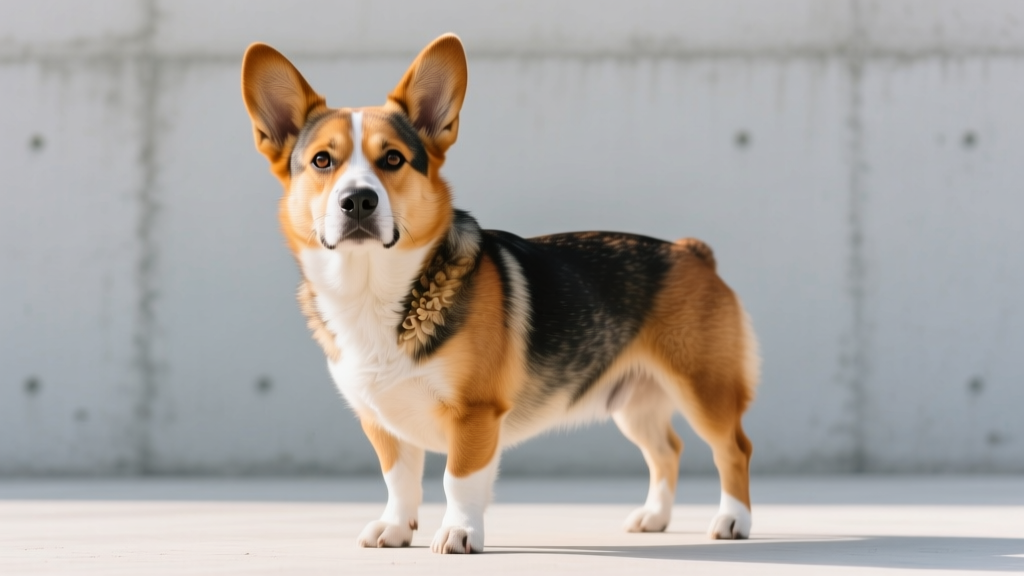
Corgis are the heaviest breed on this list by a wide margin, and their 12–14 year median lifespan is impressive for their size. Their achondroplastic (dwarf) build creates the same spinal vulnerability as Dachshunds — IVDD risk is significant — but their stockier frame distributes weight more evenly. Degenerative myelopathy (DM), a progressive spinal cord disease with no cure, affects approximately 4–10% of Corgis. DNA testing for the SOD1 gene mutation is now standard among responsible breeders, and breeding only clear-to-clear pairs has dramatically reduced DM incidence in well-bred lines. Corgis need 45–60 minutes of daily exercise but should avoid repetitive jumping and stair climbing.
Why it made the list: Longest-living of the herding breeds, with a trainability and personality that make the health management worthwhile.
Medium | 12–16 years median | 35–50 lb (15.9–22.7 kg)
The Australian Cattle Dog (Blue Heeler / Red Heeler) holds a famous longevity record — Bluey, an ACD, lived to 29 years and 5 months, the longest verified canine lifespan. While that's an extreme outlier, the breed's median of 13–15 years is exceptional for a dog in the 35–50 lb range. Their working-dog genetics selected for endurance and structural soundness. Health concerns include progressive retinal atrophy (PRA), hip dysplasia (OFA screening recommended), and deafness in predominantly white-coated individuals. The real challenge with ACDs isn't health — it's mental stimulation. These dogs need a job, whether that's agility training, herding trials, or puzzle feeders. An under-stimulated ACD develops destructive behaviors and stress-related conditions.
Why it made the list: Exceptional longevity for a medium-sized working breed, backed by both data and the most famous long-lived dog in recorded history.
Small/Medium | 12–15 years median | 20–30 lb (9–13.6 kg)
Beagles are one of the most genetically diverse popular breeds, which contributes to their solid 12–15 year lifespan. As scent hounds, they were bred for stamina and soundness rather than extreme physical traits. Their health profile is relatively clean: the main concerns are epilepsy (idiopathic seizures affect an estimated 5–8% of Beagles), hypothyroidism, and cherry eye (prolapsed gland of the third eyelid). Obesity is the biggest longevity threat — Beagles are famously food-motivated and will overeat given the chance. A body condition score (BCS) of 4–5 on the 9-point scale is ideal, and measured feeding with a kitchen scale is more reliable than cup estimates.
Why it made the list: Genetic diversity from a large, well-managed breed population translates to fewer inherited diseases and consistent longevity.
Small | 12–15 years median | 11.5–15.5 lb (5.2–7 kg)
The Border Terrier is one of the best-kept longevity secrets in the dog world. Originally bred to work alongside foxhounds in the English-Scottish border country, they were selected for endurance, narrow chests (to squeeze through fox holes), and overall hardiness. Their median lifespan of 13–14 years comes with remarkably few breed-specific diseases. Canine epileptoid cramping syndrome (CECS), also called Spike's Disease, is the most notable — a paroxysmal movement disorder that looks alarming but isn't life-threatening. They're also prone to hip dysplasia despite their small size. Border Terriers are notably less yappy than many terriers and adapt well to family life.
Why it made the list: Among the lowest disease-burden breeds on this list, with a calm-for-a-terrier temperament that makes long-term ownership manageable.
Breed Comparison: Lifespan, Size, and Health at a Glance
| Breed | Median Lifespan | Weight | Top Health Risk | Exercise Needs | Annual Care Cost |
|---|---|---|---|---|---|
| Chihuahua | 15–17 yr | 2–6 lb | Dental disease | 20–30 min/day | $800–$1,400 |
| Toy Poodle | 14–16 yr | 4–6 lb | PRA / Legg-Perthes | 30–45 min/day | $1,200–$1,800 |
| Jack Russell Terrier | 14–16 yr | 9–15 lb | Lens luxation | 60–90 min/day | $900–$1,500 |
| Miniature Dachshund | 14–16 yr | 8–11 lb | IVDD (25% lifetime risk) | 30–45 min/day | $1,000–$2,200 |
| Shih Tzu | 13–15 yr | 9–16 lb | BOAS / eye injuries | 20–30 min/day | $1,100–$1,700 |
| Yorkshire Terrier | 13–15 yr | 4–7 lb | Tracheal collapse / PSS | 20–30 min/day | $900–$1,600 |
| Pomeranian | 12–15 yr | 3–7 lb | Tracheal collapse | 20–30 min/day | $1,000–$1,800 |
| Miniature Schnauzer | 12–14 yr | 11–20 lb | Pancreatitis | 45–60 min/day | $1,000–$1,600 |
| Pembroke Welsh Corgi | 12–14 yr | 25–30 lb | IVDD / DM | 45–60 min/day | $1,200–$2,000 |
| Australian Cattle Dog | 13–15 yr | 35–50 lb | PRA / hip dysplasia | 60–90 min/day | $1,100–$1,700 |
| Beagle | 12–14 yr | 20–30 lb | Epilepsy / obesity | 45–60 min/day | $1,000–$1,500 |
| Border Terrier | 12–14 yr | 11.5–15.5 lb | CECS (Spike's Disease) | 30–45 min/day | $800–$1,300 |
Annual care costs include routine veterinary visits, vaccinations, preventive medications (heartworm/flea/tick), food, grooming, and dental care. Emergency or specialty care is not included — a single IVDD surgery, for example, adds $3,000–$8,000 to a Dachshund or Corgi's lifetime costs.
What Science Tells Us About Canine Longevity
Understanding why these breeds live longer helps you make better decisions — whether you choose a breed on this list or not. Three research-backed factors dominate:
The Size-Lifespan Inverse
The relationship between body size and lifespan in dogs is one of the most consistent findings in veterinary science. A 2013 study in the American Naturalist analyzed data from 74 breeds and found that for every 4.4 lb (2 kg) increase in breed-average body weight, life expectancy decreased by roughly one month. Large breeds also age faster at a cellular level — a 2013 study in PLOS ONE showed that large-breed dogs have accelerated telomere attrition (the shortening of protective DNA caps on chromosomes, a key marker of biological aging).
The practical implication: if longevity is your top priority, small breeds will consistently outperform large ones. But the Australian Cattle Dog and Beagle prove that medium-sized breeds with working-dog genetics can close the gap significantly.
Genetic Diversity and the Mixed-Breed Advantage
A 2024 study in Scientific Reports analyzing over 580,000 dogs confirmed that mixed-breed dogs live approximately 1.2–1.5 years longer than purebreds on average. This "hybrid vigor" effect is real but modest — it doesn't guarantee a longer life, and well-bred purebreds from health-tested lines often outlive poorly bred mixed breeds. The key insight is that genetic diversity reduces the probability of inheriting two copies of a recessive disease mutation.
The Role of Preventive Care
Breed genetics sets the ceiling, but preventive care determines whether your dog reaches it. According to the AVMA, the most impactful longevity interventions are:
- Maintaining ideal body weight — a 2018 Purina lifespan study showed that dogs kept at a lean body condition score lived a median of 2.5 years longer than overweight littermates
- Dental care — periodontal disease affects 80% of dogs by age 3, and chronic oral inflammation is linked to heart, kidney, and liver disease
- Spaying/neutering at appropriate ages — eliminates reproductive cancers, though timing should be discussed with your veterinarian based on breed and size
- Annual (or biannual for seniors) veterinary exams — early detection of kidney disease, thyroid dysfunction, and cancer significantly improves outcomes
Honorable Mentions and Breeds to Reconsider
Honorable Mentions
These breeds didn't make the top 12 but deserve recognition for above-average longevity:
- Rat Terrier (15–18 years) — Exceptional longevity but a smaller breed population means less robust data. If you can find a responsibly bred Rat Terrier, they're longevity rock stars.
- Italian Greyhound (13–15 years) — Elegant and long-lived, but extremely fragile. Leg fractures from jumping off furniture are common and costly ($1,500–$4,000 per repair).
- Chinese Crested (13–15 years) — Low disease burden but high skin-care needs (sunscreen, moisturizing, acne management for the hairless variety).
- Lhasa Apso (12–15 years) — Similar profile to the Shih Tzu but with slightly better airway conformation. Less common in the US, making puppies harder to find.
Breeds to Reconsider If Longevity Is Your Priority
These popular breeds have significantly shorter lifespans and higher disease burdens. They're wonderful dogs, but if a 15-year companionship is your goal, they're not optimal choices:
- French Bulldog — Median lifespan 9–11 years. Severe brachycephalic airway issues, spinal problems, and heatstroke vulnerability. A 2022 Royal Veterinary College study found Frenchies had the highest overall disorder rate of any breed studied.
- English Bulldog — Median lifespan 8–10 years. Extreme brachycephalic conformation, hip dysplasia rates above 70%, and frequent need for cesarean delivery.
- Bernese Mountain Dog — Median lifespan 6–8 years. Devastatingly high cancer rates (histiocytic sarcoma affects an estimated 25% of the breed) and hip/elbow dysplasia.
- Great Dane — Median lifespan 7–10 years. Bloat (GDV) risk, dilated cardiomyopathy, and osteosarcoma are common causes of early death.
- Boxer — Median lifespan 10–12 years. High cancer rates (especially mast cell tumors and lymphoma) and cardiac disease (arrhythmogenic right ventricular cardiomyopathy).
Decision Framework: Choosing the Right Long-Lived Breed for Your Life
Longevity matters, but a 16-year commitment to the wrong dog for your lifestyle creates misery for both of you. Use this framework to narrow down:
- Step 1 — Assess your daily exercise capacity:
- If you can commit 60–90 minutes of vigorous activity daily → Jack Russell Terrier or Australian Cattle Dog
- If you can manage 30–60 minutes of moderate walks → Beagle, Miniature Schnauzer, Border Terrier, or Corgi
- If you prefer 20–30 minutes of gentle activity → Chihuahua, Shih Tzu, Yorkshire Terrier, or Pomeranian
- Step 2 — Consider your living space:
- Apartment with no yard → Chihuahua, Toy Poodle, Yorkshire Terrier, Shih Tzu
- House with fenced yard → All breeds on this list work, but Beagle and Jack Russell specifically need secure fencing (they'll dig under or jump over inadequate barriers)
- Step 3 — Evaluate grooming budget and tolerance:
- Willing to spend $60–$90 every 4–6 weeks on professional grooming → Toy Poodle, Miniature Schnauzer, Shih Tzu
- Prefer low-maintenance coat care → Chihuahua (smooth coat), Beagle, Jack Russell Terrier, Border Terrier (hand-stripping 2–3 times/year is optional but traditional)
- Step 4 — Factor in children and other pets:
- Household with young children (under 8) → Beagle, Miniature Schnauzer, Corgi, Border Terrier — sturdy enough to handle accidental roughhousing. Avoid toy breeds under 8 lb with small children — a dropped Chihuahua can suffer a fatal skull fracture.
- Multi-pet household → Beagle (pack hound, naturally social), Border Terrier (bred to work with other dogs), Toy Poodle (generally adaptable). Avoid Jack Russell Terrier with small pets — high prey drive toward cats, rabbits, and small dogs.
- Step 5 — Budget for breed-specific health risks:
- If you can set aside an emergency fund of $5,000+ or carry pet insurance → Dachshund (IVDD risk) and Corgi (IVDD + DM) become viable despite their spinal vulnerability
- If you want the lowest possible veterinary spending → Border Terrier and Chihuahua have the fewest expensive breed-specific conditions
Frequently Asked Questions
What is the longest living dog breed overall?
The Chihuahua holds the highest median lifespan of any recognized breed at 15–17 years, with many individuals reaching 18–20 years. The longest verified canine lifespan belonged to Bluey, an Australian Cattle Dog who lived to 29 years and 5 months — but this is an extraordinary outlier, not a breed expectation.
Do mixed-breed dogs live longer than purebreds?
On average, yes — by approximately 1.2–1.5 years, according to a 2024 study of over 580,000 UK dogs. However, a well-bred purebred from a breeder who performs OFA, cardiac, and DNA health testing may outlive a mixed-breed dog from unknown lineage. The advantage comes from genetic diversity, not the "mixed" label alone.
Does spaying or neutering affect how long my dog lives?
The data is nuanced. Spaying eliminates pyometra (a life-threatening uterine infection affecting up to 25% of intact females) and mammary cancer risk when performed before first heat. Neutering eliminates testicular cancer. However, some studies suggest early spay/neuter (before skeletal maturity) may increase risk of certain orthopedic conditions and cancers in specific breeds. The current veterinary consensus, per the AVMA, is to discuss optimal timing with your veterinarian based on your dog's breed, size, and individual risk factors.
Can I extend my dog's lifespan beyond the breed average?
Yes, within genetic limits. The five most impactful interventions are: (1) maintaining a lean body condition score of 4–5/9, (2) daily dental care, (3) age-appropriate exercise that avoids both obesity and joint overuse, (4) biannual veterinary exams after age 7 with senior blood panels, and (5) feeding an AAFCO-approved diet appropriate for your dog's life stage. A Purina lifetime study demonstrated that dogs kept at ideal weight lived a median of 2.5 years longer than overweight counterparts of the same breed.
Are there any large breeds that live a long time?
Among large breeds (50+ lb), the longest-lived tend to be athletic working breeds without extreme conformation. The Belgian Malinois (12–14 years), Standard Poodle (12–15 years), and Belgian Tervuren (12–14 years) outperform most large breeds. However, no large breed consistently matches the 15+ year lifespans common in small breeds. If you want a large dog with the best longevity odds, prioritize breeds with moderate build, working-dog heritage, and breeders who perform comprehensive health testing.
This guide provides breed-level data for planning purposes. Individual dogs vary significantly — genetics, diet, environment, and luck all play roles. Always consult your veterinarian for personalized health guidance, and establish a relationship with a trusted clinic before bringing home a new dog. Early and consistent veterinary care is the single most controllable factor in your dog's longevity.
Anouk Beaumont
All our authors care for dogs every day — read more of their work on the authors page.