Long Haired French Bulldog: The Fluffy Frenchie Breed Guide
Everything about the long haired French Bulldog (Fluffy Frenchie): genetics, temperament, health risks, grooming needs, costs.
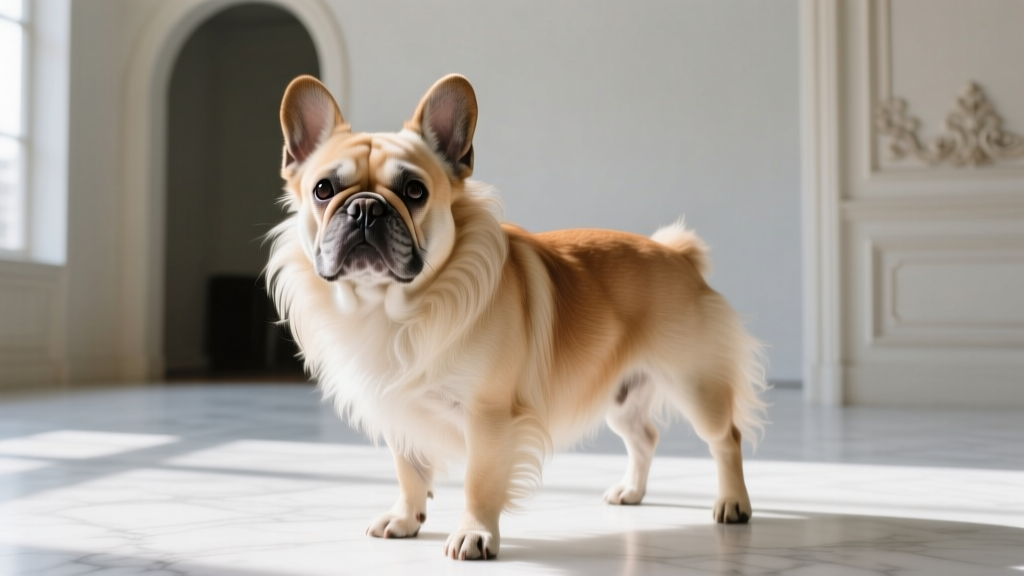
If you've scrolled through Frenchie groups on social media lately, you've probably seen them: French Bulldogs with soft, flowing coats that look more like a throwback to a different breed entirely. The long haired French Bulldog — often called the "Fluffy Frenchie" — has become one of the most talked-about and controversial variants in the designer dog world. But what exactly produces that coat, what does it mean for the dog's health, and is this a pet you should seriously consider bringing home?
This guide cuts through the hype. We'll cover the genetics behind the fluffy coat, realistic health expectations, actual ownership costs in 2026, and the honest pros and cons so you can make an informed decision — not an impulse one.
What Is a Long Haired French Bulldog?
A long haired French Bulldog is a purebred French Bulldog that carries two copies of a recessive gene (the L4 variant of the FGF5 gene) responsible for longer, softer coat growth. Unlike the standard Frenchie's short, smooth, single-layer coat, the Fluffy Frenchie sports medium-length hair that's noticeably longer around the ears, chest, legs, and tail. Some individuals develop a modest mane or feathering on the hindquarters.
Critically, these dogs are not a separate breed, a mixed breed, or a "designer" cross. They are French Bulldogs with a recessive coat trait — the same way two brown-eyed parents can produce a blue-eyed child. Both parents must carry the gene for a puppy to express the long coat. Breeders now use DNA testing (through labs like Embark or Animal Genetics) to identify carriers before pairing.
Origin and History of the Fluffy Frenchie
The French Bulldog breed originated in the mid-1800s, when English lace workers in Nottingham brought small bulldog-type dogs to France during the Industrial Revolution. These "toy bulldogs" were crossed with local Parisian ratters and possibly pugs, producing the compact, bat-eared companion we recognize today. The breed was refined in both France and the United States through the late 19th and early 20th centuries.
The long-hair gene has likely existed in the French Bulldog gene pool for decades — possibly introduced through historical outcrosses to longer-coated breeds during early breed development. However, because the trait is recessive, it remained hidden for generations. Fluffy Frenchies began appearing with notable frequency around 2015–2018, when breeders started intentionally pairing known carriers. By 2024–2026, dedicated "Fluffy Frenchie" breeding programs have become a recognizable niche within the Frenchie community, with puppies commanding premium prices.
The ethical debate is real: some breeders and breed clubs view intentional long-hair breeding as prioritizing aesthetics over health, while proponents argue it's simply selecting for a naturally occurring recessive trait that doesn't inherently compromise the dog's wellbeing. The truth, as usual, depends entirely on the individual breeder's practices.
| Size Class | Small |
| Weight (Adult) | 16–28 lb / 7.3–12.7 kg |
| Height (Adult) | 11–13 inches / 28–33 cm at the shoulder |
| Lifespan | 10–12 years (some reach 14 with excellent care) |
| Coat Type | Medium-length, soft, single or semi-double coat; longer at ears, chest, legs, tail |
| Energy Level | Low to moderate |
| Grooming Needs | Moderate (brushing 3–4x/week, bath every 3–4 weeks) |
| Family Fit | Excellent companion; good with children and other pets when socialized |
Physical Characteristics: Size, Coat, and Appearance
A long haired French Bulldog has the same stocky, muscular build as any standard Frenchie — broad chest, short muzzle, bat ears, and a compact frame. The only difference is coat length and texture. Adult males typically weigh 20–28 lb (9.1–12.7 kg), while females tend to be slightly smaller at 16–24 lb (7.3–10.9 kg). Height at the shoulder ranges from 11 to 13 inches (28–33 cm).
The coat itself is typically 1–3 inches long across the body, with longer feathering on the ears, a fuller chest ruff, and noticeable fringing on the back of the front legs and tail. Texture varies from silky-soft to slightly wavy, but it should never be curly or woolly. Colors mirror the standard Frenchie palette: brindle, fawn, cream, pied (white with patches), and the rarer blue, chocolate, lilac, and merle patterns. Note that "exotic" colors like merle carry their own health risks (merle-to-merle breeding can produce deaf and blind puppies) and are not recognized by the AKC.
One practical difference from standard Frenchies: the longer coat means more visible shedding on furniture and clothing, though the total volume of hair shed is similar. You'll notice it more because the strands are longer and tend to weave into fabrics.
Temperament and Personality: What Living With a Fluffy Frenchie Is Really Like
The long haired French Bulldog inherits the same temperament as any standard Frenchie. The coat gene doesn't affect behavior. Here's what you can expect from the breed's core personality traits, based on years of owner reports and breed observations:
1. Clownish and entertaining. Frenchies are famous for their comedic timing. They'll "talk" to you with a range of grunts, yips, and yawns. They follow their owners from room to room and insert themselves into whatever you're doing — folding laundry, cooking, working from home. Expect a dog that demands to be part of your day, not one that sleeps in a corner.
2. Deeply attached, borderline velcro. This breed bonds intensely with their primary person or family. Separation anxiety is a genuine concern if left alone for long stretches. A Fluffy Frenchie in a household where someone is home most of the day thrives; one left in a crate for 9-hour workdays will likely develop destructive behaviors or stress-related health issues.
3. Stubbornly intelligent. Frenchies understand commands quickly but often decide whether compliance is worth their effort. They respond poorly to repetitive drills and harsh corrections. Short, game-based training sessions with high-value treats (freeze-dried liver, small pieces of chicken) work far better than traditional obedience repetition.
4. Surprisingly athletic in short bursts. Despite the couch-potato reputation, a healthy Frenchie can be quick and agile over short distances. Many enjoy flirt pole sessions, short agility runs, and nose work games. The key limitation is heat tolerance and breathing capacity — more on that in the health section.
5. Generally sociable with other dogs. Properly socialized Frenchies tend to get along well with other dogs, though some intact males can show same-sex dog aggression. Early puppy socialization (exposure to varied dogs, people, and environments between 8 and 16 weeks) is critical for building confidence and reducing reactivity.
Exercise, Activity, and Daily Care Needs
French Bulldogs, including the long haired variant, need consistent daily activity — but their exercise must be structured around their physical limitations. Because of their brachycephalic (short-faced) anatomy, they overheat quickly and cannot sustain prolonged aerobic effort, especially in warm or humid conditions.
| Activity | Duration | Notes |
|---|---|---|
| Morning walk | 15–20 minutes | Cool hours only (before 9 AM in summer); harness, not collar |
| Evening walk | 15–20 minutes | After sunset in warm months; sniffing time counts as mental exercise |
| Indoor play | 15–25 minutes | Flirt pole, tug, puzzle toys, hide-and-seek |
| Mental enrichment | 10–15 minutes | Snuffle mats, KONG frozen with peanut butter, training games |
| Total daily activity | 55–80 minutes | Spread across multiple short sessions |
Health Issues: What Fluffy Frenchie Owners Must Know
The long haired French Bulldog carries the same health risks as any standard Frenchie — the long coat gene itself does not introduce new diseases. However, the breed's well-documented structural issues are serious, and prospective owners need to understand them clearly before committing. Always consult your veterinarian for personalized health guidance for your dog.
| Condition | Description | Estimated Prevalence | Typical Treatment Cost |
|---|---|---|---|
| Brachycephalic Obstructive Airway Syndrome (BOAS) | Narrowed nostrils, elongated soft palate, and hypoplastic trachea restrict airflow | ~50–60% of Frenchies show clinical signs (Merck Veterinary Manual) | $2,500–$7,000 for corrective surgery (stenotic nares resection + soft palate trimming) |
| Intervertebral Disc Disease (IVDD) | Disc herniation in the spine causing pain, weakness, or paralysis — chondrodystrophic breeds are predisposed | ~4–6% lifetime risk in chondrodystrophic breeds | $3,000–$8,000+ for surgical decompression; conservative management $500–$2,000 |
| Allergic Skin Disease (Atopy) | Environmental or food allergies causing itching, ear infections, hot spots — longer coat may trap more allergens | ~30% of Frenchies affected | $200–$600/year ongoing (Apoquel, Cytopoint, allergy testing) |
| Hip Dysplasia | Malformation of the hip joint causing arthritis and pain over time | ~12% per OFA data | $1,500–$6,000 for total hip replacement; conservative management lower |
| Patellar Luxation | Kneecap slips out of position, causing intermittent lameness | ~8–10% in small breeds | $1,500–$3,500 per knee for surgical correction |
Reproductive note: French Bulldogs have an extremely high rate of dystocia (difficult birth) — approximately 80% of Frenchie litters require cesarean section delivery due to the breed's large-headed puppies and narrow pelvic canal. If you ever consider breeding, budget $1,500–$3,000 for a planned C-section and have an emergency veterinary hospital on standby.
Grooming the Long Haired French Bulldog
The longer coat requires noticeably more maintenance than a standard Frenchie's wash-and-wear fur, but it's far less demanding than a double-coated breed like a Husky or a high-maintenance coat like a Poodle's. Here's a realistic grooming schedule:
| Task | Frequency | Tools & Products |
|---|---|---|
| Brushing | 3–4 times per week | Slicker brush (Chris Christensen Baby Gator recommended) + steel comb for tangles behind ears |
| Bathing | Every 3–4 weeks | Oatmeal-based or hypoallergenic dog shampoo; thorough drying is critical to prevent skin fold infections |
| Face wrinkle cleaning | Daily or every other day | Unscented dog wipes or damp cloth; dry thoroughly; apply wrinkle balm (e.g., Squishface) if prone to irritation |
| Nail trimming | Every 2–3 weeks | Guillotine-style clipper or Dremel grinder; styptic powder on hand |
| Ear cleaning | Weekly | Veterinarian-recommended ear cleanser; longer ear hair may trap more moisture and debris |
| Dental care | Daily brushing ideal | Dog-specific enzymatic toothpaste; dental chews as supplement (VOHC-approved products) |
Matting risk areas: Pay special attention behind the ears, under the front legs (armpits), and around the rear end. The longer coat in these friction zones mats easily if brushing is skipped for more than a few days. A detangling spray (like Earthbath Tangle Remover) can help work through small knots before they tighten.
Training and Intelligence
French Bulldogs rank in the middle-to-lower tier of traditional obedience intelligence rankings (Stanley Coren's scale places them at #58 out of 138 breeds for working/obedience intelligence), but that metric doesn't capture the full picture. Frenchies are highly attuned to their owners' emotions and routines — they read body language and household patterns with remarkable accuracy. What they lack in blind obedience, they make up for in adaptive social intelligence.
What works: Positive reinforcement training using food rewards, play rewards, and praise. Keep sessions short (5–10 minutes), end on a success, and vary the activities. Frenchies respond exceptionally well to clicker training and shaping games where they figure out the desired behavior through trial and reward. Force-free, LIMA (Least Intrusive, Minimally Aversive) methods produce the best long-term results. Never use shock collars, prong collars, or alpha rolls — these damage trust and can worsen fear-based behaviors in this sensitive breed.
Housebreaking timeline: Frenchies typically take 4–6 months to fully housebreak, which is longer than many breeds. Consistency is everything: scheduled potty breaks every 1–2 hours for young puppies, immediate praise and treats for outdoor elimination, and crate training to prevent indoor accidents. Expect some regression around 6–8 months — this is normal and requires patience, not punishment.
Socialization window: The critical socialization period closes around 14–16 weeks of age. Before that deadline, expose your Fluffy Frenchie puppy to a wide variety of people (different ages, ethnicities, clothing styles), surfaces (grass, gravel, metal grates), sounds (traffic, thunder recordings, vacuum cleaners), and other vaccinated, friendly dogs. Puppy kindergarten classes (after the second DHPP vaccine at 12 weeks) provide structured exposure.
Family Suitability: Kids, Pets, and Apartment Living
With children: Frenchies are among the better small breeds for families with kids, primarily because of their sturdy build (less fragile than a Chihuahua or Italian Greyhound) and generally tolerant temperament. That said, no dog of any breed should be left unsupervised with young children. Teach kids to respect the dog's sleep space, avoid face-grabbing, and recognize signs of stress (lip licking, whale eye, moving away). Frenchies tend to do best with children aged 6 and up who can follow basic handling rules.
With other pets: Most Frenchies coexist peacefully with other dogs and even cats, especially when raised together. Introductions should be gradual and on neutral territory for adult dogs. Some intact males show territorial behavior toward other male dogs — neutering often reduces this. Small animals like rabbits or hamsters should be kept securely separated, as Frenchies were originally bred to catch rats and may retain some prey drive.
Apartment living: This is where Frenchies genuinely shine. Their compact size, relatively low exercise requirements, and quiet nature (they bark far less than most small breeds) make them one of the best apartment-friendly breeds available. The long haired variant is no different in this regard. Just ensure you can commit to the daily walk schedule and have access to a nearby park or outdoor area for potty breaks.
Pros
- Compact size suits apartments and small homes
- Affectionate, people-oriented temperament
- Low barking tendency compared to other small breeds
- Unique, eye-catching appearance
- Good with children when properly supervised
- Moderate exercise needs fit busy schedules
Cons
- Significant health risks (BOAS, IVDD, skin allergies)
- Very high purchase price ($4,000–$15,000+)
- Prone to separation anxiety if left alone long hours
- Heat intolerance limits outdoor activity in warm climates
- Not AKC conformation-show eligible
- More grooming than standard Frenchies
- High veterinary costs throughout life
Cost of Ownership: Purchase Price and Annual Expenses
The long haired French Bulldog is one of the more expensive variants in the small-dog market. Pricing reflects both the breed's baseline popularity and the relative rarity of the recessive long-hair gene expression.
Puppy purchase price (2026 estimates):
- Standard-quality Fluffy Frenchie (common colors like brindle, fawn): $4,000–$7,000
- Rare-color Fluffy Frenchie (blue, lilac, merle): $8,000–$15,000+
- Proven-show-lineage Fluffy Frenchie from health-tested parents: $6,000–$10,000
First-year estimated costs beyond purchase price:
- Initial veterinary exam + first-year vaccines (DHPP series, rabies, bordetella): $400–$700
- Spay/neuter: $500–$1,200 (higher for Frenchies due to anesthesia complexity with BOAS)
- Crate, bed, harness, bowls, toys: $250–$500
- High-quality food (AAFCO complete and balanced, small-breed formula): $400–$700/year
- Pet insurance (highly recommended for this breed): $600–$1,200/year (companies like Trupanion, Healthy Paws, or Lemonade)
- Grooming supplies and professional grooming (if outsourced): $300–$600/year
- Training classes (puppy kindergarten + basic manners): $200–$500
- Total first-year cost (excluding puppy): $2,650–$5,400
Ongoing annual costs (years 2+): Expect $1,800–$4,000 per year for food, insurance, routine veterinary care, grooming, and supplies. This does not include emergency veterinary expenses, which can run $3,000–$10,000+ for a single BOAS surgery, IVDD episode, or allergic crisis. An emergency fund of at least $3,000–$5,000 is strongly recommended if you don't carry pet insurance.
Frequently Asked Questions
Is the long haired French Bulldog right for first-time dog owners?
Yes, with caveats. Frenchies are forgiving of beginner mistakes in training (they're not a high-drive working breed that needs a job), and their exercise needs are manageable. The challenge for first-timers is the health management — you need to be prepared for potential breathing issues, heat sensitivity, and the financial commitment of higher-than-average vet bills. If you can budget for pet insurance and an emergency fund, a Fluffy Frenchie can be a wonderful first dog.
How much exercise does a long haired French Bulldog need daily?
Plan for 55–80 minutes of total daily activity, split into two short walks (15–20 minutes each) plus indoor play and mental enrichment sessions. Avoid exercising in heat above 80°F (27°C). This is a breed that does better with multiple short sessions than one long outing.
What health problems is this breed prone to?
The top concerns are Brachycephalic Obstructive Airway Syndrome (BOAS), Intervertebral Disc Disease (IVDD), allergic skin disease, hip dysplasia, and patellar luxation. French Bulldogs also have elevated rates of eye conditions (cherry eye, corneal ulcers) and ear infections due to their anatomy. Choose a breeder who performs OFA hip evaluations, cardiac exams, and patella checks on breeding stock.
How big does a long haired French Bulldog get?
Adult males typically weigh 20–28 lb (9.1–12.7 kg) and stand 12–13 inches (30–33 cm) at the shoulder. Females are usually 16–24 lb (7.3–10.9 kg) and 11–12 inches (28–30 cm). The long coat can make them look slightly larger than they actually are.
Is this breed good with children and other pets?
Generally yes. Frenchies are sturdy for their size and tend to be patient with respectful children. They typically get along with other dogs and cats when properly socialized. Always supervise interactions between dogs and young children, and never allow a child to disturb a sleeping dog.
How much does a long haired French Bulldog cost to buy and maintain?
Purchase price ranges from $4,000 to $15,000+ depending on color and lineage. First-year costs beyond the puppy run $2,650–$5,400. Ongoing annual maintenance is $1,800–$4,000, with the understanding that emergency veterinary care can add thousands more. Pet insurance is strongly recommended.
Are long haired French Bulldogs recognized by the AKC?
French Bulldogs with long coats can be AKC-registered if both parents are registered, but the long coat is a disqualifying fault in the AKC breed standard. This means they cannot compete in AKC conformation shows. They are eligible for companion events like obedience, rally, and agility.
Do Fluffy Frenchies shed more than standard Frenchies?
The total volume of hair shed is similar, but the longer strands are more noticeable on clothing and furniture. Regular brushing (3–4 times per week) significantly reduces loose hair around the home. Frenchies are not hypoallergenic — the longer coat does not change the allergenic proteins in their dander and saliva.
The long haired French Bulldog is a visually striking companion with the same lovable, clownish personality that has made Frenchies one of the most popular breeds in the United States. The fluffy coat adds grooming time and visual appeal but doesn't change the dog's fundamental needs or health profile. If you're prepared for the breed's well-documented health challenges, the financial commitment of responsible ownership, and the daily time investment in exercise and grooming, a Fluffy Frenchie can be an extraordinarily rewarding companion. Start by researching breeders who health-test their breeding stock — the Orthopedic Foundation for Animals database lets you verify health clearances by dog name or registration number.
Beth Carrasco
All our authors care for dogs every day — read more of their work on the authors page.


