Long Hair Husky (Wooly Siberian): Complete Breed Profile & Care Guide
Everything about the long hair husky (wooly Siberian): size, temperament, grooming needs, health risks, exercise requirements, and ownership costs.
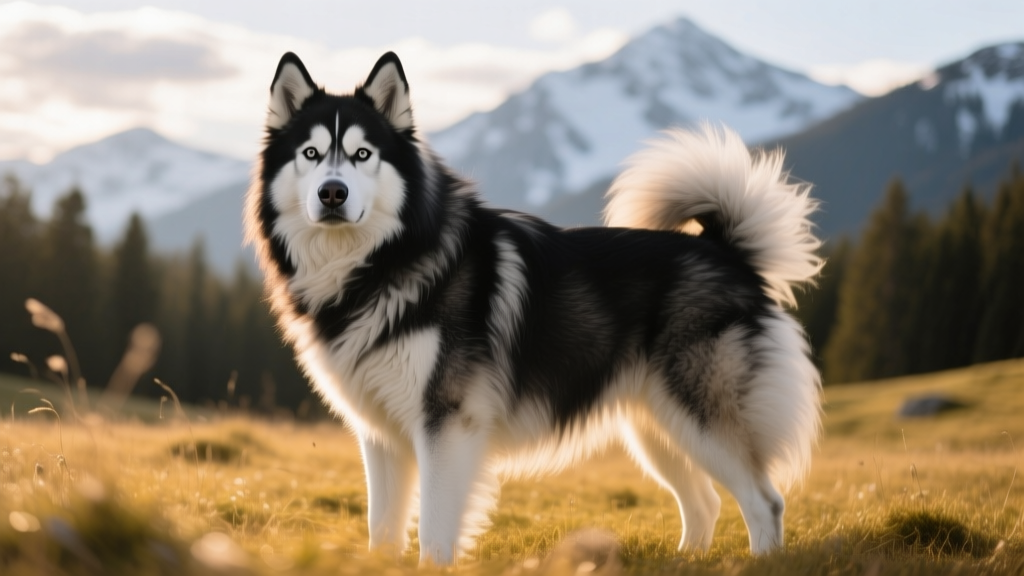
The Long Hair Husky: What Makes the Wooly Coat Different?
If you've ever seen a Siberian Husky that looks like it's wearing a lion's mane, you've likely encountered a long hair husky — often called a "wooly" in the sled dog community. This isn't a separate breed. It's a Siberian Husky carrying a recessive gene (FGF5 mutation) that produces a dramatically longer, thicker coat than the standard variety. The wooly coat can reach 4-6 inches in length on the body, with even longer fur around the neck, tail, and hindquarters.
The long hair trait appears in roughly 5-10% of Siberian Husky litters, depending on the genetic lines. When two carriers (each holding one copy of the recessive gene) are bred, approximately 25% of puppies will express the wooly coat. Reputable breeders typically do not intentionally breed for this trait because the longer coat is considered a fault in the AKC breed standard — it traps snow and moisture, which historically impaired working dogs in Arctic conditions.
That said, the long hair husky has developed a devoted following among pet owners who prioritize appearance over working ability. Before you bring one home, here's what you need to know about living with this striking variation.
| Attribute | Details |
|---|---|
| Breed | Siberian Husky (wooly/long hair coat variant) |
| Size Class | Medium (working group) |
| Weight (Male) | 45-60 lb / 20-27 kg |
| Weight (Female) | 35-50 lb / 16-23 kg |
| Height (Male) | 21-23.5 inches / 53-60 cm |
| Height (Female) | 20-22 inches / 51-56 cm |
| Lifespan | 12-14 years |
| Coat Type | Double coat, long/wooly (4-6 inches body length) |
| Energy Level | High (working dog drive) |
| AKC Recognition | Recognized as Siberian Husky; wooly coat is a breed standard fault |
Origin and History: From Siberian Sled Lines to Family Couches
The long hair husky's story begins with the Chukchi people of northeastern Siberia, who bred these dogs over 3,000 years ago for endurance sled pulling across vast frozen distances. The wooly coat mutation has existed in these lines for centuries but was naturally selected against in working environments — dogs with excessively long coats accumulated ice buildup, which added weight and reduced thermoregulation efficiency.
Siberian Huskies arrived in Alaska in 1909 for the All-Alaska Sweepstakes sled race, and the breed gained widespread recognition after the 1925 serum run to Nome, where musher Leonhard Seppala's team — led by the famous Togo — delivered diphtheria antitoxin across 260 miles of treacherous terrain. The AKC officially recognized the Siberian Husky in 1930.
Today, long hair huskies appear most frequently in pet-bred lines rather than working or show lines. Some breeders market them as "rare" or "premium" varieties and charge significantly higher prices, though veterinary geneticists and responsible breeding advocates note this is simply a recessive coat gene — not a health improvement or a separate breed.
Temperament & Personality: 5 Core Traits You'll Live With Daily
A long hair husky has the identical temperament of a standard-coat Siberian Husky. The coat gene doesn't affect behavior. Here's what that means in practical terms:
1. High prey drive. Your wooly husky will likely chase squirrels, cats, rabbits, and small dogs. This isn't aggression — it's an instinctive chase response hardwired over millennia. Off-leash recall in unfenced areas is unreliable for most huskies regardless of training level. A secure 6-foot fence (with no gaps and dig-proofing at the base) is non-negotiable.
2. Vocal and dramatic. Huskies rarely bark in the traditional sense. Instead, they howl, "talk" (a woo-woo vocalization), scream when frustrated, and grunt when content. If you live in an apartment with thin walls or close neighbors, this breed will test those relationships. A husky left alone for 8+ hours may vocalize for extended periods.
3. Independent problem-solvers. This is a breed that figures out latch mechanisms, digs under fences, and opens doors. They're intelligent but not biddable — meaning they understand what you want but evaluate whether compliance serves their interests. If your husky sees no benefit in coming when called, they won't.
4. Pack-oriented and social. Huskies genuinely prefer company — canine or human. They tend to do poorly as solo dogs left alone for long workdays. Separation anxiety manifests as destructive chewing, escape attempts, and prolonged howling. Many experienced husky owners keep them in pairs.
5. Friendly with strangers. A husky is a terrible guard dog. They're more likely to greet an intruder with tail wags and a play bow than a warning bark. This friendliness extends to children, visitors, and delivery drivers alike.
Exercise & Activity: How Much Does a Long Hair Husky Need?
This is a working breed built for endurance, not short strolls. Here are specific daily requirements:
| Activity Type | Duration | Frequency | Notes |
|---|---|---|---|
| Brisk leash walking or canicross | 45-60 minutes | Daily | Use a hands-free waist leash or pulling harness |
| Free running in secure area | 30-45 minutes | 3-5x/week | Fenced yard or long-line in open field |
| Mental enrichment (puzzle feeders, scent work) | 15-20 minutes | Daily | Snuffle mats, frozen Kongs, hide-and-seek games |
| Structured sport (bikejoring, agility, sledding) | 30-60 minutes | 1-3x/week | Excellent outlet for pulling instinct |
Total daily minimum: 90-120 minutes of combined physical and mental activity. A husky that receives less than this will create its own entertainment — typically by destroying furniture, digging through landscaping, or attempting escape. Behavioral problems in huskies are overwhelmingly exercise-deficit problems.
For hot climates (above 70°F / 21°C), shift exercise to early morning and late evening. The wooly coat makes long hair huskies particularly vulnerable to heat exhaustion. Never shave a husky's coat — the double layer actually insulates against heat by trapping cool air near the skin. Shaving destroys this thermoregulation and the coat may never regrow properly.
Grooming: The Real Commitment Behind That Fluffy Coat
Here's where the long hair husky diverges significantly from the standard coat variety in terms of owner workload:
Daily brushing (10-15 minutes): Use a slicker brush followed by an undercoat rake. The wooly coat mats easily, particularly behind the ears, in the armpits, and around the hindquarters. Mats close to the skin can trap moisture and cause hot spots (acute moist dermatitis).
Seasonal blow-out (twice yearly, lasting 3-4 weeks each): During spring and fall, your husky will shed enormous quantities of undercoat. During blow-out, increase brushing to 20-30 minutes daily. A high-velocity dryer (such as the Metrovac Air Force Commander, approximately $130-$180) dramatically speeds undercoat removal and is considered essential by most husky owners with wooly coats.
Bathing (every 6-8 weeks): Use a deshedding shampoo and conditioner formulated for double-coated breeds. Thorough drying is critical — a damp undercoat against the skin breeds fungal and bacterial infections. Plan for 60-90 minutes for a full bath-and-dry cycle with a long hair husky.
Professional grooming option: Many wooly husky owners schedule professional deshedding treatments every 8-12 weeks at a cost of $60-$100 per session. Ensure your groomer understands double-coated breeds and will never shave or clip the coat short.
Essential tool kit:
- Undercoat rake (long-tooth, 2.5-3 inch pins) — $15-$25
- Slicker brush (medium, curved head) — $12-$20
- High-velocity dryer — $130-$200
- Detangling spray for problem areas — $10-$15
- Stainless steel comb for finishing — $8-$12
Common Health Issues in Long Hair Huskies
Long hair huskies share the same health predispositions as standard Siberian Huskies. The wooly coat gene itself is not associated with additional health problems — it's a cosmetic variation. However, the denser coat can mask skin conditions and make early detection of lumps, parasites, or infections more difficult.
| Condition | Prevalence | Onset Age | Management |
|---|---|---|---|
| Hip Dysplasia | ~6-8% of Siberian Huskies (OFA data) | 6-18 months (signs); confirmed at 24 months | Weight management, joint supplements, surgical correction in severe cases |
| Hereditary Cataracts | ~10% of breed | Often juvenile (6-18 months) | Annual CERF/OFA eye exams; surgical lens replacement ($2,500-$4,000 per eye) |
| Progressive Retinal Atrophy (PRA) | ~2-4% of breed | Adult (3-5 years typical) | No cure; genetic testing available (Optigen prcd-PRA); manage environment for blind dogs |
| Hypothyroidism | ~3-5% of breed | 2-6 years | Lifelong levothyroxine supplementation ($15-$30/month) |
| Corneal Dystrophy | ~5% of breed | Variable, often young adult | Monitor; rarely requires surgical intervention unless ulceration occurs |
Skin-specific concern for wooly coats: The dense, long coat traps moisture and debris more readily than the standard coat. Hot spots, yeast dermatitis (Malassezia), and flea infestations can develop and remain hidden. Part the coat weekly to inspect the skin directly, particularly along the spine, groin, and under the collar.
Reputable breeders should provide OFA hip evaluations (excellent, good, or fair ratings), OFA/CERF eye clearance certificates updated annually, and thyroid panels. Ask for these documents before purchasing any puppy. The Orthopedic Foundation for Animals database allows you to verify health clearances independently.
Always consult your veterinarian about breed-specific screening and preventive care for your individual dog.
Training & Intelligence: Working With an Independent Thinker
Huskies rank moderately on traditional trainability scales — not because they lack intelligence, but because they lack the biddability (eagerness to please) that makes breeds like Border Collies or Golden Retrievers seem "smarter." A husky can learn any command; the challenge is motivating them to perform it consistently.
Trainability rating: 5/10 for novice owners; 7/10 for experienced handlers who understand motivational training.
Recommended methods: Positive reinforcement exclusively. Use high-value food rewards (freeze-dried liver, chicken, cheese), variable reinforcement schedules (reward unpredictably to maintain engagement), and keep sessions short (5-10 minutes, 2-3 times daily). Force-free, LIMA (Least Intrusive, Minimally Aversive) approaches produce the best long-term results with this breed.
Aversive tools — shock collars, prong collars, alpha rolls — are counterproductive with huskies. They tend to shut down or become defensively reactive rather than compliant. The American Veterinary Society of Animal Behavior recommends against punishment-based training across all breeds, and huskies in particular respond poorly to coercion.
Priority training goals:
- Recall: Train extensively in fenced areas before any off-leash exposure. Many husky owners accept that 100% reliable recall is unrealistic and manage with long-lines (15-30 foot leashes) for open-area exercise.
- Leash manners: Huskies are bred to pull. Use a front-clip harness (such as the Ruffwear Front Range) and reward loose-leash walking. Expect 4-8 weeks of consistent daily practice before seeing reliable results.
- Crate training: Essential for preventing destruction when unsupervised. Introduce gradually with positive associations. Most huskies accept crates well if introduced as puppies.
- Impulse control: Practice "leave it," "wait" at doors, and settle training. These skills reduce bolting and chasing incidents.
Family Suitability: Kids, Pets, and Living Situations
Strengths as a Family Dog
- Genuinely friendly and gentle with children of all ages
- Not aggressive; low bite risk when properly socialized
- Playful and entertaining; matches children's energy well
- Excellent with other dogs when introduced properly
- Hardy and tolerant of cold-weather outdoor family activities
Challenges for Families
- High prey drive makes cohabitation with cats, rabbits, or small dogs risky
- Jumping and exuberant play can knock over toddlers unintentionally
- Vocalization (howling, talking) may disturb neighbors in attached housing
- Heavy shedding means constant fur on furniture, clothing, and in food
- Destructive when under-exercised or left alone excessively
Apartment living: Possible but challenging. A husky can adapt to apartment life if given 90+ minutes of outdoor exercise daily, but the vocalization and energy level make this breed better suited to homes with secure yards. Ground-floor units with direct outdoor access are preferable to high-rise living.
With cats: Some huskies coexist peacefully with cats they're raised alongside, but many will chase or injure cats — even beloved family cats — if prey drive triggers. Introducing a husky to an existing cat household carries genuine risk and requires careful, supervised management.
Cost of Ownership: Puppy Price and Annual Expenses
Long hair huskies often command premium prices because breeders market them as rare. Here's a realistic cost breakdown:
| Expense Category | Cost Range | Notes |
|---|---|---|
| Puppy purchase (long hair/wooly) | $1,200 - $3,500 | Higher than standard coat; varies by breeder reputation and location |
| Adoption/rescue alternative | $150 - $400 | Husky rescues frequently have wooly-coated dogs available |
| Initial supplies (crate, harness, tools, bowls) | $300 - $500 | Includes grooming tools specific to wooly coat |
| First-year veterinary (vaccines, spay/neuter, microchip) | $600 - $1,200 | Higher end if hip/elbow preliminary x-rays included |
| Annual food (high-quality kibble or balanced raw) | $600 - $1,000 | 45-60 lb dog consuming 2.5-3.5 cups/day |
| Annual preventive care (flea/tick, heartworm, vaccines) | $300 - $500 | Year-round heartworm prevention recommended in most US regions |
| Annual grooming (professional deshedding, tools replacement) | $300 - $600 | Higher if using professional groomer regularly |
| Pet insurance (optional but recommended) | $480 - $840/year | $40-$70/month; covers hereditary conditions |
Estimated first-year total: $3,500 - $7,500 (including puppy purchase). Ongoing annual cost: $2,000 - $4,000 after the first year.
A note on "rare" pricing: Paying $3,000+ for a long hair husky puppy does not guarantee superior health, temperament, or breeding quality. The wooly coat is a recessive gene, not a health improvement. Some breeders charge premium prices specifically because the coat photographs well on social media. Evaluate any breeder on health testing, temperament evaluation, and contract terms — not on coat length alone.
Is a Long Hair Husky Right for You?
This breed suits you if: you have an active lifestyle with 1-2 hours daily for outdoor exercise, you live in a house with a secure yard, you don't mind constant shedding and dog hair on everything you own, you find husky vocalization charming rather than annoying, and you have patience for training a dog that thinks independently.
This breed does not suit you if: you work long hours away from home, you live in an apartment with noise restrictions, you want an obedient, biddable companion that responds instantly to commands, you have cats or small pets, or you're a first-time dog owner without support from an experienced trainer or mentor.
For first-time owners specifically: a long hair husky is a challenging first dog. The combination of high exercise needs, independence, prey drive, vocalization, escape tendency, and intensive grooming creates a steep learning curve. If you're committed to the breed, connect with a local husky rescue or breed club for mentorship, and invest in professional positive-reinforcement training from the start.
Frequently Asked Questions
Is a long hair husky a separate breed?
No. A long hair husky is a Siberian Husky with a recessive gene (FGF5 mutation) that produces a longer, wooly coat. It's the same breed in every other respect — temperament, size, health predispositions, and care requirements are identical to standard-coat Siberian Huskies.
How big does a long hair husky get?
Adult males typically weigh 45-60 lb (20-27 kg) and stand 21-23.5 inches (53-60 cm) at the shoulder. Females are slightly smaller at 35-50 lb (16-23 kg) and 20-22 inches (51-56 cm). The wooly coat can make them appear substantially larger than they actually are.
How much exercise does a long hair husky need daily?
A minimum of 90-120 minutes of combined physical activity and mental enrichment daily. This should include structured exercise (walking, running, pulling sports) plus free play and puzzle-based enrichment. Less exercise typically results in destructive or escape behaviors.
Can I shave my long hair husky to reduce shedding?
No. Shaving a double-coated breed destroys the coat's thermoregulation function, exposes skin to sunburn, and may result in permanent coat damage where the undercoat grows back but guard hairs do not (post-clipping alopecia). Manage shedding through regular brushing and high-velocity drying instead.
Are long hair huskies good with children?
Yes, generally. Huskies are friendly, playful, and tolerant with children. However, their exuberance and tendency to jump can accidentally knock over small children. Always supervise interactions, and teach children to respect the dog's space during sleep and meals.
How much does a long hair husky cost?
Expect to pay $1,200-$3,500 for a puppy from a breeder marketing wooly coats. Adoption through a husky-specific rescue typically costs $150-$400. Annual care costs range from $2,000-$4,000 including food, veterinary care, grooming, and preventive medications.
Robin Maitland
All our authors care for dogs every day — read more of their work on the authors page.


