Lancashire Heeler: The Rare British Herding Breed Explained
Everything you need to know about the Lancashire Heeler: origin, temperament, health risks like CEA and PLL, cost.
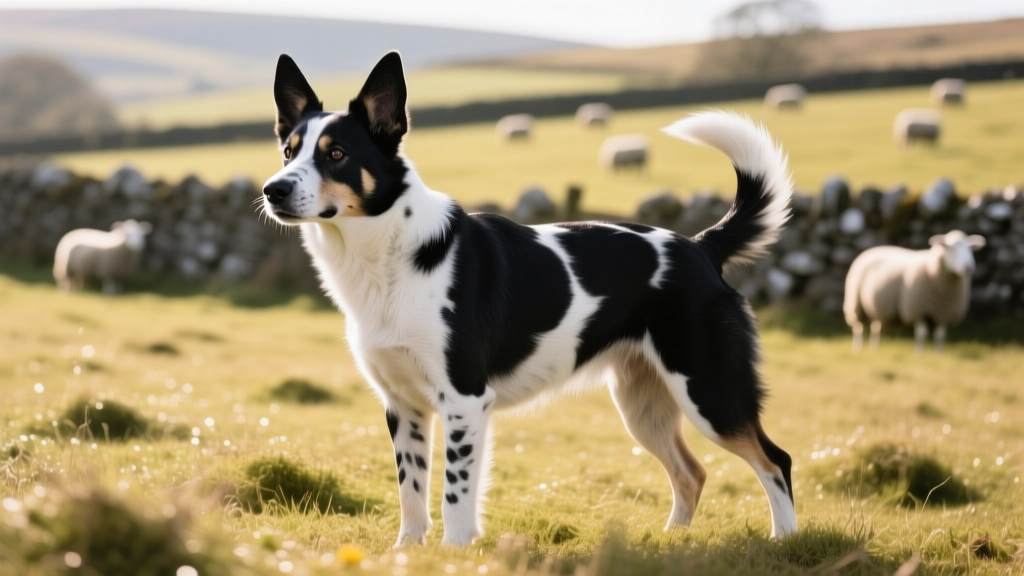
If you've never heard of the Lancashire Heeler, you're not alone. With fewer than 1,500 registered worldwide and only a few hundred in the United States, this compact British herding dog remains one of the best-kept secrets in the canine world. Often mistaken for a small Corgi mix or an undersized Australian Cattle Dog, the Lancashire Heeler is a distinct breed with a 150-year history, a big-dog personality crammed into a 9-to-17-pound frame, and a handful of genetic health concerns that every prospective owner should understand before signing on a breeder's waitlist.
This guide covers the breed's origin, physical standards, temperament surprises, breed-specific health data, real-world care requirements, and what you'll actually pay to bring one home in 2026. Whether you're a first-time owner curious about a smaller herding breed or an experienced dog person looking for something uncommon, here's what you need to know.
Where the Lancashire Heeler Came From — and What Nearly Destroyed It
The Lancashire Heeler originated in the county of Lancashire in northwest England, with the breed's development believed to center around the Ormskirk area during the mid-19th century. Local farmers and butchers needed a small, sturdy dog that could drive cattle and sheep to market along narrow country lanes, then double as a ratter around the farmstead and a companion by the hearth at night.
Lancashire Heeler Origin Timeline
- ~1850s: Believed to have been developed by crossing the now-extinct Black and Tan Terrier (an early Manchester Terrier type) with the Welsh Corgi — likely the Cardigan variety, given the body proportions seen in early specimens.
- 1870s–1900s: Used extensively as a "butcher's dog" in Lancashire markets, driving livestock and guarding stalls. The breed was known locally as the "Ormskirk Heeler."
- 1970s: Breed numbers had declined dangerously. Gwen Mackintosh of Norfolk began a dedicated breeding program to save the breed, establishing the foundation stock for modern Lancashire Heelers.
- 1981: The United Kingdom's Kennel Club (KC) granted the breed rare breed status, officially recognizing the Lancashire Heeler.
- 1999: The Lancashire Heeler Club of America was formed.
- 2016: The American Kennel Club (AKC) admitted the Lancashire Heeler into the Miscellaneous Class — a stepping stone toward full recognition. As of 2026, the breed remains in the Miscellaneous Class and has not yet achieved full AKC recognition in the Herding Group.
- Current Status: The Fédération Cynologique Internationale (FCI) recognizes the breed under Group 1 (Sheepdogs and Cattle Dogs), and the United Kennel Club (UKC) lists the breed in its Herding Group. The UK Kennel Club classifies it as a Vulnerable Native Breed, meaning fewer than 300 puppies are registered annually in Britain.
How rare is this breed today? The UK Kennel Club typically registers between 100 and 250 Lancashire Heeler puppies per year in Britain. In the United States, AKC Miscellaneous Class registrations number in the low hundreds. Globally, the estimated population is roughly 2,000–3,000 dogs, making this one of the rarest herding breeds you can own.
What a Lancashire Heeler Actually Looks Like
| Attribute | Specification |
|---|---|
| Weight | 9–17 lb (4–8 kg); most adults cluster around 12–15 lb (5.5–7 kg) |
| Height at Withers | 10–12 inches (25–30 cm); ideal is 10 in for females, 12 in for males |
| Body Length-to-Height Ratio | Slightly longer than tall — approximately 1.5:1 |
| Coat | Double coat: fine, dense undercoat with a short, hard, straight outer coat; weather-resistant |
| Colors | Black and tan (most common); liver and tan (recognized but less common) |
| Ears | Erect, proportionate, triangular; tip-to-tip width roughly equal to skull width |
| Tail | Set high, carried in a slight curve; never docked in countries where docking is banned |
| Lifespan | 12–15 years (some individuals reach 16+) |
| Energy Level | Moderate-to-high; 45–60 minutes of structured activity daily |
| AKC Group | Miscellaneous Class (Herding Group pending) |
The most distinctive physical feature that sets the Lancashire Heeler apart from similar-looking breeds is its "tramline" expression — a slight furrow between the eyes combined with a keen, alert gaze that experienced breeders describe as "cheeky" or "knowing." The breed's compact, low-slung body is more refined and less heavily boned than a Pembroke Welsh Corgi's, with a noticeably longer muzzle and a less pronounced stop. The feet are small, round, and well-arched — built for all-day endurance rather than short bursts of speed.
The black-and-tan coloration often features rich mahogany tan markings on the cheeks, above the eyes (creating characteristic "eyebrow" spots), on the chest, legs, and underside. Liver-and-tan individuals show chocolate brown replacing the black, with the same tan point pattern. White markings are considered a fault in the show ring but do occur.
Temperament: What Catches New Owners Off Guard
The Lancashire Heeler's temperament is where first-time owners tend to be surprised — in both directions. Here's what the breed-standard personality actually looks like in a living room:
The Surprises
- Stubbornness in a small package. People expect a 14-pound dog to be biddable and eager. Lancashire Heelers are intelligent and capable learners, but they were bred to make independent decisions while herding cattle ten times their size. They will test boundaries, ignore recalls when something more interesting is happening, and negotiate rules rather than simply obeying them. This is not defiance — it's working-dog independence.
- Vocal tendencies. While not constant barkers like some terriers, Heelers are alert announcers. They will notify you of the mail carrier, the neighbor's cat, a leaf blowing across the yard, and anything else they consider noteworthy. In apartments, this can be a friction point with neighbors.
- Heel-nipping instinct. The breed's name isn't decorative. Puppies will nip at ankles, pant legs, and the heels of running children. This is herding behavior, not aggression, but it requires active redirection from day one using positive reinforcement methods. Teaching an incompatible behavior (like "go to your mat" when kids are running) is far more effective than punishing the instinct.
- Velcro-dog attachment. Despite their independent working streak, Lancashire Heelers bond intensely to their primary person and often follow them room to room. They do not do well as outdoor-only dogs or with owners who are away 10+ hours daily without enrichment provisions.
- Surprising athleticism. Owners routinely report their Heelers excelling at agility, rally obedience, and barn hunt at competition levels that belie the dog's small size. A fit adult Heeler can hike 4–5 miles at a steady pace and will outlast many larger breeds on moderate terrain.
Family and First-Time Owner Suitability
Is the Lancashire Heeler suitable for families or first-time owners? The honest answer is: conditionally. They are generally good with respectful children aged 8 and up who understand not to grab, chase, or startle a small dog. They are less ideal for families with toddlers, due to the combination of the dog's small size (a falling toddler can injure a 12-pound dog) and the breed's heel-nipping instinct around fast-moving small humans.
For first-time owners, a Lancashire Heeler can work if you commit to structured training classes (puppy kindergarten by 12 weeks, basic obedience by 6 months) and accept that this is not a "plug-and-play" companion breed. If your prior experience is limited to laid-back breeds like Greyhounds or Basset Hounds, the Heeler's energy and independence may feel overwhelming. Owners with prior herding-breed or terrier experience tend to adapt more quickly.
Breed-Specific Health Concerns — What the Data Shows
Like every purebred dog, the Lancashire Heeler carries predispositions to specific genetic conditions. The two most significant are eye disorders that the breed community actively screens for. Always consult your veterinarian for personalized health guidance, and insist on seeing health-test documentation before purchasing a puppy.
| Condition | Description | Estimated Prevalence | Recommended Screening | Typical Cost |
|---|---|---|---|---|
| Collie Eye Anomaly (CEA/CH) | Congenital developmental defect of the choroid, retina, and sclera; ranges from mild choroidal hypoplasia to retinal detachment and blindness | ~15–20% carriers or affected in tested populations (UK data) | DNA test (Optigen or Animal Health Trust panel) + annual CERF/OFA ophthalmologist exam | $65–$120 DNA test; $80–$150 CERF exam |
| Primary Lens Luxation (PLL) | Hereditary weakening of the zonular fibers holding the eye lens; lens displaces forward, causing acute glaucoma and blindness if untreated | ~5–10% carriers in screened populations | DNA test (Optigen); both parents should be clear or carriers bred only to clears | $65–$100 DNA test; surgical treatment $1,500–$3,500 per eye if luxation occurs |
| Patellar Luxation | Kneecap slips out of the femoral groove; ranges from Grade I (occasional skip) to Grade IV (permanent displacement requiring surgery) | Reported in breed but prevalence not formally quantified; OFA data suggests low-to-moderate occurrence | OFA patella evaluation by veterinarian at 12+ months | $40–$80 evaluation; surgical correction $1,500–$3,000 per knee |
| Intervertebral Disc Disease (IVDD) | Degeneration or herniation of spinal discs; risk elevated in chondrodystrophic (short-legged) breeds | Low but present; dwarfism-associated risk applies | No routine screening; owner awareness of symptoms (acute back pain, reluctance to jump, hind-limb weakness) | Conservative management $500–$2,000; surgical decompression $3,000–$7,000 |
| Dental Disease | Periodontal disease onset often by age 3–4 due to small jaw crowding | Very high — estimated 70–80% of small breeds show signs by age 3 | Annual veterinary dental exams; daily tooth brushing | Professional cleaning $300–$800; extractions $150–$400 per tooth |
🚨 Emergency Red Flags for Lancashire Heeler Owners
Contact your veterinarian or an emergency clinic immediately if your Heeler shows:
- Sudden cloudiness or redness in one or both eyes (possible lens luxation or glaucoma — vision loss can occur within 24–48 hours)
- Acute back pain, arched spine, reluctance to move, or dragging of hind legs (possible IVDD herniation)
- Repeated vomiting with a distended abdomen (bloat/GDV is rare in small breeds but not impossible)
- Seizures or collapse
Reputable Lancashire Heeler breeders will provide documentation of CEA and PLL DNA test results for both parents, a current OFA or CERF ophthalmologist clearance, and a patella evaluation. According to the Orthopedic Foundation for Animals (OFA), breeders who participate in open health databases demonstrate a higher standard of care. A breeder who cannot or will not provide these results should be considered a red flag.
Daily Care, Grooming, and Exercise — The Practical Details
Lancashire Heeler Care Checklist
- Exercise: 45–60 minutes daily, split into two sessions. A 20-minute structured walk in the morning plus a 30-minute evening session of fetch, flirt pole, or training games meets most Heelers' needs. Off-leash time in secure areas is ideal but recall must be reliable — their herding instinct means they will chase squirrels, bikes, and joggers.
- Mental stimulation: Minimum 15–20 minutes of training, puzzle toys, or scent work daily. Without mental work, Heelers invent their own entertainment, which usually involves dismantling something you value.
- Grooming: Brush 2–3 times per week with a slicker brush or rubber curry comb. The double coat sheds moderately year-round with two heavier seasonal blows (spring and fall). Bathing every 6–8 weeks or as needed. The coat is naturally dirt-repellent and dries quickly.
- Nail trimming: Every 2–3 weeks. Small-breed nails grow proportionally fast, and overgrown nails alter foot mechanics and contribute to patellar stress.
- Dental care: Daily brushing with a canine enzymatic toothpaste (e.g., C.E.T. or Virbac). Begin handling the mouth from puppyhood. Annual professional cleanings starting at age 2–3.
- Ear care: Check weekly for debris or odor; clean with a veterinary ear cleanser (e.g., Epi-Otic) only when needed. Erect ears generally stay cleaner than drop ears.
- Weight management: Maintain a body condition score (BCS) of 4–5 out of 9. An ideal-weight Heeler at 14 lb should have ribs easily palpable but not visible, with a visible waist from above. Even 2 extra pounds on a 14-lb dog represents a 14% excess — equivalent to a 150-lb human carrying 21 extra pounds — and increases IVDD and patellar stress.
Nutrition Specifics
Feed a complete-and-balanced commercial diet that carries an AAFCO statement for the appropriate life stage. Most adult Lancashire Heelers require approximately 300–450 calories per day depending on activity level, intact/altered status, and individual metabolism. For kibble, look for a small-breed formula with kibble size appropriate for a small jaw — brands like Royal Canin Small, Purina Pro Plan Small Breed, or Hill's Science Diet Small Paws are commonly recommended by veterinarians for appropriately sized pieces.
Avoid free-feeding. Measured meals twice daily help maintain weight control and make appetite changes (an early illness indicator) easier to spot.
How the Lancashire Heeler Compares to Similar Breeds
If you're considering a Lancashire Heeler, you've likely also looked at these more readily available breeds. Here's how they actually compare in practice:
| Trait | Lancashire Heeler | Pembroke Welsh Corgi | Australian Cattle Dog (Blue/Red Heeler) |
|---|---|---|---|
| Weight | 9–17 lb (4–8 kg) | 25–30 lb (11–14 kg) | 35–50 lb (16–23 kg) |
| Height | 10–12 in (25–30 cm) | 10–12 in (25–30 cm) | 17–20 in (43–51 cm) |
| Exercise Need | 45–60 min/day | 60–90 min/day | 90–120+ min/day |
| Shedding | Moderate, seasonal blows | Heavy, near-constant | Moderate, seasonal blows |
| Trainability | High intelligence, moderate biddability | High intelligence, moderate biddability | High intelligence, moderate biddability |
| Vocalization | Moderate — alert barker | High — frequent barker | Moderate — alert barker |
| Apt for Apartments | Yes, with adequate exercise | Challenging due to barking | Poor — needs space and job |
| Herding Instinct Intensity | Moderate | High | Very high |
| Availability (US) | Very rare — waitlists 12–24 months | Widely available | Widely available |
| Puppy Price (US, 2026) | $1,800–$3,500 | $1,500–$3,500 | $800–$2,000 |
The Lancashire Heeler is most accurately described as occupying a niche between the Pembroke Welsh Corgi and the Australian Cattle Dog. It shares the Corgi's low-slung build and moderate size but with a lighter frame, less shedding, and somewhat less intensity. It shares the Cattle Dog's coloration, toughness, and working heritage but at a fraction of the size and energy demand. If you want a herding-dog personality in an apartment-friendly package and are willing to wait for a rare-breed puppy, the Heeler fills that niche precisely.
Finding a Lancashire Heeler: Breeders, Pricing, and Red Flags
Because the breed is rare, you will almost certainly not find a Lancashire Heeler at a local pet store or through a casual online listing — and you should be deeply suspicious of anyone offering one that way. Here's how the acquisition process typically works:
Where to Look
- Lancashire Heeler Club of America (LHCA): The breed's US parent club maintains a breeder directory and is the single best starting point. Breeders listed through the LHCA are more likely to follow health-testing protocols.
- AKC Marketplace: Because the breed is in the Miscellaneous Class, some breeders list litters through the AKC. Verify health testing independently — AKC registration alone does not guarantee health screening.
- UK-based breeders: Some US buyers import puppies from UK Kennel Club–registered breeders. This adds $1,500–$3,000 in import costs (health certificates, USDA endorsement, airfare, import broker fees) and a 4–6 month process including rabies vaccination timing and titer requirements.
- Rescue: Lancashire Heelers rarely appear in breed-specific rescue due to low population numbers. The LHCA occasionally coordinates breed-specific placement for surrendered dogs. Check Petfinder with the breed name, but expect to set up alerts and wait.
Typical Cost Breakdown (US, 2026)
| Expense | Range |
|---|---|
| Puppy purchase price (from health-tested breeder) | $1,800–$3,500 |
| Import from UK (if applicable) | $3,500–$6,500 total |
| Initial vet visits (first year: exams, vaccines, spay/neuter) | $600–$1,200 |
| Health-test documentation review (DNA tests breeder should provide) | Included in puppy price — do not pay extra |
| First-year supplies (crate, harness, puzzle toys, grooming tools) | $300–$600 |
| Annual care (food, preventives, insurance, routine vet) | $1,200–$2,500/year |
| Pet insurance (recommended for rare breeds with limited local vet familiarity) | $35–$65/month (varies by provider, deductible, and coverage) |
Breeder Red Flags
- Cannot provide CEA and PLL DNA test results for both sire and dam
- Offers puppies at 6 weeks or younger (ethical breeders keep puppies until 8–12 weeks for socialization)
- Has multiple litters available simultaneously or always has puppies
- No questions asked about your home, lifestyle, or experience
- No health guarantee or take-back clause in the contract
- Price significantly below $1,500 for a health-tested puppy
- Breeds "rare colors" not in the standard (blue, merle, or solid black are not recognized and may indicate crossbreeding)
Real Owner Insights: Living with a Lancashire Heeler Day to Day
Based on owner reports from the Lancashire Heeler Club community and breed-specific forums, here are the recurring themes that don't show up in breed standards:
"They're like a terrier who read a herding-dog manual." — A common description among experienced owners. The breed combines terrier-like tenacity (they will dig, they will argue, they will shred soft toys in minutes) with herding-dog spatial awareness and a genuine desire to work with you, not just near you.
- Travel: Heelers adapt well to car travel and hotel stays if acclimated early. Their small size makes them airline-cabin eligible on most US carriers (combined dog + soft carrier weight typically under 20 lb). Bring a familiar mat and maintain routine walks at your destination.
- Cold weather: Despite the double coat, a 14-lb dog loses body heat quickly. In temperatures below 32°F (0°C), a fitted fleece or insulated jacket (e.g., Ruffwear Overcoat Fuse or Hurtta Expedition Parka) extends comfortable outdoor time from 15 minutes to 45+ minutes.
- Hot weather: Heelers handle heat moderately well but should not exercise in temperatures above 80°F (27°C) without access to shade and water. Their dark coat absorbs solar radiation — light-colored cooling vests help.
- Multi-pet households: Generally good with other dogs, especially if socialized from puppyhood. Cat compatibility varies by individual — some Heelers coexist peacefully with cats, others will persistently herd or chase them. Early, positive exposure is the best predictor.
- Training quirks: Heelers respond excellently to food motivation and toy-drive games but shut down under heavy-handed correction. Keep sessions short (5–10 minutes), end on successes, and vary exercises to prevent boredom. Force-free methods (clicker training, shaping, capturing) produce the best long-term results. If you're looking for structured activities, agility, rally obedience, and nose work are strong fits for the breed's combination of athleticism and problem-solving drive.
Frequently Asked Questions
How rare is the Lancashire Heeler?
The Lancashire Heeler is classified as a Vulnerable Native Breed by the UK Kennel Club, with fewer than 300 puppies registered annually in Britain. The global population is estimated at 2,000–3,000 dogs. In the United States, only a few hundred are registered through the AKC Miscellaneous Class. Expect a 12–24 month waitlist from a reputable breeder.
Is a Lancashire Heeler the same as a miniature Australian Cattle Dog?
No. While they share similar coloration (black and tan or liver and tan) and both have herding backgrounds, they are entirely separate breeds with different origins, sizes, and temperaments. The Lancashire Heeler is 9–17 lb and was developed in England from terrier and Corgi stock. The Australian Cattle Dog is 35–50 lb and was developed in Australia from Dingo, Dalmatian, Collie, and Kelpie crosses. There is no "miniature" version of the Australian Cattle Dog recognized by any major registry.
Can a Lancashire Heeler live in an apartment?
Yes, provided you commit to 45–60 minutes of daily exercise and mental stimulation. Their moderate size and relatively low indoor energy make them better apartment candidates than larger herding breeds. The main challenge is alert barking — proactive training on a "quiet" cue and managing window access can reduce neighbor complaints.
Are Lancashire Heelers good with children?
They are generally good with children aged 8 and older who understand how to interact gently with a small dog. Due to the breed's heel-nipping instinct and small size, they are not recommended for homes with toddlers or very young children. Supervision is essential for all dog-child interactions regardless of breed.
What health tests should a Lancashire Heeler breeder provide?
At minimum: CEA/CH DNA test results for both parents, PLL DNA test results for both parents, a current CERF/OFA ophthalmologist examination, and an OFA patella evaluation. Breeders who participate in the OFA's CHIC (Canine Health Information Center) program and share results publicly demonstrate a higher standard of transparency.
How long do Lancashire Heelers live?
The typical lifespan is 12–15 years, with some individuals living to 16 or beyond. Longevity is supported by maintaining lean body condition, regular veterinary care, dental hygiene, and sourcing from breeders who screen for CEA and PLL.
Do Lancashire Heelers shed a lot?
They shed moderately year-round with two heavier seasonal shedding periods (spring and fall). Compared to a Pembroke Welsh Corgi — which sheds heavily and continuously — the Heeler's shedding is manageable with 2–3 weekly brushing sessions and a good vacuum. A deshedding tool like the Furminator for short-haired small breeds works well during seasonal blows.
The Bottom Line on the Lancashire Heeler
The Lancashire Heeler is not a breed for someone who wants a low-effort companion. It's a working dog with opinions, energy, and a 150-year legacy of independent decision-making packed into a body small enough to carry in one arm. For the right owner — someone who enjoys training, values a close human-dog bond, and is prepared for the wait and cost associated with a rare breed — the Heeler offers a genuinely unique partnership. For the wrong owner, it's a small dog with big-dog demands that can quickly become frustrating.
If the breed sounds like a fit, start by contacting the AKC's Lancashire Heeler page or the Lancashire Heeler Club of America to connect with breeders and current owners. Ask questions, visit breeders in person if possible, and be prepared to wait. A well-bred Lancashire Heeler from a health-testing breeder is worth the patience — and the 12 to 15 years of companionship that follow.
Robin Maitland
All our authors care for dogs every day — read more of their work on the authors page.


