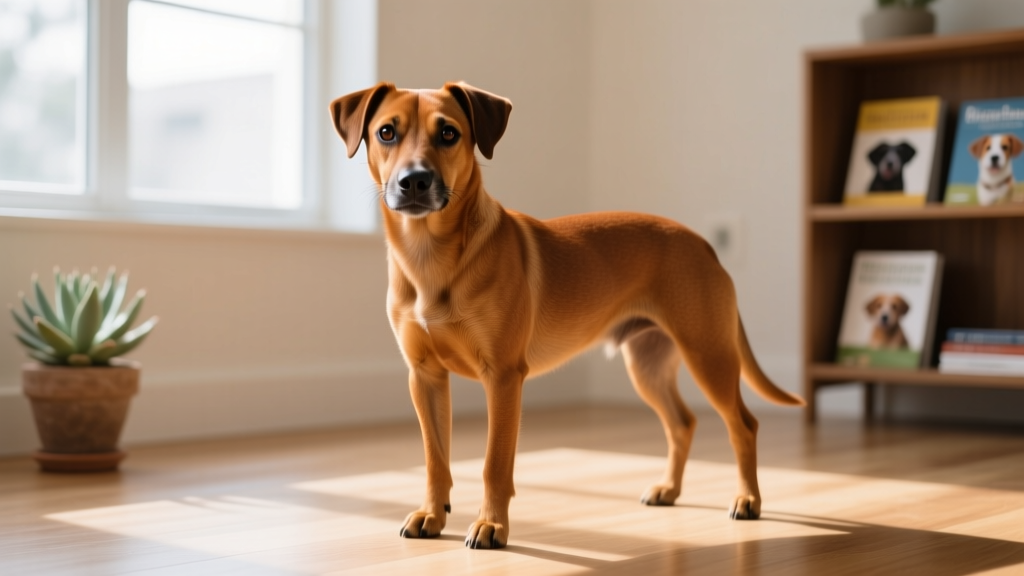
Labrador Retriever Ridgeback Mix: Complete Breed Profile & Care Guide
Everything about the Labrador Retriever Ridgeback mix: size, temperament, coat types, health risks, cost.

The Labrador Retriever Ridgeback mix — sometimes called a Lab Ridgeback or Rhodesian Lab — pairs America's most popular breed with one of Africa's most athletic hunting dogs. The result can be a stunning, high-energy companion, but this cross also carries significant variability in temperament and build that prospective owners need to understand before committing.
Unlike some designer breeds that have been standardized over multiple generations, the Lab Ridgeback remains largely a first-generation (F1) cross. That means individual puppies can look and behave very differently from their littermates. This guide breaks down what you can reasonably expect — and where surprises are likely.
Parent Breed Breakdown: What Goes Into This Mix
Understanding each parent breed is essential because mixed-breed puppies inherit a random combination of traits from both lines. Here's how the Labrador Retriever and Rhodesian Ridgeback compare across the categories that matter most to owners.
| Trait | Labrador Retriever | Rhodesian Ridgeback |
|---|---|---|
| AKC Group | Sporting | Hound |
| Weight Range | 55–80 lb (25–36 kg) | 70–85 lb (32–39 kg) |
| Height | 21.5–24.5 in (55–62 cm) | 24–27 in (61–69 cm) |
| Lifespan | 11–13 years | 10–12 years |
| Coat | Short, dense double coat | Short, sleek single coat |
| Shedding | Heavy (seasonal blowout) | Low to moderate |
| Energy Level | High — needs 60–90 min/day | High — needs 60–90 min/day |
| Trainability | Excellent, eager to please | Moderate, independent thinker |
| Prey Drive | Moderate (retrieving instinct) | Very high (sight hound heritage) |
| Stranger Response | Friendly, welcoming | Aloof, watchful, reserved |
| Family Bonding | Bonds with everyone equally | Often bonds deeply with one person |
The Labrador Retriever has held the AKC's top registration spot for decades thanks to its versatility and tractable nature. The Rhodesian Ridgeback, originally bred to track and corner lions in southern Africa, brings athleticism, loyalty, and a protective instinct that's fundamentally different from the Lab's "everyone is my best friend" approach.
How Big Will a Lab Ridgeback Mix Get?
Because both parent breeds fall into the large-breed category, you can expect a substantial dog — but the exact size depends on which parent's genes dominate and whether the puppy is male or female.
| Category | Minimum | Maximum | Most Common Range |
|---|---|---|---|
| Weight (Males) | 60 lb (27 kg) | 90 lb (41 kg) | 70–82 lb (32–37 kg) |
| Weight (Females) | 50 lb (23 kg) | 75 lb (34 kg) | 60–70 lb (27–32 kg) |
| Height at Shoulder | 22 in (56 cm) | 27 in (69 cm) | 23–26 in (58–66 cm) |
Most Lab Ridgeback mixes land squarely in the 65–80 lb (29–36 kg) range as adults. Males tend to inherit the Ridgeback's taller frame, while females often lean closer to Labrador proportions. Puppies typically reach their full height by 12–14 months but continue filling out in chest and muscle mass until 18–24 months.
Budget note: At this size, expect to spend $60–$90/month on quality large-breed kibble (brands like Purina Pro Plan Large Breed or Royal Canin Max size formulas), plus $15–$25/month on joint supplements if recommended by your vet.
Generations Explained: F1, F1B, and Beyond
Generation Terminology for Designer Mixes
- F1 (First Generation): One purebred Lab × one purebred Ridgeback. Maximum genetic diversity, highest trait variability between littermates.
- F1B (First Generation Backcross): An F1 Lab Ridgeback bred back to one of the parent breeds (usually the Lab). Slightly more predictable temperament leaning toward the backcross parent.
- F2 (Second Generation): Two F1 Lab Ridgebacks bred together. Unpredictable — recessive traits from both breeds can surface unexpectedly.
- Multigen (F3+): Multiple generations of Lab Ridgeback crosses bred together. Extremely rare for this particular mix; most breeders don't maintain multigen lines.
In practice, the vast majority of Labrador Retriever Ridgeback mixes you'll encounter are F1 crosses. This is partly because there isn't enough demand to support dedicated multigen breeding programs the way you see with Labradoodles or Goldendoodles. If a breeder advertises F2 or multigen Lab Ridgebacks, ask detailed questions about health testing across generations — the smaller the gene pool, the more important systematic screening becomes.
Temperament: What to Expect (and What Might Surprise You)
Temperament is where this mix shows the widest variability. Even within a single F1 litter, you might find one puppy that's outgoing and goofy like a Lab, another that's reserved and watchful like a Ridgeback, and several that fall somewhere in between.
Best-Case Scenario
The puppy inherits the Labrador's sociability and trainability paired with the Ridgeback's calm dignity at home. This dog is friendly with family members and polite with strangers, athletic enough for hiking and agility but content to lounge on the couch in the evening. It responds well to positive reinforcement training and has a moderate, manageable prey drive.
Challenging Scenario
The puppy inherits the Ridgeback's strong prey drive and wariness of strangers combined with the Lab's high energy but none of its biddability. This dog chases every squirrel, cat, and bicycle it sees, pulls hard on leash, and is aloof or tense with visitors. It's intelligent but chooses when to listen, making off-leash recall unreliable. Without sufficient exercise and mental stimulation, it may develop destructive behaviors or barrier frustration.
Socialization Is Non-Negotiable
Regardless of which temperament your puppy inherits, early and ongoing socialization during the critical window (3–14 weeks, per the AVMA's socialization guidelines) is essential. Enroll in a force-free puppy class by 8–10 weeks of age. Expose your puppy to diverse people, surfaces, sounds, and other vaccinated dogs. The Ridgeback's natural reservation can tip into fear-based reactivity without deliberate, positive early experiences.
Coat Types, Shedding, and Grooming Needs
Here's one area where genetics narrows the possibilities somewhat: both parent breeds have short coats, so your Lab Ridgeback mix will almost certainly have a short coat too. However, the structure and shedding behavior of that coat can vary.
| Inherited From | Coat Characteristics | Shedding Level | Grooming Frequency |
|---|---|---|---|
| Labrador (double coat) | Dense undercoat with water-resistant topcoat; may have slight wave | Heavy — seasonal blowout 2× per year | Brushing 2–3× per week; daily during blowout |
| Ridgeback (single coat) | Sleek, close-lying hair with minimal undercoat | Low to moderate year-round | Brushing 1× per week with rubber curry brush |
| Blended inheritance | Short coat with moderate undercoat | Moderate year-round with seasonal increase | Brushing 2× per week |
Is the Lab Ridgeback Mix Hypoallergenic?
No. Neither parent breed is hypoallergenic or low-shedding. If you or a household member has dog allergies, this mix is not a suitable choice. Even puppies that inherit the Ridgeback's lighter-shedding single coat will still produce dander and saliva proteins that trigger allergic reactions.
The Ridgeback Ridge
One distinctive feature you might see: the Rhodesian Ridgeback's namesake ridge — a strip of hair along the spine that grows in the opposite direction, forming a fan-like pattern behind the shoulders. This trait is caused by a dominant mutation in the FGF5 gene. If your Lab Ridgeback mix inherits the ridge, it's purely cosmetic and requires no special care. Not every puppy in a litter will inherit it, even from a Ridgeback parent that carries the gene.
Grooming Routine
Regardless of coat type, plan for:
- Brushing: Rubber curry brush or bristle brush, 1–3 times weekly depending on coat density
- Bathing: Every 6–8 weeks or as needed; use a gentle canine-formulated shampoo (pH 6.5–7.5, not human shampoo which disrupts the acid mantle)
- Nail trims: Every 2–3 weeks; large active dogs may wear nails down partially but still need maintenance
- Ear cleaning: Weekly checks; clean with veterinary ear cleanser if buildup is visible — Lab-inherited drop ears are more prone to infection than Ridgeback-inherited prick/folded ears
- Dental care: Daily brushing with enzymatic canine toothpaste, or at minimum 3–4 times per week
Health Considerations: Hybrid Vigor vs. Reality
Let's address the hybrid vigor myth directly: crossbreeding does not guarantee a healthier dog. The concept of heterosis (hybrid vigor) has documented benefits in livestock production, but in dogs, the primary health advantage of crossbreeding is simply a broader gene pool that may reduce the probability of inheriting recessive disorders common in one parent breed. It does not eliminate health risks — it redistributes them.
Your Lab Ridgeback mix can inherit conditions from either parent line. Here's what to screen for:
| Condition | Inherited From | Estimated Prevalence in Parent Breeds | Screening Method |
|---|---|---|---|
| Hip Dysplasia | Both breeds | Lab: ~12%; Ridgeback: ~6% (OFA data) | OFA/PennHIP radiographs at 24 months |
| Elbow Dysplasia | Labrador primarily | Lab: ~11% (OFA data) | OFA elbow radiographs |
| Exercise-Induced Collapse (EIC) | Labrador | ~5–10% of Labs are affected; ~30% carriers | DNA test (available through University of Minnesota) |
| Dermoid Sinus | Ridgeback | ~5–8% of Ridgebacks | Physical exam at birth; sometimes requires imaging |
| Progressive Retinal Atrophy (PRA) | Both breeds | Variable; ~2–4% in both breeds | DNA test + annual CERF ophthalmologic exam |
| Hypothyroidism | Both breeds | Lab: ~3%; Ridgeback: ~2% | Full thyroid panel (not just T4) |
| Gastric Dilatation-Volvulus (Bloat) | Both (deep-chested breeds) | Lifetime risk: 5–15% in large deep-chested breeds | No screening; know emergency signs |
Bloat: The Emergency You Must Prepare For
Both Labs and Ridgebacks are deep-chested breeds, putting their offspring at elevated risk for gastric dilatation-volvulus (GDV), commonly called bloat. This is a life-threatening emergency where the stomach fills with gas and can twist on itself, cutting off blood supply. Symptoms include a distended abdomen, unproductive retching, restlessness, and rapid heart rate.
If you suspect bloat, drive to your nearest emergency veterinary clinic immediately. Do not wait to see if symptoms improve. Treatment costs for GDV surgery typically range from $3,000–$7,000, and survival depends on how quickly the dog reaches the operating table.
Prevention: Ask your vet about prophylactic gastropexy (tacking the stomach to the abdominal wall) at the time of spay/neuter. Feed 2–3 smaller meals daily rather than one large meal. Avoid vigorous exercise 1 hour before and 2 hours after eating. Use a slow-feeder bowl to prevent gulping.
What a Responsible Breeder Should Provide
If purchasing from a breeder, request documentation of the following health clearances for both parent dogs:
- OFA or PennHIP hip certification (rated Excellent, Good, or Fair — not just "evaluated")
- OFA elbow certification (rated Normal)
- EIC DNA test results (clear or carrier status disclosed)
- CERF ophthalmologic exam within the past 12 months
- Thyroid panel results
Always consult your veterinarian about establishing a preventive health plan tailored to your individual dog's inherited risk profile.
Cost Breakdown: What You'll Actually Spend
Labrador Retriever Ridgeback mixes are not as commercially established as Labradoodles or Goldendoodles, which affects both pricing and availability.
| Expense Category | Low End | Typical Range | High End |
|---|---|---|---|
| Puppy purchase (breeder) | $800 | $1,200–$2,000 | $2,500+ |
| Adoption/rescue fee | $200 | $300–$500 | $600 |
| First-year veterinary (vaccines, spay/neuter, preventives) | $800 | $1,200–$1,800 | $2,500 |
| Annual food | $600 | $720–$1,080 | $1,400 |
| Pet insurance (annual premium) | $480 | $600–$900 | $1,200 |
| Training (group classes, 6–8 week course) | $150 | $200–$350 | $500+ |
| Gear (crate, leash, harness, bed, bowls) | $200 | $300–$500 | $800 |
First-year total estimate: $3,150–$7,230 depending on source (breeder vs. rescue), your location, and the veterinary care your dog needs.
Breeder vs. Rescue Availability
Because this isn't a mainstream designer breed, dedicated Lab Ridgeback breeders are relatively uncommon. You're more likely to find this mix through:
- Breed-specific rescues: Labrador and Ridgeback rescues occasionally take in mixed-breed dogs. Check organizations like Labrador Retriever Rescue or Rhodesian Ridgeback Rescue Inc.
- General shelters: Large-breed mixes frequently end up in shelters when owners underestimate their exercise needs.
- Small-scale breeders: Some hobby breeders intentionally cross Labs with Ridgebacks, but verify health testing rigorously — the lack of a breed club overseeing this mix means less accountability.
Exercise, Training, and Mental Stimulation
This is a high-energy, intelligent cross that needs both physical and mental outlets. A Lab Ridgeback mix that doesn't get enough of both will find its own entertainment — usually in ways you won't appreciate.
Daily Exercise Requirements
- Minimum: 60 minutes of structured exercise daily (leash walks, fetch, swimming)
- Ideal: 90–120 minutes, split across 2–3 sessions
- Best activities: Hiking, swimming (Lab heritage makes most of these dogs natural swimmers), lure coursing (appeals to Ridgeback chase instinct), bikejoring, and advanced obedience or agility training
Puppies under 12–18 months should avoid repetitive high-impact exercise (long runs on hard surfaces, jumping from heights) to protect developing joints. Follow the 5-minutes-per-month-of-age guideline for structured walks: a 4-month-old puppy gets roughly 20 minutes of structured walking per day, with additional free play in a safe yard.
Training Approach
Use positive reinforcement methods exclusively — food rewards, toy rewards, and life rewards (access to sniffing, play, or outdoor time). Force-free training is not just more humane; it's more effective for this cross because Ridgeback-influenced dogs tend to shut down or become defensively reactive when subjected to aversive methods like shock collars, prong collars, or alpha rolls.
Key training priorities for this mix:
- Recall (come when called): Start in a low-distraction environment and build up over months. Given the potential prey drive, plan to practice recall on a long line (15–30 ft / 5–10 m) before ever testing off-leash.
- Loose-leash walking: A 75-lb dog that pulls is a shoulder injury waiting to happen. Use a front-clip harness (like the Ruffwear Front Range or 2 Hounds Design Freedom Harness) and reward heavily for walking at your side.
- Impulse control: "Leave it," "wait," and settling on a mat are critical skills for a dog with potential prey drive and high energy.
- Socialization (ongoing): Continue exposing your dog to new environments, people, and calm dogs well into adulthood. The Ridgeback's natural reservation requires lifelong maintenance.
Who Is This Mix Best Suited For?
The Labrador Retriever Ridgeback mix is not a universal fit. Here's a realistic assessment of who thrives with this dog — and who should look elsewhere.
Ideal Owner Profile
- Active individual or couple who exercises daily and wants a canine adventure partner
- Someone with prior experience handling strong-willed, large-breed dogs
- A household with a securely fenced yard (minimum 6 ft / 1.8 m fence; Ridgeback-influenced dogs can clear shorter fences)
- Families with older children (8+) who understand how to interact calmly with a large, energetic dog
- Owners willing to invest in ongoing training classes and socialization through the dog's first 2–3 years
Poor Fit — Consider a Different Breed If:
- You're a first-time dog owner with no experience managing high-energy or prey-driven dogs
- You live in an apartment with limited access to outdoor exercise space
- You have cats, rabbits, or other small pets (unless you're prepared for careful, professional-managed introductions with no guarantee of success)
- You're away from home 8+ hours daily without a dog walker or daycare arrangement
- You want a predictable, easy-going temperament — consider a purebred Labrador instead
Frequently Asked Questions
What two breeds make up the Labrador Retriever Ridgeback mix?
This mix is a cross between a purebred Labrador Retriever (a Sporting Group breed originally developed in Newfoundland, Canada, for retrieving waterfowl) and a purebred Rhodesian Ridgeback (a Hound Group breed developed in southern Africa for tracking and cornering large game, including lions). The combination produces a large, athletic dog with traits drawn from both working lineages.
How big will a Labrador Retriever Ridgeback mix get?
Most adults weigh between 60–85 lb (27–39 kg) and stand 22–27 inches (56–69 cm) at the shoulder. Males tend toward the larger end. The most common adult weight falls between 65–80 lb (29–36 kg). Growth plates typically close between 14–18 months, with full muscular maturity reached around 24 months.
What will the temperament of a Lab Ridgeback mix be like?
Temperament is the most variable trait in this cross. Expect a dog that's intelligent, energetic, and loyal to its family. The mix may be outgoing and friendly like the Lab parent, or reserved and watchful like the Ridgeback parent — or anything in between. Early socialization and consistent positive reinforcement training are essential regardless of which temperament emerges.
Is the Lab Ridgeback mix hypoallergenic or low-shedding?
No. Neither parent breed is hypoallergenic. The mix will have a short coat that sheds at least moderately year-round, and potentially heavily during seasonal coat blows if it inherits the Labrador's double coat. This cross is not suitable for allergy sufferers.
What health issues might this mix inherit?
Key conditions to watch for include hip dysplasia, elbow dysplasia, exercise-induced collapse (EIC), dermoid sinus, progressive retinal atrophy (PRA), hypothyroidism, and gastric dilatation-volvulus (bloat). Responsible breeders should provide OFA hip/elbow certifications, EIC DNA results, and CERF eye clearances for both parent dogs. Consult your veterinarian about a screening schedule appropriate for your individual dog.
How much does a Labrador Retriever Ridgeback mix cost?
From a breeder, expect to pay $800–$2,500 for a puppy, with most falling in the $1,200–$2,000 range. Through a rescue or shelter, adoption fees typically run $200–$500. Factor in $1,200–$2,500 for first-year veterinary costs and $600–$1,080 annually for food, bringing the realistic first-year total to $3,150–$7,230 depending on your circumstances.
Robin Maitland
All our authors care for dogs every day — read more of their work on the authors page.