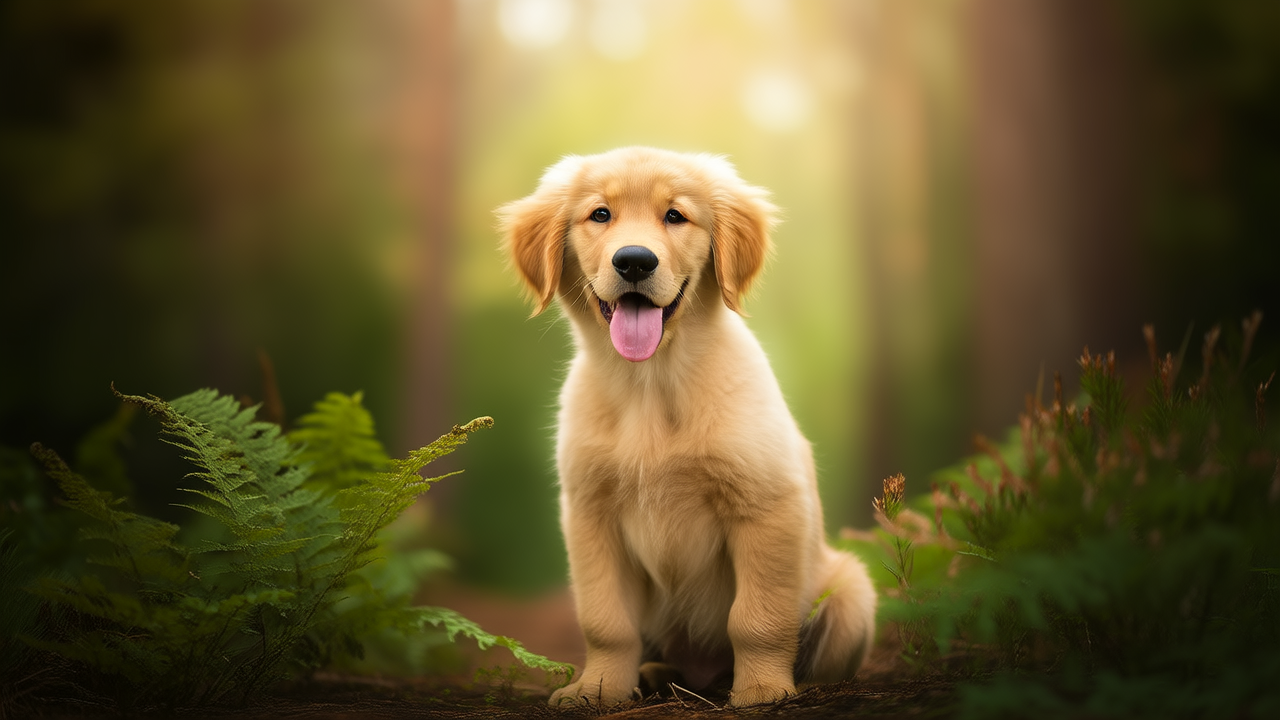
Labrador Mix With Dachshund: The Complete Dachsador Breed Guide
Everything about the Labrador mix with Dachshund (Dachsador): size, temperament, health risks, coat types, cost.

Meet the Dachsador: A Labrador Mix With Dachshund
The Labrador mix with Dachshund — most commonly called the Dachsador, though you'll also hear "Doxidor" or "Weinerdor" — is a designer cross between two of America's most beloved breeds. The Labrador Retriever held the #1 AKC registration spot for 31 consecutive years, while the Dachshund consistently ranks in the top 15. When these breeds are intentionally crossed, the result is a dog that can be charming, loyal, and full of surprises — but also one whose adult traits are far from guaranteed.
Unlike a purebred puppy where you can predict size, coat, and temperament within a narrow range, a Labrador-Dachshund mix is a genetic lottery. One puppy in a litter might grow into a 55-pound Lab-shaped dog with a Dachshund's stubborn streak, while their sibling might be a 20-pound long-bodied dog with a Lab's eager-to-please attitude. This guide breaks down what we know, what we can predict, and what you should prepare for before bringing one home.
Parent Breed Breakdown: Labrador Retriever vs. Dachshund
Understanding the Dachsador starts with understanding the two very different breeds behind it. These parent breeds differ dramatically in build, purpose, and personality — which is exactly why this cross produces such variable offspring.
| Trait | Labrador Retriever | Dachshund |
|---|---|---|
| Weight | 55–80 lb (25–36 kg) | 16–32 lb (7–15 kg) depending on miniature vs. standard |
| Height | 21.5–24.5 in (55–62 cm) | 8–9 in (20–23 cm) standard; 5–6 in miniature |
| Original Purpose | Waterfowl retrieving (sporting) | Badger/burrow hunting (hound) |
| Energy Level | High — 60–90 min vigorous exercise daily | Moderate — 30–60 min daily |
| Trainability | Very high — biddable, food-motivated | Moderate — independent, can be stubborn |
| Vocalization | Moderate barking | High — alert barking, can be excessive |
| Prey Drive | High (birds, small animals) | Very high (burrowing animals, rodents) |
| Lifespan | 11–13 years | 12–16 years |
Notice the physical extremes here. You're crossing a tall, athletic sporting dog with a low-slung hound built for tunneling. This size and structural mismatch is what makes the Dachsador so unpredictable — and, in some cases, raises legitimate health concerns about skeletal conformation.
How Big Will a Labrador Mix With Dachshund Get?
This is the single most common question prospective Dachsador owners ask, and the honest answer is: you won't know for certain until the dog is 12–18 months old. The size range is broad because the parent breeds differ by 40–60 pounds.
| Category | Weight | Height at Shoulder | Body Type Tendency |
|---|---|---|---|
| Small end (more Dachshund-dominant) | 20–30 lb (9–14 kg) | 10–14 in (25–36 cm) | Longer body, shorter legs |
| Medium (balanced inheritance) | 30–50 lb (14–23 kg) | 14–18 in (36–46 cm) | Moderate proportions, slightly elongated body |
| Large end (more Lab-dominant) | 50–65 lb (23–29 kg) | 18–22 in (46–56 cm) | Taller, more athletic build |
Most Dachsadors fall in the 30–50 lb range, but outliers exist. A key factor is whether the Dachshund parent was a miniature (11 lb and under) or a standard (16–32 lb). Breeders who use miniature Dachshunds with Labrador mothers tend to produce smaller puppies, though breeding a miniature Dachshund female with a large Lab male is ethically problematic due to size-related pregnancy complications.
Practical tip: If size matters for your living situation (apartment weight limits, small children, elderly household members), ask the breeder for the exact weight of both parents and previous litters. Even then, expect a ±10 lb margin of error.
Coat Types, Colors, and the Shedding Reality
Neither the Labrador nor the Dachshund is hypoallergenic or low-shedding. The Dachsador is not a hypoallergenic mix — if you have dog allergies, this cross is unlikely to work for you.
The coat your Dachsador inherits depends on which parent's genes dominate:
- Short, dense double coat (Labrador-inherited): Most common. Water-resistant outer coat with a soft undercoat. Moderate-to-heavy year-round shedding with seasonal "blowing" of the undercoat in spring and fall.
- Short, smooth coat (Dachshund smooth-inherited): Sleek, close-lying single coat. Moderate shedding but less undercoat to manage.
- Wire-haired or long-haired (Dachshund variant-inherited): Less common. If the Dachshund parent was a wire-haired or long-haired variety, puppies may inherit a slightly longer or rougher coat requiring more grooming.
Common Dachsador colors include black, chocolate, yellow/cream, and various combinations. Dachshund patterns like dapple (merle) can appear, but intentional merle breeding is discouraged — double-merle pairings cause deafness and eye defects, according to the Merck Veterinary Manual.
Temperament: What to Expect (and What Might Surprise You)
The Dachsador's temperament is a blend of two breeds with notably different personalities. Labs are famously friendly, outgoing, and eager to please. Dachshunds are bold, alert, loyal to their person, and often suspicious of strangers. How these traits combine varies widely between individual dogs — even within the same litter.
Best-Case Temperament Scenario
The ideal Dachsador inherits the Lab's friendliness and trainability with the Dachshund's alertness and loyalty. This dog greets visitors warmly after an initial bark, plays enthusiastically outdoors, settles calmly inside, and responds well to positive reinforcement training. They bond deeply with their family and are tolerant of children they've been raised with.
Challenging Temperament Scenario
A less ideal combination produces a dog with the Dachshund's stubbornness and wariness paired with the Lab's high energy and mouthiness. This dog may bark excessively at passersby, pull hard on leash, resist training commands, and display resource guarding or reactivity toward unfamiliar dogs. Without sufficient exercise and mental stimulation, destructive chewing and digging are common.
Trait Variability Breakdown
| Trait | Leans Lab | Leans Dachshund | Predictability |
|---|---|---|---|
| Friendliness to strangers | Very friendly, tail-wagging | Reserved, alert barking | Low — varies per dog |
| Trainability | Eager, fast learner | Independent, needs patience | Moderate — usually somewhere in between |
| Prey drive | Chases birds, squirrels | Digs after burrowing animals | High — expect strong prey drive either way |
| Tolerance of children | Patient, gentle | May snap if provoked | Low — socialization is critical |
| Separation anxiety risk | Moderate | High | Moderate — crate training recommended |
| Barking level | Moderate | High, persistent | Low — hard to predict |
Training approach: Regardless of which temperament your Dachsador inherits, use positive reinforcement and force-free methods. Both parent breeds respond poorly to harsh correction — Labs shut down, and Dachshunds become defensive. Reward-based training with high-value treats (small pieces of boiled chicken or freeze-dried liver) works best. Start socialization between 8–14 weeks, exposing your puppy to diverse people, surfaces, sounds, and other vaccinated dogs.
Health Considerations: Hybrid Vigor vs. Reality
A common marketing claim for designer crosses is "hybrid vigor" — the idea that mixed-breed dogs are inherently healthier than purebreds. The reality is more nuanced. While crossbreeding can reduce the risk of some recessive genetic disorders (because the parents carry different gene pools), it does not eliminate all health risks. A Dachsador can inherit conditions from either parent breed, and the structural mismatch between these breeds introduces unique concerns.
Conditions Inherited From the Dachshund Side
- Intervertebral Disc Disease (IVDD): Dachshunds are the breed at highest risk for IVDD, with an estimated 1 in 4 Dachshunds experiencing a disc event in their lifetime. Any Dachsador with an elongated body and shorter legs inherits elevated IVDD risk. Prevention includes maintaining lean body weight, using ramps instead of stairs/jumping, and avoiding activities that stress the spine.
- Patellar Luxation: Kneecap dislocation, common in small and medium breeds.
- Dental Disease: Smaller-mouthed Dachsadors may have dental crowding, increasing tartar buildup and periodontal disease risk.
Conditions Inherited From the Labrador Side
- Hip and Elbow Dysplasia: Labradors have high rates of hip dysplasia (approximately 12% of Labs screened by the Orthopedic Foundation for Animals show dysplastic hips). A Dachsador with a Lab-dominant build is at moderate risk.
- Obesity: Labs are genetically predisposed to overeating — many carry a variant of the POMC gene that increases food motivation. Combined with a Dachshund's tendency toward weight gain, this mix needs strict portion control.
- Exercise-Induced Collapse (EIC): A genetic condition found in Labradors that causes weakness and collapse during intense exercise. DNA testing is available.
- Progressive Retinal Atrophy (PRA): Both breeds can carry genes for this degenerative eye disease leading to blindness.
The Structural Mismatch Problem
The most underappreciated health risk in a Labrador-Dachshund cross is the potential for disproportionate skeletal growth. If a puppy inherits the Dachshund's chondrodysplastic (short-legged, long-bodied) structure but grows to a heavier Lab-influenced weight, the spine and joints bear abnormal loads. This combination can accelerate IVDD onset and worsen hip dysplasia outcomes.
Recommended health screening: Ask breeders for OFA or PennHIP hip certifications on the Labrador parent, OFA patella evaluations on the Dachshund parent, and DNA test results for EIC and PRA on both. A responsible breeder should provide these voluntarily. Always consult your veterinarian about a screening schedule tailored to your individual dog.
Generation Types: F1, F1B, and Multigen Dachsadors
- F1 (First Generation): Direct cross of a purebred Labrador × purebred Dachshund. Maximum genetic diversity but highest trait variability. Each puppy is a genuine 50/50 genetic split.
- F1B (Backcross): An F1 Dachsador bred back to one of the parent breeds (usually the Labrador). Produces puppies that are 75% Lab / 25% Dachshund, resulting in more predictable Lab-leaning traits and larger size.
- F2: Two F1 Dachsadors bred together. This generation has the most unpredictable outcomes — puppies can look dramatically different from each other as recessive traits recombine.
- Multigen (F3+): Dachsadors bred to Dachsadors over multiple generations. Rare for this particular cross, as there is no established breed club pushing for multigen consistency.
Most Dachsadors available are F1 crosses. F1B backcrosses to the Labrador side are occasionally produced by breeders aiming for a more predictable medium-sized dog. F2 and multigen Dachsadors are uncommon — this is not a designer breed with the established breeding programs you see in Labradoodles or Goldendoodles.
Cost, Availability, and Where to Find a Dachsador
The Labrador mix with Dachshund is not among the most commercially popular designer breeds, which affects both pricing and availability.
| Source | Price Range | What's Included |
|---|---|---|
| Responsible breeder (health-tested parents) | $800–$1,500 | Health clearances, early socialization, first vaccines, microchip, health guarantee, take-back clause |
| Casual/backyard breeder | $300–$700 | Puppy only — typically no health testing, limited support |
| Rescue/shelter adoption | $50–$350 | Spay/neuter, vaccines, microchip; adult dogs available with known temperament |
First-year ownership costs beyond the purchase price typically run $1,500–$2,800, covering spay/neuter ($300–$700), initial veterinary exams and vaccines ($200–$500), crate, leash, bed, bowls ($150–$350), quality food ($400–$700/year for a 30–50 lb dog), training classes ($150–$300), and pet insurance ($40–$80/month depending on coverage).
Because Dachsadors are not a high-demand designer breed, rescue availability is moderate. Check breed-specific Dachshund and Labrador rescues, as well as general shelters. Adult Dachsadors in rescue often have known temperaments and sizes — a significant advantage over the puppy-stage guessing game.
Who This Mix Suits Best
The Dachsador is not a universally easy fit. Here's a realistic assessment of who thrives with this mix and who should consider alternatives:
Good Fit For:
- Active families with fenced yards — Dachsadors need 45–75 minutes of daily exercise, and a secure yard prevents prey-drive chases
- Experienced dog owners who can handle potential Dachshund stubbornness and are committed to consistent positive reinforcement training
- Households with older children (8+) who understand how to interact gently with dogs — the Dachshund influence can mean less tolerance for ear-pulling or rough handling
- People who want an alert companion — Dachsadors make good watchdogs (they'll bark at the door) without being guard dogs
- Owners willing to manage weight carefully — this mix gains weight easily, and excess pounds worsen spinal and joint risks
Poor Fit For:
- First-time dog owners who need predictability in size and temperament
- Apartment dwellers with thin walls — a Dachshund-leaning Dachsador may bark frequently
- Homes with very small children — unless the individual dog has been temperament-tested around toddlers
- People with dog allergies — this is a shedding, non-hypoallergenic mix
- Owners who work long hours away from home — separation anxiety risk is moderate to high
Frequently Asked Questions
What two breeds make up the Dachsador?
The Dachsador is a cross between a Labrador Retriever and a Dachshund. Both parent breeds are AKC-recognized: the Labrador in the Sporting Group and the Dachshund in the Hound Group. This mix is sometimes called a Doxidor, Weinerdor, or Dachshund-Lab mix.
Is a Labrador mix with Dachshund hypoallergenic or low-shedding?
No. Neither parent breed is hypoallergenic. Both Labs and smooth-coated Dachshunds shed moderately to heavily. Dachsadors produce normal levels of dander and will shed year-round, with heavier seasonal shedding. If you need a low-shedding dog, this is not the right mix.
How much daily exercise does a Dachsador need?
Plan for 45–75 minutes per day, split into two sessions. This can include brisk walks, fetch, swimming (if the dog inherits the Lab's love of water), and puzzle games for mental stimulation. However, if your Dachsador has an elongated body, avoid high-impact activities like agility jumping or repetitive stair climbing to protect the spine.
What is the typical lifespan of a Labrador-Dachshund mix?
Expect 12–15 years, which falls between the Labrador's 11–13 years and the Dachshund's 12–16 years. Longevity is heavily influenced by maintaining a healthy weight — obesity can shorten lifespan by 2+ years and accelerate spinal and joint disease.
Are Dachsadors good with other dogs?
It depends on the individual. Labs are generally dog-friendly, but Dachshunds can be selective or reactive with unfamiliar dogs. Early and ongoing socialization (positive exposure to many dogs during puppyhood and beyond) significantly improves outcomes. Dog-dog introductions should be gradual and supervised.
Can I feed a Dachsador a raw diet?
Some owners feed raw, but the AVMA discourages raw meat diets due to pathogen risks (Salmonella, Listeria) to both pets and humans. If you pursue a homemade diet, consult a board-certified veterinary nutritionist to ensure it meets AAFCO nutrient profiles for your dog's life stage.
Do Dachsadors need pet insurance?
Given the IVDD risk inherited from the Dachshund side and hip dysplasia risk from the Labrador side, pet insurance is strongly recommended. IVDD surgery alone costs $3,000–$8,000 per episode. Enroll while your dog is young and before any conditions are documented — pre-existing condition exclusions are standard across all major insurers.
This article is for informational purposes and does not replace professional veterinary advice. Always consult your veterinarian for health decisions specific to your dog.
Robin Maitland
All our authors care for dogs every day — read more of their work on the authors page.