Labrador and Chihuahua Mix: The Complete Labrahuahua Breed Guide
Everything about the Labrador and Chihuahua mix: size, temperament, health risks, cost, coat types.
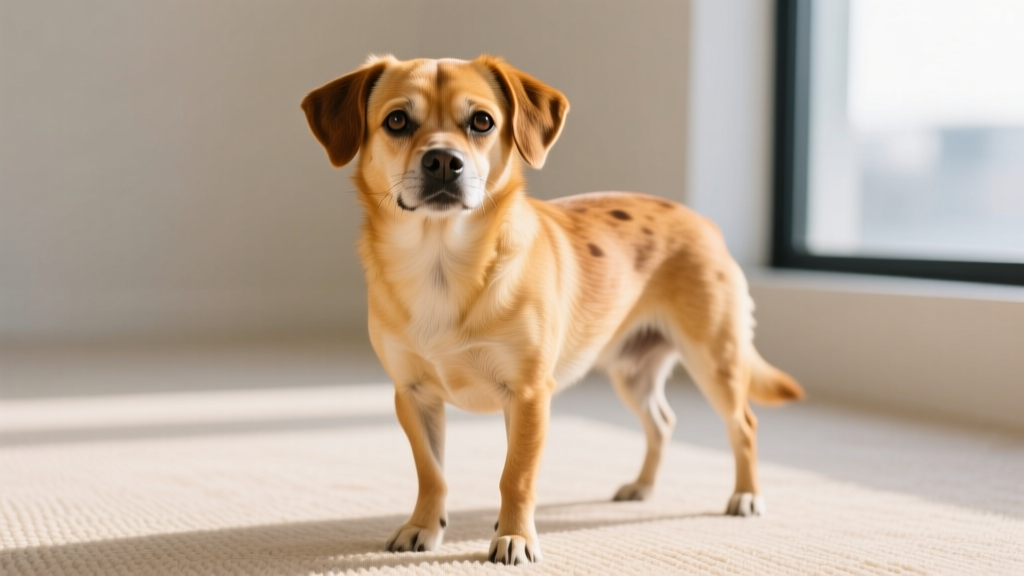
The Labrador and Chihuahua mix — sometimes called the Labrahuahua — is one of the more unconventional designer crosses you'll encounter. Pairing America's most popular sporting dog with the world's smallest recognized breed produces a dog that can vary dramatically in size, appearance, and personality. Before you bring one home, understanding exactly what you might get is critical, because predictability is the one thing this mix cannot guarantee.
This guide breaks down the genetics, care requirements, health realities, and practical ownership considerations for the Labrador and Chihuahua mix based on established breed data, veterinary guidance, and what experienced owners report.
What Two Breeds Make Up the Labrador and Chihuahua Mix?
As the name indicates, this designer cross combines two purebred parents from opposite ends of the canine spectrum. Understanding each parent breed is essential because any individual puppy can inherit traits from either side in any combination.
| Trait | Labrador Retriever | Chihuahua |
|---|---|---|
| AKC Group | Sporting | Toy |
| Weight Range | 55–80 lb (25–36 kg) | 2–6 lb (0.9–2.7 kg) |
| Height | 21.5–24.5 in (55–62 cm) | 5–8 in (13–20 cm) |
| Lifespan | 11–13 years | 14–16 years |
| Coat Type | Short, dense double coat | Smooth or long coat |
| Energy Level | High — needs 60+ min/day | Moderate — 20–30 min/day |
| Shedding | Moderate to heavy | Low to moderate |
| Trainability | Very high | Moderate — can be stubborn |
| Barking Level | Moderate | High — alert/vocal |
The Labrador Retriever has held the top spot in American dog ownership for decades thanks to its trainability, gentle temperament, and versatility. The Chihuahua is fiercely loyal, compact, and surprisingly bold for its size. When these two breeds are crossed, the resulting puppies land somewhere on a wide spectrum between these two extremes.
How Big Will a Labrador and Chihuahua Mix Get?
Size is the most variable — and most unpredictable — aspect of this cross. Because the parent breeds differ by a factor of roughly 10x in body weight, offspring size depends heavily on which parent's genes dominate and which generation of cross you're looking at.
| Size Category | Weight | Height at Shoulder | Likely Scenario |
|---|---|---|---|
| Small end | 15–25 lb (7–11 kg) | 10–14 in (25–36 cm) | Stronger Chihuahua gene expression |
| Mid-range | 25–45 lb (11–20 kg) | 14–18 in (36–46 cm) | Most common F1 outcome |
| Large end | 45–60 lb (20–27 kg) | 18–22 in (46–56 cm) | Stronger Labrador gene expression or backcross |
Most F1 Labrador and Chihuahua mixes land in the 25–45 lb range as adults, but outliers in either direction are entirely possible. A responsible breeder should be able to show you the actual weights of both parents, which gives the best available (though still imperfect) size prediction. Littermates can also vary significantly from one another.
Understanding Generations: F1, F1B, and Multigen
- F1 (First Generation): One purebred Labrador × one purebred Chihuahua. Maximum genetic diversity, maximum trait variability. Puppies in the same litter may look and behave very differently.
- F1B (First-Generation Backcross): An F1 Labrahuahua × a purebred parent (either Lab or Chihuahua). Backcrossing to a Lab produces larger, more Lab-like dogs; backcrossing to a Chihuahua produces smaller, more Chi-like dogs.
- F2 (Second Generation): Two F1 Labrahuahuas bred together. Trait variability remains high — F2 puppies are no more predictable than F1s.
- Multigen (F3+): Multiple generations of Labrahuahua-to-Labrahuahua breeding. Slightly more predictability, but this cross is rare enough that established multigen lines are uncommon.
Unlike Poodle-based designer breeds (Labradoodles, Goldendoodles), the Labrador and Chihuahua mix does not have a well-established multigen breeding community. Most Labrahuahuas you'll encounter are F1 crosses, meaning trait unpredictability is the norm rather than the exception. This matters practically: you cannot reliably select for a specific size, coat type, or temperament from an F1 litter.
It's also worth noting that breeding a Chihuahua dam with a Labrador sire carries serious physical risks due to the extreme size difference. Responsible breeders use a Chihuahua sire and Labrador dam, or employ artificial insemination, to protect the smaller dog's health. Any breeder who cannot explain their approach to this size disparity is a red flag.
Temperament: What to Expect (and What Might Surprise You)
Temperament in the Labrador and Chihuahua mix spans a broad range. Here's what experienced owners and trainers commonly observe:
Best-Case Scenario
You get a dog that combines the Labrador's friendly, eager-to-please nature with the Chihuahua's alertness and devotion. These dogs are typically affectionate with their families, moderately energetic, responsive to training, and good watchdogs who alert you to visitors without excessive barking. They tend to bond closely with one or two people and enjoy being involved in household activities.
Challenging Scenario
Some Labrahuahuas inherit the Chihuahua's wariness of strangers combined with a Labrador-sized body, resulting in a dog that is nervous or reactive around unfamiliar people and dogs. Others may have the Chihuahua's stubbornness paired with the Lab's physical strength, making leash manners difficult. Resource guarding, a tendency seen in both parent breeds, can also surface.
Common Temperament Traits Across Most Individuals
- Loyalty: Strong attachment to primary caregivers — nearly universal
- Intelligence: Both parent breeds are smart; problem-solving ability is usually high
- Vocalization: Moderate to high — expect some barking at doorbells, passersby, and unfamiliar sounds
- Social needs: Most do not do well left alone for 8+ hours daily
- Prey drive: Variable — Labs have soft mouths and retrieving instincts, Chihuahuas can be feisty with small animals
Early socialization is non-negotiable with this mix. Expose puppies to diverse people, environments, sounds, and other dogs between 8 and 16 weeks of age using positive reinforcement methods. Force-free training with high-value treats works far better than any punitive approach — these dogs can be sensitive, and harsh methods damage the trust you need for reliable recall and cooperation.
Coat, Shedding, and Grooming Needs
The Labrador and Chihuahua mix is not hypoallergenic. Neither parent breed carries the low-shedding, hair-like coat gene found in Poodles, so do not expect a low-allergen dog from this cross.
Coat Possibilities
| Coat Type | Inherited From | Shedding Level | Grooming Frequency |
|---|---|---|---|
| Short, dense double coat | Labrador-dominant | Moderate to heavy, seasonal blowouts | Brushing 2–3× per week; daily during shed season |
| Short, smooth single coat | Smooth-coat Chihuahua-dominant | Low to moderate | Brushing 1–2× per week |
| Medium-length, slightly wavy | Long-coat Chihuahua + Lab mix | Moderate | Brushing 3–4× per week to prevent tangles |
Most Labrahuahuas inherit a short-to-medium coat that sheds moderately year-round. Invest in a quality slicker brush and an undercoat rake (such as the Furminator deShedding tool for medium dogs) if your dog inherits the Lab's double coat. Bathing every 4–6 weeks with a gentle, dog-formulated shampoo is typically sufficient unless your dog gets into something messy.
Regardless of coat type, plan for regular nail trims every 3–4 weeks, ear checks weekly (especially if ears are semi-erect or floppy, which traps moisture), and daily tooth brushing — both parent breeds are prone to dental issues, and smaller-mouthed mixes often have crowded teeth that accelerate tartar buildup.
Health Considerations: Hybrid Vigor vs. Reality
Let's address a common misconception directly: hybrid vigor does not eliminate health risks. The concept of heterosis (hybrid vigor) suggests that mixed-breed dogs may have reduced risk for certain recessive genetic conditions that are common within closed breed populations. However, this does not mean mixed breeds are immune to disease. They can inherit any condition that affects either parent breed, and some structural issues may actually be worsened by combining dogs with very different body types.
Health Conditions to Watch For
| Condition | Inherited From | Prevalence/Notes | Screening |
|---|---|---|---|
| Hip dysplasia | Labrador | Affects ~10–15% of Labs per OFA data; risk present in larger Labrahuahuas | OFA or PennHIP evaluation of parents |
| Elbow dysplasia | Labrador | Less common than hip dysplasia but documented in the breed | OFA elbow evaluation |
| Patellar luxation | Chihuahua | Common in toy breeds; kneecap dislocates from groove | Veterinary orthopedic exam |
| Progressive retinal atrophy (PRA) | Both breeds | Genetic eye disease causing gradual blindness | DNA test available; CERF eye exam |
| Tracheal collapse | Chihuahua | Weakening of tracheal rings; causes honking cough | Use harness instead of collar to reduce risk |
| Obesity | Labrador tendency | Labs carry a POMC gene variant linked to food motivation; may pass to offspring | Monitor body condition score (BCS); aim for 4–5/9 |
| Dental disease | Chihuahua | Small mouths crowd teeth, accelerating plaque and periodontal disease | Annual veterinary dental exams; daily brushing |
The extreme size difference between parent breeds also raises structural concerns. A Labrahuahua that inherits a longer Lab-like body on shorter Chihuahua-influenced legs may face spinal stress. Conversely, a dog with a small Chihuahua-like frame carrying Lab-influenced muscle mass may have joint overload. These are not guaranteed outcomes, but they are realistic possibilities that underscore why choosing a breeder who health-tests both parents matters.
The Merck Veterinary Manual recommends that all mixed-breed dogs receive the same preventive care schedule as purebreds: annual wellness exams, age-appropriate bloodwork, and breed-relevant screening when parentage is known. Consult your veterinarian about a screening protocol tailored to your dog's specific size and build.
Exercise, Training, and Daily Care
Exercise needs for the Labrador and Chihuahua mix depend heavily on which parent's energy level the dog inherits and the dog's adult size.
Exercise Guidelines by Size
- Smaller dogs (15–25 lb): 30–45 minutes of daily activity — two 15-minute walks plus indoor play. Be cautious in extreme cold; small dogs lose body heat quickly.
- Mid-range dogs (25–45 lb): 45–60 minutes daily — one or two walks plus structured play like fetch or flirt pole sessions.
- Larger dogs (45–60 lb): 60+ minutes daily — longer walks, hiking, swimming if the dog inherits the Lab's water affinity. Mental stimulation through puzzle feeders and training sessions is equally important.
Training should begin the day your dog comes home. Use high-value treats (small pieces of boiled chicken, freeze-dried liver, or commercial training treats under 3 calories each) to reinforce desired behaviors. Keep sessions short — 5 to 10 minutes for puppies, up to 15 minutes for adults — and end on a positive note. Both parent breeds respond well to food motivation, though the Chihuahua side may require more patience and creativity.
Key training priorities for this mix:
- Recall (come when called): Critical for safety, especially if your dog inherits the Lab's tendency to follow scents
- Loose-leash walking: Mid-sized Labrahuahuas can pull surprisingly hard; start leash manners early
- Handling desensitization: Get your dog comfortable with paw handling, ear cleaning, and tooth brushing from puppyhood
- Quiet cue: Teach an alternative to barking at triggers — reward silence, redirect attention
Cost: What You'll Actually Spend
Purchase or Adoption Price
| Source | Typical Cost | Notes |
|---|---|---|
| Breeder (F1) | $500–$1,500 | This is not a high-demand designer breed; prices are lower than Poodle mixes. Be wary of breeders charging premium prices without health testing. |
| Rescue/Shelter | $50–$400 | Lab mixes of all types frequently appear in shelters. A Labrahuahua may be listed as a "small Lab mix" or "medium mixed breed." |
| Breed-specific rescue | $200–$500 | Labrador and Chihuahua rescues occasionally have mixed-breed dogs from owner surrenders. |
First-Year Ownership Budget
- Veterinary care (initial): $400–$800 — includes spay/neuter, core vaccines (DHPP, rabies), fecal screening, heartworm test
- Food (quality kibble): $250–$600/year depending on dog size — brands like Purina Pro Plan, Royal Canin, or Hill's Science Diet with AAFCO complete-and-balanced statements
- Supplies: $200–$400 — crate, harness (not a neck collar, given tracheal collapse risk), leash, bed, bowls, grooming tools
- Preventive medications: $200–$500/year — heartworm prevention (e.g., Heartgard Plus), flea/tick prevention (e.g., NexGard, Bravecto)
- Pet insurance: $30–$60/month for accident-and-illness plans (varies by deductible and reimbursement level)
Realistic first-year total: $1,500–$4,000 depending on source, veterinary needs, and your region. Annual ongoing costs after the first year typically run $800–$1,800.
Who Is the Labrador and Chihuahua Mix Best Suited For?
This cross is not a one-size-fits-all dog. Based on the trait variability and care requirements, here's a practical fit assessment:
Good Fit If You...
- Want a devoted companion dog that bonds closely with its family
- Have experience with dog training and can handle some stubbornness
- Can commit to 30–60 minutes of daily exercise regardless of the dog's final size
- Are comfortable with moderate shedding and regular grooming
- Have a household with older children (age 8+) who understand how to interact gently with dogs — very small Labrahuahuas can be injured by rough handling, and some individuals may be nervous around unpredictable toddlers
- Live in a home or apartment where moderate barking won't cause issues
Poor Fit If You...
- Need a hypoallergenic or low-shedding dog
- Want a predictable size, look, or temperament — adopt a known adult instead of a puppy if predictability matters
- Work long hours away from home with no dog-walking support
- Have very young children and cannot supervise all interactions
- Expect a dog that is automatically friendly with all strangers and dogs without socialization effort
If predictability is important to you, consider adopting an adult Labrahuahua from a rescue. By adulthood (18–24 months), a dog's size, coat, energy level, and temperament are established, removing the guesswork that comes with raising a mixed-breed puppy from an extreme size-gap cross.
Frequently Asked Questions
Are Labrador and Chihuahua mixes good family dogs?
They can be excellent family dogs for households with respectful, older children. Their loyalty and affection are strong assets. However, smaller individuals may be fragile around toddlers, and some inherit the Chihuahua's wariness of strangers, which requires patient socialization. Always supervise interactions between any dog and young children.
How long do Labrador and Chihuahua mixes live?
Most fall in the 12–15 year range, benefiting from the Chihuahua's notably long lifespan. Smaller individuals tend to live longer than larger ones. Lifespan is influenced by weight management, dental care, preventive veterinary visits, and genetic health.
Can a Chihuahua actually breed with a Labrador?
Natural mating between a Chihuahua and Labrador is physically impractical and potentially dangerous. Responsible breeders use artificial insemination, typically with a Chihuahua sire and a Labrador dam, so the larger dog carries the pregnancy safely. Never attempt natural breeding between dogs with this degree of size difference.
Do Labrador and Chihuahua mixes bark a lot?
Barking varies by individual, but expect moderate vocalization. The Chihuahua's alert-barking instinct combined with the Lab's tendency to vocalize during play means most Labrahuahuas will bark at doorbells, delivery drivers, and passing dogs. Teaching a "quiet" cue and rewarding calm behavior from puppyhood helps manage this.
Is this mix recognized by the AKC?
No. The American Kennel Club does not recognize designer crosses as breeds. Your Labrahuahua can be registered with organizations like the American Canine Hybrid Club (ACHC) or the Designer Breed Registry (DBR), but these registrations do not carry the same health-testing requirements or breed-standard oversight as AKC purebred registration.
What should I feed a Labrador and Chihuahua mix?
Choose a high-quality commercial diet with an AAFCO statement of complete and balanced nutrition appropriate for your dog's life stage (puppy, adult, senior). For mid-sized dogs (25–45 lb), a standard adult formula works well. For smaller individuals, a small-breed kibble with appropriately sized pieces is better. Because the Labrador lineage carries a genetic predisposition to overeating, measure food portions precisely using a kitchen scale rather than free-feeding, and adjust based on body condition score every 2–4 weeks.
Aaron Whyte
All our authors care for dogs every day — read more of their work on the authors page.


