Kangal Dog for Sale: Complete Buyer's Guide to Turkey's Giant Guardian
Looking for a Kangal dog for sale?Discover pricing ($1,500–$5,000), temperament, health risks, breeder red flags, and whether this rare Turkish
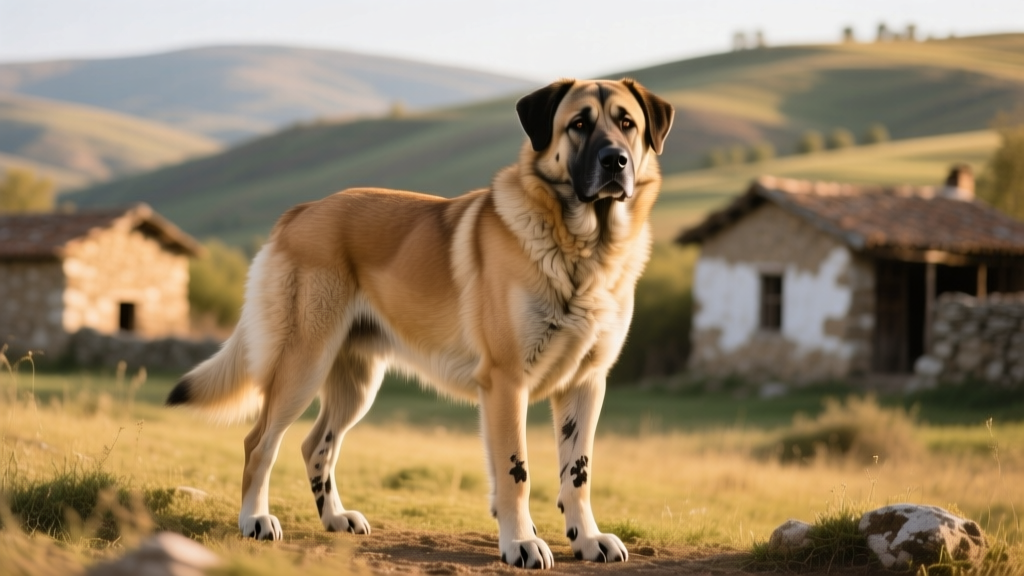
The Kangal Shepherd Dog: Turkey's Ancient Livestock Guardian
If you've searched for a Kangal dog for sale, you're likely drawn to one of the most physically imposing canine breeds on Earth. The Kangal Shepherd Dog — sometimes called the Kangal Turkish Shepherd or Sivas Kangal — is a massive livestock guardian originating from the Sivas Province of central Turkey, where it has protected sheep and goat flocks from wolves, bears, and jackals for centuries. With a bite force measured at over 700 PSI (pounds per square inch), the Kangal holds the record for the strongest bite of any domestic dog breed.
But before you commit to bringing home a 140-pound guardian with an independent streak and a protective instinct honed over millennia, you need a realistic picture of what ownership entails. This guide covers everything from breed history and temperament to where to find ethical Kangal breeders and what red flags to avoid.
Origin and Historical Purpose: Centuries of Flock Protection
The Kangal's roots trace to the Sivas-Kangal district in central Anatolia, Turkey. The breed is believed to descend from ancient mastiff-type dogs that accompanied early Turkic migrations from Central Asia, possibly as far back as the 12th century. The name "Kangal" derives from the Kangal district, where the breed was refined and standardized by local shepherds and the Ottoman-era Kangal family, who were prominent landowners and dog keepers.
Unlike herding dogs that move livestock, the Kangal is a true livestock guardian dog (LGD). Its historical purpose was to live full-time with flocks, making independent decisions about threats without human direction. This evolutionary pressure produced a dog that is intelligent, self-reliant, and territorial — traits that require specific management in a domestic setting.
The Turkish government recognizes the Kangal as a national heritage breed. Export restrictions have historically limited the breed's availability outside Turkey, contributing to its rarity in the United States. The United Kennel Club (UKC) recognized the Kangal Shepherd Dog in 1998, and the Fédération Cynologique Internationale (FCI) recognizes the breed under the name "Kangal Shepherd Dog" (Standard No. 331), reclassified in Group 2 (Pinscher and Schnauzer – Molossoid and Swiss Mountain and Cattle Dogs) in 2018. The American Kennel Club (AKC) does not currently recognize the Kangal, though it is part of the AKC Foundation Stock Service (FSS) program, which is a stepping stone toward full recognition.
Physical Profile: Measurements and Distinctive Features
The Kangal is not merely large — it is proportionally powerful with specific physical characteristics that distinguish it from other mastiff-type breeds.
| Attribute | Specification |
|---|---|
| Male Weight | 110–145 lb (50–66 kg) |
| Female Weight | 90–120 lb (41–54 kg) |
| Male Height (at withers) | 30–32 in (77–81 cm) |
| Female Height (at withers) | 28–30 in (72–77 cm) |
| Lifespan | 12–15 years |
| Coat | Short, dense double coat; fawn/dun with black mask |
| Energy Level | Moderate (low indoors, high alert outdoors) |
| Grooming Needs | Low-maintenance; heavy seasonal shedding |
| Family Fit | Experienced owners only; rural/acreage strongly preferred |
Three features immediately set the Kangal apart from similar-looking breeds:
- Black facial mask and ears: The Kangal's signature dark mask covers the muzzle and extends around the eyes, contrasting sharply with the fawn body coat. This is a breed-standard requirement — Kangals without the black mask are not considered purebred.
- Curled tail: The tail curls tightly over the back, often forming a single or double curl. When alert, the curl tightens; when relaxed, it may drop slightly.
- Athletic build over bulk: Unlike English Mastiffs or Neapolitan Mastiffs, the Kangal is lean and agile for its size. It should look like an athlete, not a bodybuilder. Excess wrinkling or loose skin is a fault in the breed standard.
Temperament: What Surprises First-Time Kangal Owners
The Kangal's temperament catches many new owners off guard. Here is what you should realistically expect:
Calm Indoors, Intense Outdoors
Inside the home, a well-exercised Kangal is remarkably calm — often described as "furniture-like" by owners. They tend to find a spot and stay there, observing. But outdoors, their guardian instinct activates fully. They patrol perimeters, scan horizons, and respond to perceived threats with speed and decisiveness.
Independent Decision-Making
Bred to work without human commands, Kangals do not look to their owners for direction the way a Labrador or Border Collie does. This independence is not stubbornness — it is a survival trait. Training requires patience, consistency, and positive reinforcement methods. Force-based techniques or punishment will damage trust and may trigger defensive aggression in a dog this size.
Selective Affection
Kangals bond deeply with their family, including children they are raised with, but they are typically aloof with strangers. They do not seek attention from visitors. Early and ongoing socialization is essential to prevent over-protectiveness.
Nocturnal Vigilance
Many owners report that their Kangal becomes more active and alert at night — barking at sounds, patrolling the yard, and positioning themselves between the home's entry points and the family's sleeping area. This is normal LGD behavior but can be disruptive in residential neighborhoods.
Breed-Specific Health Concerns and Prevention
The Kangal is generally a robust breed with fewer genetic health problems than many purebred dogs, partly because its gene pool in Turkey was shaped by working ability rather than appearance. However, several conditions warrant attention:
| Condition | Description | Estimated Prevalence |
|---|---|---|
| Hip Dysplasia | Abnormal hip joint formation leading to arthritis | ~15–20% in large LGD breeds (OFA data) |
| Elbow Dysplasia | Developmental abnormalities in the elbow joint | ~8–12% in giant breeds |
| Gastric Dilatation-Volvulus (GDV/Bloat) | Life-threatening stomach torsion | Elevated risk in deep-chested breeds; exact Kangal data limited |
| Entropion/Ectropion | Eyelid rolling inward or outward | Occasional; more common in lines with heavier facial skin |
| Lipoma (Benign Fatty Tumors) | Non-cancerous fat deposits, common in older large dogs | Common in dogs over 8 years |
Preventive recommendations: Request hip and elbow scoring (OFA or PennHIP certifications) from any breeder. Feed large-breed puppy food (formulated to slow growth rate) until 18–24 months. Avoid strenuous exercise on hard surfaces during the growth period. Discuss prophylactic gastropexy (stomach tacking) with your veterinarian, especially if your dog has a family history of GDV.
When to call your vet immediately: If your Kangal shows a distended abdomen, unproductive retching, restlessness, or pale gums — these are bloat emergency signs. GDV can be fatal within hours without surgical intervention. Contact your nearest emergency veterinary hospital immediately.
Always consult your veterinarian for breed-specific health screening and preventive care plans. The Merck Veterinary Manual provides detailed information on hip dysplasia management in large breeds.
Where to Find a Kangal Dog for Sale: Breeder Guide and Pricing
The Kangal remains a rare breed in the United States. The ASPCA and UKC breeder directories are starting points, but most reputable Kangal breeders operate small programs — often producing only 1–2 litters per year.
Typical Pricing in the U.S. (2025–2026)
| Category | Price Range |
|---|---|
| Pet-quality puppy (limited registration) | $1,500–$2,500 |
| Show/working-quality puppy (full registration) | $2,500–$5,000 |
| Imported Turkish-line adult | $4,000–$8,000+ |
| Trained adult LGD (working placement) | $3,000–$6,000 |
First-year ownership costs (food, veterinary care, fencing, supplies) typically add $2,500–$4,500 on top of the purchase price. Large-breed food alone runs $80–$150 per month.
Red Flags to Avoid When Evaluating a Breeder
- No health testing documentation: Reputable breeders provide OFA/PennHIP hip scores, elbow scores, and cardiac clearances for both parents. "Vet checked" is not a substitute for genetic and orthopedic screening.
- Multiple litters always available: Ethical Kangal breeders typically have waitlists. A breeder with puppies constantly ready to go may be operating a volume business.
- No take-back clause: Responsible breeders contractually require that the dog be returned to them at any point in its life if you cannot keep it.
- Unusually low prices: Kangals listed for under $1,000 often come from sources that skip health testing, proper socialization, or veterinary care.
- Shipping without meeting: Reputable breeders want to meet you, see your property, and assess whether a Kangal fits your situation.
Adoption and Rescue Alternatives
Kangal-specific rescues are rare, but large-breed and LGD rescues (such as the LGD Rescue Network) occasionally have Kangals or Kangal mixes. These dogs often need experienced handlers, as many come from situations where their guardian instincts were not properly managed.
Kangal vs. Similar Breeds: How Does It Compare?
If you're considering a Kangal, you may also be evaluating other large guardian breeds. Here is how they stack up:
| Trait | Kangal | Anatolian Shepherd | Great Pyrenees |
|---|---|---|---|
| Weight Range | 90–145 lb | 80–150 lb | 85–100+ lb |
| Coat Length | Short | Short to rough | Long, thick double |
| Energy Level | Moderate | Moderate-High | Low-Moderate |
| Stranger Friendliness | Aloof/guarded | Aloof/guarded | Moderately friendly |
| Trainability | Independent; moderate | Independent; moderate | Independent; moderate |
| Barking | Moderate (alert-based) | High | High (especially at night) |
| AKC Recognized | No (FSS) | Yes | Yes |
| U.S. Availability | Rare | Uncommon | Common |
| Average Lifespan | 12–15 years | 11–13 years | 10–12 years |
The Kangal tends to outlive similar giant breeds and has a shorter, lower-maintenance coat than the Great Pyrenees. However, its rarity means longer waitlists and fewer breeders to choose from. The Anatolian Shepherd is the closest relative — in fact, some registries previously classified them as the same breed before the FCI separated them in 2018.
Special Care Requirements Unique to the Kangal
Owning a Kangal is not like owning most companion breeds. Their care requirements reflect their working-dog heritage:
Fencing and Containment
A Kangal needs a minimum 6-foot fence — preferably 8-foot for males. They are capable jumpers and diggers. Electric fencing alone is insufficient; these dogs have a high pain tolerance and will push through a shock boundary if they perceive a threat beyond it. A physical barrier with a dig-proof base (buried wire or concrete footer extending 12–18 inches underground) is essential.
Exercise Requirements
Despite their size, Kangals are not endurance athletes. They need 45–90 minutes of daily activity — typically two long walks plus access to a secure yard for patrol and exploration. Avoid forced running or repetitive high-impact exercise (like agility or long-distance jogging) until skeletal maturity at 18–24 months.
Grooming
The short double coat requires minimal maintenance outside of shedding season. During the biannual blow (spring and fall), daily brushing with an undercoat rake is necessary. Baths are needed only 2–3 times per year unless the dog gets into something foul. Nail trims every 3–4 weeks and weekly ear checks round out the routine.
Nutrition
Adult Kangals typically consume 4–6 cups of high-quality large-breed kibble daily, split into two meals. Look for AAFCO complete-and-balanced certification with a named animal protein (chicken, lamb, or fish) as the first ingredient and a minimum of 22% crude protein for adult maintenance. Slow-feed bowls are recommended to reduce bloat risk. Never feed one large meal — always divide into at least two feedings.
Is the Kangal Right for Your Family?
The Kangal is not a breed for first-time dog owners. Here is a practical decision framework:
- Do you have at least 1 acre of fenced land? If no → a Kangal is likely not a fit. Apartment or suburban living with close neighbors creates chronic stress for this breed due to their territorial barking and space needs.
- Have you owned large, independent guardian breeds before? If no → consider starting with a more tractable breed or working with a certified professional dog trainer (CPDT-KA or IAABC credentialed) before bringing home a Kangal.
- Can you commit to daily training and socialization for the first 2–3 years? Kangals mature slowly — both physically and mentally. Their full temperament and guardian instincts may not stabilize until age 3.
- Are you prepared for potential breed-specific legislation (BSL)? While Kangals are not commonly targeted by BSL, their size and mastiff-type appearance can trigger landlord insurance restrictions or local ordinances. Check your jurisdiction before committing.
- Do you have young children or other small pets? Kangals raised with children generally protect them, but their size alone poses a risk to toddlers. Same-sex dog aggression can occur, and their prey drive toward smaller animals varies by individual.
If you answered "no" to most of these, consider the Great Pyrenees or Anatolian Shepherd as potentially more accessible alternatives with similar guardian traits but broader availability and more established support networks in the U.S.
Frequently Asked Questions
How rare is the Kangal dog in the United States?
The Kangal is considered a rare breed in the U.S. The UKC registers fewer than 500 Kangals annually, and there are estimated to be fewer than 3,000 registered Kangals in the country. Waitlists for puppies from reputable breeders commonly run 6–18 months.
What makes the Kangal different from the Anatolian Shepherd?
While historically grouped together, the FCI separated them in 2018. The Kangal is specifically from the Sivas-Kangal region and has a standardized short fawn coat with a black mask. The Anatolian Shepherd is a broader category that includes longer-coated and more varied-color dogs from across Anatolia. Kangals tend to be slightly more uniform in type.
Can a Kangal be a family pet, or is it strictly a working dog?
Kangals can be family companions in the right environment — rural or semi-rural property with experienced owners who understand LGD behavior. They are not suited to urban or apartment living. Many U.S. Kangals serve dual roles as both family dogs and property guardians.
How much does it cost to own a Kangal annually?
Beyond the initial purchase price ($1,500–$5,000), expect annual costs of $2,500–$4,000 covering food ($1,000–$1,800), veterinary care ($500–$1,200), preventive medications ($200–$400), fencing maintenance, and supplies. Emergency veterinary care for a dog this size can cost $3,000–$8,000 per incident — pet insurance is strongly recommended.
Are Kangals aggressive toward people?
A well-bred, well-socialized Kangal is not human-aggressive. They are, however, protective and will position themselves between their family and perceived threats. Without proper socialization, their wariness of strangers can escalate to problematic reactivity. Positive reinforcement socialization from 8–16 weeks of age is critical.
What training methods work best for Kangals?
Positive reinforcement, force-free training methods are the only recommended approach for Kangals. These dogs respond to respect-based relationships and clear communication. Aversive tools (shock collars, prong collars) and dominance-based methods (alpha rolls, physical corrections) can trigger defensive aggression in a breed this powerful. Work with a trainer experienced in LGD breeds who uses reward-based methods.
Priya Sutaria
All our authors care for dogs every day — read more of their work on the authors page.


