Japanese Spitz Dog: The Rare White Companion Breed You Need to Know
the Japanese Spitz dog: origin, temperament, grooming, health risks, cost, and how this rare white spitz compares to Samoyeds and American Eskimos.
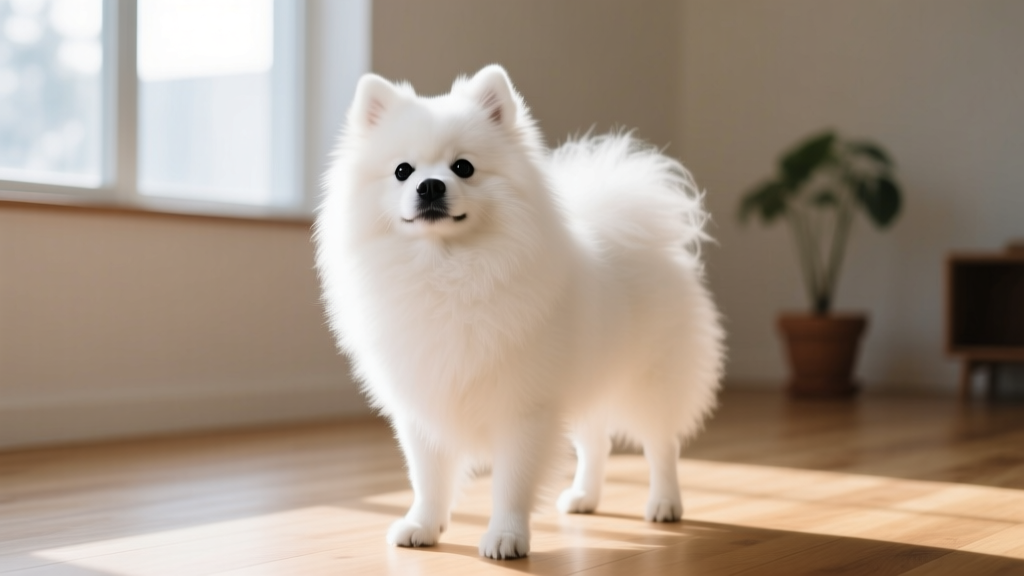
If you've ever seen a small, cloud-white dog with a fox-like face trotting through a park and assumed it was a miniature Samoyed or an American Eskimo Dog, you may have actually spotted a Japanese Spitz dog. Despite their striking appearance and outgoing personality, Japanese Spitz dogs remain one of the lesser-known spitz-type breeds outside of their native Japan and parts of Europe. In the United States, they're rare enough that most veterinarians and groomers have never handled one.
This guide covers everything prospective owners need to know about the Japanese Spitz — from their debated origin story and distinctive physical traits to the grooming realities and health screenings that responsible breeders prioritize. Whether you're researching before adopting or simply curious about this uncommon breed, you'll find specific, practical details here that go beyond generic breed summaries.
Origin and History: From Northern Dogs to Japanese Companions
The Japanese Spitz dog was developed in Japan during the 1920s and 1930s. Breed historians believe the foundation stock came from several white-coated spitz breeds imported into Japan, including the German Spitz (large variety), the American Eskimo Dog, and possibly the Samoyed. Some accounts also reference white dogs imported from Canada and China via Siberian trade routes, though these early lineage claims are difficult to verify with modern genetic testing.
Japanese Spitz Origin Timeline
- 1920s: White spitz-type dogs imported from multiple countries arrive in Japan as companion animals.
- 1921–1936: Japanese breeders selectively cross these imports, favoring smaller size, pure white coat, and a calm temperament suitable for apartment living.
- 1948: The Japan Kennel Club (JKC) officially recognizes the Japanese Spitz as a distinct breed and publishes the first written standard.
- 1950s–1960s: The breed gains popularity in Japan as a household companion dog, particularly in urban areas.
- 1960s onward: Japanese Spitz dogs are exported to Sweden, England, Australia, and India, where they develop dedicated followings.
- Present day: The breed is recognized by the FCI (Fédération Cynologique Internationale), the UKC (United Kennel Club, recognized in 2006), and the AKC's Foundation Stock Service (FSS) — but has not yet achieved full AKC recognition for conformation showing.
The breed's original purpose was strictly companion and watchdog. Unlike many spitz breeds developed for hunting, sledding, or herding, the Japanese Spitz was designed from the outset to be a family dog — alert enough to bark at strangers but gentle enough to live closely with children and elderly household members. This is an important distinction: their spitz-type appearance suggests working-dog energy, but their breeding history selected for a more moderate, people-oriented temperament.
How Rare Is the Japanese Spitz Dog Today?
The Japanese Spitz remains uncommon in North America. The AKC's Foundation Stock Service tracks the breed, but registration numbers are low compared to mainstream breeds. In 2024, the AKC did not rank the Japanese Spitz in its top 200 most-registered breeds — primarily because full recognition hasn't been granted, meaning registration pathways are limited.
By contrast, the breed is moderately popular in the United Kingdom (ranked in the top 80 by the Kennel Club), Sweden, and Australia. In Japan itself, popularity has declined since its 1950s peak, partly because the Shiba Inu and Toy Poodle have overtaken it in urban pet trends.
For US-based buyers, this rarity means longer waitlists (often 6–18 months), fewer available litters, and a higher likelihood of needing to import a puppy from a European or Australian breeder. We'll cover breeder sourcing and costs in detail below.
Physical Traits: What Sets the Japanese Spitz Apart
| Trait | Specification |
|---|---|
| Weight | 11–20 lb (5–9 kg) |
| Height at withers | Males: 12–15 in (30–38 cm); Females: 11–13.5 in (28–34 cm) |
| Lifespan | 12–16 years (median approximately 14 years) |
| Coat | Double coat; pure white only; straight, stand-off outer coat with soft, dense undercoat |
| Color | White only — no cream, biscuit, or parti-color accepted in the breed standard |
| Energy level | Moderate — 30–60 minutes of daily activity |
| Grooming needs | High — brushing 3–4x/week; professional grooming every 6–8 weeks; heavy seasonal shedding |
| Family fit | Excellent with children and other pets; suitable for first-time owners with grooming commitment |
Three physical features reliably distinguish the Japanese Spitz from similar-looking breeds:
- Wedge-shaped head with a defined stop: The muzzle tapers to a point (fox-like), and the transition from forehead to muzzle (the "stop") is more pronounced than in Samoyeds, which have a broader, more bear-like skull.
- Oval, dark, slightly slanted eyes: Unlike the round eyes of the American Eskimo Dog, the Japanese Spitz has almond-shaped dark eyes with black eye rims that create a distinctive expression.
- High-set tail carried over the back: The tail curls forward and rests on the back, covered in long, dense white fur. It should not curl tightly like a Shiba Inu's tail but should form a gentle arc.
The coat deserves special mention. The Japanese Spitz's white coat is self-cleaning to a surprising degree — dirt and mud tend to dry and fall off the stand-off outer coat. Many owners report that their dogs look clean even after rolling in grass. However, this does not eliminate the need for regular brushing, and the undercoat sheds heavily during seasonal coat blows (typically twice a year, lasting 2–3 weeks each).
Temperament: What Surprises New Owners
Most people who bring home a Japanese Spitz dog expect a quiet, lap-oriented companion. What they often get instead is a dog with a surprisingly bold, playful streak — one that will initiate games of fetch, chase butterflies in the yard, and bark confidently at the delivery driver.
Here's what experienced owners consistently report as unexpected:
- Vocal but not excessive: Japanese Spitz dogs will alert-bark at strangers and unusual sounds, but they are not persistent barkers like some small breeds. Once the perceived "threat" is acknowledged, they typically settle down. This watchdog instinct is strong but manageable with early socialization.
- Velcro tendency: This breed bonds intensely with its primary person and can develop separation anxiety if left alone for more than 4–5 hours regularly. They are not suitable for households where the dog will be crated for 8+ hours during workdays.
- Intelligence with a stubborn edge: They learn commands quickly but may choose not to obey if they don't see a reason to. Positive reinforcement training (treats, praise, play rewards) works well; harsh corrections or force-free methods like alpha rolls will damage trust and increase resistance. According to AKC training guidelines, reward-based methods produce the most reliable results with spitz-type breeds.
- Gentle with children: Unlike some small breeds that snap when handled roughly, Japanese Spitz dogs tend to retreat rather than bite. They are patient with respectful children but should still be supervised with toddlers who might grab ears or tails.
- Low prey drive for a spitz: While many spitz breeds have strong chase instincts, Japanese Spitz dogs typically coexist peacefully with cats and small pets when raised together.
Care Requirements: Grooming, Exercise, and Daily Life
Japanese Spitz Care Checklist
- Brushing: 3–4 times per week with a slicker brush and undercoat rake. During coat-blow seasons (spring and fall), daily brushing for 15–20 minutes is necessary to prevent matting.
- Bathing: Every 4–6 weeks using a whitening or blueing shampoo formulated for white coats (brands like Chris Christensen White on White or Bio-Groom Super White are commonly recommended by professional groomers).
- Tear staining: Wipe the eye area daily with a damp cloth or use a veterinary-safe tear stain remover. The white coat around the eyes is prone to reddish-brown discoloration from porphyrins in tears.
- Exercise: 30–60 minutes daily, split into two sessions. A 20-minute walk plus 10–15 minutes of interactive play (fetch, tug, puzzle toys) satisfies most Japanese Spitz dogs.
- Mental stimulation: Food puzzles, scent games, and short training sessions (5–10 minutes, 2–3x/day) prevent boredom-related barking.
- Dental care: Daily tooth brushing or dental chews approved by the Veterinary Oral Health Council (VOHC). Small breeds are predisposed to periodontal disease starting as early as age 3.
- Nail trimming: Every 2–3 weeks; overgrown nails affect gait and can cause joint stress in small dogs.
Important grooming note: Never shave a Japanese Spitz. Their double coat provides insulation against both heat and cold, and shaving can cause permanent coat damage — the undercoat may grow back thicker and the outer coat may not regrow properly, leading to a condition called post-clipping alopecia. If matting is severe, consult a professional groomer about thinning techniques rather than clipping.
Health Concerns: What Japanese Spitz Owners Should Monitor
The Japanese Spitz is generally a healthy breed, partly because its relatively small gene pool in Japan was managed carefully, and partly because the breed hasn't been subjected to the extreme physical exaggerations (flat faces, oversized heads, dwarfism) that plague many popular breeds. However, several conditions appear with enough frequency that responsible breeders screen for them.
| Condition | Description | Prevalence / Notes |
|---|---|---|
| Patellar Luxation | Kneecap slips out of position, causing intermittent lameness or "skipping" gait | Common in small breeds; estimated 5–10% prevalence in Japanese Spitz. OFA screening recommended. |
| Progressive Retinal Atrophy (PRA) | Degenerative eye disease causing gradual vision loss, typically beginning with night blindness | Reported in the breed; DNA test available (prcd-PRA). Responsible breeders test both parents. |
| Idiopathic Epilepsy | Seizures with no identifiable structural cause; onset typically between 6 months and 5 years | Low but documented prevalence. Dogs with seizures should not be bred. Merck Veterinary Manual — Seizures in Dogs |
| Runny Eyes / Epiphora | Excessive tear production or poor tear drainage, causing staining and potential skin irritation | Very common due to facial structure and light coat. Not life-threatening but requires daily management. |
| Dental / Periodontal Disease | Gum inflammation, tooth loss, and potential systemic infection from oral bacteria | High prevalence in small breeds by age 3–5. Preventive dental care is critical. |
Veterinary disclaimer: The information above is for educational purposes. Always consult your veterinarian for diagnosis, treatment plans, and breed-appropriate health screening schedules. Your vet may recommend additional tests based on your individual dog's history and your geographic region.
Responsible breeders should provide documentation of OFA (Orthopedic Foundation for Animals) patella evaluations and PRA DNA test results for both parent dogs. If a breeder cannot or will not provide these, consider it a significant red flag.
Japanese Spitz vs. Samoyed vs. American Eskimo Dog
These three breeds are the most common points of confusion for people researching the Japanese Spitz. Here's how they compare on practical ownership factors:
| Factor | Japanese Spitz | Samoyed | American Eskimo Dog (Mini/Standard) |
|---|---|---|---|
| Weight | 11–20 lb (5–9 kg) | 35–65 lb (16–29 kg) | 6–35 lb (3–16 kg) depending on variety |
| Height | 11–15 in | 19–23.5 in | 9–19 in |
| Colors accepted | White only | White, cream, biscuit | White, cream |
| Exercise needs | Moderate (30–60 min) | High (60–90 min) | Moderate (30–60 min) |
| Barking tendency | Moderate | High | High |
| Apartment suitability | Good | Poor (size + energy) | Good (Mini/Std) |
| AKC recognition | FSS only (not full) | Full (Working Group) | Full (Non-Sporting) |
| Typical puppy price (US) | $2,500–$6,000+ | $2,000–$5,000 | $1,500–$3,500 |
| Lifespan | 12–16 years | 12–14 years | 13–15 years |
The key practical difference: if you want a white spitz-type dog but live in an apartment or prefer a dog under 20 lb, the Japanese Spitz is the most size-appropriate choice. The American Eskimo Dog (Miniature) is a close alternative and is easier to find in the US, but it tends to be more vocal and slightly more high-strung than the Japanese Spitz.
Cost, Availability, and Finding a Breeder
Because the Japanese Spitz is uncommon in the United States, expect to invest significant time and money into acquiring one.
Puppy price ranges (2025–2026 estimates):
- US-based breeder (health-tested, FSS-registered): $2,500–$4,500
- Imported from Europe (UK, Sweden, Finland): $3,500–$6,000+ (including shipping, health certificates, and import fees)
- Imported from Japan: $4,000–$8,000+ (shipping and quarantine requirements vary by airline and country of origin)
First-year ownership budget (beyond puppy price):
- Veterinary care (initial exams, vaccinations, spay/neuter): $800–$1,500
- Grooming (professional sessions every 6–8 weeks): $400–$700/year
- High-quality food (small-breed formula, AAFCO-approved): $400–$700/year
- Pet insurance (recommended for rare breeds with limited local vet familiarity): $400–$800/year
- Supplies (crate, harness, grooming tools, toys): $300–$600 initial
Total first-year estimate: $4,800–$9,300 depending on whether you purchase domestically or import.
Where to find breeders:
- The AKC Japanese Spitz page lists FSS breeders and provides contact information for the breed's US parent club.
- The Japanese Spitz Club of America (JSCA) maintains a breeder referral list. Members in good standing agree to health-test their breeding stock.
- International breeders can be found through the FCI-affiliated kennel clubs in Sweden (Svenska Kennelklubben), the UK (The Kennel Club), and Australia (ANKC).
Red flags to avoid:
- Breeders who cannot provide OFA patella and PRA DNA test results for both parents
- "Rare white puppies" advertised on marketplace sites without breed club affiliation — these are often American Eskimo mixes or puppy mill dogs mislabeled as Japanese Spitz
- Breeders who have multiple litters available year-round or who always have puppies "ready to go"
- Prices significantly below $2,000 for a "purebred" Japanese Spitz in the US — this almost always indicates a backyard breeder or scam
Adoption alternative: Japanese Spitz dogs occasionally appear in spitz-breed rescues such as Northern Breed Rescue or American Eskimo Dog Rescue (which sometimes takes in misidentified Japanese Spitz dogs). Setting up breed alerts on Petfinder and contacting spitz-specific rescue organizations is a viable path, though wait times can be 1–3 years.
Is the Japanese Spitz Right for Your Family?
This breed is an excellent match for households that want a small, affectionate, good-looking companion dog and are prepared for the grooming commitment. They are well-suited to first-time owners who are willing to invest time in early socialization and positive reinforcement training.
They are not a good match for:
- Families who work long hours away from home (separation anxiety risk)
- Owners who want a low-maintenance coat (the white double coat requires real commitment)
- People seeking a silent dog (they will bark at doorbells, strangers, and unusual sounds)
- Households wanting a dog for off-leash hiking or endurance activities (they are companion dogs, not working athletes)
Frequently Asked Questions
Are Japanese Spitz dogs good with cats and other small pets?
Generally, yes. Their prey drive is lower than most spitz breeds. When raised with cats or small dogs from puppyhood, Japanese Spitz dogs typically coexist peacefully. Always supervise initial introductions and use positive reinforcement to reward calm behavior around other animals.
Do Japanese Spitz dogs shed a lot?
Yes. They shed moderately year-round and heavily during seasonal coat blows (typically spring and fall). During a coat blow, you can expect to fill a grocery bag with loose undercoat over 2–3 weeks. A high-velocity dryer used by a professional groomer can dramatically speed up undercoat removal during these periods.
How long can a Japanese Spitz be left alone?
Adult Japanese Spitz dogs can typically handle 4–5 hours alone if properly exercised beforehand and provided with enrichment toys. Beyond that, separation anxiety behaviors (barking, destructive chewing, house-soiling) become increasingly likely. Doggy daycare or a midday dog walker is recommended for owners who work standard 8-hour days.
Do Japanese Spitz dogs have a strong odor?
No. One of the breed's most praised traits is its lack of typical "doggy smell." The coat is relatively odor-free between baths, which is one reason owners tolerate the grooming demands. However, the ears should be checked weekly for infection, as any dog with upright, fur-lined ears can develop ear odor from yeast or bacterial buildup.
Can Japanese Spitz dogs live in hot climates?
They can, with precautions. Their white double coat actually reflects sunlight and insulates against heat — but they should not be exercised during peak heat (above 85°F / 29°C). Provide air conditioning, fresh water, and limit outdoor activity to early morning and evening. Never shave the coat in an attempt to keep them cool; this removes their natural insulation.
What food is best for a Japanese Spitz?
Any AAFCO-approved small-breed formula that lists a named animal protein (chicken, salmon, lamb) as the first ingredient is appropriate. Look for kibble sized for small mouths. Some owners successfully feed fresh-food subscription services (like The Farmer's Dog or Nom Nom) with veterinary nutritionist approval. Avoid grain-free boutique diets unless your vet specifically recommends them, as the FDA has investigated a potential link between certain grain-free diets and dilated cardiomyopathy (DCM) in dogs.
For more information on breed health standards and responsible breeding practices, the Orthopedic Foundation for Animals (OFA) maintains a searchable database of health-tested dogs, which is an invaluable resource when evaluating any breeder's claims.
Marcus Aldridge
All our authors care for dogs every day — read more of their work on the authors page.


