Irish Wolfhound Weight Guide: Growth, Milestones & Healthy Ranges
Complete Irish Wolfhound weight guide covering growth milestones, adult ranges (120-180 lb), health risks of improper weight, and breed-specific care tips.
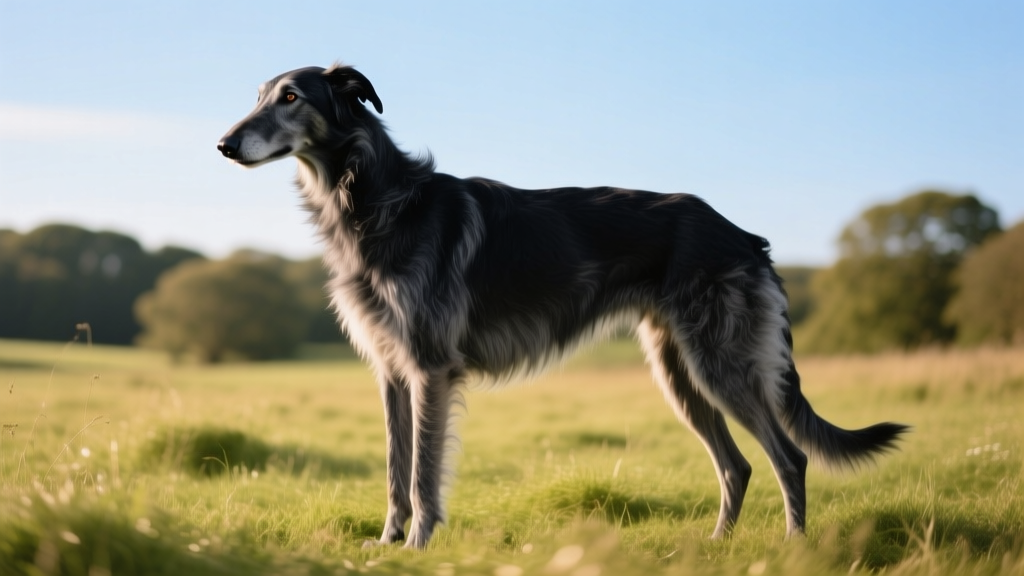
Understanding Irish Wolfhound Weight: Why It Matters More Than You Think
If you've ever stood next to an Irish Wolfhound, you already know these dogs redefine the word "large." But understanding Irish Wolfhound weight isn't just about marveling at the numbers — it's one of the most critical factors in keeping this gentle giant healthy and extending a lifespan that, frankly, needs all the help it can get. The average Irish Wolfhound lives just 6 to 8 years, and maintaining proper weight from puppyhood through seniority directly impacts joint health, cardiac function, and overall longevity.
This guide walks you through every stage of Irish Wolfhound weight development, breed-specific health considerations tied to body mass, and practical care strategies drawn from veterinary guidance and experienced owner insights. Whether you're researching before bringing one home or managing an existing Wolfhound's condition score, you'll find specific numbers, timelines, and actionable advice here.
Origin and History: Ireland's Ancient Wolf Hunters
The Irish Wolfhound's story stretches back over two millennia. These dogs originated in Ireland, where Celtic warriors and nobility bred them for a specific and formidable purpose: hunting wolves and Irish elk. Historical records suggest the Romans encountered these massive hounds as early as 391 AD, when a Roman consul received seven Wolfhounds as a gift and wrote that they were larger than the horses people rode.
The breed nearly vanished in the 19th century after wolves went extinct in Ireland (the last wolf was reportedly killed in 1786), removing the Wolfhound's primary purpose. Captain George Augustus Graham is credited with reviving the breed starting around 1862, crossing the few remaining specimens with Scottish Deerhounds, Great Danes, and possibly Borzoi to restore the type we recognize today.
The American Kennel Club recognized the Irish Wolfhound in 1897, and the breed holds recognition with the UKC and FCI (Group 10: Sighthounds). Despite this long history and formal recognition, the Irish Wolfhound remains relatively rare — the AKC typically ranks them around 75th-80th in popularity among roughly 200 recognized breeds.
Irish Wolfhound Weight and Growth: What to Expect at Every Stage
Irish Wolfhound puppies grow at a staggering rate, but this rapid growth must be carefully managed to prevent developmental orthopedic diseases. Here's what healthy weight progression looks like:
| Age | Typical Weight (lb / kg) | Height at Shoulder (in / cm) | Notes |
|---|---|---|---|
| 8 weeks | 15-25 lb / 7-11 kg | — | Puppies should appear lean, not rotund |
| 3 months | 35-50 lb / 16-23 kg | — | Rapid bone growth phase begins |
| 6 months | 70-100 lb / 32-45 kg | 26-30 in / 66-76 cm | Growth rate starts to decelerate |
| 9 months | 95-130 lb / 43-59 kg | 29-33 in / 74-84 cm | Approaching adult height |
| 12 months | 110-150 lb / 50-68 kg | 30-34 in / 76-86 cm | Still filling out; not adult weight |
| 18 months | 120-170 lb / 54-77 kg | 30-35 in / 76-89 cm | Nearing mature weight |
| 2-3 years (adult) | Males: 140-180 lb / 64-82 kg Females: 115-145 lb / 52-66 kg |
Males: 32-35 in / 81-89 cm Females: 30-33 in / 76-84 cm |
Full maturity; chest continues to broaden |
Critical feeding note: Giant breed puppies should be fed a diet specifically formulated for large/giant breeds, with controlled calcium and phosphorus ratios. The goal is slow, steady growth — not maximum growth. Overfeeding an Irish Wolfhound puppy significantly increases the risk of hypertrophic osteodystrophy (HOD), osteochondrosis dissecans (OCD), and other developmental bone diseases. Consult your veterinarian about appropriate caloric intake for your individual puppy.
Distinctive Physical Features: More Than Just Size
The Irish Wolfhound is the tallest of all dog breeds, though not the heaviest (that distinction goes to the English Mastiff). What sets them apart physically:
- Minimum height standard: AKC requires males to be at least 32 inches (81 cm) and females at least 30 inches (76 cm) at the shoulder — with greater height preferred as long as overall balance is maintained
- Rough, wiry coat: A harsh outer coat with a softer undercoat; colors include gray, brindle, red, black, white, and fawn
- Distinctive head shape: Long, moderately pointed muzzle with a slight rise over the eyes; small rose or semi-erect ears that fold back
- Deep chest and tucked waist: Classic sighthound silhouette with pronounced chest depth and abdominal tuck
- Long, slightly curved tail: Carried low, reaching approximately to the hock
Temperament: What Surprises New Owners
Most people expect a dog this large to be imposing, aloof, or at least somewhat difficult to manage. The Irish Wolfhound surprises nearly every first-time owner in several ways:
They're profoundly gentle and sensitive. Wolfhounds form deep bonds with their families and are notably attuned to human emotions. Many owners describe them as "leaning" against their people for reassurance. They tend to be reserved with strangers but rarely aggressive.
They're not high-energy athletes. Despite their hunting heritage, adult Wolfhounds are often described as "couch potatoes" who enjoy a good sprint in a secure area followed by 18 hours of napping. Puppies, however, have bursts of wild energy that require safe, enclosed spaces — never dog parks with smaller breeds, as their prey drive can trigger suddenly.
They mature slowly. Irish Wolfhounds don't reach full mental maturity until around 2-3 years old. Expect puppy-like behavior, including mouthing, jumping, and selective hearing, well into their second year.
They're not ideal guard dogs. Their size alone deters intruders, but their temperament is generally welcoming or indifferent rather than protective. Don't expect aggression on command.
Breed-Specific Health Concerns Tied to Weight and Body Condition
Managing Irish Wolfhound weight is inseparable from managing breed-specific disease risk. These dogs are predisposed to several serious conditions:
| Condition | Prevalence / Risk | Weight Connection | Warning Signs |
|---|---|---|---|
| Dilated Cardiomyopathy (DCM) | Estimated 25-40% of Wolfhounds develop some form of heart disease | Excess weight strains an already vulnerable heart | Coughing, exercise intolerance, labored breathing, collapse |
| Osteosarcoma (Bone Cancer) | Leading cause of death; approximately 1 in 4 Wolfhounds affected | Heavier body mass may increase mechanical stress on long bones | Limping, swelling on a limb, pain on palpation |
| Gastric Dilatation-Volvulus (Bloat/GDV) | High risk in deep-chested giant breeds | Overweight dogs and rapid eating increase risk | Distended abdomen, unproductive retching, restlessness — EMERGENCY |
| Hip Dysplasia | OFA data suggests moderate prevalence in the breed | Excess weight accelerates joint degeneration | Hind-end weakness, bunny-hopping gait, reluctance to rise |
| Portosystemic Shunt (Liver Shunt) | Higher prevalence than in most breeds; congenital | Stunted growth may indicate underlying shunt | Smaller than littermates, disorientation after eating, seizures |
Body Condition Score (BCS) target: Irish Wolfhounds should be kept at a BCS of 4-5 on a 9-point scale. You should be able to feel (but not prominently see) their ribs, and they should have a visible waist when viewed from above. Because their build is naturally lean and angular, some owners mistake a properly weighted Wolfhound for being underweight. When in doubt, consult your veterinarian for an objective assessment.
Special Care Requirements: Beyond Basic Dog Ownership
Owning an Irish Wolfhound requires adjustments that go well beyond what most dog owners experience:
- Space: Minimum fenced yard of 6 feet height; these dogs can clear 5-foot fences. Indoor space must accommodate a dog that stands over 3 feet tall and stretches 6+ feet long when lying down
- Bedding: Orthopedic or thick padded beds are essential — Wolfhounds develop pressure sores (calluses) on elbows and hocks from lying on hard surfaces. Budget $80-$200 for adequately sized beds
- Vehicle transport: Standard crates don't fit. You'll need a custom or giant-breed crate (48-54 inches) or a vehicle large enough for them to lie flat — SUVs or vans, not sedans
- Grooming: Weekly brushing with a slicker brush and occasional hand-stripping of dead coat; not high-maintenance but their size makes sessions lengthy
- Exercise: Adults need 40-60 minutes daily, including at least one opportunity for off-leash running in a secure area. Puppies should have restricted, low-impact exercise (no forced running or jumping) until growth plates close around 18-24 months
- Feeding: Adults eat 6-10 cups of high-quality kibble daily, split into two meals. Use slow-feeder bowls and avoid exercise for 1 hour before and 2 hours after meals to reduce bloat risk
- Heart screening: Annual cardiac evaluation (echocardiogram) recommended starting at age 2-3. Budget $300-$600 per screening
How the Irish Wolfhound Compares to Similar Breeds
If you're considering an Irish Wolfhound but wondering how they stack up against other giant or sighthound breeds, here's a practical comparison:
| Trait | Irish Wolfhound | Great Dane | Scottish Deerhound |
|---|---|---|---|
| Weight Range | 115-180 lb / 52-82 kg | 110-175 lb / 50-79 kg | 75-110 lb / 34-50 kg |
| Height | 30-35 in / 76-89 cm | 28-32 in / 71-81 cm | 28-32 in / 71-81 cm |
| Lifespan | 6-8 years | 7-10 years | 8-11 years |
| Energy Level | Low-moderate; sprint-and-nap | Moderate; playful longer into life | Moderate; more consistent stamina |
| Prey Drive | High (sighthound instinct) | Moderate | High (sighthound instinct) |
| Apartment Feasibility | Poor (size + exercise needs) | Fair (surprisingly adaptable) | Poor |
| First-Time Owner Fit | Challenging | Challenging | Challenging |
| Typical Puppy Cost | $2,000-$3,500+ | $1,500-$3,000 | $2,000-$3,500 |
The Scottish Deerhound is the Wolfhound's closest relative in appearance and history — Graham used Deerhounds in his revival breeding program. However, Deerhounds are notably lighter, somewhat longer-lived, and slightly more energetic. The Great Dane matches Wolfhounds in mass but has a different build (more mastiff-influenced) and a distinctly more playful, clownish personality.
Availability, Cost, and Finding a Responsible Breeder
Irish Wolfhounds are not a breed you'll find at a pet store or typically available through casual breeders. Here's what to expect:
Puppy price range (2026): $2,000-$3,500 from a reputable breeder, with some champion-line puppies reaching $4,000-$5,000. Waitlists of 6-18 months are common, as responsible breeders produce only 1-2 litters per year.
First-year ownership costs: Budget $4,000-$7,000 beyond the purchase price, including:
- Food: $1,200-$2,000/year (giant-breed formulas are expensive)
- Veterinary care (including cardiac screening, vaccinations, preventives): $1,000-$2,500
- Supplies (oversized crate, beds, gates, leashes): $500-$1,200
- Prophylactic gastropexy: $500-$1,500 if performed at spay/neuter
Where to find breeders: Start with the AKC Marketplace and the Irish Wolfhound Club of America (IWCA) breeder referral. Reputable breeders will:
- Perform cardiac screening (echocardiograms) on both parents
- Test for liver shunts and provide OFA or PennHIP hip evaluations
- Require a contract that includes a take-back clause (they take the dog back at any point in its life if you cannot keep it)
- Raise puppies in their home with early socialization protocols (ENS/ESI)
- Ask you as many questions as you ask them
Red flags: Breeders offering puppies under $1,500, those with multiple litters available simultaneously, no health testing documentation, or willingness to ship puppies without any conversation. Irish Wolfhound rescue organizations (including IWCA Rescue) also occasionally have adult dogs available — a viable option for those who want to skip the destructive puppy phase.
Real Owner Insights: What Life With a Wolfhound Actually Looks Like
Based on conversations with experienced Wolfhound owners and breed community discussions, here are the realities that breed guides often gloss over:
The "lean" on: Wolfhounds don't just lean against you — they lean with 140+ pounds of force. Many owners develop bruises on their thighs. This is affection, not dominance.
Counter surfing is a given: A Wolfhound can clear a standard kitchen counter without jumping. You will need to dog-proof surfaces that are 4+ feet high, or simply accept that nothing stays on countertops.
Training requires patience, not force: Wolfhounds are intelligent but independent thinkers. They respond well to positive reinforcement and food motivation but shut down under harsh corrections. Force-free training methods are not just ethically preferable — they're practically more effective with this sensitive breed. Keep sessions short (5-10 minutes) and end on a positive note.
Vet bills are significant: Medication dosages are calculated by weight, and everything costs more for a 150-pound dog. Heartworm prevention, antibiotics, and anesthesia all scale up. Pet insurance premiums for giant breeds are higher ($80-$150/month), and some insurers cap payouts or exclude breed-specific conditions. Factor this into your decision.
The emotional toll is real: Knowing your dog's expected lifespan is only 6-8 years is something every Wolfhound owner carries. Many owners describe the bond as intensely deep, making the inevitable loss particularly devastating. This is a breed for people who can love fully knowing the timeline is short.
Frequently Asked Questions About Irish Wolfhound Weight and Care
How rare is the Irish Wolfhound today?
The Irish Wolfhound ranks around 75th-80th in AKC registration popularity. While not critically rare, they are uncommon enough that you may be the only Wolfhound owner in your neighborhood. Finding breed-specific veterinary expertise, groomers familiar with their coat, and boarding facilities equipped for their size can require extra effort.
Is an Irish Wolfhound suitable for a first-time owner?
Generally, no — but with caveats. A first-time owner who is exceptionally well-researched, has access to experienced mentors (ideally through a local Irish Wolfhound club), and has the physical space and financial resources can succeed. The primary challenges are managing a giant puppy's growth, navigating serious health screening decisions, and handling end-of-life care within a short timeframe.
What makes the Irish Wolfhound different from similar-looking breeds?
Compared to the Scottish Deerhound, Wolfhounds are substantially heavier (40-70 lb more) and broader in build. Compared to the Great Dane, they have a rougher coat, a calmer demeanor, a stronger prey drive, and a shorter lifespan. The Wolfhound's combination of extreme height, sighthound temperament, and gentle nature is truly unique.
How do I know if my Irish Wolfhound is at a healthy weight?
Use the Body Condition Score system: you should be able to feel ribs easily without pressing hard, see a defined waist from above, and observe an abdominal tuck from the side. Because Wolfhounds are naturally angular and bony-looking, a BCS of 4-5 may appear "thin" to people unfamiliar with the breed. Your veterinarian can provide an objective assessment — aim for annual weigh-ins and body condition evaluations at minimum.
What special care does an Irish Wolfhound require?
Beyond standard dog care, Wolfhounds need: controlled giant-breed puppy nutrition, annual cardiac screening starting at age 2-3, prophylactic gastropexy consideration, orthopedic bedding to prevent pressure sores, secure fencing of at least 6 feet, careful exercise management during growth, and owners prepared for significant financial commitment to veterinary care. Always consult your veterinarian to develop a care plan tailored to your individual dog.
Priya Sutaria
All our authors care for dogs every day — read more of their work on the authors page.


