Beyond Husky Pictures: The Real Siberian Husky Breed...
Go beyond beautiful husky pictures to learn the real Siberian Husky temperament, exercise needs, health risks, grooming demands, and true cost of ownership.
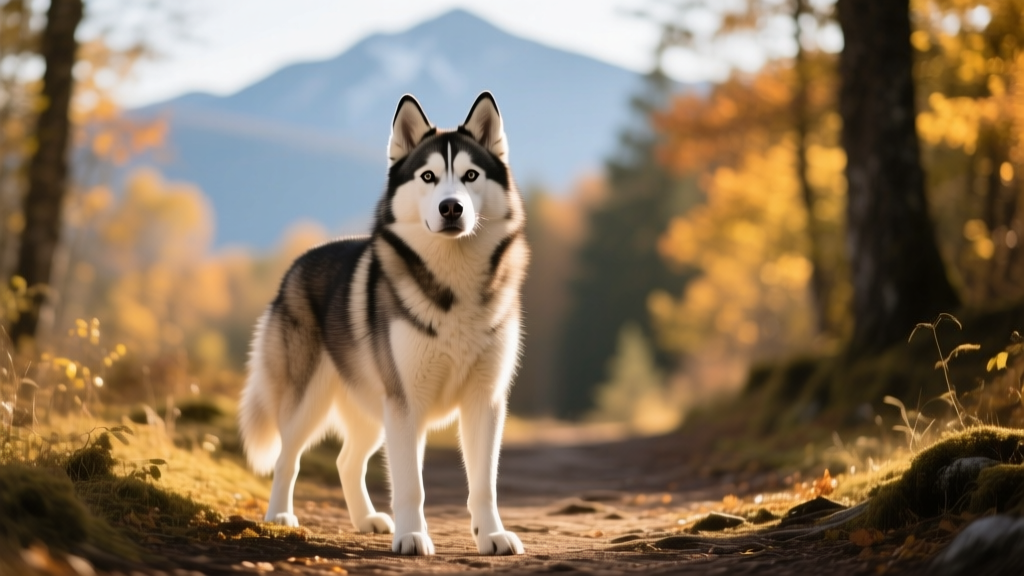
If you've spent any time on social media, you've seen husky pictures that make this breed look like the perfect family companion — piercing blue eyes, wolf-like features, and a fluffy tail curled over a snowy backdrop. Those photos are stunning, but they don't tell you about the 5 a.m. vocalizations, the fur tumbleweeds rolling across your living room, or the dog who will bolt through an open gate in a heartbeat.
The Siberian Husky is one of the most visually recognizable breeds on the planet, consistently ranking in the top 25 AKC-registered breeds. But popularity driven by aesthetics has led to a surge in Huskies surrendered to rescues when owners discover that what looks majestic in photos requires a serious lifestyle commitment. This profile goes beyond the Instagram-ready husky pictures to give you the data, costs, and behavioral realities you need before bringing one home.
Siberian Husky at a Glance: Breed Overview
Originating from the Chukchi people of northeastern Siberia, the Siberian Husky was bred as an endurance sled dog — designed to pull light loads at moderate speeds over vast frozen distances. They arrived in Alaska during the 1909 Nome Gold Rush and gained national fame in 1925 when mushers like Leonhard Seppala and dogs like Balto and Togo delivered diphtheria antitoxin to Nome during a deadly outbreak.
The AKC recognized the breed in 1930. Today's Siberian Husky retains the working drive of its ancestors, classified as a medium-sized working breed in the AKC Working Group.
| Attribute | Specification |
|---|---|
| Size Class | Medium (Working Group) |
| Weight (Male) | 45–60 lb / 20–27 kg |
| Weight (Female) | 35–50 lb / 16–23 kg |
| Height (Male) | 21–23.5 inches / 53–60 cm |
| Height (Female) | 20–22 inches / 51–56 cm |
| Lifespan | 12–14 years (some reach 15+) |
| Coat Type | Double coat — dense undercoat + straight guard hairs |
| Energy Level | Very High |
| Grooming Frequency | Weekly brushing; daily during biannual coat blows |
| Family Fit | Active households with yards; not ideal for apartments |
What Husky Pictures Don't Show: Temperament & Personality
The Siberian Husky's temperament is often misunderstood because people assume their wolf-like appearance signals a protective or aggressive nature. The reality is nearly the opposite — and far more complicated.
Temperament Strengths
- Friendly with strangers: A Husky is more likely to greet a burglar with tail wags than a bark. This makes them terrible guard dogs but wonderful companions in social settings.
- Pack-oriented: Bred to work in teams of 6–12 dogs, they thrive with canine company and often bond deeply with their human "pack."
- Playful and mischievous: Expect a dog that will steal food off counters, dig elaborate tunnels in your garden, and howl along to sirens with genuine enthusiasm.
- Intelligent problem-solvers: They learn quickly — but apply that intelligence to their own agenda, not necessarily yours.
Temperament Challenges
- Extreme prey drive: Cats, rabbits, chickens, and small dogs may be viewed as chase targets. Off-leash recall is unreliable for most Huskies regardless of training level.
- Vocal: Huskies rarely bark — they howl, "talk," whine, and scream. Apartment neighbors will hear it.
- Escape artists: A 6-foot fence is a suggestion. Many Huskies dig under, climb over, or wait for a gate left open for 3 seconds.
- Stubborn independence: They were bred to make decisions on the trail without human direction, which translates to "why should I listen to you?" during training.
The core personality is friendly, energetic, independent, and dramatic. If you want a dog that follows you room-to-room and hangs on your every command, look at a Border Collie or Golden Retriever instead.
Exercise & Activity Requirements: The Real Daily Commitment
Vague advice like "Huskies need lots of exercise" doesn't help you plan your day. Here are the specifics:
| Activity Type | Daily Minimum | Ideal Target | Notes |
| Brisk walking or hiking | 45 minutes | 60–90 minutes | Split into 2 sessions; avoid midday heat in summer |
| Running / biking (joring) | 20 minutes | 30–45 minutes | Dog-pulling sports like canicross or bikejoring are ideal outlets |
| Free play in fenced yard | 30 minutes | 60 minutes | Must be securely fenced — minimum 6 ft with dig-proofing |
| Mental stimulation | 15 minutes | 20–30 minutes | Puzzle feeders, scent work, frozen Kongs |
Total daily exercise target: 90–120+ minutes. This is non-negotiable. An under-exercised Husky will destroy drywall, chew furniture, and develop compulsive behaviors like pacing or excessive licking. In my experience working with Husky owners, the number one reason for surrender is "too much energy" — which almost always traces back to 20-minute walks being the only daily outlet.
Temperature matters. Huskies tolerate cold down to -60°F (-51°C) thanks to their double coat, but they overheat rapidly above 75°F (24°C). In warm climates, exercise must happen before 7 a.m. or after 8 p.m., and you should watch for excessive panting, glazed eyes, or stumbling — all signs of heat stress.
Health Issues Siberian Huskies Are Prone To
Huskies are generally a robust breed with good longevity for their size, but they carry breed-specific genetic risks. Any responsible breeder should provide Orthopedic Foundation for Animals (OFA) health clearances for both parents. Always consult your veterinarian to develop a screening and prevention plan tailored to your individual dog.
| Condition | Description | Estimated Prevalence | Screening / Management |
|---|---|---|---|
| Hereditary Cataracts | Lens opacity causing progressive vision loss; can appear as early as 6 months | ~10% of breed | Annual CERF/OFA ophthalmologist exam; surgical removal ($1,500–$3,000 per eye) |
| Progressive Retinal Atrophy (PRA) | Genetic degeneration of the retina leading to blindness | ~3–5% | DNA test available; no cure — manage environment for blind dogs |
| Hip Dysplasia | Malformation of the hip joint causing arthritis | ~5–7% (lower than many large breeds) | OFA/PennHIP screening of parents; weight management; surgical options if severe ($3,500–$7,000) |
| Corneal Dystrophy | Lipid deposits in the cornea causing cloudiness | ~5–10% | Ophthalmologist screening; usually doesn't require treatment unless vision impaired |
| Hypothyroidism | Underactive thyroid gland causing weight gain, lethargy, coat thinning | ~3–5% | Annual thyroid panel; managed with daily levothyroxine ($15–$30/month) |
Huskies also have a documented sensitivity to certain medications, including some anesthetics, due to their unique metabolism. Always inform your veterinarian of your dog's breed before any surgical procedure. Zinc-responsive dermatosis is another breed-associated condition where the skin fails to absorb zinc properly, causing crusting around the eyes, mouth, and pressure points — treated with zinc supplementation under veterinary guidance.
Grooming: The Shedding Reality Behind Those Fluffy Husky Pictures
The Husky's double coat consists of a soft, dense undercoat (insulation) and longer guard hairs (weather protection). This coat is the source of both their striking appearance and their most infamous trait: shedding on an industrial scale.
Weekly maintenance (non-shedding season):
- Brush 2–3 times per week with a slicker brush and undercoat rake
- Expect 10–15 minutes per session
- Focus on the ruff (neck/chest), britches (rear), and tail
Coat blow season (spring and fall, 2–3 weeks each):
- Daily brushing required — 20–30 minutes per session
- Tools needed: de-shedding tool (e.g., Furminator or equivalent), high-velocity dryer (a game-changer at $80–$150 for pet models like the B-Air or Shelandy Farm), and a wide-toothed comb
- You will pull out enough undercoat to build a second, smaller Husky
Never shave a Husky. The double coat regulates temperature in both heat and cold. Shaving disrupts this system, can cause the coat to grow back patchy or not at all (post-clipping alopecia), and exposes skin to sunburn. Professional groomers who understand double-coated breeds will refuse this request.
Bathing frequency: every 6–8 weeks or as needed. Use a dog-specific shampoo (pH 6.5–7.5) — human shampoo disrupts the skin's acid mantle. Huskies are famously self-cleaning and have minimal "dog odor" compared to breeds like Basset Hounds or Cocker Spaniels.
Training & Intelligence: Smart but Not Obedient
Huskies rank around 45th out of 138 breeds in Stanley Coren's working/obedience intelligence rankings — but this is misleading. They're not slow learners; they're independent decision-makers who question whether compliance is worth their effort.
Trainability rating: 3/5 (learns commands quickly but reliability is inconsistent without high motivation)
Recommended training methods:
- Positive reinforcement only: High-value treats (freeze-dried liver, chicken), toy rewards, and life rewards (access to the yard as a reward for sitting at the door)
- Short sessions: 5–10 minutes, 2–3 times daily. Huskies check out mentally after about 8 minutes of repetitive drills
- Leash training priority: Start harness training at 8–10 weeks using a front-clip harness (e.g., Ruffwear Front Range). Huskies pull — it's literally what they were bred to do
- Recall reality check: Teach recall extensively but never trust it off-leash in unfenced areas. Prey drive overrides training in most Huskies
Never use shock collars, prong collars, or alpha rolls with a Husky. Aversive methods trigger their flight instinct and damage the trust-based relationship they need to cooperate. If you're struggling, work with a certified trainer (CPDT-KA or IAABC) who uses force-free, LIMA (Least Intrusive, Minimally Aversive) methods.
Family Suitability: Kids, Pets, and Living Spaces
With children: Huskies are generally excellent with kids — patient, playful, and non-aggressive. However, their high energy and tendency to jump can knock over toddlers. Supervise interactions, and teach children not to disturb a sleeping or eating Husky. Best match: families with children aged 6+ who can participate in walking and play.
With other dogs: Excellent. Huskies are pack animals and usually integrate well with other dogs, especially when socialized early. Same-sex aggression can occur in intact males — spay/neuter reduces this risk.
With cats and small animals: High risk. The prey drive in most Huskies is strong enough that cats, rabbits, guinea pigs, and chickens are unsafe cohabitants. Some individual Huskies raised with cats from puppyhood coexist peacefully, but this is the exception, not the rule. Never leave a Husky unsupervised with small pets.
Apartment living: Possible but difficult. A Husky in an apartment needs 2+ hours of outdoor exercise daily, and the howling will test neighbor relationships. They do better in homes with securely fenced yards (6-foot fence minimum, with chicken wire or concrete footer buried 12 inches to prevent digging escapes).
Cost of Ownership: Puppy Price and Annual Expenses
The initial purchase price is just the beginning. Here's a realistic breakdown based on 2026 market data:
| Expense Category | First Year | Annual (Years 2+) |
|---|---|---|
| Puppy from responsible breeder (AKC registered, OFA health-tested parents) | $1,200–$3,000 | — |
| Adoption from breed-specific rescue | $300–$600 | — |
| Initial veterinary (vaccines, spay/neuter, microchip) | $500–$900 | — |
| Food (premium kibble, 2–3 cups/day) | $600–$900 | $600–$900 |
| Preventive medications (heartworm, flea/tick) | $200–$400 | $200–$400 |
| Grooming supplies or professional grooming | $150–$350 | $100–$300 |
| Training classes (puppy + basic obedience) | $200–$500 | $0–$200 |
| Pet insurance (optional but recommended) | $500–$900 | $500–$900 |
| Supplies (crate, harness, leash, bed, toys) | $300–$600 | $100–$200 |
| Total Estimated Cost | $3,950–$8,150 | $1,500–$2,900/year |
Over a 13-year lifespan, expect to spend $22,000–$42,000 total on a Siberian Husky, not including emergency veterinary care for unexpected illnesses or injuries. Emergency surgery for conditions like gastric dilatation-volvulus (bloat) can cost $3,000–$7,000.
Frequently Asked Questions
Is a Siberian Husky right for first-time dog owners?
Generally, no. The combination of high exercise needs, escape tendencies, heavy shedding, and training challenges makes the Husky a poor match for someone without prior dog-handling experience. First-time owners who are set on the breed should commit to professional training classes, join a local Husky rescue or breed club for mentorship, and honestly assess whether their lifestyle supports 2+ hours of daily exercise.
How much exercise does a Husky need every day?
A minimum of 90 minutes of structured physical activity plus 15–30 minutes of mental stimulation. Ideal routines combine leash walking, running or pulling sports, and interactive play. Puppies under 12 months should follow the "5 minutes per month of age" rule for structured exercise to protect developing joints.
What health problems are Huskies most prone to?
The most significant breed-specific concerns are hereditary cataracts (~10% prevalence), progressive retinal atrophy, hip dysplasia (~5–7%), corneal dystrophy, and hypothyroidism. Zinc-responsive dermatosis and certain medication sensitivities are also documented. Work with your veterinarian to establish annual screening protocols, especially ophthalmologic exams.
How big does an adult Siberian Husky get?
Males typically reach 45–60 lb (20–27 kg) at 21–23.5 inches tall. Females are smaller at 35–50 lb (16–23 kg) and 20–22 inches tall. They reach full height by 12 months but fill out to adult weight by 18–24 months. Any Husky significantly outside these ranges may be a mixed breed or have a health issue — discuss with your vet.
Are Huskies good with children and other pets?
Huskies are typically gentle and playful with children, especially older kids who can match their energy. They usually coexist well with other dogs. However, their strong prey drive makes them risky around cats, rabbits, and small animals. Early socialization helps but does not eliminate prey drive in most individuals.
How much does it cost to buy and maintain a Husky?
Expect $1,200–$3,000 for a puppy from a responsible AKC-registered breeder, or $300–$600 from a breed-specific rescue. Annual maintenance costs run $1,500–$2,900, covering food, preventive care, grooming, and insurance. Lifetime cost over 12–14 years typically falls between $22,000 and $42,000.
Why do so many Huskies end up in shelters?
The breed's striking appearance — those husky pictures that go viral — drives impulse purchases by people unprepared for the reality. The top surrender reasons are excessive energy, escape behavior, howling complaints, and shedding. Breed-specific rescues like the Siberian Husky Rescue Trust and regional affiliates are consistently at capacity. If the breed interests you, consider adopting an adult Husky whose temperament and energy level are already known.
The Siberian Husky is an extraordinary breed for the right owner — someone with an active outdoor lifestyle, secure fencing, tolerance for fur-covered furniture, and patience for a dog that thinks for itself. Those husky pictures are beautiful because the breed is genuinely stunning. But the decision to bring one home should be based on data and lifestyle fit, not aesthetics alone.
Priya Sutaria
All our authors care for dogs every day — read more of their work on the authors page.


