The Pomsky Breed Profile & Care Guide
Everything about the husky dog mixed with Pomeranian (Pomsky): size, coat, temperament, health risks, grooming, cost.
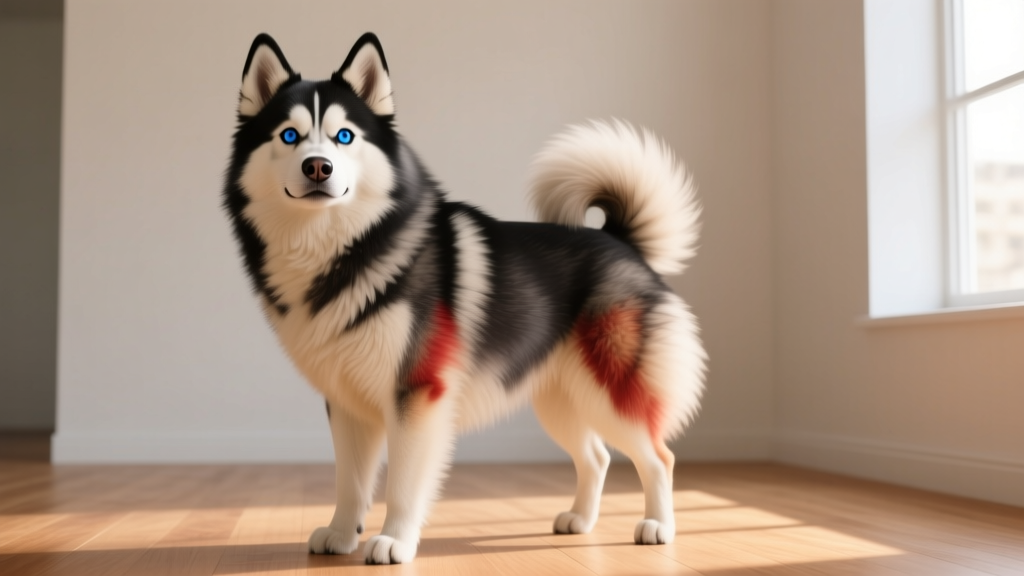
If you've been searching for a husky dog mixed with Pomeranian, you've likely encountered the name "Pomsky." This designer cross pairs the striking looks and bold personality of the Siberian Husky with the compact frame and spirited charm of the Pomeranian. The result can be a stunning, fluffy companion — but one that comes with significant variability and some serious care requirements that prospective owners need to understand before committing.
Unlike purebred dogs with predictable breed standards, a husky-Pomeranian mix can vary dramatically from one individual to the next. One puppy in a litter might weigh 10 pounds and look like a tiny Pomeranian, while a sibling could hit 35 pounds and resemble a miniature Husky. This guide breaks down exactly what to expect — and what might surprise you.
| Other Names | Pomsky |
| Weight Range | 10–35 lb (4.5–16 kg) |
| Height Range | 10–15 inches (25–38 cm) at the shoulder |
| Lifespan | 12–15 years (estimated) |
| Coat | Double coat, high shedding |
| Energy Level | Moderate to high |
| Family Fit | Active adults, experienced owners, families with older children |
Parent Breeds: What the Siberian Husky and Pomeranian Bring to the Mix
To understand what you might get from a husky dog mixed with Pomeranian, you need to understand both parent breeds individually. Every trait in a Pomsky puppy traces back to one of these two lines.
| Trait | Siberian Husky | Pomeranian |
|---|---|---|
| AKC Weight | 35–60 lb (16–27 kg) | 3–7 lb (1.4–3.2 kg) |
| AKC Height | 20–23.5 in (51–60 cm) | 6–7 in (15–18 cm) |
| Original Purpose | Sled pulling, endurance work | Companion, watchdog |
| Temperament | Friendly, independent, vocal, high prey drive | Alert, bold, loyal to owner, can be snappy |
| Coat | Dense double coat, heavy seasonal shedding | Harsh outer coat with soft undercoat, moderate shedder |
| Energy | Very high — needs 60–90+ min/day | Moderate — 30–45 min/day |
| Trainability | Intelligent but stubborn, low biddability | Smart, eager but can be willful |
| Lifespan | 12–14 years | 12–16 years |
According to the AKC Siberian Husky breed standard and the AKC Pomeranian breed standard, these two breeds sit at opposite ends of the size spectrum. That massive size gap is exactly why the resulting mix is so unpredictable — and why breeders typically use artificial insemination, with the Pomeranian as the dam is rare and often considered unsafe due to the size disparity.
Understanding Pomsky Generations: F1, F1B, F2, and Multigen
- F1 (First Generation): One purebred Siberian Husky parent × one purebred Pomeranian parent. Maximum genetic diversity but the most unpredictable in size, coat, and temperament. Puppies in a single F1 litter can range from 10 lb to 35 lb at maturity.
- F1B (First Generation Backcross): An F1 Pomsky bred back to one of the parent breeds — usually the Pomeranian to produce smaller dogs. Slightly more predictable, leaning toward the backcross parent's traits.
- F2 (Second Generation): Two F1 Pomskies bred together. This is where trait segregation becomes most dramatic — puppies can "throw back" to either grandparent breed in unexpected ways.
- F3 / Multigen: Two F2 (or later) Pomskies bred together. Breeders aiming for consistency work with multigen lines, but true stabilization takes 5+ generations of selective breeding. As of 2026, multigen Pomsky lines remain uncommon.
Most Pomskies available through breeders today are F1 or F1B. If a breeder claims to have "standardized" Pomskies, ask for documentation of at least three generations of selective breeding with health-tested dogs. The International Pomsky Association (IPA) maintains a registry and breed standard, but the Pomsky is not recognized by the AKC, UKC, or FCI.
Size, Appearance, and the Unpredictability Factor
The most common question from prospective owners: how big will a husky mixed with Pomeranian actually get? The honest answer is that it depends heavily on generation, which parent the puppy favors, and individual genetics.
| Generation | Expected Weight | Expected Height | Variability Level |
|---|---|---|---|
| F1 (Husky × Pomeranian) | 15–35 lb (7–16 kg) | 12–15 in (30–38 cm) | High — littermates can vary by 15+ lb |
| F1B (F1 × Pomeranian) | 10–20 lb (4.5–9 kg) | 10–13 in (25–33 cm) | Moderate — tends smaller |
| F1B (F1 × Husky) | 25–45 lb (11–20 kg) | 14–18 in (36–46 cm) | Moderate — tends larger |
| F2 / Multigen | 12–30 lb (5.5–14 kg) | 10–15 in (25–38 cm) | Varies widely without stabilized lines |
Most Pomskies land in the small-to-medium range — think 15 to 25 pounds for a typical F1B backcrossed to a Pomeranian. But F1 puppies can genuinely surprise you. I've seen F1 Pomskies that stayed under 12 pounds and others that pushed past 30.
Coat and Color Possibilities
Both parent breeds carry double coats, so virtually all Pomskies will have a double coat with a dense, soft undercoat and a longer, harsher outer coat. Colors can include:
- Black and white (Husky-patterned)
- Wolf sable / gray and white
- Red / orange (Pomeranian-leaning)
- Cream or white
- Merle (if merle genetics are present in either parent line — note: merle-to-merle breeding carries serious health risks)
- Parti-color or solid
Eye color is one of the most sought-after Pomsky traits. Blue eyes (from the Husky side), brown eyes, or heterochromia (one of each) are all possible. However, blue eyes in a dog with heavy Pomeranian influence are less common than in pure Huskies.
Temperament: What Personality Can You Expect?
Temperament in a husky dog mixed with Pomeranian is where the "designer dog lottery" really shows itself. Both parent breeds are vocal, intelligent, and strong-willed — but they express these traits differently.
You get a dog that combines the Husky's friendliness and social nature with the Pomeranian's alertness and devotion. The result: a playful, affectionate companion who is good with family members, enjoys being involved in activities, and makes an excellent watchdog without being excessively aggressive. Moderately energetic — happy with a 45-minute walk and some playtime.
You get a dog that inherits the Husky's prey drive, escape artistry, and howling alongside the Pomeranian's territorial snapping and separation anxiety. The result: a vocal, high-strung dog who chases cats, jumps fences, destroys furniture when left alone, and nips at children who move too quickly. This is not a rare outcome — it's a realistic possibility.
Trait Variability Breakdown
| Trait | Husky-Leaning | Pomeranian-Leaning | Blended / Middle |
|---|---|---|---|
| Vocalization | Howling, "talking," long vocalizations | Sharp barking, alert yapping | Mix of both — can be very noisy |
| Stranger Response | Overly friendly, poor guard dog | Suspicious, may bark or snap | Alert but warms up quickly |
| Prey Drive | High — will chase cats, small animals | Moderate — may chase squirrels | Varies; early socialization critical |
| Independence | Very independent, low biddability | Velcro dog, follows owner everywhere | Affectionate but not clingy |
| Children | Gentle but rambunctious, may knock over toddlers | Fragile, may snap if handled roughly | Best with children 8+ who understand dog manners |
Early socialization is non-negotiable. Enroll in a positive-reinforcement puppy class by 12 weeks of age, expose your Pomsky to diverse people, sounds, surfaces, and other vaccinated dogs during the critical socialization window (3–14 weeks), and continue structured socialization through the first year. Force-free, reward-based methods work best — both parent breeds shut down or become resistant under harsh training.
Health Considerations: The Hybrid Vigor Myth vs. Reality
One of the most persistent misconceptions about designer dogs is that "hybrid vigor" eliminates all health problems. Here's the reality: while crossbreeding can reduce the risk of recessive genetic disorders that are concentrated within a single breed's gene pool, it does not provide immunity from inherited conditions. A husky dog mixed with Pomeranian can inherit health issues from either parent breed.
Conditions Inherited from the Husky Side
- Hip dysplasia: Malformation of the hip joint. Prevalence in Siberian Huskies is approximately 5–7% based on Orthopedic Foundation for Animals (OFA) data. Can lead to arthritis and mobility issues.
- Progressive retinal atrophy (PRA): A group of degenerative eye diseases leading to blindness. DNA tests are available for several PRA forms.
- Corneal dystrophy: Clouding of the cornea that can impair vision. Huskies are among the predisposed breeds.
- Hypothyroidism: Autoimmune thyroiditis is documented in Siberian Huskies at higher-than-average rates.
Conditions Inherited from the Pomeranian Side
- Patellar luxation: The kneecap slips out of position. Very common in small breeds — the OFA reports Pomeranians have a patellar luxation rate around 6–8%.
- Tracheal collapse: Weakening of the tracheal cartilage causing a honking cough. Pomeranians are among the most affected breeds. Use a harness instead of a collar to reduce neck pressure.
- Dental disease: Small mouths crowd teeth, accelerating plaque buildup and periodontal disease. Expect to brush teeth daily and budget for professional dental cleanings ($300–$800 per procedure under anesthesia).
- Hypoglycemia: Low blood sugar, particularly in puppies under 6 months. Small Pomsky puppies may need frequent feeding schedules.
Conditions Both Breeds Share
- Allergies and skin conditions: Both breeds are prone to environmental and food allergies. Symptoms include paw licking, ear infections, and hot spots.
- Cataracts: Both breeds can develop cataracts, sometimes at a young age (hereditary juvenile cataracts in Huskies).
- Obesity: Particularly if exercise needs are unmet. A body condition score (BCS) of 4–5 on the 9-point scale is ideal.
Responsible breeders should provide OFA or PennHIP hip certifications (for the Husky parent), OFA patella evaluations (for the Pomeranian parent), and recent CERF/OFA eye exam results for both parents. Budget $200–$400 for a comprehensive genetic health screening panel (such as Embark for Breeders) if you're working with a breeder who hasn't already done this.
Grooming, Shedding, and the Hypoallergenic Question
Let's address this directly: the husky-Pomeranian mix is NOT hypoallergenic. Neither parent breed is low-shedding. Both have double coats that shed year-round and "blow" their undercoat in dramatic seasonal shedding events, typically in spring and fall.
If you have dog allergies, a Pomsky is a poor choice. The allergen protein (Can f 1) is present in dander, saliva, and urine — and a double-coated, heavy-shedding dog will distribute it liberally throughout your home.
Grooming Routine for a Pomsky
| Task | Frequency | Tools Needed | Estimated Cost (Professional) |
|---|---|---|---|
| Brushing | 3–5 times/week (daily during coat blow) | Undercoat rake, slicker brush, metal comb | DIY — $15–$30 for tools |
| Bathing | Every 6–8 weeks (over-bathing strips coat oils) | Dog-specific shampoo, high-velocity dryer | $50–$90 at groomer |
| Nail trimming | Every 2–4 weeks | Guillotine or scissor clippers, styptic powder | $10–$20 at groomer/vet |
| Dental care | Daily brushing, annual vet cleaning | Dog toothbrush, enzymatic toothpaste | $300–$800 per professional cleaning |
| Ear cleaning | Weekly check, clean as needed | Veterinary ear cleaner, cotton balls | DIY — $8–$15 for cleaner |
Never shave a Pomsky's coat. The double coat provides insulation against both heat and cold, and shaving can damage the coat permanently — it may grow back patchy, cottony, or not at all. This condition, sometimes called post-clipping alopecia, is particularly common in spitz-type breeds. If the coat becomes matted, work through it with a dematting tool and conditioner, or see a professional groomer.
Cost Breakdown: Puppy Price and Lifetime Ownership
Pomskies are among the more expensive designer breeds due to the breeding challenges involved. Because of the extreme size difference between the parent breeds, natural mating is often impractical or unsafe. Breeders typically use artificial insemination, and the larger Husky is usually the sire (father) while the Pomeranian serves as the dam — though some breeders reverse this with F1B or smaller Husky lines.
Puppy Purchase Price (2026 Estimates)
| Source | Price Range | What to Expect |
|---|---|---|
| Reputable breeder (health-tested parents, F1/F1B) | $2,000–$5,000 | Health guarantees, early socialization, OFA/DNA results, take-back clause |
| High-demand breeder (rare colors, "teacup" marketing) | $5,000–$8,000+ | Often overpriced; "teacup" breeding can involve unhealthy runts — approach with caution |
| Backyard breeder / online marketplace | $500–$1,500 | No health testing, no guarantees, higher risk of inherited disease and behavioral issues |
| Rescue / shelter | $100–$500 | Rare but possible — check breed-specific rescues for Husky and Pomeranian mixes |
First-Year Estimated Costs
- Puppy purchase: $2,000–$5,000 (from a reputable breeder)
- Initial veterinary exams + vaccinations (DHPP, rabies, bordetella): $400–$800
- Spay/neuter: $300–$700
- Supplies (crate, harness, leash, bowls, grooming tools, bed): $250–$500
- High-quality food (AAFCO complete and balanced): $300–$600/year
- Pet insurance (recommended): $40–$80/month ($480–$960/year)
- Training classes (puppy + basic obedience): $200–$500
- Grooming (if professional): $300–$600/year
- Total first-year estimate: $4,230–$9,660
Ongoing annual costs after the first year typically run $1,500–$3,500 depending on your region, insurance plan, and grooming choices.
Exercise, Training, and Daily Life With a Pomsky
Exercise needs depend on which parent the dog favors. A Husky-leaning Pomsky will need 60+ minutes of physical activity daily, including structured walks, off-leash play in a secure area, or activities like cani-cross (dog running alongside you) or flirt pole sessions. A Pomeranian-leaning Pomsky may be satisfied with 30–45 minutes of walking and indoor play.
Plan for the higher end. Under-exercised dogs from working breed lines develop destructive behaviors — chewing, digging, excessive vocalization, and escape attempts.
Training Essentials
Both parent breeds are intelligent but not naturally biddable (eager to obey). This means:
- Use positive reinforcement exclusively. High-value treats (freeze-dried liver, chicken, cheese), toy rewards, and play. Never use shock collars, prong collars, or physical punishment — these methods damage trust and can trigger fear-based aggression in sensitive dogs.
- Keep sessions short. 5–10 minutes, 2–3 times daily, works better than one long session.
- Recall training is critical. Huskies are notorious runners. A Pomsky with Husky-leaning prey drive should never be trusted off-leash in an unsecured area. Invest in a long-line (15–30 ft training leash) for recall practice.
- Crate train early. Both breeds can develop separation anxiety. A crate provides a safe den and prevents destructive behavior when you're away. Gradually build alone-time tolerance starting at 5-minute intervals.
- Address resource guarding early. If your Pomsky stiffens, growls, or snaps when approached while eating or chewing a toy, consult a certified professional dog trainer (CPDT-KA or IAABC-credentialed) for counter-conditioning protocols.
Who Should (and Shouldn't) Get a Husky-Pomeranian Mix?
- You have prior experience with spitz-type or high-energy breeds
- You live in a house with a securely fenced yard (6-foot fence minimum for Husky-leaning dogs — they are climbers and diggers)
- Your children are 8+ and understand how to interact gently with dogs
- You work from home or can arrange midday visits — these dogs don't do well with 8+ hours alone
- You don't mind dog hair on everything
- You enjoy an active lifestyle with daily outdoor time
- You're prepared for a vocal dog in an apartment (check noise policies)
- You're a first-time dog owner with no training experience
- You have toddlers or very young children
- You or a household member has dog allergies
- You want a calm, low-energy lap dog
- You live in an apartment with thin walls and noise restrictions
- You're away from home 10+ hours daily
- You have cats or small pets (high prey drive risk)
Frequently Asked Questions
What two breeds make up a Pomsky?
A Pomsky is a cross between a Siberian Husky and a Pomeranian. These are the only two breeds involved. Some unethical sellers may misrepresent other spitz-type mixes as Pomskies, so always request parent breed documentation and, ideally, DNA verification through a service like Embark or Wisdom Panel.
How big will a husky mixed with Pomeranian get?
Most Pomskies weigh between 15 and 25 lb (7–11 kg) and stand 10 to 15 inches (25–38 cm) at the shoulder. However, F1 puppies from a full-size Husky parent can reach 30–35 lb, while F1B puppies backcrossed to a Pomeranian may stay as small as 10 lb. Ask the breeder for the parents' exact weights to estimate your puppy's adult size.
Is a husky-Pomeranian mix hypoallergenic or low-shedding?
No. Both parent breeds have double coats that shed significantly. Pomskies shed year-round and experience heavy seasonal "coat blows" once or twice a year. They are not suitable for allergy sufferers.
What health issues might a Pomsky inherit?
Key concerns include hip dysplasia (Husky side), patellar luxation (Pomeranian side), progressive retinal atrophy, tracheal collapse, dental disease, allergies, and hypothyroidism. Reputable breeders screen parent dogs through OFA evaluations and DNA testing. Always consult your veterinarian to establish a health screening plan for your individual dog.
How much does a Pomsky cost?
From a reputable breeder, expect to pay $2,000–$5,000 for a health-tested Pomsky puppy. Prices above $5,000 often reflect marketing for rare colors or "teacup" sizes rather than better breeding practices. Rescue adoption fees for Husky or Pomeranian mixes typically range from $100–$500.
Can Pomskies live in apartments?
It's possible but challenging. The main obstacles are noise (both breeds are vocal) and exercise needs. If your Pomsky leans toward the Husky side, apartment life requires a serious commitment to daily exercise and mental stimulation. Check your lease for breed and weight restrictions, and consider whether neighbors will tolerate a dog that howls or barks frequently.
Do Pomskies get along with other dogs?
Generally yes, especially if socialized from puppyhood. Huskies tend to be dog-friendly, while Pomeranians can be more selective. Same-sex aggression is occasionally seen. Introduce new dogs gradually on neutral territory and supervise initial interactions.
How long do Pomskies live?
The estimated lifespan is 12–15 years, drawing from both parent breeds' typical longevity. Smaller dogs tend to live longer, so a Pomeranian-leaning Pomsky may reach 15–16 years, while a larger, Husky-leaning dog may be closer to 12–14 years. Regular veterinary care, maintaining a healthy body condition score, and dental hygiene all contribute to lifespan.
Marcus Aldridge
All our authors care for dogs every day — read more of their work on the authors page.


