Great Dane Zeus: The Record-Breaking Giant Breed Guide
Everything about the Great Dane breed, from Zeus the record-holder to care, health, costs, and temperament. A complete giant breed guide for owners.
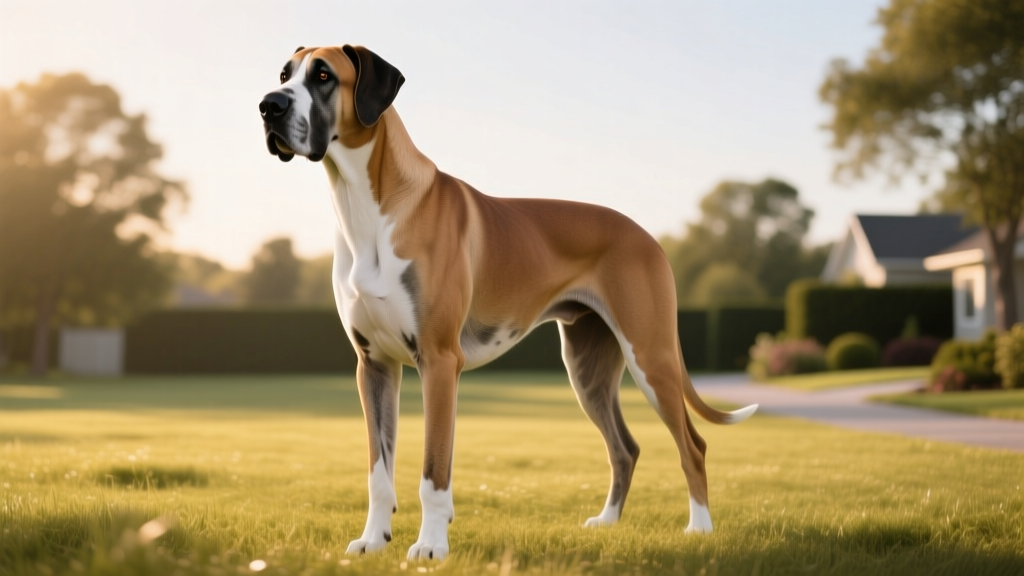
The Legacy of Great Dane Zeus and the World's Tallest Dog Breed
When people search for "Great Dane Zeus," they're usually thinking of one extraordinary dog: Zeus, a Great Dane from Otsego, Michigan, who was officially measured by Guinness World Records at 44 inches (111.8 cm) tall at the shoulder and could stand 7 feet 4 inches (223.5 cm) on his hind legs. Zeus held the title of world's tallest dog from 2011 until his passing in 2014 at age 5. His owner, Denise Doorlag, reported that Zeus ate roughly 30 pounds of food every two weeks and required a custom-built bed.
But Zeus wasn't an anomaly in breed — he was an extreme expression of what the Great Dane already is: the Apollo of dogs, a giant breed with a gentle disposition and a commanding physical presence. Whether you're drawn to this breed because of Zeus's fame or you're simply researching giant breeds, this guide covers everything you need to know about owning a Great Dane in practical, real-world terms.
The Great Dane originated in Germany — not Denmark, despite the name — where they were bred in the 1600s and 1700s as boarhounds (Deutsche Dogge) for hunting wild boar on noble estates. The breed combined the speed of sighthounds with the power of mastiff-type dogs. By the late 1800s, the Great Dane had transitioned from hunting companion to estate guardian and family dog. The American Kennel Club recognized the breed in 1887, and it has remained consistently popular in the U.S. ever since.
| Attribute | Details |
|---|---|
| Size Class | Giant |
| Weight (Male) | 140–175 lb / 63.5–79.4 kg |
| Weight (Female) | 110–140 lb / 49.9–63.5 kg |
| Height (Male) | 30–32 inches / 76–81 cm at the shoulder |
| Height (Female) | 28–30 inches / 71–76 cm at the shoulder |
| Lifespan | 7–10 years (median: 8.5 years) |
| Coat Type | Short, smooth, single coat |
| Recognized Colors | Fawn, brindle, blue, black, harlequin, mantle, merle |
| Energy Level | Moderate (lower than expected for size) |
| AKC Group | Working Group |
Temperament and Personality: What Living With a Great Dane Is Really Like
Great Danes are consistently described by owners and breed specialists with a specific set of behavioral traits. Here's what you can expect in a well-socialized adult:
1. Gentle leaning and physical contact-seeking. Great Danes are notorious "leaners." They will press their full body weight against your legs, sit on your feet, and attempt to climb into laps despite weighing 150 pounds. This isn't dominance — it's contact-seeking behavior rooted in the breed's history as a close-working companion dog. Expect your Dane to follow you from room to room.
2. Low reactivity with high situational awareness. Unlike many guarding breeds, Great Danes tend to observe before reacting. They'll watch a stranger enter your home with alertness but rarely escalate to aggression without cause. Their size alone is usually a sufficient deterrent. Most Danes will position themselves between their owner and an unfamiliar person rather than bark or lunge.
3. Moderate play drive with short bursts of energy. A Great Dane's idea of exercise is often a 20-minute walk followed by sprawling on the couch. They have what breed enthusiasts call "sprint-and-snooze" energy: brief periods of enthusiastic play (zoomies in the yard, fetching a ball) followed by extended rest. They are not endurance athletes.
4. Sensitivity to household tension. Great Danes are emotionally attuned to their owners. Harsh corrections, yelling, or chaotic household environments can cause a Dane to shut down, become avoidant, or develop stress-related behaviors like excessive licking or pacing. This breed thrives on calm, predictable routines.
5. Same-sex aggression potential (especially males). Intact male Great Danes can display dog-aggression toward other males, particularly large breeds. Neutering reduces but doesn't always eliminate this tendency. Multi-dog households with Great Danes often pair a male with a female for best results.
Exercise and Activity Requirements: Minutes, Not Marathons
Despite their massive frame, Great Danes require less exercise than most people assume. The key is structured, moderate activity that protects developing joints in young dogs and maintains lean muscle mass in adults.
| Life Stage | Daily Exercise | Recommended Activities | Restrictions |
|---|---|---|---|
| Puppy (2–6 months) | 5 minutes per month of age, twice daily (e.g., 15 min walks at 3 months) | Leash walks on soft surfaces, free play in fenced yard | No forced running, no stairs repetition, no jumping from heights |
| Adolescent (6–18 months) | 30–45 minutes total | Leash walks, gentle hiking on flat terrain, swimming | No jogging alongside bikes, no agility equipment, avoid hard surfaces |
| Adult (18 months–6 years) | 45–60 minutes total | Two 20–30 min leash walks, off-leash yard time, swimming, light hiking | Avoid exercise 1 hour before and 2 hours after meals (bloat risk) |
| Senior (6+ years) | 20–30 minutes, adjusted to comfort | Short leash walks, gentle swimming, indoor mobility exercises | Watch for stiffness, reduce duration in cold weather |
Critical timing rule: Never exercise a Great Dane within one hour before or two hours after eating. Gastric dilatation-volvulus (GDV), commonly called bloat, is the number one killer of the breed. A full stomach combined with physical activity dramatically increases the risk of the stomach twisting on itself — a surgical emergency with a 15–30% mortality rate even with treatment.
Health Issues: What Great Dane Owners Must Prepare For
The Great Dane's lifespan of 7–10 years reflects the breed's significant health burden. Giant breeds age faster than smaller dogs, and Danes are predisposed to several serious conditions. According to the Merck Veterinary Manual, responsible breeding with health screening has improved outcomes, but prospective owners should budget for these risks.
| Condition | Prevalence | Onset | Treatment Cost Range | Prognosis |
|---|---|---|---|---|
| Gastric Dilatation-Volvulus (GDV/Bloat) | ~5.3% of Great Danes (highest of any breed) | Any age, peak 3–7 years | $3,000–$7,000 emergency surgery | Guarded; 15–30% mortality even with surgery |
| Dilated Cardiomyopathy (DCM) | Estimated 8–15% lifetime risk | Typically 4–8 years | $500–$1,500/year for cardiac medications and monitoring | Poor once clinical signs appear; 6–24 months average survival with treatment |
| Hip Dysplasia | ~12% based on OFA data | Can manifest 6–24 months; worsens with age | $3,500–$7,000 per hip for total hip replacement | Good with surgical intervention; managed with weight control and NSAIDs otherwise |
| Wobbler Syndrome (Cervical Vertebral Instability) | ~3–5% breed-specific | Young adults (1–3 years) or seniors (6+) | $5,000–$10,000 for surgical decompression/stabilization | Variable; 50–80% improvement with surgery depending on severity |
| Osteosarcoma (Bone Cancer) | Great Danes are 2x more likely than average | Typically 6–9 years | $5,000–$10,000 (amputation + chemotherapy) | Poor; median survival 10–12 months with treatment |
Preventive gastropexy: Many Great Dane owners elect to have a prophylactic gastropexy performed at the time of spay/neuter (typically 12–18 months). This surgical procedure tacks the stomach to the abdominal wall, preventing it from twisting even if it fills with gas. It does not prevent bloat (gastric dilatation) but prevents the volvulus (twist) that makes GDV fatal. Cost: $400–$800 when combined with a planned surgery. Discuss this with your veterinarian — it is one of the most impactful preventive decisions a Dane owner can make.
Cardiac screening: The Great Dane Club of America recommends annual echocardiograms starting at age 2. A baseline echocardiogram costs $300–$500 and can detect early DCM before clinical symptoms (coughing, exercise intolerance, fainting) appear. Early detection with medications like pimobendan can extend quality of life significantly.
- Distended, hard abdomen with unproductive retching (bloat/GDV)
- Sudden collapse or inability to stand
- Rapid, labored breathing or blue-tinged gums
- Sudden hind-end weakness or dragging rear legs (Wobbler syndrome)
- Lameness in a single front leg that doesn't improve in 48 hours (osteosarcoma warning)
Training and Intelligence: Methods That Work for a 150-Pound Dog
Great Danes rank as moderately trainable — they're intelligent but not biddable in the way a Border Collie or Golden Retriever is. They learn quickly but may not see the point of repeating a command they've already mastered. Think of training a Dane less like drilling a soldier and more like negotiating with a large, thoughtful roommate.
Recommended approach: Positive reinforcement with high-value food rewards. Dane puppies respond well to small, soft treats (Zuke's Mini Naturals or freeze-dried liver work well). Keep training sessions to 5–10 minutes maximum — their attention span is shorter than their body suggests.
Priority commands for Great Danes:
- Loose-leash walking — A 150-pound dog that pulls is dangerous and exhausting. Start leash training at 8 weeks with a front-clip harness (such as the Freedom No-Pull Harness or Ruffwear Front Range). Never use a prong collar or shock collar on this breed; their sensitivity means aversive tools cause psychological damage and erode trust.
- "Off" and "Down" — A Dane that jumps on people can injure children or elderly visitors. Teach "off" (all four feet on the floor) early and reward heavily.
- "Wait" at doors — A Great Dane that bolts through an open door is extremely difficult to physically retrieve. Impulse control training is non-negotiable.
- Settle/mat training — Teach your Dane to go to a designated mat or bed and stay there. This gives them a job during meals, visitors, or chaotic household moments.
Socialization window: The critical socialization period for puppies closes around 14–16 weeks. For Great Danes, this window is especially important because an unsocialized 130-pound adult dog is extremely difficult to manage in public. Expose your Dane puppy to varied surfaces, people (hats, beards, wheelchairs, children), other dogs, car rides, and handling exercises during this period. The AVMA recommends structured socialization for all breeds but emphasizes its importance in giant breeds where behavioral problems become safety issues.
Grooming: Low-Maintenance Coat, High-Maintenance Drool
The Great Dane's short, single coat is one of the easiest in the dog world to maintain. Here's a realistic grooming schedule:
- Brushing: Once weekly with a rubber curry brush (Kong ZoomGroom or similar) to remove loose hair and distribute skin oils. During seasonal shedding in spring and fall, increase to 2–3 times per week.
- Bathing: Every 6–8 weeks, or as needed. The challenge isn't technique — it's logistics. You'll need a walk-in shower, an outdoor bathing station, or a professional groomer equipped for giant breeds. Professional grooming for a Great Dane typically costs $80–$150 per session.
- Nail trimming: Every 2–3 weeks. Great Dane nails grow quickly, and overgrown nails on a heavy dog contribute to splayed feet and joint stress. Use a heavy-duty guillotine-style clipper or a Dremel pet nail grinder. If you hear clicking on hard floors, the nails are too long.
- Ear cleaning: Weekly. Great Danes with natural (uncropped) ears are prone to ear infections due to the floppy ear flap trapping moisture. Clean with a veterinary ear wash (Epi-Otic or Vet Basics) and dry thoroughly.
- Drool management: This is the grooming task no one warns you about adequately. Great Danes are moderate-to-heavy droolers, especially after drinking, eating, or exercising. Keep drool towels in every room. Some owners use a "drool bib" or bandana during meals. Furniture and walls near the dog's head height will accumulate drool spray — wipe down surfaces regularly.
Family Suitability: Kids, Other Pets, and Living Spaces
With children: Great Danes are generally excellent with children when properly socialized. Their temperament is patient and tolerant. However, a Dane puppy's clumsy, unaware body can knock over a toddler simply by turning around. Supervision is mandatory until both the child and the dog have matured. Teach children never to climb on, ride, or pull the ears/tail of any dog. Great Danes are best matched with families that have children aged 6 and older, or families committed to constant supervision with younger kids.
With other pets: Danes raised with cats and smaller dogs from puppyhood typically coexist peacefully. Their prey drive is low compared to many breeds. Same-sex dog aggression (particularly between intact males) is the most common compatibility issue. Spaying/neutering and careful introductions help. Avoid pairing two intact male giant breeds in the same household.
Apartment living: Surprisingly, Great Danes adapt to apartment life better than many medium-sized breeds. Their indoor energy is low — they're essentially large lap dogs inside the home. The challenges are logistical: you need ground-floor access or an elevator (carrying 150 pounds up stairs if they develop mobility issues is impossible), enough floor space for a giant-sized bed (48×36 inches minimum), and nearby outdoor space for walks. Many apartment complexes have breed or weight restrictions — check your lease before committing.
Pros of Owning a Great Dane
- Gentle, affectionate temperament with strong family bonds
- Low indoor energy — excellent house companions
- Minimal grooming needs for a large dog
- Naturally protective without aggression training
- Good with children when socialized
- Quiet breed — rarely nuisance barking
Cons of Owning a Great Dane
- Short lifespan (7–10 years) with high risk of serious disease
- Very high food costs ($100–$180/month)
- Large veterinary bills — everything costs more for a giant breed
- Drool and shedding require constant household maintenance
- Puppies are destructive and physically overwhelming for 18+ months
- Emergency transport requires a vehicle that fits a giant crate or stretcher
Cost of Ownership: Budgeting for a Giant Breed in 2026
Owning a Great Dane is significantly more expensive than owning an average-sized dog. Every product, medication, and veterinary procedure costs more because dosages and sizes scale with body weight.
| Expense Category | First-Year Cost | Annual Cost (Years 2+) |
|---|---|---|
| Puppy purchase (responsible breeder) | $2,000–$4,500 | N/A |
| Adoption (breed-specific rescue) | $400–$800 | N/A |
| Food (premium large-breed kibble or balanced raw) | $1,200–$2,200 | $1,200–$2,200 |
| Veterinary care (routine + preventives) | $800–$1,500 | $600–$1,200 |
| Heartworm/flea/tick prevention (weight-based dosing) | $300–$500 | $300–$500 |
| Pet insurance (giant breed premium) | $900–$1,800 | $900–$1,800 |
| Supplies (giant crate, XL bed, harnesses, bowls) | $500–$1,000 | $150–$300 (replacement) |
| Grooming (professional, if needed) | $400–$900 | $400–$900 |
| Training (puppy classes + ongoing) | $300–$800 | $100–$300 |
| Total Estimated | $6,400–$13,200 | $3,650–$7,200/year |
Emergency fund recommendation: Set aside $5,000–$10,000 specifically for potential GDV surgery, cardiac treatment, or orthopedic intervention. If you opt for pet insurance, choose a plan with no payout caps — many standard plans cap at $5,000–$10,000 per incident, which a single Great Dane emergency can exceed. Companies like Trupanion and Healthy Paws offer unlimited annual payouts that are worth the higher premium for this breed.
Is a Great Dane Right for You? First-Time Owner Assessment
Great Danes are possible for first-time owners but are not the ideal beginner breed. Here's an honest framework for evaluating your readiness:
A Great Dane may be right for you if:
- You've researched the breed's health risks and have a financial plan for emergencies
- You can commit to daily 45–60 minute walks and have access to outdoor space
- You're prepared for a 7–10 year commitment with likely end-of-life care costs in the $2,000–$5,000 range
- You have a vehicle large enough to transport a 150+ pound dog to the vet (SUV or hatchback with fold-down seats)
- You're committed to positive reinforcement training and can enroll in puppy classes within the first month
Consider a different breed if:
- You're renting with breed/weight restrictions or frequent moves ahead
- Your household budget can't absorb a $5,000+ emergency vet bill
- You want a dog that can jog with you, hike all day, or do competitive dog sports
- You're bothered by drool, shedding, or large dog hair on furniture
- You have very young children and cannot supervise all interactions for the first 2 years
If you're drawn to the Great Dane's temperament but want a more manageable size, consider the Irish Wolfhound (similar gentle giant personality, slightly smaller at 120–155 lb) or the Standard Poodle (highly trainable, 45–70 lb, longer lifespan of 12–15 years). Both share the Dane's people-oriented nature with fewer giant-breed health risks.
Frequently Asked Questions
How big does a Great Dane get compared to Zeus?
Zeus was an extreme outlier at 44 inches at the shoulder. The breed standard calls for males at 30–32 inches and females at 28–30 inches. Most adult male Great Danes weigh 140–175 lb (63.5–79.4 kg) and stand 30–32 inches tall. Zeus's height was comparable to a Great Dane being over 35% taller than the breed standard — the equivalent of a human being over 8 feet tall. While impressive, extreme size comes with amplified health risks, particularly joint stress and cardiac strain.
How much exercise does a Great Dane need daily?
Adult Great Danes need 45–60 minutes of moderate exercise per day, ideally split into two 20–30 minute leash walks. Puppies need much less — follow the "5 minutes per month of age" rule for structured walks. Avoid high-impact activities (running on hard surfaces, jumping, agility) until growth plates close at approximately 18–24 months. Swimming is the best all-around exercise for the breed at any age.
What health problems are Great Danes most prone to?
The five most significant breed-specific health risks are gastric dilatation-volvulus (bloat), dilated cardiomyopathy, hip dysplasia, Wobbler syndrome, and osteosarcoma. GDV is the most immediately life-threatening — Great Danes have the highest breed-specific incidence at approximately 5.3%. Prophylactic gastropexy surgery and feeding practices (multiple small meals, slow-feeder bowls, no exercise around mealtimes) reduce risk. Always consult your veterinarian about a screening schedule tailored to your individual dog.
Are Great Danes good with children and other pets?
Well-socialized Great Danes are typically excellent with children — patient, gentle, and tolerant. The main concern is accidental injury from a clumsy puppy or an adolescent Dane that doesn't know its own size. Supervise all interactions with children under 6. With other pets, Danes raised alongside cats and smaller dogs usually coexist well. Same-sex dog aggression (especially between intact males) is the most common social challenge.
How much does a Great Dane cost to buy and maintain annually?
Puppy prices from responsible breeders range from $2,000 to $4,500, while breed-specific rescues charge $400–$800. Annual maintenance costs run $3,650–$7,200, with food alone costing $100–$180 per month. The first year is the most expensive at $6,400–$13,200 when including initial supplies, vaccinations, and spay/neuter. Emergency veterinary care for breed-specific conditions can add $5,000–$10,000+ in any given year.
Is a Great Dane a good first dog?
Great Danes are possible for dedicated first-time owners but are not the easiest starter breed. Their gentle temperament helps, but their size makes management mistakes consequential (a poorly trained 150-lb dog is a safety risk), their health issues require financial preparedness, and their short lifespan means first-time owners face end-of-life decisions sooner than with longer-lived breeds. If you're committed to the research and budget, a Dane can be a wonderful first dog — but consider fostering one through a rescue first to test the reality of daily life with the breed.
Marcus Aldridge
All our authors care for dogs every day — read more of their work on the authors page.


