15 Essential German Shepherd Facts Every Prospective
Discover 15 essential German Shepherd facts covering temperament, health risks, exercise needs, costs, and whether this iconic breed fits your lifestyle.
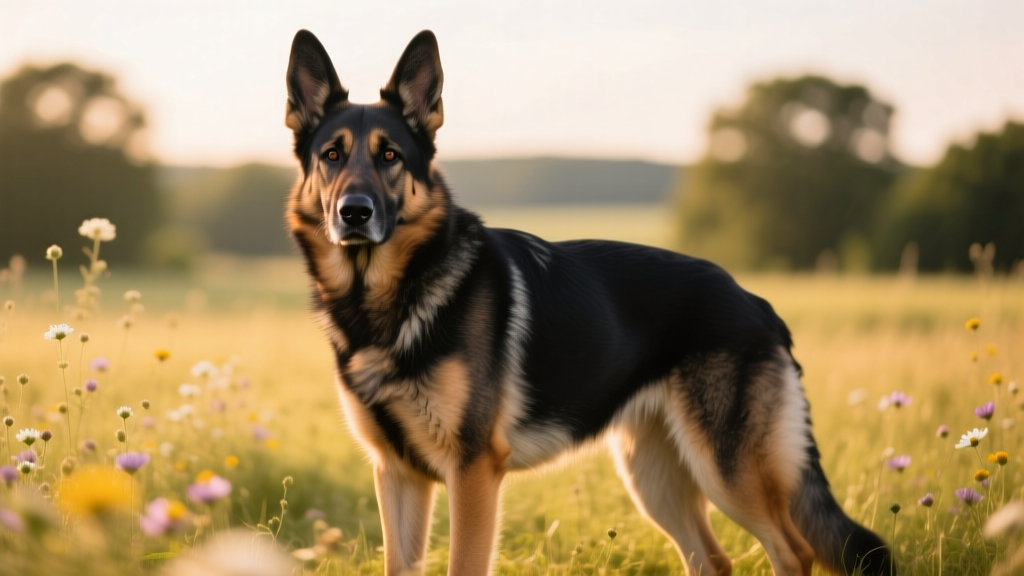
If you've spent any time researching large working breeds, you've likely encountered a flood of German Shepherd facts — some accurate, some wildly misleading. As one of the most recognizable breeds in the United States (consistently ranking in the AKC's top 5 most registered breeds), the German Shepherd Dog (GSD) attracts devoted fans and wary skeptics in equal measure.
This guide cuts through the noise with data-backed, breed-specific information drawn from veterinary literature, breed registries, and real-world ownership experience. Whether you're considering your first GSD or adding one to a multi-dog household, these facts will help you make an informed decision.
Breed Overview: Origin, Classification, and Lifespan
The German Shepherd Dog was developed in Germany in the late 1800s by Captain Max von Stephanitz, who founded the Verein für Deutsche Schäferhunde (SV) in 1899. Von Stephanitz's goal was to create the ultimate herding and working dog — a breed that combined intelligence, athleticism, and trainability in one versatile package. The first registered GSD, Horand von Grafrath, became the foundation sire for the entire breed.
Originally bred for herding sheep in the varied terrain of rural Germany, the GSD quickly proved its worth in police work, military service (notably in both World Wars), search and rescue, and as guide dogs for the visually impaired. Today, the breed serves in roles ranging from active-duty military and law enforcement to competitive dog sports, therapy work, and devoted family companionship.
| Attribute | Details |
|---|---|
| Size Class | Large |
| Weight (Male) | 65–90 lb / 29–41 kg |
| Weight (Female) | 50–70 lb / 23–32 kg |
| Height (Male) | 24–26 inches / 61–66 cm at the withers |
| Height (Female) | 22–24 inches / 56–61 cm at the withers |
| Lifespan | 7–10 years (median approximately 9.5 years) |
| Coat Type | Double coat; medium-length (standard) or long-haired variety |
| AKC Group | Herding Group |
| Energy Level | High |
| Trainability | Exceptional (rated among top 3 most trainable breeds) |
The AKC breed standard specifies these measurements, though working-line dogs from European bloodlines may fall slightly outside these ranges. The lifespan of 7–10 years is shorter than many breeds of similar size, largely due to the breed's predisposition to certain serious health conditions discussed below.
Temperament and Personality: Beyond the "Loyal Protector" Label
Calling a German Shepherd "loyal" is like calling the ocean wet — technically accurate but missing the full picture. The GSD temperament is far more nuanced than a single adjective, and understanding these core traits is essential before bringing one home.
Confident aloofness with strangers. Unlike a Golden Retriever that greets every visitor like a long-lost friend, a well-socialized GSD typically observes newcomers with calm detachment. They don't immediately seek affection from strangers, but they also shouldn't display unprovoked fear or aggression. This trait makes them excellent natural watchdogs — they'll alert you to unusual activity without requiring any special training.
Intense handler focus. German Shepherds bond deeply with their primary people and are remarkably attuned to human body language and emotional states. This sensitivity makes them excel at tasks like service dog work and emotional support roles. However, it also means they're prone to separation distress if left alone for long periods without proper conditioning. A GSD that spends 10+ hours daily in a crate is a recipe for anxiety-driven destruction.
High play drive and prey drive. Most GSDs exhibit strong chase instincts — they'll pursue squirrels, joggers, cyclists, and moving vehicles unless taught impulse control. This drive is the same trait that makes them excel at agility, bite sports (Schutzhund/IGP), and herding trials. In a family setting, it means small pets (cats, rabbits, chickens) require careful, supervised introductions, and some GSDs may never be fully trustworthy with them.
Problem-solving persistence. A bored German Shepherd is a destructive German Shepherd. These dogs will figure out how to open gates, unzip backpacks, raid countertops, and dig escape tunnels under fences. Their intelligence isn't passive — it demands engagement. Owners who want a dog that quietly naps all day should look elsewhere.
Protective instinct. GSDs have a natural inclination to guard their family and territory. This is not the same as aggression — a well-bred, properly socialized GSD can distinguish between genuine threats and normal daily interactions. However, poor breeding, inadequate socialization, or aversive training methods can amplify protective tendencies into fear-based reactivity.
Physical Characteristics: Build, Coat, and Color Variations
The German Shepherd is a large, athletic working dog with a distinctive silhouette: a slightly domed forehead, long muzzle, erect ears, and a sloping topline that descends from the withers to a low-set, bushy tail. The breed standard calls for a body that is longer than it is tall, giving the GSD a rectangular outline when viewed from the side.
Coat types: The standard GSD coat is a medium-length double coat — a dense, harsh outer coat over a thick, soft undercoat. This combination provides weather resistance and insulation. A long-haired variety also exists (recognized by the AKC since 2016 as a fault in conformation but registrable), featuring longer fur with feathering on the ears, legs, and tail. Both coat types shed heavily year-round with intense seasonal "blowing" periods in spring and fall.
Color variations: The most recognized coloration is the classic black and tan saddle pattern, but GSDs come in several accepted colors including sable (agouti — banded hairs giving a wolf-gray appearance), all-black, black and red, and bi-color (predominantly black with tan points). White German Shepherds exist but are disqualified from AKC conformation showing; they are a separate lineage sometimes registered with the UKC as "White Shepherds." Panda Shepherds (a rare piebald mutation) also appear occasionally.
Show line vs. working line differences: American and West German show-line GSDs tend to have more extreme hindquarter angulation (the sloping rear), while East German (DDR/Czech) working lines typically have a straighter back, heavier bone, and often a darker sable or black coat. Working-line dogs generally have higher drive and energy, making them better suited for sport and protection work but potentially more challenging as casual family pets.
Exercise and Activity Requirements: What 90+ Minutes Daily Actually Looks Like
German Shepherds need a minimum of 90 to 120 minutes of structured physical and mental activity per day. This is not optional — it's a biological requirement for a breed developed to work 12-hour days herding sheep across rugged terrain.
| Activity Type | Duration | Purpose |
|---|---|---|
| Brisk leash walk or jogging | 30–45 minutes | Cardiovascular exercise, environmental enrichment |
| Off-leash running/hiking (safe area) | 20–30 minutes | Free movement, muscle development |
| Structured training session | 15–20 minutes | Mental stimulation, obedience reinforcement |
| Interactive play (fetch, flirt pole, tug) | 15–20 minutes | Prey drive outlet, bonding |
| Scent work or puzzle toys | 10–15 minutes | Cognitive enrichment, calming activity |
For high-drive working-line GSDs, 120 minutes may still be a minimum. These dogs thrive with a "job" — whether that's competitive obedience, nose work, agility, herding, tracking, or IGP (protection sport). A GSD that receives only backyard time and a 15-minute walk will almost certainly develop problem behaviors: excessive barking, destructive chewing, obsessive pacing, or hyperactivity indoors.
Puppy exercise caution: Growing GSD puppies (under 18 months) should not engage in repetitive high-impact exercise like forced running on hard surfaces, jumping from heights, or prolonged stair climbing. Their growth plates remain open and are vulnerable to injury. Follow the general guideline of 5 minutes of structured exercise per month of age, twice daily — so a 4-month-old puppy gets roughly 20 minutes of gentle activity per session.
Common Health Issues: Breed-Specific Conditions and Prevalence
The German Shepherd's relatively short lifespan (7–10 years) is largely attributable to several serious hereditary conditions. Responsible breeders screen for these through the Orthopedic Foundation for Animals (OFA) and other health registries. Always ask to see health clearances for both parents before purchasing a puppy.
| Condition | Description | Estimated Prevalence | Screening/Prevention |
|---|---|---|---|
| Hip Dysplasia | Malformation of the hip joint leading to arthritis and mobility loss | ~19–20% (OFA data) | OFA/PennHIP evaluation of parents |
| Elbow Dysplasia | Abnormal development of the elbow joint | ~15–17% | OFA elbow evaluation |
| Degenerative Myelopathy (DM) | Progressive spinal cord disease causing hind limb paralysis, typically onset 8–14 years | Carrier rate ~35–40% | DNA test (SOD1 gene mutation) |
| Gastric Dilatation-Volvulus (GDV/Bloat) | Life-threatening stomach torsion; emergency surgery required | GSDs are among highest-risk breeds | Prophylactic gastropexy; slow-feed bowls; avoid exercise around meals |
| Hemangiosarcoma | Aggressive cancer of blood vessel lining, often affecting spleen or heart | GSDs have 2–3× higher risk than average | Regular veterinary exams; abdominal ultrasound for senior dogs |
Additional conditions to monitor: Exocrine Pancreatic Insufficiency (EPI), a digestive disorder where the pancreas fails to produce adequate enzymes, has a notably higher prevalence in GSDs than other breeds. Allergies (both environmental and food-related), pannus (chronic superficial keratitis affecting the eyes), and perianal fistulas also occur with above-average frequency.
Always consult your veterinarian for breed-appropriate health screening schedules. A GSD-specific wellness plan typically includes annual orthopedic evaluations after age 2, biannual senior bloodwork starting at age 6, and regular abdominal palpation to screen for splenic masses.
Grooming, Training, and Family Suitability
Grooming requirements: German Shepherds are high-maintenance groomers. Expect to brush your GSD 3–4 times per week with an undercoat rake and slicker brush to manage shedding. During seasonal coat blows (typically spring and fall), daily brushing with a de-shedding tool like the Furminator or an undercoat rake becomes necessary. Bathing every 6–8 weeks is sufficient unless the dog gets into something unpleasant. Nail trims every 3–4 weeks, ear cleaning weekly (GSDs' erect ears generally stay healthy but should be checked for debris), and daily teeth brushing round out the routine.
Training and intelligence: The German Shepherd consistently ranks among the top 3 most trainable dog breeds (alongside the Border Collie and Poodle) in canine intelligence assessments based on working/obedience intelligence. Most GSDs learn a new command in fewer than 5 repetitions and obey known commands on the first attempt 95% of the time or better.
This trainability is a double-edged sword. GSDs learn desired behaviors quickly — but they also learn unwanted behaviors just as fast. Inconsistent rules, accidental reinforcement of bad habits, or harsh punishment methods will produce a confused, anxious, or reactive dog far more quickly than with a less intelligent breed.
Recommended training methods center on positive reinforcement — reward-based techniques using treats, toys, praise, and play. Force-free and LIMA (Least Intrusive, Minimally Aversive) methods produce the most reliable, confident working dogs. Shock collars, prong collars, and physical corrections are unnecessary for this breed and actively counterproductive, often triggering the defensive responses that people mistakenly attribute to breed-wide aggression.
Family suitability: Well-socialized German Shepherds are generally excellent with children in their own family, often developing a protective, gentle rapport. However, their size and energy level mean they can accidentally knock over toddlers during play. Supervision is essential, and children must be taught to respect the dog's boundaries. GSDs can coexist with other dogs, particularly when raised together, but same-sex aggression (especially male-male) is not uncommon and requires management. Cat compatibility varies by individual prey drive — some GSDs live peacefully with cats, while others will chase or injure them.
Apartment living: A German Shepherd can live in an apartment if — and only if — the owner commits to providing 90+ minutes of daily outdoor exercise and mental stimulation. These are not dogs that thrive being left alone in small spaces for 8-hour workdays. A house with a securely fenced yard (minimum 6-foot fence — GSDs are capable jumpers and climbers) is strongly preferred.
Cost of Ownership: Purchase Price and Annual Expenses
German Shepherds are a significant financial commitment that extends well beyond the initial purchase price. Here's a realistic breakdown based on current market rates:
| Expense Category | Cost Range | Notes |
|---|---|---|
| Puppy from responsible breeder | $1,500–$5,000+ | Health-tested parents, AKC registration, early socialization; working/import lines often $3,000–$7,000 |
| Adoption/rescue | $150–$500 | Often includes spay/neuter, initial vaccines, microchip |
| First-year veterinary care | $800–$1,500 | Puppy vaccine series (DHPP, rabies, bordetella), spay/neuter, heartworm prevention, fecal tests |
| Annual routine veterinary care | $600–$1,200 | Wellness exam, vaccines, heartworm test, dental cleaning as needed |
| High-quality food (large breed) | $600–$1,200/year | Approximately $50–$100/month for premium large-breed kibble or balanced raw diet |
| Pet insurance | $50–$100/month | Varies by coverage level, deductible, and enrollment age; enroll young to avoid pre-existing condition exclusions |
| Training classes | $200–$600 | Puppy socialization + basic obedience minimum; advanced sport training costs more |
| Grooming supplies/tools | $50–$150 initial | Undercoat rake, slicker brush, de-shedding tool, nail clippers, shampoo |
| Emergency/specialty care fund | $1,000–$5,000+ reserve | GDV surgery alone can cost $3,000–$7,000; hip replacement $5,000–$8,000 per hip |
Estimated total first-year cost: $3,500–$8,000+ depending on puppy source and any unexpected health issues. Annual ongoing cost: $2,000–$4,000+ per year for routine care, food, insurance, and supplies. Over a 9-year lifespan, plan for $20,000–$40,000 in total ownership costs — significantly more if major surgeries or chronic conditions arise.
Is a German Shepherd Right for You? Decision Framework
The decision to bring a GSD into your life should be based on honest self-assessment rather than breed popularity. Use this framework to evaluate your readiness:
This breed is likely a good fit if you:
- Have prior experience with large, high-energy dogs (or are committed to working with a professional trainer from day one)
- Can dedicate 90–120 minutes daily to structured exercise and training
- Have access to a securely fenced yard or live near safe off-leash areas
- Want a dog for active pursuits: hiking, running, dog sports, or advanced training
- Understand and accept the breed's shorter lifespan and potential for expensive health issues
- Are home frequently or can arrange mid-day exercise and companionship
Consider a different breed if you:
- Are away from home 8+ hours daily without a dog walker or daycare option
- Want a low-shedding or hypoallergenic dog
- Prefer a dog that is immediately friendly with all strangers and animals
- Have very young children and cannot supervise all interactions
- Live in a small apartment with limited access to outdoor exercise space
- Are uncomfortable with the financial risk of potential $5,000+ emergency veterinary bills
Frequently Asked Questions
Is the German Shepherd a good breed for first-time dog owners?
A GSD can work for a dedicated first-time owner, but it's not the easiest choice. The breed's intelligence, size, energy level, and sensitivity to inconsistent handling mean mistakes in training and socialization have amplified consequences. If you're set on a GSD as a first-time owner, invest in professional puppy socialization classes (starting by 12–16 weeks), work with a certified positive-reinforcement trainer, and commit to daily structured activity. Many first-time owners find success adopting an adult GSD from a breed-specific rescue, where the dog's temperament and needs are already assessed.
How much exercise does a German Shepherd need every day?
Adult GSDs require a minimum of 90–120 minutes of combined physical exercise and mental stimulation daily. This should include structured leash walks, free-running time in safe areas, training sessions, and interactive play. Working-line dogs from protection or sport bloodlines often need more. Puppies under 18 months should receive shorter, gentler sessions to protect developing joints.
What health problems are German Shepherds most prone to?
The most significant breed-specific health concerns include hip dysplasia (~20% prevalence), elbow dysplasia (~15–17%), degenerative myelopathy (carrier rate ~35–40%), gastric dilatation-volvulus (bloat), and hemangiosarcoma (2–3× elevated risk). Additional concerns include EPI, pannus, allergies, and perianal fistulas. Working with a breeder who provides OFA health clearances for both parents significantly reduces risk.
How big does a German Shepherd get as an adult?
Adult male GSDs typically weigh 65–90 lb (29–41 kg) and stand 24–26 inches (61–66 cm) at the withers. Adult females typically weigh 50–70 lb (23–32 kg) and stand 22–24 inches (56–61 cm). Working-line and European dogs may be slightly larger. GSDs reach their full height by approximately 18 months but may continue filling out in chest and muscle until age 2.5–3 years.
Are German Shepherds good with children and other pets?
Well-bred, properly socialized GSDs are generally devoted and gentle with children in their own family, though their size and enthusiasm can accidentally overwhelm toddlers. They tend to be protective of "their" children. With other dogs, compatibility depends on individual temperament, socialization history, and sex — same-sex aggression is not uncommon. Cat compatibility varies widely based on prey drive; early introduction improves odds but doesn't guarantee success.
How much does it cost to buy and maintain a German Shepherd?
A GSD puppy from a responsible, health-testing breeder costs $1,500–$5,000+, with working and import lines reaching $7,000+. Adoption from a rescue typically costs $150–$500. Annual maintenance (food, veterinary care, insurance, supplies) runs $2,000–$4,000+ per year. Over a typical 9-year lifespan, total ownership costs range from $20,000 to $40,000+, with potential for significantly more if serious health issues arise.
Tom Renshaw
All our authors care for dogs every day — read more of their work on the authors page.


