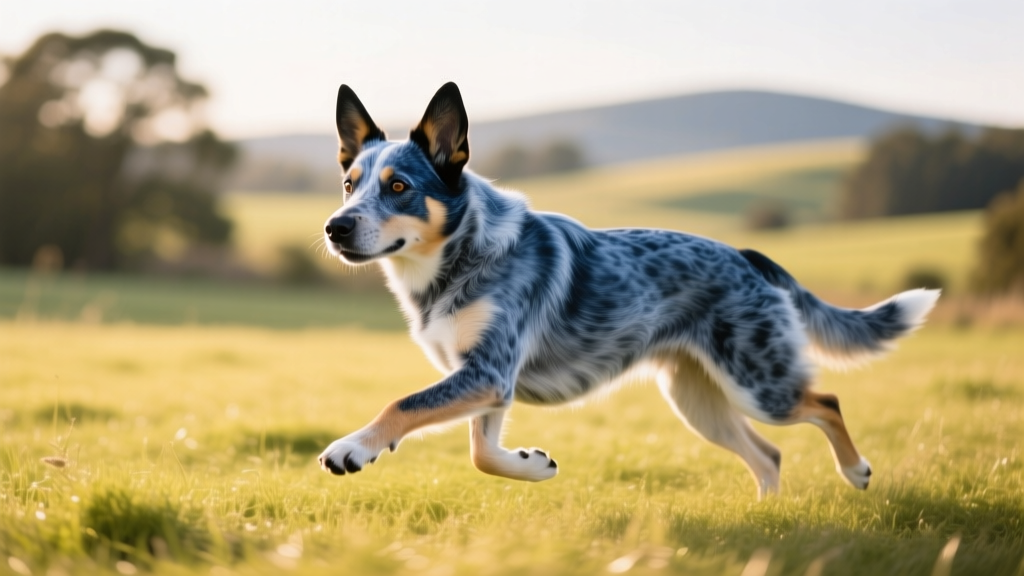
German Shepherd Guide: Loyalty, Training & Health
Everything about German Shepherds: temperament, exercise needs, common health issues, and why they remain top working dogs.
German Shepherd Guide: Loyalty, Training & Health
The German Shepherd is far more than a striking silhouette against a sunset or a stoic figure in police uniforms—it’s a deeply intelligent, emotionally attuned companion whose legacy spans over a century of service, devotion, and quiet strength. Originating in late 19th-century Germany as a herding dog bred for stamina, focus, and versatility, this breed quickly proved its worth beyond the pasture. Today, German Shepherds serve in search-and-rescue operations, guide work for the visually impaired, therapy roles, and cherished family life—each path rooted in the same core traits: unwavering loyalty, remarkable trainability, and robust (though nuanced) health.
Loyalty: More Than Just Devotion
German Shepherds don’t simply bond—they commit. Their loyalty is selective, thoughtful, and profoundly protective. Unlike some breeds that greet strangers with open paws, German Shepherds tend to observe first, assess intent, and reserve their deepest affection for those they recognize as part of their inner circle. This isn’t aloofness; it’s discernment. When trust is earned, it’s held steadfastly—even across years and life changes.
This loyalty manifests in tangible ways: a gentle nudge when you’re stressed, a vigilant stance at the door during unfamiliar sounds, or the quiet insistence of resting their head on your knee during moments of sadness. Importantly, their devotion requires mutual respect—not dominance. A German Shepherd who feels safe, understood, and consistently valued will respond with profound emotional reciprocity.
Training: Intelligence That Demands Purpose
Ranked third in Stanley Coren’s The Intelligence of Dogs, German Shepherds grasp new commands in fewer than five repetitions and obey on the first try over 95% of the time. But high intelligence isn’t just about speed—it’s about problem-solving, contextual awareness, and an innate desire to collaborate.
Effective training hinges on three pillars:
- Early Socialization (Before 16 Weeks): Expose puppies to varied people, surfaces, sounds, and calm canine peers. This prevents fear-based reactivity and builds confident adaptability.
- Positive Reinforcement Methods: Reward-based training—using treats, praise, play, or clicker markers—yields faster learning, stronger bonds, and long-term reliability. Harsh corrections can fracture trust and trigger defensiveness.
- Mental + Physical Engagement: A bored German Shepherd may invent tasks—like dismantling furniture or barking at shadows. Daily obedience practice, scent games, agility foundations, or even advanced trick training channel their intellect productively.
Consistency matters deeply. German Shepherds thrive on clear routines, fair boundaries, and predictable leadership—not authoritarian control. They’re not dogs who obey blindly; they follow leaders who communicate with clarity, kindness, and competence.
Health: Vigilance, Prevention, and Lifelong Care
While robust and athletic, German Shepherds are predisposed to several hereditary and lifestyle-influenced conditions. Proactive health management significantly impacts longevity—many live 10–13 years with attentive care.
Key health considerations include:
- Canine Hip & Elbow Dysplasia: A developmental joint disorder affecting mobility. Responsible breeders screen parents via OFA or PennHIP certifications. Maintaining lean body weight, avoiding excessive puppy stair use or jumping, and incorporating joint-supportive supplements (e.g., glucosamine/chondroitin) help mitigate risk.
- Degenerative Myelopathy (DM): A progressive neurological condition impacting hind-end coordination. Genetic testing is available; while no cure exists, physical therapy, assistive devices, and tailored exercise can preserve quality of life for years.
- Gastric Dilatation-Volvulus (Bloat): A life-threatening emergency where the stomach twists. Feeding smaller, frequent meals, avoiding vigorous exercise before/after eating, and considering prophylactic gastropexy (especially for deep-chested lines) are critical preventive steps.
- Allergies & Skin Sensitivities: Environmental and food-related allergies are common. Work with your vet to identify triggers through elimination diets or intradermal testing—and avoid harsh shampoos that disrupt natural skin barriers.
Annual wellness exams—including orthopedic checks, dental assessments, and bloodwork from age 5 onward—are essential. Don’t overlook mental health: anxiety, noise phobias, or separation distress can surface without consistent routine or environmental enrichment.
In essence, the German Shepherd invites partnership—not passive ownership. Their loyalty asks for integrity, their intelligence for engagement, and their health for informed, compassionate stewardship. When met with these commitments, they return immeasurable love, resilience, and quiet heroism—one steady step, one watchful gaze, one heartfelt nuzzle at a time.
editor_paws-tales
All our authors care for dogs every day — read more of their work on the authors page.