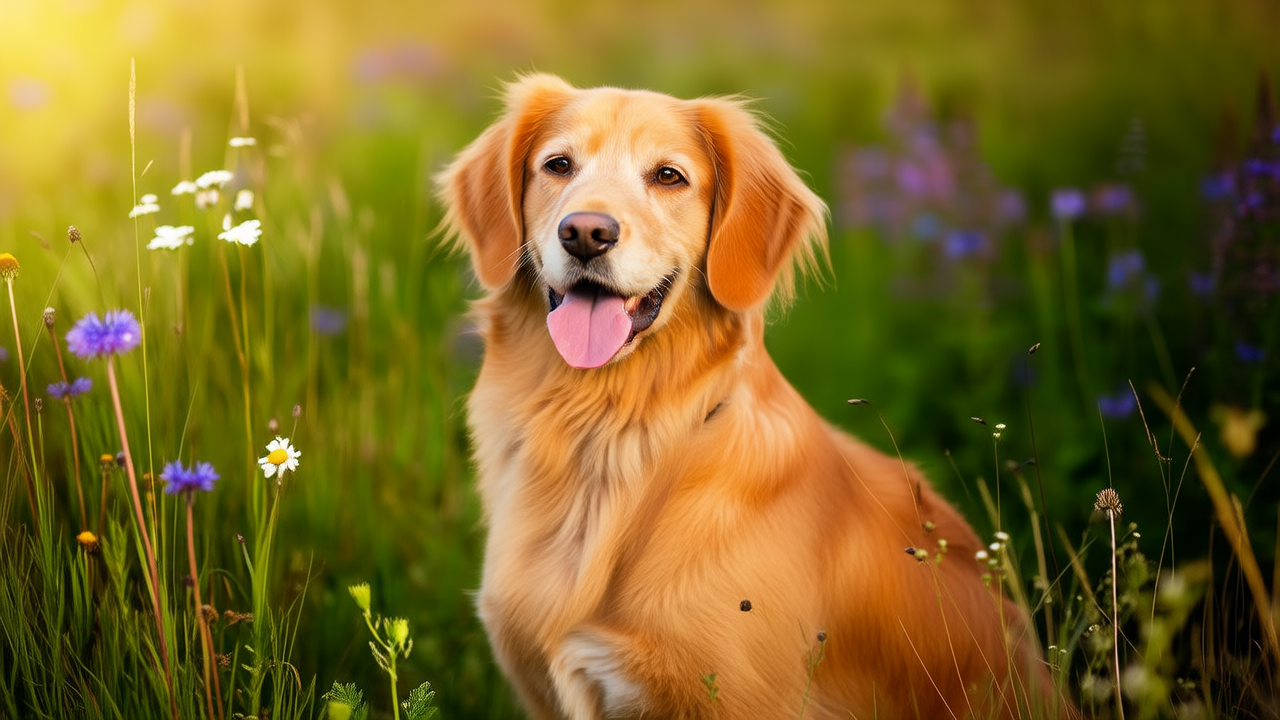
German Mastiff (Great Dane) Breed Profile: Temperament,
Complete German Mastiff (Great Dane) breed profile covering size, temperament, health risks, exercise needs, grooming, and 2026 ownership costs.

If you've ever watched a German Mastiff — more commonly known in the United States as the Great Dane — curl up on a sofa despite weighing as much as an adult human, you understand the paradox that defines this breed. They are giants who think they're lap dogs, guardians who'd rather lick a stranger than confront one, and athletes who spend most of their day napping. But behind that gentle exterior lies a dog with specific care requirements that many prospective owners underestimate until they're dealing with a 150-pound dog pulling on a leash or a $7,000 emergency vet bill for gastric dilatation-volvulus (GDV).
This profile breaks down everything you need to know about the German Mastiff, from exact growth milestones and breed-specific disease prevalence to realistic annual budgets. Whether you're considering bringing one into your home or you've just adopted a Dane puppy and want to prepare properly, this guide covers the specifics that general breed summaries often skip.
Origin and History of the German Mastiff
The German Mastiff's roots trace back to 16th-century Germany, where nobility crossbred English Mastiffs with Irish Wolfhounds to produce a dog capable of hunting wild boar — a dangerous job requiring speed, power, and courage. These early dogs were known as Boar Hounds and were functionally quite different from today's companions: leaner, more aggressive, and bred purely for working ability.
By the late 1800s, German breeders shifted focus from hunting performance to conformation and temperament. In 1880, a group of breeders in Berlin declared the breed distinct from the English Mastiff and formally named it the Deutsche Dogge — German Mastiff. The name "Great Dane" actually comes from a French naturalist, Comte de Buffon, who saw the dogs in Denmark and called them Grand Danois (Great Danish Dog) in the 1700s, despite the breed having no Danish origin.
The American Kennel Club recognized the Great Dane in 1887, and the breed has maintained steady popularity since. According to AKC registration data, the Great Dane consistently ranks within the top 20 most popular breeds in the U.S. — a testament to their appeal despite the significant commitment they require.
Physical Characteristics: Size, Coat, and Build
The German Mastiff is classified as a giant breed, and the numbers are striking even among other large dogs. Males typically stand 30–32 inches (76–81 cm) at the shoulder and weigh 140–175 lb (64–79 kg). Females are slightly smaller at 28–30 inches (71–76 cm) and 110–140 lb (50–64 kg). Some males exceed these ranges, with individuals reaching 200 lb (90 kg) or more, though this is outside the AKC breed standard and often correlates with joint stress.
| Attribute | Male | Female |
|---|---|---|
| Height (shoulder) | 30–32 in / 76–81 cm | 28–30 in / 71–76 cm |
| Weight | 140–175 lb / 64–79 kg | 110–140 lb / 50–64 kg |
| Lifespan | 7–10 years (average 8.5) | |
| Coat type | Short, smooth, single-layered | |
| Recognized colors | Fawn, brindle, blue, black, harlequin, mantle, merle | |
| Size class | Giant | |
| Energy level | Moderate (bursts of activity, long rest periods) | |
| AKC group | Working Group | |
The coat is short, smooth, and dense with minimal undercoat, meaning German Mastiffs shed moderately year-round but lack the insulation for prolonged cold-weather exposure. Recognized colors include fawn (golden with a black mask), brindle (fawn with black striping), blue (steel gray), black, harlequin (white with irregular black patches), and mantle (black with white chest and collar markings). Merle is seen in harlequin breeding lines but is disqualified from conformation showing due to associated health risks — double-merle puppies can be born deaf and blind.
German Mastiff puppies grow rapidly. A Dane puppy can gain 3–5 lb per week during peak growth (months 3–7) and may not reach full adult height until 18 months or adult weight until 24–30 months. This extended growth period is critical for joint health — overfeeding or excess calcium supplementation during puppyhood increases the risk of developmental orthopedic diseases like hip dysplasia and osteochondritis dissecans (OCD).
Temperament and Core Personality Traits
The German Mastiff temperament is remarkably well-defined across five core traits, though individual dogs will vary based on genetics, socialization, and environment.
1. People-oriented attachment. German Mastiffs form intense bonds with their families and are notorious for physical closeness — leaning against legs, sitting on feet, attempting to climb into laps. This isn't anxiety-driven clinginess; it's breed-typical affiliative behavior. The practical downside: they do not tolerate being left alone for 8+ hour days without developing separation distress, which in a 150-lb dog can mean destroyed doorframes and self-injury.
2. Low reactivity with strangers. Well-socialized Danes typically greet visitors with curiosity rather than suspicion. They may bark at unusual sounds (their deep bark carries through walls), but genuine aggression toward humans is atypical and considered a serious fault. They make poor guard dogs in the protection sense — their size is a deterrent, but their temperament is not.
3. Moderate prey drive. While some Danes coexist peacefully with cats and small dogs, others will chase squirrels, rabbits, or unfamiliar small animals. This varies by individual and is heavily influenced by early socialization. A Dane raised with a household cat from puppyhood typically shows no predatory behavior toward that cat, but may still chase outdoor wildlife.
4. Sensitivity to tone and correction. German Mastiffs respond poorly to harsh verbal corrections or physical punishment. They tend to shut down — freezing, avoiding eye contact, or refusing to engage — rather than becoming defiant. This makes them excellent candidates for positive reinforcement training but frustrating for owners accustomed to more resilient working breeds.
5. Playful immaturity. Danes are slow to mature mentally, often retaining puppy-like playfulness and clumsiness through age 3 or 4. They are prone to "zoomies" (frantic running in circles) that, in a dog this size, can accidentally knock over children, furniture, or elderly household members.
Strengths
- Gentle, patient temperament with family members
- Minimal grooming requirements
- Generally quiet indoors (not excessive barkers)
- Adaptable to various living situations if exercised
- Eager to please during training sessions
- Strong visual deterrent due to size alone
Challenges
- Short lifespan (7–10 years) — emotionally difficult
- High risk of life-threatening bloat (GDV)
- Significant costs: food, medications, emergency care
- Destructive when bored or left alone too long
- Difficult to handle on leash without early training
- Prone to leaning/jumping that can injure small children
Exercise and Activity Requirements
Despite their size, German Mastiffs are not endurance athletes. Their exercise needs are moderate but non-negotiable — under-exercised Danes develop behavioral problems including destructive chewing, excessive barking, and hyperactivity indoors.
Adult dogs (2+ years): 45–60 minutes of structured activity daily, split into two sessions. This typically means a 20–30 minute leash walk in the morning and a 20–30 minute walk or off-leash play session in the evening. Many Danes enjoy lure coursing, scent work, or casual hiking, but they are not suitable running partners for long-distance jogging — their large frame puts excessive stress on joints during sustained high-impact exercise, especially on hard surfaces.
Puppies (under 18 months): Exercise must be carefully managed. The general guideline is 5 minutes of structured exercise per month of age, twice daily — so a 4-month-old puppy gets roughly 20 minutes of activity per session. Avoid forced running, jumping from heights, or repetitive stair climbing until growth plates close (typically 18–24 months, confirmed by veterinary X-ray). Free play on soft surfaces (grass, dirt) is preferable to forced leash walks for puppies.
Senior dogs (7+ years): Activity decreases naturally. Two 15–20 minute walks daily plus gentle mobility exercises help maintain muscle mass and joint function without overloading aging joints. Senior Danes with arthritis benefit from shorter, more frequent walks rather than one long outing.
| Life Stage | Daily Exercise | Activity Types | Restrictions |
|---|---|---|---|
| Puppy (2–6 months) | 10–30 min, 2x/day | Free play on grass, short exploration walks | No forced running, no jumping, no stairs |
| Adolescent (6–18 months) | 25–45 min, 2x/day | Leash walks, gentle play, basic training | Limit high-impact activity, no agility equipment |
| Adult (2–7 years) | 45–60 min total | Leash walks, hiking, lure coursing, scent work | Avoid jogging on pavement in heat |
| Senior (7+ years) | 30–40 min total | Short leash walks, swimming, gentle stretching | Watch for stiffness, adjust to comfort level |
Heat sensitivity warning: German Mastiffs are vulnerable to heat exhaustion due to their large body mass and dark coat colors (especially black and blue). When temperatures exceed 80°F (27°C), exercise should be limited to early morning or evening, and sessions should be shortened to 15–20 minutes with water breaks. Signs of overheating include excessive panting, drooling, bright red gums, stumbling, and collapse — this is an immediate veterinary emergency.
Common Health Issues and Breed-Specific Risks
The German Mastiff's lifespan of 7–10 years is short even among giant breeds, and the breed carries elevated risk for several serious conditions. Prospective owners should understand these risks before committing — both emotionally and financially. Always consult your veterinarian about breed-appropriate screening and preventive care.
| Condition | Prevalence | Typical Onset | Treatment Cost Range | Screening Available |
|---|---|---|---|---|
| Gastric Dilatation-Volvulus (GDV/Bloat) | ~5.3% lifetime risk in Great Danes (highest of any breed) | 3–7 years | $3,000–$7,000 emergency surgery | No — preventive gastropexy recommended |
| Dilated Cardiomyopathy (DCM) | Estimated 10–15% of the breed | 4–8 years | $500–$1,500/year management | Echocardiogram, Holter monitor |
| Hip Dysplasia | ~12% per OFA database | Signs from 6–12 months | $1,500–$6,000 (surgical) | OFA/PennHIP X-ray evaluation |
| Wobbler Syndrome (Cervical Spondylomyelopathy) | Breed-predisposed; exact prevalence unknown | 10 months–7 years | $3,000–$8,000 surgical | MRI or CT diagnosis |
| Osteosarcoma (Bone Cancer) | Great Danes are 27x more likely than small breeds | 6–9 years | $5,000–$10,000+ (amputation + chemo) | X-ray if lameness appears |
Gastric Dilatation-Volvulus (GDV) is the single most important health concern for German Mastiff owners. GDV occurs when the stomach fills with gas and twists on itself, cutting off blood supply. It progresses from first symptoms to life-threatening shock within 1–2 hours. According to the Merck Veterinary Manual, deep-chested giant breeds are at highest risk. Symptoms include a distended abdomen, unproductive retching (trying to vomit but nothing comes out), restlessness, pacing, and rapid breathing. This is a surgical emergency — survival drops significantly if treatment is delayed beyond 2 hours.
Many veterinarians now recommend a prophylactic gastropexy — surgically tacking the stomach to the abdominal wall — performed during spay/neuter surgery. This procedure costs $300–$800 when done alongside a planned surgery and reduces GDV risk by approximately 90%. Ask your vet whether this is appropriate for your dog.
Dilated Cardiomyopathy (DCM) is a progressive heart condition where the heart muscle weakens and the chambers enlarge. German Mastiffs are genetically predisposed. Early stages show no outward symptoms, which is why annual cardiac screening (echocardiogram) starting at age 3–4 is recommended for breeding dogs and strongly advised for pets. The FDA has also investigated a potential link between grain-free diets and DCM in predisposed breeds — discuss your dog's diet with your veterinarian.
Wobbler Syndrome (cervical spondylomyelopathy) causes spinal cord compression in the neck, leading to a characteristic unsteady, "wobbly" gait in the hind legs. It can progress to front leg involvement and paralysis. Diagnosis requires advanced imaging (MRI/CT), and treatment ranges from medical management with anti-inflammatories to surgical decompression.
- Distended or swollen abdomen with unproductive vomiting attempts (GDV)
- Sudden collapse, weakness, or inability to stand
- Rapid, labored breathing or blue/gray gums
- Seizure activity
- Sudden lameness in one leg without obvious injury (possible osteosarcoma)
Grooming, Training, and Daily Care
Grooming is refreshingly simple for a German Mastiff. Their short, single-layer coat requires brushing 1–2 times per week with a rubber curry brush (such as a Kong ZoomGroom, approximately $8–$12) or a soft-bristle brush to remove loose hair and distribute skin oils. Baths are needed every 6–8 weeks or as needed — use a dog-specific shampoo to avoid drying out their skin. Expect to use 2–3 oz of shampoo per bath given their surface area; large-breed shampoo bottles (32 oz) are more economical.
Nail trims should happen every 3–4 weeks. Dane nails grow quickly and overgrown nails alter foot mechanics, worsening joint stress. If your Dane resists nail trimming — common in dogs not desensitized as puppies — consider a Dremel-style rotary grinder (e.g., Dremel PawControl 7760-PGK, ~$35) which many giant-breed owners find easier and less stressful than guillotine clippers.
Ear cleaning weekly with a veterinary-recommended ear wash helps prevent otitis externa, especially in Danes with floppy ears that trap moisture. Dental brushing 3–4 times per week with enzymatic dog toothpaste reduces the periodontal disease that affects most large breeds by age 5.
Training a German Mastiff is essential and must begin early — a 120-lb untrained dog is a safety liability. The breed is intelligent and responsive but sensitive, ranking in the middle of working breeds for trainability. They learn commands readily but require patience and consistency rather than repetition drills, which bore them.
Use positive reinforcement methods exclusively — food rewards (high-value treats like freeze-dried liver or small pieces of chicken), praise, and play. German Mastiffs shut down under aversive training (shock collars, prong collars, alpha rolls) and may develop fear-based avoidance behaviors. Enroll in a group puppy class by 12–16 weeks (after appropriate vaccinations) to build socialization and basic obedience foundations. Key commands to prioritize early:
- Loose-leash walking: A Dane that pulls can drag an adult off their feet. Start leash manners by 10–12 weeks using a front-clip harness (e.g., Ruffwear Front Range, ~$40).
- "Leave it" and "Drop it": Critical for a dog large enough to grab items from countertops.
- "Sit" for greetings: Prevents the jumping-up behavior that can knock over children or elderly visitors.
- Crate training: Provides a safe space and prevents destructive behavior when unsupervised. You'll need an extra-large crate (54-inch, ~$80–$150) to accommodate adult size.
Family Suitability and Living Arrangements
Children: German Mastiffs are generally patient and gentle with children in their own family. However, their sheer size creates practical risks — a Dane turning around quickly can knock a toddler off their feet, and their tail at waist height can sting when wagging enthusiastically. Supervision is mandatory with children under 8, and children must be taught not to climb on, ride, or startle the dog. Danes do best with families where children are old enough to understand basic dog-body-language cues.
Other pets: Most German Mastiffs coexist peacefully with other dogs, especially when raised together. Same-sex aggression can occur in some lines, particularly between intact males — neutering reduces but doesn't eliminate this risk. Cat compatibility depends heavily on individual prey drive and early exposure. A Dane puppy raised with a cat typically adapts well; introducing an adult Dane to a household cat requires careful management and may not succeed if the dog has high prey drive.
Apartment living: Surprisingly, German Mastiffs can adapt to apartment living — they're relatively inactive indoors and spend most of their time lying down. The key requirements are meeting their daily exercise needs (two walks minimum) and having enough floor space for them to stretch out fully. A studio apartment is impractical, but a 1-bedroom or larger with access to outdoor space can work. Check your lease — many landlords impose breed or weight restrictions that may exclude a 150-lb dog regardless of breed. Check your local jurisdiction for any breed-specific legislation that may apply.
Cost of Ownership: What You'll Actually Spend
German Mastiffs are expensive dogs to purchase and maintain. Budget realistically before committing.
Puppy purchase price: A well-bred German Mastiff puppy from a responsible breeder who performs health testing (OFA hips, cardiac evaluation, thyroid screening) typically costs $1,500–$3,000 in 2026. Show-quality puppies from champion lines can reach $4,000–$6,000. Puppies advertised below $1,000 often come from backyard breeders or puppy mills that skip health testing — the savings upfront are almost always offset by veterinary costs later. Adoption through Great Dane rescue organizations is an excellent alternative, with fees typically $300–$600.
Annual care cost breakdown:
| Expense Category | Estimated Annual Cost | Notes |
|---|---|---|
| Food (premium large-breed kibble) | $900–$1,400 | 6–10 cups/day; AAFCO-certified large-breed formula |
| Heartworm/flea/tick prevention | $300–$500 | Dosed by weight — giant-breed pricing |
| Routine veterinary care | $400–$700 | Annual exam, vaccines, bloodwork, dental |
| Pet insurance | $800–$1,500 | Higher for giant breeds; compare providers |
| Grooming supplies | $50–$100 | Brushes, shampoo, nail grinder, ear wash |
| Training classes | $200–$500 | Puppy class + ongoing reinforcement |
| Medications/supplements | $200–$600 | Joint supplements (glucosamine/chondroitin), fish oil |
| Equipment replacement | $150–$300 | XL beds, harnesses, toys (Danes destroy most toys quickly) |
| Total estimated annual cost | $3,000–$5,600 | Excludes emergency veterinary care |
First-year total: Expect to spend $5,500–$9,000+ in the first year when combining puppy purchase, initial veterinary visits (vaccination series, spay/neuter, possible gastropexy), supplies (XL crate, bed, harness, leash), and the higher food consumption of a growing puppy.
Emergency fund recommendation: Set aside $3,000–$5,000 for unexpected veterinary emergencies, or carry pet insurance with a low deductible. GDV surgery alone can cost $5,000–$7,000, and osteosarcoma treatment can exceed $10,000. Without a financial safety net, owners of giant breeds sometimes face the devastating decision to euthanize a treatable dog.
Is the German Mastiff Right for You?
The German Mastiff is an extraordinary companion for the right household — someone who values a calm, affectionate presence and has the space, budget, and emotional readiness for a short-lived giant. They are not ideal first dogs for owners without prior experience managing large breeds, though an exceptionally committed first-time owner who invests in professional training and veterinary guidance can succeed.
Before deciding, ask yourself honestly: Can I afford $3,000–$5,600 per year in routine care, plus potential emergencies? Do I have space for a dog that stretches 6+ feet when lying down? Am I prepared for the emotional weight of losing a dog at 8 or 9 years old? Can I commit to daily walks and structured training through the first 2 years? If the answer to all of these is yes, a German Mastiff may be one of the most rewarding dogs you'll ever share your life with.
Frequently Asked Questions
Is the German Mastiff good for first-time dog owners?
Generally, no — the combination of giant size, strength, sensitivity, health risks, and cost makes the German Mastiff better suited for owners with prior experience handling large breeds. A committed first-time owner can succeed with professional training support and thorough preparation, but the margin for error is smaller than with more forgiving breeds.
How much exercise does a German Mastiff need daily?
Adult German Mastiffs need 45–60 minutes of structured activity per day, ideally split into two sessions. This usually means two leash walks of 20–30 minutes each, supplemented by gentle play. They are not endurance athletes and should not be forced into sustained high-impact exercise, especially on hard surfaces or in hot weather.
What health problems is the German Mastiff prone to?
The most significant breed-specific risks include gastric dilatation-volvulus (GDV/bloat) with approximately 5.3% lifetime risk, dilated cardiomyopathy (DCM), hip dysplasia (~12% per OFA data), Wobbler Syndrome, and osteosarcoma. Regular veterinary screening and preventive measures like prophylactic gastropexy can reduce some risks.
How big does a German Mastiff get?
Adult males typically reach 30–32 inches (76–81 cm) at the shoulder and weigh 140–175 lb (64–79 kg). Adult females are 28–30 inches (71–76 cm) and 110–140 lb (50–64 kg). Full adult size is typically reached between 24 and 30 months of age.
Is the German Mastiff good with children and other pets?
German Mastiffs are generally gentle and patient with children in their family, but their size creates accidental knock-over risks, especially with toddlers. Supervision is essential. Most Danes coexist well with other dogs, and many can live with cats if raised together. Same-sex aggression between intact males can occur.
How much does a German Mastiff cost to buy and maintain?
A responsibly bred puppy costs $1,500–$3,000, with show lines reaching $4,000–$6,000. Annual care costs range from $3,000–$5,600 for routine expenses (food, preventive medications, veterinary care, insurance, supplies). First-year costs including the puppy typically total $5,500–$9,000+. Adoption through breed rescue ($300–$600) is a more affordable option.
What is the difference between a German Mastiff and a Great Dane?
There is no difference — they are the same breed. "German Mastiff" is the literal English translation of the breed's German name, Deutsche Dogge. "Great Dane" is the more commonly used English-language name, originating from a historical French misattribution. Both names refer to the identical AKC-recognized breed.
Aaron Whyte
All our authors care for dogs every day — read more of their work on the authors page.