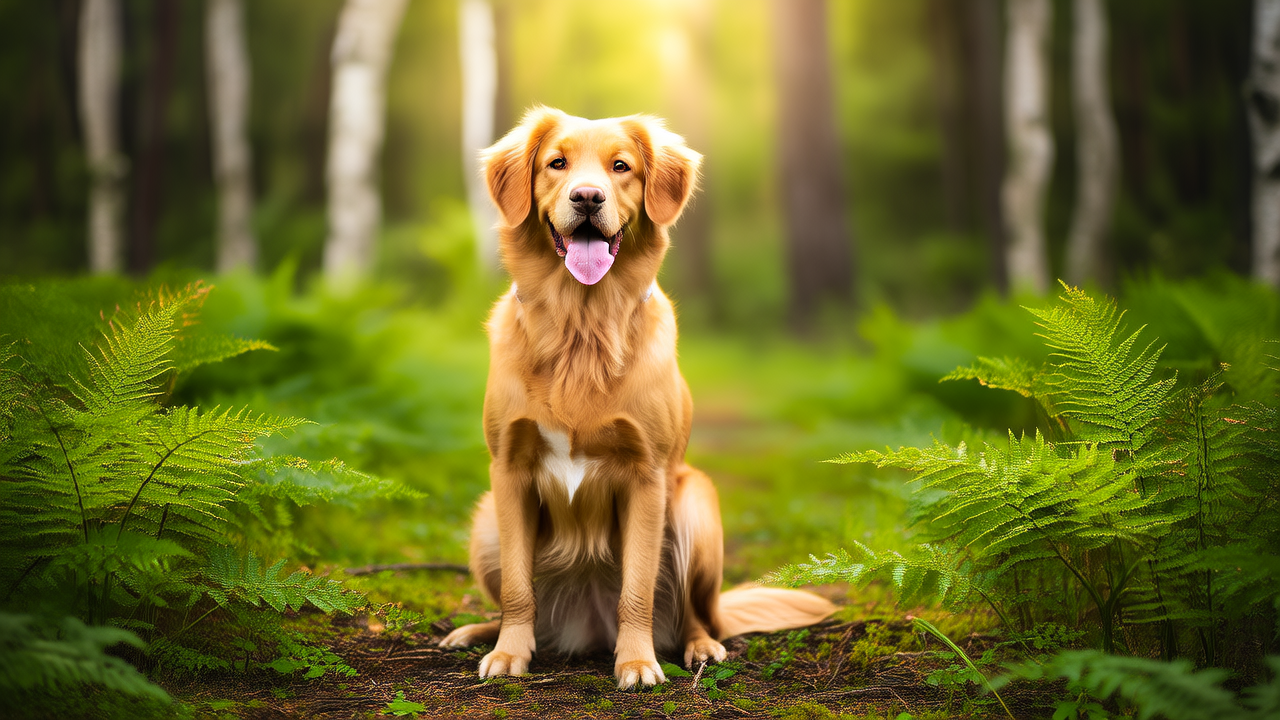
German Long Haired Pointer: Breed Profile, Care Guide & Owner Tips
Complete German Long Haired Pointer breed profile covering temperament, health risks, exercise needs, grooming, costs, and family suitability for prospective owners.

Breed Overview: The German Long Haired Pointer at a Glance
The German Long Haired Pointer (Deutsch-Langhaar) is a versatile gundog that traces its roots to the marshlands and forests of northern Germany, where it was developed as early as the 1830s to hunt, point, and retrieve across varied terrain. Unlike its more widely known cousins — the German Shorthaired Pointer and the German Wirehaired Pointer — the Long Haired variety was selectively bred for work in dense cover and cold water, where its longer coat provided insulation and protection from brambles.
Recognized by the FCI (Fédération Cynologique Internationale) under Group 7, Section 1.2 (Continental Pointing Dogs, Long-Haired type), and recorded in the AKC's Foundation Stock Service, this breed remains relatively uncommon outside of Europe. In the United States, the German Longhaired Pointer is primarily found among dedicated hunting families and versatile hunting dog enthusiasts, though its gentle temperament is drawing interest from active pet-only homes as well.
| Attribute | Detail |
|---|---|
| Size Class | Large |
| Origin | Germany, circa 1830s–1870s (Lower Saxony / Westphalia region) |
| Original Purpose | Versatile gundog — pointing, tracking, retrieving on land and water |
| Weight Range | 60–71 lb (27–32 kg) |
| Height Range | 23.5–27.5 inches (60–70 cm) at the withers |
| Lifespan | 12–14 years |
| Coat Type | Medium-long, dense, slightly wavy with feathering on legs, chest, and tail |
| Energy Level | High — 90+ minutes of vigorous activity daily |
| Grooming Frequency | 2–3 times per week; daily during shedding season |
| Family Fit | Best with active families; experienced owners preferred |
Temperament & Personality: What Living With a German Long Haired Pointer Is Really Like
The German Long Haired Pointer carries a reputation among European hunters as the "quiet worker" — a dog that tends to be calmer in the home than the high-octane German Shorthaired Pointer, but still possesses serious field drive when the situation calls for it. Here are the core personality traits you can expect:
1. Focused and Biddable in the Field
Unlike some pointing breeds that range far and work independently, the GLHP tends to hunt closer to its handler — typically within 50–100 yards — and checks in frequently. This makes the breed a strong candidate for handlers who prefer a cooperative partner over a free-running explorer. In practical terms, if you're walking through thick brush, your GLHP will pause, look back, and adjust its pace to stay connected with you.
2. Affectionate but Not Clingy at Home
In the house, a well-exercised GLHP is generally content to rest nearby without demanding constant attention. They'll follow you from room to room and lean against your leg, but they're not the type to become distressed if you leave for a few hours. This moderate attachment style means separation anxiety is less common than in some other sporting breeds — provided their physical and mental needs are met.
3. Reserved With Strangers, Not Aggressive
Expect a polite but cautious greeting when guests arrive. The GLHP will typically observe newcomers for several minutes before warming up. Early socialization (especially between 8 and 16 weeks) is critical to prevent this natural reserve from tipping into shyness or fear-based reactivity.
4. Strong Prey Drive Around Small Animals
This is a pointing and retrieving breed — its instinct to chase birds, squirrels, rabbits, and cats is hardwired. In a multi-pet household, a GLHP raised with cats from puppyhood can learn to coexist, but introducing an adult GLHP to a home with small pets requires careful, structured management. Never leave a GLHP unsupervised with pet birds, rodents, or reptiles.
5. Sensitive to Harsh Correction
The GLHP responds poorly to heavy-handed training. Yelling, physical punishment, or aversive tools (shock collars, prong collars) will cause this breed to shut down or become avoidant. Positive reinforcement — food rewards, play, and verbal praise — produces dramatically better results and preserves the dog's confidence and willingness to work.
Physical Characteristics: Build, Coat, and Color Standards
The German Long Haired Pointer is an athletic, balanced dog built for endurance rather than raw speed. Males typically stand 24.5–27.5 inches (62–70 cm) and weigh 64–71 lb (29–32 kg), while females range from 23.5–26.5 inches (60–67 cm) and 60–66 lb (27–30 kg), according to FCI breed standard No. 117.
The coat is one of the breed's defining features: medium-long (approximately 2–4 inches on the body), dense, and close-lying with a slight wave — never curly or woolly. Distinct feathering appears on the back of the forelegs, the rear thighs (forming "trousers"), the chest, and the tail, which tapers to a characteristic "flag" of longer hair. The undercoat is moderate and seasonally variable.
Accepted colors include solid brown, brown with white markings, brown roan, and dark roan (a heavy mix of brown and white hairs giving a dark-toned appearance). Solid black or black-and-white are disqualifications under the FCI standard, though rare off-standard dogs do appear.
Exercise & Activity Needs: Specific Daily Requirements
This is not a breed that thrives on a 20-minute walk around the block. The German Long Haired Pointer was built for full days of hunting, and its exercise needs reflect that heritage. Here's a realistic breakdown for an adult GLHP (18 months and older):
| Activity Type | Duration | Frequency | Notes |
|---|---|---|---|
| Off-leash running (field, park, or large yard) | 45–60 minutes | Daily | Minimum requirement; includes free galloping |
| Structured mental work (scent games, retrieve drills, obedience) | 20–30 minutes | Daily | Critical for preventing boredom-driven destruction |
| Long hike or bike-joring session | 60–90 minutes | 3–4× per week | Excellent for bonding and endurance building |
| Swimming / water retrieves | 20–40 minutes | 2–3× per week (seasonal) | Natural strength; low-impact on joints |
| Leash walk (supplemental) | 30 minutes | Daily | Does NOT substitute for off-leash exercise |
Total daily minimum: 90–120 minutes of combined physical and mental activity. Puppies under 18 months should follow the 5-minutes-per-month-of-age rule for structured exercise (e.g., a 4-month-old puppy gets ~20 minutes of structured activity per session) to protect developing joints, though free play in a safe area is fine.
If a GLHP doesn't receive adequate exercise, expect problem behaviors within days: excessive chewing, digging, barking, and hyperactive pacing indoors. These aren't signs of a "bad dog" — they're signs of an under-stimulated working breed.
Common Health Issues: Breed-Specific Conditions to Watch For
The German Long Haired Pointer is generally a healthy, long-lived breed, particularly when sourced from a breeder who conducts recommended health screenings. However, several conditions appear with elevated frequency. Always consult your veterinarian for personalized health guidance.
| Condition | Description | Estimated Prevalence | Screening / Prevention |
|---|---|---|---|
| Hip Dysplasia | Malformation of the hip joint causing progressive arthritis | ~8–12% (based on OFA data for related pointing breeds) | OFA or PennHIP evaluation of breeding stock; maintain lean body condition |
| Elbow Dysplasia | Developmental abnormality of the elbow joint | ~5–8% | OFA elbow radiographs; avoid repetitive high-impact activity in puppies |
| Gastric Dilatation-Volvulus (Bloat) | Life-threatening stomach torsion, most common in deep-chested breeds | Risk elevated vs. average; exact rate not published for GLHP specifically | Feed 2–3 smaller meals/day; avoid exercise 1 hour before/after meals; discuss prophylactic gastropexy with your vet |
| Progressive Retinal Atrophy (PRA) | Hereditary degeneration of the retina leading to blindness | Low (~2–4%) but documented in the breed | CERF/OFA ophthalmologist exam; DNA test available for prcd-PRA mutation |
| Otitis Externa (Ear Infections) | Inflammation/infection of the ear canal, aggravated by floppy ears and moisture | Common — estimated 20–30% of GLHPs experience recurrent episodes | Weekly ear cleaning with vet-approved solution; dry ears thoroughly after swimming |
Responsible breeders should provide documentation of hip and elbow scores (OFA or equivalent), a current ophthalmologist clearance, and proof that breeding stock has been tested for the prcd-PRA mutation. Ask for these records before committing to a puppy.
Grooming Requirements: Tools, Schedule, and Seasonal Considerations
The GLHP's coat is manageable but demands consistency. Here's a practical grooming schedule:
Weekly (2–3 times per week):
Use a slicker brush followed by a medium-toothed undercoat rake to work through the feathering on the legs, chest, and tail. Pay special attention to the area behind the ears and the "armpit" region, where mats form quickly. A full brush-out takes approximately 20–30 minutes.
Seasonal shedding (spring and fall, lasting 3–4 weeks):
Daily brushing is necessary. A de-shedding tool such as the Furminator for long-haired large breeds or a comparable undercoat rake significantly reduces loose hair. Expect noticeably more hair around your home during these periods.
Monthly:
Trim the hair between the paw pads (use blunt-nosed grooming scissors) to prevent matting and improve traction. Check and clean ears weekly with a pH-balanced canine ear cleanser — particularly important for GLHPs that swim regularly. Bathe only as needed (every 6–8 weeks is typical) using a mild dog-specific shampoo; over-bathing strips the coat's natural water-resistant oils.
Nail care: Trim nails every 2–3 weeks, or when you hear clicking on hard floors. For active dogs that run on varied terrain, natural wear may reduce trimming frequency.
Training & Intelligence: Methods That Work for This Breed
The German Long Haired Pointer ranks as a highly trainable breed when methods align with its temperament. These dogs are intelligent, eager to please, and capable of learning complex tasks — but they are also sensitive and will disengage from training sessions that feel punitive or repetitive.
Trainability rating: 8/10 — High capability, but requires a skilled handler who uses positive reinforcement and keeps sessions varied.
Recommended training approach:
- Positive reinforcement only — high-value food rewards (freeze-dried liver, chicken), toy rewards, and enthusiastic praise. Force-free, LIMA (Least Intrusive, Minimally Aversive) methods produce the best long-term results.
- Short, varied sessions — 10–15 minutes, 2–3 times daily for puppies; 15–20 minutes for adults. GLHPs lose interest in repetitive drills faster than some other gundog breeds.
- Early socialization window (8–16 weeks) — expose the puppy to a wide range of people, surfaces, sounds, other dogs, and environments. The AVSAB puppy socialization position statement provides evidence-based guidance on safe early exposure.
- Recall training is non-negotiable — given the breed's prey drive, a reliable off-leash recall is essential for safety. Invest in structured recall work using a long line (15–30 feet) before granting full off-leash freedom.
- Field training (if applicable) — for owners interested in hunt tests or field work, the GLHP excels in NAVHDA (North American Versatile Hunting Dog Association) testing. Natural Ability tests can begin around 6–8 months; Utility-level training typically starts at 18–24 months.
Family Suitability: Kids, Other Pets, and Living Arrangements
Strengths
- Gentle and patient with respectful children (ages 8+ recommended due to the dog's size and energy)
- Strongly bonded to family; loyal without being needy
- Generally quiet indoors — not prone to nuisance barking
- Gets along well with other dogs when properly socialized
- Adapts to various climates thanks to its protective coat
Challenges
- Not suitable for apartment living — needs a yard or immediate access to large open spaces
- High prey drive makes cat/small-pet cohabitation risky without extensive early conditioning
- Exercise demands are substantial — not a match for sedentary households
- Can be mouthy as a puppy (retrieving instinct); needs appropriate chew outlets
- Sheds heavily twice a year — not ideal for fastidious housekeepers
With children: The GLHP is typically gentle and tolerant, but its large size and exuberant energy can accidentally knock over toddlers. Families with children under 5 should wait until kids are older, or commit to close supervision and structured interactions. Teach children never to approach the dog while eating or sleeping.
With other dogs: GLHPs generally do well with other dogs, especially when raised together. Same-sex aggression is uncommon in the breed but can occur — opposite-sex pairings tend to be smoother.
Apartment living: Not recommended. A house with a securely fenced yard (minimum 5-foot fence; GLHPs are athletic jumpers) in a suburban or rural setting is ideal. If you live in a townhome or condo, you must commit to multiple daily outings to parks or fields.
Cost of Ownership: Purchase Price and Annual Expenses
The German Long Haired Pointer is a relatively rare breed in the United States, which affects both availability and pricing. Here's a realistic cost breakdown based on 2025–2026 market data:
Puppy Purchase Price:
- From a reputable U.S. breeder (health-tested parents, NAVHDA/AKC registered): $1,800–$3,000
- Imported from a European breeder (Germany, Netherlands, Czech Republic): $3,500–$5,500+ (including import fees, health certificates, and air transport)
- Rescue/adoption: $300–$600 — rare but occasionally available through versatile hunting dog rescue networks
| Annual Expense Category | Estimated Cost Range |
|---|---|
| High-quality food (AAFCO complete & balanced, large-breed formula, ~30 lb bag/month) | $600–$960/year |
| Routine veterinary care (annual exam, vaccines, heartworm test, fecal) | $300–$500/year |
| Preventive medications (heartworm, flea/tick — e.g., Simparica Trio or equivalent) | $250–$400/year |
| Grooming supplies and occasional professional grooming | $100–$250/year |
| Training classes (group obedience, field work, or hunt test prep) | $200–$600/year |
| Pet insurance (comprehensive plan, $250 deductible) | $480–$720/year |
| Equipment replacement (leashes, crates, toys, field gear) | $150–$300/year |
| Estimated Annual Total | $2,080–$3,730/year |
First-year costs will be significantly higher — typically $4,500–$7,000 total — when you factor in the puppy purchase price, initial veterinary visits (vaccination series, spay/neuter), crate, training equipment, and microchipping.
Frequently Asked Questions
Is the German Long Haired Pointer right for first-time dog owners?
Generally, no — or at least, not without significant preparation. The GLHP's exercise demands, sensitivity to training methods, and strong prey drive make it a challenging first dog. First-time owners who are committed, physically active, and willing to invest in professional positive-reinforcement training can succeed, but an easier sporting breed (such as a Labrador Retriever or a well-bred English Springer Spaniel) may be a more forgiving choice for a novice handler.
How much exercise does a German Long Haired Pointer need daily?
A minimum of 90–120 minutes per day of combined physical exercise and mental stimulation. This should include at least 45–60 minutes of off-leash running in a safe, enclosed area, plus 20–30 minutes of structured training, scent work, or retrieve games. Leash walks alone are insufficient for this breed.
What health problems is the German Long Haired Pointer prone to?
The most notable breed-associated conditions are hip dysplasia (~8–12%), elbow dysplasia (~5–8%), gastric dilatation-volvulus (bloat), progressive retinal atrophy (PRA, ~2–4%), and recurrent ear infections (20–30%). Reputable breeders screen for hip, elbow, eye, and PRA status before breeding.
How big does a German Long Haired Pointer get?
Adult males typically weigh 64–71 lb (29–32 kg) and stand 24.5–27.5 inches (62–70 cm) at the shoulder. Females weigh 60–66 lb (27–30 kg) and stand 23.5–26.5 inches (60–67 cm). They reach close to full height by 12–14 months but continue filling out in chest and muscle mass until 24–30 months of age.
Is the German Long Haired Pointer good with children and other pets?
GLHPs are typically gentle and patient with children, especially older children (8+) who understand how to interact respectfully with dogs. With other dogs, they generally do well when socialized early. However, their strong prey drive makes cohabitation with cats, birds, rabbits, and other small animals risky — early and consistent conditioning is essential if you plan a multi-species household.
How much does a German Long Haired Pointer cost to buy and maintain?
Expect to pay $1,800–$3,000 for a health-tested puppy from a U.S. breeder, or $3,500–$5,500+ for an imported European puppy. Annual care costs range from approximately $2,080 to $3,730 depending on your location, insurance choice, and activity level. First-year total investment typically falls between $4,500 and $7,000.
Considering a German Long Haired Pointer? Reach out to the AKC German Longhaired Pointer page for breeder referrals, or contact the German Longhaired Pointer Association of North America for mentorship and puppy availability. If hunting isn't your goal, also explore versatile hunting dog rescues — occasionally, retired field dogs or owner-surrendered GLHPs need experienced, active homes.
Beth Carrasco
All our authors care for dogs every day — read more of their work on the authors page.