French Bulldog Origin, History & Complete Breed Guide
Explore the French Bulldog origin story from Nottingham lacemakers to modern companion, plus temperament, health risks, costs, and care essentials.
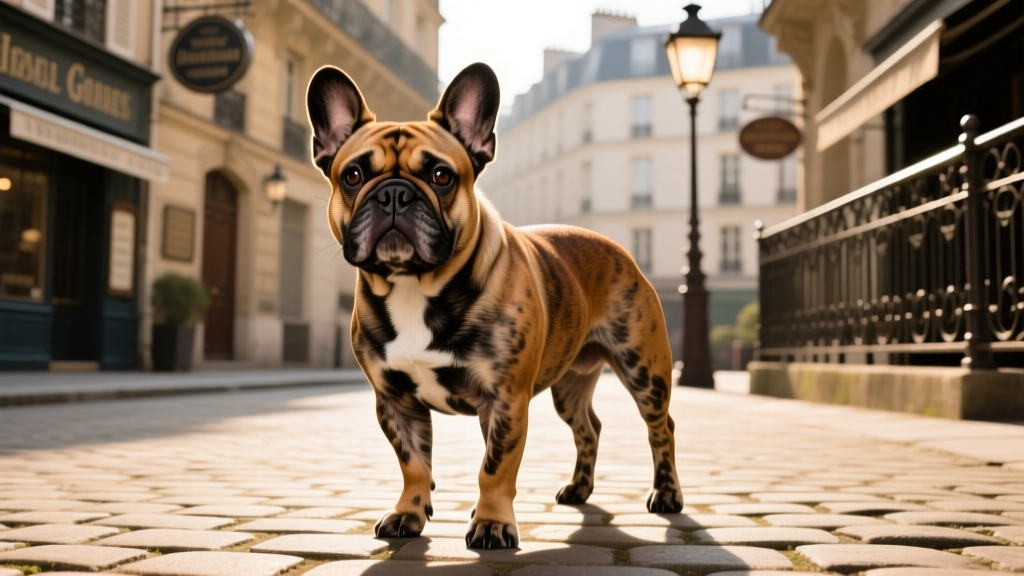
The French Bulldog Origin Story: From English Workshops to Parisian Cafés
The French Bulldog origin traces back to an unlikely place: the lace-making workshops of Nottingham, England, during the 1800s. English Bulldogs had been used for bull-baiting, but when that blood sport was outlawed in 1835, breeders began downsizing the Bulldog into a companion-sized "Toy Bulldog." These small bulldogs, typically weighing 12–25 lb (5.4–11.3 kg), became favorites among lacemakers who kept them on their laps for warmth and rat-catching in cramped workshops.
When the Industrial Revolution displaced thousands of English lacemakers in the 1860s, many relocated to Normandy and Paris, bringing their small bulldogs with them. French breeders crossed these imports with local Parisian ratting dogs and possibly Pugs and Terrier types, refining the breed's distinctive bat ears, compact frame, and even temperament. By the 1880s, the "Bouledogue Français" had become a status symbol among Parisian artists, writers, and the demimonde — Toulouse-Lautrec and Colette both kept Frenchies.
American tourists visiting France in the 1890s fell in love with the breed and brought specimens home. The French Bulldog Club of America was founded in 1897, and the American Kennel Club officially recognized the breed in 1898. A pivotal debate at early American shows centered on ear shape: American breeders insisted on the upright "bat ear," while French and British fanciers sometimes accepted rose ears. The bat ear standard prevailed and remains the breed hallmark today.
By 2023, the French Bulldog had risen to the number-one most popular AKC-registered breed in the United States, a position it continues to hold through 2026.
| Attribute | Detail |
|---|---|
| Size Class | Small / Non-Sporting Group |
| Weight | 16–28 lb (7.3–12.7 kg) |
| Height | 11–13 inches (28–33 cm) at the shoulder |
| Lifespan | 10–12 years |
| Coat Type | Short, smooth, fine — single coat |
| Colors | Brindle, fawn, cream, pied, blue (non-standard), lilac (non-standard) |
| Energy Level | Low to moderate |
| Grooming Needs | Low — weekly brushing |
| AKC Group | Non-Sporting |
| FCI Group | Group 9 — Companion and Toy Dogs |
Physical Characteristics: What a Frenchie Actually Looks Like
The French Bulldog is a compact, muscular dog that punches above its weight class in density. Adult males typically weigh 20–28 lb (9.1–12.7 kg), while females range from 16–24 lb (7.3–10.9 kg). Height at the withers stands between 11–13 inches (28–33 cm). Despite their small stature, Frenchies are notably heavy for their size — picking one up often surprises first-time owners.
Key physical hallmarks include:
- Bat ears: Large, upright, rounded at the tips, set high on the skull — the defining breed trait
- Brachycephalic head: Flat-faced (mesocephalic-to-brachycephalic) with a pushed-in nose, pronounced stop, and loose wrinkled skin around the muzzle
- Body structure: Stocky, broad-chested, with a short corkscrew or straight tail (never docked)
- Coat: Single-layered, short, smooth, and fine-textured — sheds moderately year-round with seasonal increases
- Gait: Characteristic rolling, slightly loose movement due to front-heavy build and short limbs
Non-standard colors like blue, lilac, merle, and chocolate are heavily marketed at premium prices ($5,000–$15,000+) but carry significant health concerns linked to color-dilution alopecia and unregulated breeding practices. The AKC breed standard disqualifies these colors from conformation showing.
Temperament & Personality: Five Core Frenchie Traits
French Bulldogs were engineered for companionship, and their personality reflects centuries of selective breeding for human proximity. Here are the five traits that define the breed:
1. Velcro attachment. Frenchies follow their owners room to room, sleep pressed against legs, and are prone to separation anxiety when left alone for more than 4–6 hours. This is not a dog that does well in a backyard or with 10-hour solo workdays.
2. Comedic clownishness. Frenchies are famous for "zoomies," snorting fits, head-tilts, and dramatic sighing. They are expressive dogs that seem to enjoy making their owners laugh, often performing behaviors that previously earned attention on repeat.
3. Stubborn selectivity. A Frenchie will reliably come when called — unless something more interesting exists. This is not low intelligence; it is independent decision-making. They learn commands quickly but choose when to comply.
4. Low aggression, high sociability. Frenchies score well in temperament testing. The American Temperament Test Society reports an 89.6% pass rate for French Bulldogs, above the average for all breeds. They typically greet strangers with curiosity rather than suspicion.
5. Quiet demeanor. Frenchies bark infrequently compared to other small breeds. They are more likely to grunt, snort, yodel, or "talk" than to produce sustained barking — making them strong apartment candidates.
Exercise & Activity Needs: Avoiding the Overheating Trap
French Bulldogs need approximately 30–45 minutes of structured activity per day, ideally split into two sessions. Their brachycephalic anatomy means they cannot thermoregulate efficiently, making exercise planning critical.
| Activity Type | Duration | Frequency | Notes |
|---|---|---|---|
| Leash walk (morning) | 15–20 minutes | Daily | Before 10 AM in summer; use harness, not collar |
| Leash walk (evening) | 10–15 minutes | Daily | After 7 PM in warm months |
| Indoor play / tug / puzzle toys | 10–15 minutes | Daily | Snuffle mats, Kong Wobbler, flirt pole (low) |
| Supervised off-leash yard time | 10–20 minutes | 3–5x/week | Fenced area; monitor for heavy panting |
| Swimming / water play | — | Never unsupervised | Frenchies cannot swim due to front-heavy build; life vest required |
Heat safety thresholds: When the outdoor temperature exceeds 80°F (27°C) or humidity exceeds 50%, limit outdoor activity to brief bathroom breaks. Brachycephalic dogs can develop heatstroke within 10–15 minutes in these conditions. Signs include excessive panting, blue-tinged gums, stumbling, and collapse — all veterinary emergencies.
Frenchies are poor candidates for jogging partners, hiking companions, or agility sports. Their exercise profile suits owners who prefer short neighborhood walks and indoor play over athletic pursuits.
Common Health Issues: What Frenchie Owners Must Know
The French Bulldog's distinctive anatomy comes with significant health trade-offs. Prospective owners should budget for higher-than-average veterinary costs and consider pet insurance (typical premiums: $50–$90/month for a Frenchie puppy).
| Condition | Prevalence | Typical Onset | Estimated Treatment Cost |
|---|---|---|---|
| Brachycephalic Obstructive Airway Syndrome (BOAS) | ~50–60% of Frenchies show clinical signs | 6 months–3 years | $2,500–$7,000 (stenotic nares + soft palate surgery) |
| Intervertebral Disc Disease (IVDD) | ~15–20% lifetime risk | 3–7 years | $3,000–$8,000 (surgical decompression) |
| Atopic Dermatitis / Skin Fold Infections | ~30–40% | 1–4 years | $200–$800/year (ongoing management) |
| Hip Dysplasia | ~10–12% (OFA data) | 1–5 years | $3,500–$7,000 (total hip replacement) |
| Patellar Luxation | ~8–10% | 1–4 years | $1,500–$3,500 per knee |
BOAS explained: Brachycephalic Obstructive Airway Syndrome is caused by the breed's shortened skull, which compresses soft tissue into the airway. Affected dogs have elongated soft palates, narrowed nostrils (stenotic nares), and sometimes a hypoplastic trachea. Surgical correction of the nares and soft palate significantly improves quality of life and is best performed between 1–3 years of age. Consult your veterinarian about BOAS screening — a simple respiratory function grading scheme is now available at many veterinary teaching hospitals.
IVDD risk: French Bulldogs are chondrodystrophic (dwarf) breeds, meaning their intervertebral discs calcify prematurely. A disc can herniate with minimal trauma — jumping off a couch is a documented trigger. Using ramps for furniture access and maintaining lean body weight (body condition score 4–5/9) are the most impactful preventive measures.
Anesthesia sensitivity: Brachycephalic dogs carry higher anesthesia risk. Always choose a veterinary clinic experienced with brachycephalic airway management, and ensure pre-anesthetic bloodwork and pulse oximetry monitoring are standard protocol.
Emergency Red Flags — Call Your Vet or ER Immediately:
- Blue or gray gums/tongue (cyanosis)
- Labored breathing with abdominal effort
- Unable to lie down comfortably / sleep apnea episodes
- Sudden hind-limb weakness or paralysis
- Loss of deep pain sensation in toes
- Non-productive retching with abdominal distension (bloat — rare but possible)
Grooming Requirements: Low-Maintenance With Key Exceptions
French Bulldogs are relatively easy to groom, but three areas demand consistent attention to prevent infections:
| Task | Frequency | Tools / Products |
|---|---|---|
| Full-body brushing | 1–2x/week | Rubber curry brush (Kong ZoomGroom) or bristle brush |
| Facial wrinkle cleaning | 2–3x/week (daily in humid climates) | Unscented dog wipes or damp cotton rounds; dry thoroughly |
| Ear cleaning | Weekly | Veterinarian-recommended ear cleanser (e.g., Epi-Otic Advanced); cotton balls, never Q-tips |
| Nail trimming | Every 2–3 weeks | Guillotine or scissor-style clippers; Dremel 7300-PT for grinding |
| Bathing | Every 4–6 weeks or as needed | Oatmeal-based or hypoallergenic dog shampoo (Earthbath, Burt's Bees) |
| Tail pocket cleaning | 2–3x/week (screw-tail dogs) | Chlorhexidine wipes; check for redness/odor |
The facial wrinkles and tail pocket (in corkscrew-tailed individuals) are yeast and bacteria traps. Untreated fold dermatitis leads to painful infections requiring topical or systemic antibiotics. A quick wipe-and-dry routine prevents the vast majority of cases.
Training & Intelligence: Smart but Self-Directed
French Bulldogs rank 58th out of 138 breeds in Stanley Coren's The Intelligence of Dogs for working/obedience intelligence — placing them in the "fair" category, meaning they typically require 25–40 repetitions to learn a new command and obey on the first attempt about 50% of the time. However, this ranking reflects willingness to obey on cue, not raw problem-solving ability. Frenchies excel at learning routines, reading owner emotions, and figuring out how to access food or attention.
Recommended training approach:
- Positive reinforcement only. Food-motivated rewards work best. Use high-value treats (freeze-dried liver, small cheese pieces) for new behaviors and kibble for maintenance.
- Short sessions. 5–10 minutes, 2–3 times daily. Frenchies lose focus quickly and overheat easily during physical training.
- Early socialization window. Between 8–16 weeks, expose your Frenchie puppy to 100+ novel stimuli (surfaces, sounds, people, other dogs) to build confidence. Puppy kindergarten classes (AKC S.T.A.R. Puppy or equivalent) are strongly recommended.
- Housebreaking patience. Frenchies are notoriously slow to house-train — expect 4–8 months for reliable reliability. Crate training, consistent schedule, and enzymatic cleaners (Nature's Miracle) are essential.
- Never use aversive methods. Shock collars, prong collars, and alpha rolls damage the trust-based bond Frenchies need and can trigger fear-based aggression in a breed not naturally inclined toward it.
Family Suitability & Living Environment
With children: French Bulldogs are generally excellent with children due to their sturdy build (less fragile than Chihuahuas or Toy Poodles), low prey drive, and tolerance for handling. However, children under 5 should always be supervised — a Frenchie's protruding eyes are vulnerable to accidental pokes, and their spine cannot withstand being picked up incorrectly. Teach children to support the chest and hindquarters simultaneously.
With other pets: Most Frenchies coexist peacefully with other dogs and cats, especially when raised together. Same-sex aggression can occur in intact males; spay/neuter reduces this risk. Frenchies have a moderate prey drive toward small rodents — use caution with hamsters, guinea pigs, or rabbits.
Apartment living: French Bulldogs are among the best breeds for apartments and condos. Their low bark frequency, moderate size, and low exercise requirements make them ideal for urban environments. The primary concern is climate control — apartments must have reliable air conditioning in warm months.
- Exceptional companion bond — deeply attuned to owner's emotions
- Low exercise needs suit sedentary or busy lifestyles
- Minimal barking — apartment and neighbor-friendly
- Compact size fits small living spaces
- Low grooming requirements (no professional grooming needed)
- Generally good with children and other pets
- High veterinary costs due to brachycephalic health issues
- Cannot tolerate heat or strenuous exercise
- Prone to separation anxiety — not ideal for long workdays
- Cannot swim — drowning risk without a life vest
- Slow to house-train (4–8 months typical)
- Snoring, flatulence, and snorting are daily realities
- High purchase price from responsible breeders
Cost of Ownership: Budgeting for a French Bulldog
French Bulldogs are among the most expensive dog breeds to purchase and maintain. Here is a realistic cost breakdown for 2026:
| Expense Category | Cost Range (USD) | Frequency |
|---|---|---|
| Puppy from responsible breeder (health-tested parents, AKC registered) | $2,500–$5,500 | One-time |
| Adoption from breed-specific rescue | $400–$1,200 | One-time |
| Puppy vaccination series (DHPP + rabies, 3 visits) | $250–$500 | First year |
| Spay/neuter | $500–$1,200 | One-time |
| High-quality kibble or fresh food (e.g., Royal Canin French Bulldog, Nom Nom) | $50–$120/month | Ongoing |
| Pet insurance (comprehensive plan) | $50–$90/month | Ongoing |
| Routine vet care (annual exam, bloodwork, preventives) | $600–$1,200/year | Annual |
| Emergency fund recommendation | $3,000–$5,000 | Reserve |
| BOAS corrective surgery (if needed) | $2,500–$7,000 | Potential one-time |
| Estimated first-year total | $5,500–$10,000+ | Year one |
| Estimated annual cost (years 2+) | $2,000–$4,000 | Ongoing |
Breeder vs. rescue: Responsible breeders perform OFA or PennHIP hip evaluations, cardiac exams, patellar luxation checks, and BOAS respiratory grading on parent dogs. They provide a written health guarantee, take-back clause, and AKC registration. Equally valid is adopting through breed-specific rescues like the French Bulldog Rescue Network (FBRN), which places dogs in foster homes for behavioral and medical evaluation before adoption.
Frequently Asked Questions About French Bulldogs
Is the French Bulldog right for first-time owners?
Yes, with caveats. Frenchies are forgiving of beginner mistakes in training due to their low aggression and high food motivation. However, first-time owners must be prepared for the health management burden (BOAS monitoring, skin fold care, heat safety) and the financial commitment. If you can budget $3,000–$5,000/year in ongoing care and commit to a force-free training class, a Frenchie is a viable first dog.
How much exercise does a French Bulldog need daily?
Aim for 30–45 minutes total per day, split into two short leash walks (15–20 minutes each) plus 10–15 minutes of indoor play. Avoid exercise when temperatures exceed 80°F (27°C). Mental stimulation (puzzle feeders, snuffle mats, training sessions) counts toward their daily activity budget and is especially valuable on hot days.
What health problems are French Bulldogs most prone to?
The top breed-specific concerns are Brachycephalic Obstructive Airway Syndrome (BOAS, affecting roughly 50–60%), Intervertebral Disc Disease (IVDD, ~15–20% lifetime risk), atopic dermatitis and skin fold infections (~30–40%), hip dysplasia (~10–12%), and patellar luxation (~8–10%). Pet insurance and a $3,000–$5,000 emergency fund are strongly recommended.
How big does a French Bulldog get?
Adult French Bulldogs stand 11–13 inches (28–33 cm) at the shoulder and weigh 16–28 lb (7.3–12.7 kg). Males tend toward the upper range (20–28 lb), females toward the lower (16–24 lb). There is no "miniature" or "teacup" variety recognized by any major kennel club — dogs marketed as such are typically runts or the product of unethical breeding.
Are French Bulldogs good with children and other pets?
Generally yes. Frenchies are sturdy enough for gentle children, have low prey drive toward cats, and are sociable with other dogs. Supervise interactions with children under 5 to protect the dog's prominent eyes and spine. Introduce to small pets (hamsters, rabbits) cautiously due to residual terrier-type prey instincts.
How much does a French Bulldog cost to buy and maintain?
Expect to pay $2,500–$5,500 for a puppy from a health-testing breeder, or $400–$1,200 through breed rescue. First-year costs typically total $5,500–$10,000 including veterinary care, supplies, and insurance. Annual costs after year one average $2,000–$4,000, rising significantly if BOAS surgery or IVDD treatment is needed.
Why are French Bulldogs so expensive?
Most French Bulldogs cannot breed or whelp naturally due to their narrow hips and large-headed puppies. Approximately 80%+ of Frenchie litters are delivered via cesarean section, and artificial insemination is the standard breeding method. These veterinary procedures add $2,000–$5,000 per litter to the breeder's costs, which is reflected in puppy pricing.
This article is for informational purposes only and does not replace professional veterinary advice. Always consult your veterinarian for health decisions specific to your dog. For breed-standard reference, see the AKC French Bulldog page. For detailed health information, the Merck Veterinary Manual is an excellent resource.
Jonas Cole
All our authors care for dogs every day — read more of their work on the authors page.


