English Mastiff Weight Guide: Growth, Adult Size & Care
English Mastiff weight guide covering adult size ranges, growth milestones, health risks linked to giant-breed mass, and daily care costs for 2026 owners.
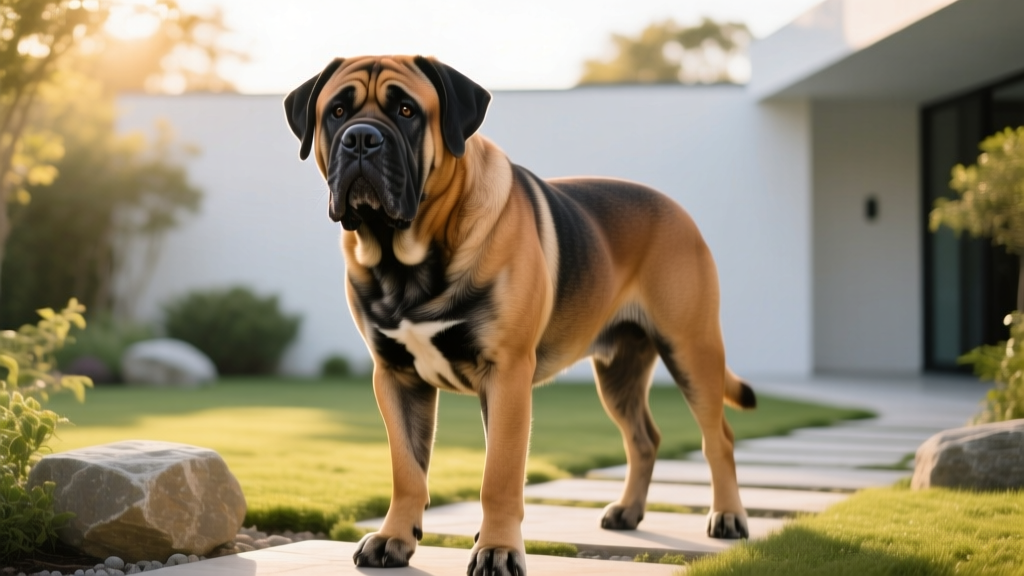
Understanding English Mastiff Weight: What Makes This Breed a True Giant
If you've ever stood next to an adult English Mastiff, you already know the numbers are staggering — but understanding English Mastiff weight goes far beyond a single figure on a scale. This breed holds the record for heaviest dog ever documented (Zorba, at 343 lb / 155.6 kg), and even average individuals routinely tip the scales past what most adult humans weigh. For prospective owners, the practical implications of giant-breed mass affect everything from veterinary dosing and joint health to the size of your vehicle and the strength of your leash arm.
The English Mastiff descends from ancient Molosser war dogs used by Celtic tribes and later by Roman legions as arena and battlefield animals. By the 14th century, English nobility kept them as estate guardians. The breed nearly vanished after World War II — only 14 Mastiffs remained in England by 1946 — but dedicated breeders in the US and UK rebuilt the population. Today's Mastiff is a calm, dignified companion far removed from its combative ancestors, though its sheer physical presence remains its defining trait.
| Attribute | English Mastiff Standard |
|---|---|
| Size Class | Giant |
| Male Weight | 160–230 lb (73–104 kg) |
| Female Weight | 120–170 lb (54–77 kg) |
| Male Height (at withers) | 30+ inches (76+ cm) |
| Female Height (at withers) | 27.5+ inches (70+ cm) |
| Lifespan | 6–10 years (median 7.5) |
| Coat Type | Short, double coat — straight outer, dense under |
| Energy Level | Low to moderate |
| Grooming Frequency | Weekly brushing, seasonal deshedding |
| Family Fit | Excellent with children; moderate with other pets |
English Mastiff Growth Chart: Puppy to Adult Weight Milestones
Mastiff puppies grow rapidly but don't reach full skeletal maturity until 18–24 months. Muscle mass continues developing up to age 3. Tracking weight against expected milestones helps you catch growth abnormalities early — both stunted growth (possible nutritional deficit or portosystemic shunt) and excessive gain (joint-loading risk).
| Age | Expected Male Weight | Expected Female Weight | Notes |
|---|---|---|---|
| 8 weeks | 20–30 lb (9–14 kg) | 18–25 lb (8–11 kg) | Typical adoption age |
| 3 months | 35–50 lb (16–23 kg) | 30–45 lb (14–20 kg) | Rapid growth phase begins |
| 6 months | 80–110 lb (36–50 kg) | 65–90 lb (29–41 kg) | ~60% of adult weight |
| 9 months | 110–150 lb (50–68 kg) | 90–120 lb (41–54 kg) | Growth rate begins slowing |
| 12 months | 140–180 lb (64–82 kg) | 110–140 lb (50–64 kg) | ~85% of adult weight |
| 18 months | 155–210 lb (70–95 kg) | 115–160 lb (52–73 kg) | Skeletal maturity approaching |
| 24 months | 160–230 lb (73–104 kg) | 120–170 lb (54–77 kg) | Full height; still filling out |
| 36 months | 170–230 lb (77–104 kg) | 125–170 lb (57–77 kg) | Full muscular maturity |
Body Condition Score (BCS) matters more than raw weight. A 200 lb Mastiff with visible waist tuck and palpable ribs is healthier than a 180 lb Mastiff with no waist definition. Aim for a BCS of 4–5 on the 9-point Purina scale. You should feel ribs without pressing hard, and see a slight abdominal tuck from the side.
Temperament & Personality: The Gentle Giant in Practice
The AKC breed standard describes the Mastiff as "courageous, docile, and good-natured." In daily life, this translates to five core behavioral traits:
- Calm indoor presence: Adult Mastiffs are notorious couch potatoes. They'll claim an entire three-cushion sofa and barely move for hours. Don't mistake this laziness for low intelligence — they're conserving energy and observing.
- Protective without aggression: A Mastiff will position itself between you and a stranger at the door, but rarely bites. Their deterrent is size and a deep, resonant bark. They assess threats rather than react impulsively.
- Strong bonding with family: Mastiffs follow their people room to room ("Velcro dogs" applies here despite their size). Separation anxiety is common if left alone more than 6–8 hours regularly.
- Stubborn streak in training: They're intelligent but independent. A Mastiff may look at you, understand the command, and decide it's not worth the effort. This isn't defiance — it's a breed that was selected to make its own judgments as a guardian.
- Gentle with children: Well-socialized Mastiffs tolerate ear-pulling, tail-grabbing, and toddler climbing with remarkable patience. However, a 180 lb dog can accidentally crush a small child by lying down, so supervision is non-negotiable for kids under 5.
Exercise & Activity: How Much Does a Giant Breed Actually Need?
Despite their mass, English Mastiffs need consistent daily exercise to maintain joint health and prevent obesity — a condition that accelerates hip and elbow dysplasia progression. Here's what works:
| Life Stage | Daily Exercise | Activity Types | Avoid |
|---|---|---|---|
| Puppy (2–12 months) | 5 min per month of age, twice daily | Free play on grass, short leash walks | Forced running, stairs, jumping |
| Young Adult (1–3 years) | 30–45 minutes | Leash walks, gentle hiking, swimming | High-impact agility, long-distance running |
| Adult (3–7 years) | 30–45 minutes | Two 20-min walks, yard time, cart-pulling | Exercise in heat above 80°F (27°C) |
| Senior (7+ years) | 15–30 minutes | Short slow walks, gentle stretching | Slippery floors, steep inclines |
Heat sensitivity is critical. As a brachycephalic-adjacent breed (shorter muzzle than dolichocephalic breeds, though not as extreme as Bulldogs), Mastiffs overheat rapidly. Walk during early morning or evening when temperatures exceed 75°F (24°C). Always carry water and watch for excessive panting, dark red gums, or stumbling — signs of heatstroke that require immediate veterinary attention.
Health Risks Linked to English Mastiff Weight & Giant-Breed Physiology
Giant breeds face a unique cluster of health conditions directly related to their mass. Understanding these helps you advocate for preventive care and budget realistically for veterinary expenses. Always consult your veterinarian for breed-specific screening recommendations.
| Condition | Description | Prevalence | Prevention / Management |
|---|---|---|---|
| Gastric Dilatation-Volvulus (GDV / Bloat) | Stomach fills with gas and twists — life-threatening emergency | Estimated 20–25% lifetime risk in giant deep-chested breeds | Prophylactic gastropexy at spay/neuter; slow-feed bowls; no exercise 1 hr before/after meals |
| Hip Dysplasia | Malformed hip joint causing progressive arthritis | ~24% of Mastiffs scored by OFA show dysplastic hips | Maintain lean BCS; avoid puppy overnutrition; OFA screening of breeding stock |
| Elbow Dysplasia | Abnormal elbow joint development leading to lameness | ~12–15% prevalence in screened Mastiffs | Weight management; joint supplements (glucosamine/chondroitin); surgical options |
| Dilated Cardiomyopathy (DCM) | Enlarged, weakened heart muscle reducing pumping efficiency | Higher in giant breeds; exact Mastiff prevalence under study | Annual cardiac auscultation; echocardiogram from age 4; taurine-supplemented diet |
| Osteosarcoma | Aggressive bone cancer, typically in front limbs | Giant breeds 2x+ risk vs. medium breeds; accounts for ~85% of canine bone tumors | No proven prevention; early detection via limb X-rays if swelling or lameness appears |
Emergency Red Flags — Call Your Vet or ER Clinic Immediately:
- Unproductive retching or dry heaving with a distended abdomen (GDV)
- Sudden collapse or inability to stand
- Pale or blue-tinged gums
- Labored breathing or open-mouth panting at rest
- Acute rear-limb weakness or dragging
Annual veterinary costs for a healthy adult Mastiff average $800–$1,200 for routine care (vaccines, heartworm test, bloodwork). However, a single GDV emergency surgery runs $3,000–$7,000, and osteosarcoma treatment (amputation + chemotherapy) can exceed $10,000. Pet insurance premiums for Mastiffs range from $80–$150/month depending on coverage level and deductible — worth considering given the breed's risk profile.
Training, Grooming & Daily Care for a 200 lb Dog
Trainability
Mastiffs rate moderate on trainability — they learn commands but don't live to obey like a Border Collie. Force-free, positive reinforcement methods work best. Food motivation is high (they'll work for kibble, freeze-dried liver, or cheese), but sessions must stay under 10–15 minutes before boredom sets in. Early socialization (weeks 8–16) is critical: expose puppies to 100+ people, surfaces, sounds, and other dogs to prevent fear-based guarding later. Puppy classes at facilities with giant-breed experience are ideal — a 60 lb Mastiff puppy pulling on a leash is already harder to manage than most adult dogs.
Never use prong collars, shock collars, or alpha rolls on Mastiffs. Their pain tolerance is high enough that aversive tools must be cranked to dangerous levels to "work," and the breed's protective instinct means pain-based corrections can trigger defensive aggression.
Grooming Requirements
| Task | Frequency | Tools Needed |
|---|---|---|
| Brushing | Weekly (daily during spring/fall shed) | Rubber curry brush or medium-bristle brush |
| Bathing | Every 6–8 weeks or as needed | Oatmeal-based shampoo; handheld sprayer for large tub |
| Nail trimming | Every 2–3 weeks | Guillotine or scissor clippers (large breed size); grinder optional |
| Ear cleaning | Weekly | Veterinary ear cleanser; cotton balls (never Q-tips) |
| Wrinkle care | Daily | Damp cloth to clean facial folds; dry thoroughly to prevent yeast |
| Dental care | Daily brushing ideal, minimum 3x/week | Dog toothpaste (never human); large finger brush or gauze wrap |
Drool management is a real lifestyle factor. Mastiffs produce significant saliva, especially after drinking or eating. Keep drool rags in every room. Furniture covers are strongly recommended. Some owners use a "drool bib" or snood during meals.
Family Suitability & Living Environment
- Exceptionally gentle and patient with children
- Low exercise needs compared to other giant breeds
- Minimal barking — only alerts when something is genuinely unusual
- Short coat is easy to maintain
- Natural deterrent to intruders through size alone
- High food costs ($120–$200/month for quality giant-breed kibble)
- Significant drool and shedding
- Short lifespan (6–10 years) — emotionally difficult
- Requires large vehicle for transport (SUV or minivan with ramp)
- Not suitable for apartments or homes without ground-floor access
With children: Excellent for families with kids aged 5+. Toddlers risk accidental injury from the dog lying down or bumping into them. Teach children to respect the dog's resting space — Mastiffs need a designated retreat (a giant-sized orthopedic bed, at least 48x40 inches).
With other pets: Mastiffs raised with cats or smaller dogs from puppyhood typically coexist peacefully. Introducing an adult Mastiff to a household cat requires slow desensitization over 2–4 weeks. Same-sex dog aggression can occur, particularly between intact males — spay/neuter reduces this risk.
Apartment living: Possible but challenging. A Mastiff doesn't need a yard if walked twice daily, but you'll need a ground-floor unit or elevator access. Stairs cause cumulative joint damage in giant breeds. Check your lease — many landlords impose breed or weight restrictions that exclude Mastiffs.
Cost of Ownership: Buying and Maintaining an English Mastiff
| Expense Category | Estimated Cost Range (USD) |
|---|---|
| Puppy from responsible breeder (health-tested parents, AKC registered) | $1,500–$3,500 |
| Adoption from Mastiff rescue organization | $300–$600 |
| Initial supplies (XL crate, giant bed, heavy-duty leash/harness, bowls) | $500–$900 |
| Annual food (premium giant-breed formula, ~50–80 lb/month) | $1,400–$2,400 |
| Annual routine veterinary care | $800–$1,200 |
| Heartworm + flea/tick prevention (year-round) | $300–$500 |
| Pet insurance (monthly premium × 12) | $960–$1,800 |
| Grooming supplies and occasional professional baths | $100–$300 |
| First-year total (puppy purchase + care) | $5,500–$10,600 |
| Ongoing annual cost (years 2+) | $3,500–$6,700 |
When sourcing a puppy, responsible breeders perform OFA hip and elbow evaluations, cardiac exams, and cystinuria DNA testing on both parents. Ask for documentation — the Orthopedic Foundation for Animals database lets you verify results independently. Rescue adoption through groups like the Mastiff Club of America's rescue network is an equally valid option, particularly for families wanting an adult dog with known temperament.
Frequently Asked Questions About English Mastiff Weight & Care
Is the English Mastiff right for first-time dog owners?
Generally no. While Mastiffs are gentle, their size creates management challenges that overwhelm inexperienced owners: leash pulling from a 150 lb adolescent, emergency vet transport logistics, and the emotional weight of a 7-year lifespan. First-time owners who are set on the breed should partner with a professional trainer from day one and consider adopting an adult Mastiff (age 3+) with a known temperament rather than navigating puppyhood.
How much exercise does an English Mastiff need daily?
Adult Mastiffs need 30–45 minutes of low-impact exercise daily, ideally split into two 15–20 minute leash walks plus optional yard time. Puppies follow the "5 minutes per month of age" rule to protect developing growth plates. Swimming is excellent for Mastiffs because it's zero-impact on joints.
What health problems are English Mastiffs most prone to?
The top concerns are gastric dilatation-volvulus (bloat), hip and elbow dysplasia, dilated cardiomyopathy, and osteosarcoma. Prophylactic gastropexy (tacking the stomach to the abdominal wall) during spay/neuter surgery reduces GDV risk by over 90% and is strongly recommended by veterinary surgeons for all giant deep-chested breeds.
How big does an English Mastiff get?
Males typically reach 160–230 lb (73–104 kg) and stand 30+ inches at the shoulder. Females are 120–170 lb (54–77 kg) and 27.5+ inches tall. Some males exceed 250 lb while maintaining healthy body condition. Full physical maturity takes 2–3 years.
Are English Mastiffs good with children and other pets?
Yes, with caveats. They're among the most patient breeds with children, but their size poses accidental injury risk to toddlers. With other pets, early socialization is key — Mastiffs raised alongside cats and smaller dogs do well, but their prey drive toward unfamiliar small animals varies individually.
How much does it cost to buy and maintain an English Mastiff?
Expect $1,500–$3,500 for a responsibly bred puppy, or $300–$600 through rescue. Annual care runs $3,500–$6,700 including food, veterinary care, insurance, and supplies. The first year (with initial purchases) typically costs $5,500–$10,600. Budget for potential emergency expenses — a single GDV surgery can cost $3,000–$7,000.
Sources: American Kennel Club — Mastiff Breed Standard, Orthopedic Foundation for Animals, Merck Veterinary Manual
Priya Sutaria
All our authors care for dogs every day — read more of their work on the authors page.


