What Your Dog's Stool Reveals About Their Health
Use our dog poop color chart to decode what your dog's stool color, consistency, and content reveals about digestive health, diet, and when to call the vet.
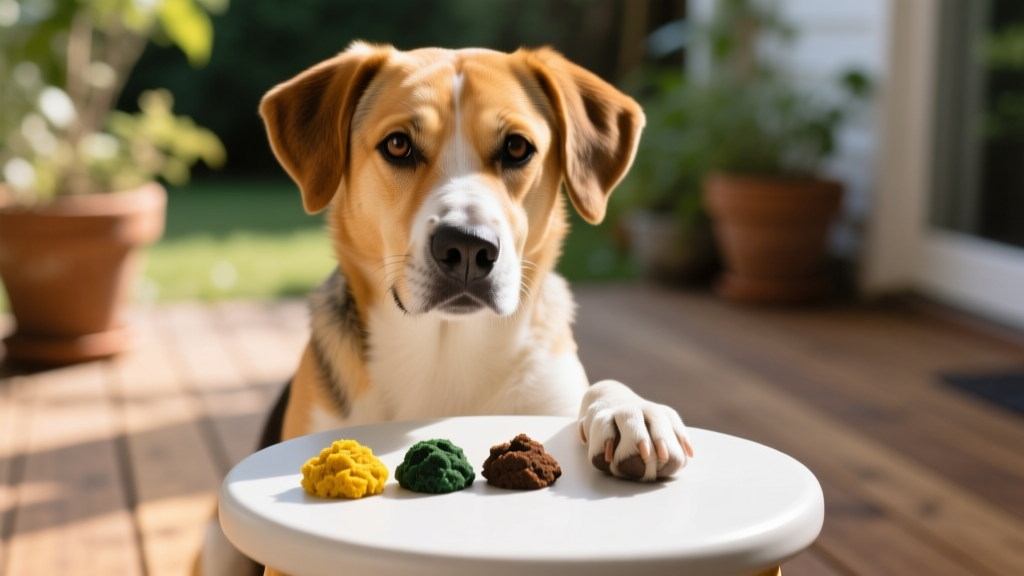
If you've ever scooped your dog's waste and paused at an unexpected shade of brown — or something decidedly not brown — you're not alone. Stool color is one of the most accessible, real-time health indicators a dog owner has. While most healthy dog stool falls within a narrow band of chocolate brown, deviations can signal anything from a harmless dietary change to a life-threatening gastrointestinal bleed.
This dog poop color chart gives you a practical, evidence-based framework for interpreting what you find in the yard or on your morning walk. We'll cover what each color means, when to monitor at home, and when to call your veterinarian immediately.
- Color: Chocolate brown (varies slightly with diet)
- Consistency: Firm but pliable, like Play-Doh — holds shape but yields to pressure
- Content: No visible worms, mucus, blood, or undigested food
- Coating: No slimy film or excessive mucus layer
The Complete Dog Poop Color Chart
| Color | Possible Causes | Urgency Level |
|---|---|---|
| Chocolate Brown | Normal, healthy stool. Color comes from bilirubin breakdown in the digestive tract. | ✅ Normal |
| Orange or Yellow | Rapid transit through GI tract (food moving too fast for proper bile breakdown), liver or gallbladder issues, or dietary change (sweet potato, carrot-heavy diets). | ⚠️ Monitor — call vet if persists more than 2 bowel movements |
| Green | Grass consumption (common and usually harmless), gallbladder issues, or rat poison ingestion (some anticoagulant baits contain green dye). | ⚠️ Monitor — 🚨 EMERGENCY if rat poison suspected |
| Red Streaks or Bright Red | Lower GI bleeding (colitis, anal gland issues, rectal polyps, hemorrhagic gastroenteritis). Bright red = fresh blood from colon or rectum. | 🚨 Call vet within 24 hours |
| Black or Tarry | Upper GI bleeding (stomach or small intestine). Blood turns black as it's digested. Can also result from iron supplements or Pepto-Bismol. | 🚨 EMERGENCY — call vet immediately |
| Gray or White | Bile duct obstruction, liver dysfunction, pancreatic insufficiency, or high-bone raw diet (calcium-rich stool turns chalky white as it dries). | 🚨 Call vet within 24 hours |
| White Specks or Rice-Like Segments | Tapeworm segments (proglottids). Often look like grains of rice or sesame seeds, may be moving. | ⚠️ Schedule vet visit for deworming |
| Purple or Dark Maroon | Severe internal bleeding, hemorrhagic gastroenteritis (HGE), or parvovirus in unvaccinated dogs. | 🚨 EMERGENCY — immediate veterinary care |
What Normal Dog Stool Should Look Like
Healthy dog stool is the result of a well-functioning digestive process. The characteristic chocolate brown color comes from stercobilin, a pigment produced when the body breaks down bilirubin (a byproduct of red blood cell turnover) in the intestines. When stool passes through the colon at a normal rate, there's adequate time for this chemical process to complete.
According to the Merck Veterinary Manual, normal canine stool should be:
- Color: Medium to dark chocolate brown — slight variation is normal depending on diet
- Shape: Log-shaped, holding together when picked up
- Moisture: Moist but not watery; should leave minimal residue when picked up
- Frequency: 1-3 bowel movements per day for most adult dogs (puppies may go 4-5 times)
- Odor: Present but not overwhelmingly foul — extremely foul-smelling stool often indicates malabsorption or infection
Dogs fed kibble tend to produce larger, firmer stools compared to dogs on raw or fresh-cooked diets, where stool volume is typically smaller and darker due to higher digestibility. This is normal and not a cause for concern.
Breaking Down Each Abnormal Color
Orange or Yellow Stool
Yellow stool usually means food is moving through the digestive tract too quickly for bile to fully break down — a condition called rapid GI transit. Common triggers include:
- Sudden diet changes without a transition period
- Stress-related colitis (boarding, travel, new household members)
- Food intolerance or allergy flare-ups
- Liver disease or gallbladder dysfunction (less common but serious)
What to do: If your dog had a recent diet change or stressful event, monitor for 1-2 bowel movements. If orange/yellow stool persists beyond 48 hours, or is accompanied by vomiting, lethargy, or appetite loss, contact your veterinarian.
Green Stool
The most benign explanation: your dog ate grass. Dogs graze on grass for various reasons (fiber supplementation, instinctive behavior, mild nausea relief), and chlorophyll can tint stool green. This typically resolves within one bowel movement.
However, green stool combined with other symptoms can indicate gallbladder disease or, critically, rodenticide poisoning. Many anticoagulant rat poisons are dyed green or teal. If you suspect your dog ingested any rodenticide, this is a life-threatening emergency.
If your dog may have ingested rat poison, toxic plants, or any unknown substance, call the ASPCA Animal Poison Control Center: (888) 426-4435 (24/7, consultation fee applies) or the Pet Poison Helpline: (855) 764-7661. Do not wait for symptoms to worsen. Early intervention dramatically improves prognosis.
Red or Blood-Streaked Stool
Bright red blood in stool (hematochezia) indicates bleeding in the lower digestive tract — the colon, rectum, or anal glands. Common causes include:
- Colitis: Inflammation of the colon, often stress-triggered or diet-related. Stool may also contain mucus.
- Anal gland issues: Impacted or infected anal glands can bleed during defecation.
- Parasites: Hookworms and whipworms can cause intestinal bleeding.
- Hemorrhagic gastroenteritis (HGE): A sudden, severe condition producing "raspberry jam" stool — bloody, mucoid diarrhea. This is an emergency requiring IV fluids and hospitalization.
- Parvovirus: In unvaccinated or partially vaccinated dogs, especially puppies, bloody diarrhea with vomiting and lethargy is a hallmark sign.
A single streak of blood on otherwise normal stool may be from minor rectal irritation (straining, hard stool). But repeated bloody stools, large amounts of blood, or blood accompanied by diarrhea, vomiting, or behavioral changes require prompt veterinary evaluation.
Black or Tarry Stool
Black, tarry stool (melena) indicates digested blood from the upper GI tract — the stomach or small intestine. By the time blood reaches the rectum, it has been broken down by digestive enzymes, turning it black and giving it a sticky, tar-like consistency with a distinct metallic odor.
Causes include:
- Gastric or intestinal ulcers (often from NSAIDs like carprofen, meloxicam, or aspirin)
- Ingested blood (from licking a bleeding wound or nosebleed)
- Clotting disorders (rodenticide toxicity, immune-mediated thrombocytopenia)
- Foreign body damage (bones, toys, sticks that perforate the stomach or intestine)
This is always an emergency. Melena means active internal bleeding. Your vet will likely run bloodwork, perform imaging (X-ray or ultrasound), and may recommend endoscopy to locate the bleeding source.
Gray, White, or Chalky Stool
Gray or white stool signals one of two very different scenarios:
Scenario 1: Dietary (usually harmless). Dogs on raw diets high in bone content produce stool that turns chalky white and crumbly as it dries. The calcium from bone creates a pale, hard stool. This is common in raw-fed dogs and typically not a health concern unless the stool is consistently hard and difficult to pass (suggesting too much bone in the diet).
Scenario 2: Medical (requires veterinary attention). Fresh gray or clay-colored stool that is soft or normal in consistency suggests a lack of bile reaching the intestines. This points to bile duct obstruction, liver disease, or exocrine pancreatic insufficiency (EPI). These are serious conditions requiring diagnostic workup.
Stool Consistency Matters Too: The Bristol-Inspired Scale for Dogs
Color tells only part of the story. Consistency reveals how well your dog's colon is absorbing water and how quickly food is transiting the GI tract. Veterinary gastroenterologists often use a modified fecal scoring system:
| Score | Description | What It Means |
|---|---|---|
| 1 — Hard pellets | Small, hard, dry balls. Difficult to pass, may cause straining. | Dehydration, insufficient fiber, or constipation. Increase water intake and consult vet if persistent. |
| 2 — Firm, segmented | Log-shaped, firm, holds shape. Surface has visible segments. | Ideal stool. Easy to pick up, minimal residue. |
| 3 — Soft, log-shaped | Holds shape but soft, like a damp log. May sag slightly when picked up. | Acceptable. Common with fresh food or raw diets. Slightly higher moisture content. |
| 4 — Very soft, formless | Blobs or piles that lose shape. Difficult to pick up cleanly. | Mild GI upset, food intolerance, or dietary indiscretion. Monitor and consider bland diet. |
| 5 — Watery diarrhea | Liquid, no solid form. May be explosive or accompanied by urgency. | Infection, parasite load, dietary toxicity, HGE, or parvovirus. See vet if persists beyond 24 hours or if dog is young, old, or immunocompromised. |
When to Call the Vet: Red Flag Symptoms
- Black, tarry stool (melena) — indicates upper GI bleeding
- Large amounts of bright red blood or "raspberry jam" consistency
- Watery diarrhea lasting more than 24 hours in adult dogs (12 hours for puppies or small breeds)
- Stool accompanied by vomiting, lethargy, fever, or refusal to eat
- Repeated straining without producing stool (possible obstruction)
- Visible worms or rice-like segments in stool
- Stool that is consistently gray, white, or clay-colored
- Signs of pain or distress during defecation
- Any abnormal stool in a puppy under 16 weeks (dehydration risk is severe)
Your veterinarian will typically begin with a physical exam and fecal flotation test ($35-$65 at most clinics). Depending on findings, additional diagnostics may include:
- Fecal ELISA panel (Giardia, Cryptosporidium): $45-$80
- Complete blood count (CBC) and chemistry panel: $120-$250
- Abdominal X-rays: $200-$400
- Abdominal ultrasound: $300-$600
- Endoscopy with biopsy: $800-$2,000 (specialist referral)
Common Causes of Stool Color Changes by Category
Diet-Related Changes
The most frequent reason for temporary stool color variation is diet. Specific ingredients produce predictable shifts:
- Beet pulp, tomato-based treats: Can produce reddish tint (harmless)
- Blueberries, dark-colored treats: May cause darker or slightly greenish stool
- High-fiber foods (pumpkin, sweet potato): Often produce lighter brown, bulkier stool
- Iron supplements: Can turn stool dark black-green (harmless, but confirm with your vet)
- Bismuth-containing medications (Pepto-Bismol): Turns stool black temporarily — do not administer without veterinary guidance as salicylates can be toxic to dogs at incorrect doses
Medication and Supplement Effects
Several common canine medications alter stool appearance:
- NSAIDs (carprofen, meloxicam, deracoxib): Can cause GI ulceration leading to black/tarry stool — this is an adverse effect requiring immediate vet attention, not a normal side effect
- Antibiotics: Frequently cause soft, lighter-colored stool due to disruption of gut flora. A probiotic supplement (such as Purina FortiFlora or Proviable) can help maintain GI balance during antibiotic courses
- Activated charcoal: Used in poisoning cases, turns stool black for 24-48 hours
- Barium (contrast agent for imaging): Produces white or chalky stool for 1-2 days post-procedure
Parasite-Related Changes
Intestinal parasites are among the most common causes of abnormal stool in dogs, particularly puppies and recently adopted dogs. The CDC notes that several canine parasites are zoonotic, meaning they can transmit to humans, making prompt treatment important for the entire household.
- Roundworms: May cause soft, pale stool; sometimes visible as spaghetti-like strands
- Hookworms: Cause bloody or dark, tarry stool due to intestinal blood loss; can lead to anemia
- Whipworms: Produce mucoid, sometimes bloody diarrhea; difficult to detect on single fecal test
- Giardia: Causes pale, greasy, foul-smelling diarrhea with mucus
- Coccidia: Produces watery, sometimes bloody diarrhea, especially in puppies
The Companion Animal Parasite Council (CAPC) recommends fecal testing 2-4 times per year for adult dogs and at every puppy wellness visit. Monthly heartworm preventives that include intestinal parasite coverage (such as Heartgard Plus, Interceptor Plus, or Simparica Trio) significantly reduce parasite-related stool abnormalities.
How to Collect a Stool Sample for Your Vet
If your veterinarian requests a fecal sample, proper collection ensures accurate results:
- Collect fresh stool — ideally less than 12 hours old. Refrigerate if you can't bring it in immediately (store in a sealed container or Ziploc bag in the fridge, not the freezer).
- Amount needed: About 1-2 tablespoons (roughly the size of a walnut). You don't need a large quantity.
- Use clean tools: A plastic bag turned inside-out over your hand works perfectly. Avoid scooping from grass or soil if possible, as environmental debris can interfere with microscopic analysis.
- Label the sample: Write your dog's name, date, and time of collection on the container or bag.
- Note any abnormalities: Take a photo of the stool before collecting. Photos help your vet see the color and consistency that may change during transport.
Most veterinary clinics can process fecal flotation results within 24-48 hours. Some use in-house rapid tests (like SNAP Giardia) that provide results during your visit.
Prevention: Keeping Your Dog's Digestive System Healthy
While not all stool abnormalities are preventable, consistent digestive health reduces the frequency of concerning changes:
- Transition foods gradually: Over 7-10 days, mixing increasing amounts of new food with decreasing amounts of old food. A typical schedule: 25% new/75% old (days 1-3), 50/50 (days 4-6), 75% new/25% old (days 7-9), 100% new (day 10+).
- Maintain consistent feeding schedules: Dogs thrive on routine. Irregular feeding times can disrupt GI motility and stool quality.
- Limit treats and table scraps: Treats should comprise no more than 10% of daily caloric intake. Rich, fatty human foods are a leading cause of pancreatitis, which produces distinctive greasy, yellow-gray stool.
- Ensure adequate hydration: Dogs should drink approximately 1 ounce of water per pound of body weight daily (a 50 lb / 23 kg dog needs about 50 oz / 1.5 liters). Dehydration is a primary cause of hard, dry stool.
- Keep parasite prevention current: Monthly broad-spectrum preventives protect against the most common intestinal parasites that cause stool abnormalities.
- Avoid free-access to garbage, yard debris, and unknown substances: Dietary indiscretion ("garbage gut") is one of the most common reasons dogs present to emergency clinics with acute diarrhea.
Frequently Asked Questions
Why is my dog's poop green?
The most common cause is grass consumption, which is generally harmless and resolves within one or two bowel movements. However, if your dog hasn't eaten grass and the stool is persistently green, it could indicate a gallbladder issue. If you suspect rat poison ingestion (many brands use green dye), treat this as an emergency and contact ASPCA Poison Control at (888) 426-4435 immediately.
Is black dog poop always an emergency?
Black, tarry stool (melena) is always a reason to contact your veterinarian promptly, as it typically indicates upper GI bleeding. Exceptions include dogs that recently received activated charcoal treatment, barium imaging, or iron supplements — but even in these cases, confirm with your vet that the medication is the expected cause.
What does yellow dog poop mean?
Yellow stool usually indicates rapid GI transit — food is moving through the digestive system too quickly for bile to break down completely. This can result from stress, sudden diet changes, food intolerance, or, less commonly, liver or gallbladder disease. Monitor for 1-2 bowel movements; consult your vet if it persists or is accompanied by other symptoms.
How often should my dog poop?
Most adult dogs defecate 1-3 times per day. Puppies may go 4-5 times daily due to smaller digestive capacity and faster metabolism. Frequency varies with diet (high-fiber diets produce more stool; highly digestible raw or fresh diets produce less). A sudden increase or decrease in frequency warrants monitoring.
Can certain dog foods cause red poop?
Yes — foods containing beet pulp, tomato pomace, or artificial red dyes can produce a reddish tint to stool. This is harmless and resolves when the food is no longer in the digestive tract. However, if you cannot attribute the red color to a specific food ingredient, assume it may be blood and consult your veterinarian.
Should I save a picture of my dog's abnormal stool?
Absolutely. A clear, well-lit photograph is extremely helpful for your veterinarian. Capture the stool from multiple angles if possible, and include a common object (like a coin) for size reference. Color accuracy matters — avoid using filters or flash that might distort the shade. Many veterinarians prefer seeing a photo before you bring in a sample, as stool can change color during transport.
Marcus Aldridge
All our authors care for dogs every day — read more of their work on the authors page.


