Dog Breed Checks: 12 Breeds Ranked for First-Time Owner Compatibility
Run your dog breed checks with confidence. We rank 12 breeds for first-time owners using health, trainability, cost, and lifestyle fit criteria.
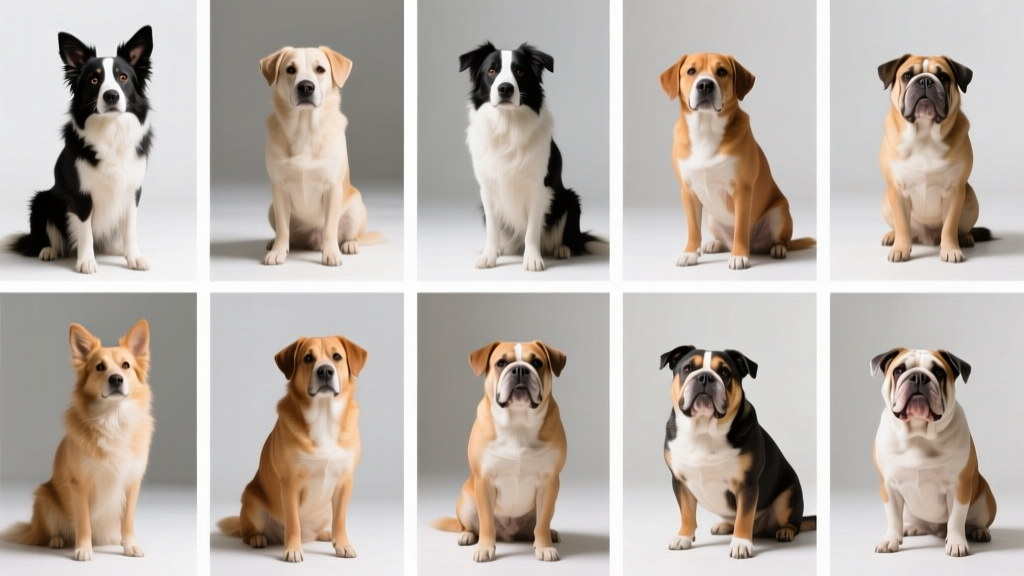
Choosing your first dog is one of the most exciting decisions you'll make — and one of the most consequential. A mismatch between your lifestyle and your dog's needs is the leading reason dogs end up in shelters within their first year. Running thorough dog breed checks before committing helps you avoid heartbreak, unexpected veterinary bills, and behavioral problems that stem from poor fit rather than poor training.
This guide ranks 12 breeds across five evidence-based criteria so you can make a decision grounded in data, not just appearance or popularity. Whether you live in a studio apartment or a house with a yard, work from home or commute daily, there's a breed on this list that aligns with your reality.
What Makes a Breed Pass the First-Time Owner Check?
Every breed on this list was evaluated against five non-negotiable factors that predict success for first-time owners. A breed had to score well in at least four of five categories to qualify:
- Trainability: Ranked in the top 40 of Stanley Coren's intelligence rankings or widely recognized by certified trainers as biddable and responsive to positive reinforcement methods.
- Health predictability: Fewer than three high-prevalence hereditary conditions; breed has OFA (Orthopedic Foundation for Animals) screening recommendations that responsible breeders follow.
- Exercise manageability: Requires 60 minutes or less of structured daily exercise — achievable for someone still learning canine enrichment.
- Temperament stability: Low stranger-directed aggression, low same-species aggression, and consistent behavior across environments as documented in AKC temperament assessments.
- Cost predictability: Annual care costs (food, preventive medications, grooming, routine vet visits) fall within $1,500–$3,000 — manageable on a typical household budget without frequent emergency expenses.
Breeds that are stunning but demanding — like Belgian Malinois or Siberian Huskies — were excluded not because they're "bad dogs," but because their needs consistently overwhelm new owners. The goal of these dog breed checks is to set you up for a 12-to-15-year partnership that strengthens over time, not one that fractures under pressure.
How We Grouped and Ranked These 12 Breeds
Rather than a simple 1-to-12 ranking, we organized breeds into three lifestyle tiers. This reflects how real adoption decisions work: your living situation and daily schedule narrow the field before temperament fine-tunes it.
Tier 1 — Apartment-Friendly & Low-Key (under 25 lb / 11 kg): Breeds that thrive in smaller spaces with moderate exercise needs.
Tier 2 — Versatile Mediums (25–60 lb / 11–27 kg): Adaptable breeds that suit apartments with a yard or suburban homes.
Tier 3 — Gentle Giants (60+ lb / 27+ kg): Larger breeds with calm temperaments and predictable care requirements.
Tier 1: Apartment-Friendly Breeds That Pass Every Check
1. Cavalier King Charles Spaniel
Size class: Toy (13–18 lb / 6–8 kg, 12–13 in / 30–33 cm)
Key trait: Exceptionally adaptable energy — content with a 20-minute walk or a 3-mile hike depending on your mood.
Cavaliers bond deeply without the velcro-dog anxiety that plagues many toy breeds. They're one of the few small breeds that reliably tolerate children's unpredictable handling, making them a top pick for young families in apartments. Their primary health concern — mitral valve disease — affects an estimated 50% of the breed by age five, so sourcing from a breeder who performs annual cardiology clearances through the OFA is essential.
Why it made the list: The Cavalier's emotional stability and low exercise floor make it nearly impossible to under-stimulate or overwhelm, two common first-time owner mistakes.
2. Bichon Frise
Size class: Small (12–18 lb / 5–8 kg, 9.5–11.5 in / 24–29 cm)
Key trait: Hypoallergenic coat with minimal shedding — ideal for allergy-sensitive households.
Bichons are cheerful, resilient little dogs that handle being left alone for 4–6 hours better than most toy breeds, provided they've had morning playtime. Their coat requires professional grooming every 4–6 weeks ($50–$80 per session), which adds roughly $500–$900 annually to care costs. They're highly trainable with positive reinforcement and excel at tricks that keep first-time owners engaged in the training process.
Why it made the list: The combination of low-shed coat, stable temperament, and moderate exercise needs creates a low-friction ownership experience.
3. Havanese
Size class: Small (7–13 lb / 3–6 kg, 8.5–11.5 in / 22–29 cm)
Key trait: Remarkably low separation anxiety incidence for a companion breed.
Originally Cuba's national dog, the Havanese is sturdy for its size and surprisingly athletic. They're one of the few toy breeds that enjoy agility and nose work without burning out. First-time owners appreciate that Havanese dogs tend to be vocal but not excessive barkers — they alert without the sustained noise that creates neighbor conflicts in apartment buildings.
Why it made the list: Their "big dog in a small package" mentality means new owners rarely feel they need to upgrade to a larger breed later.
4. Papillon
Size class: Toy (5–10 lb / 2–5 kg, 8–11 in / 20–28 cm)
Key trait: Ranked #8 in Coren's intelligence rankings — the highest-ranked toy breed.
Papillons are the overachievers of the toy group. They learn commands in 5–15 repetitions (compared to 25–40 for average breeds) and retain training exceptionally well. For first-time owners who want a small dog but worry about the "untrainable" stereotype of toy breeds, the Papillon is the antidote. Their fine bone structure means they're best suited for homes without very young children who might accidentally injure them.
Why it made the list: Intelligence combined with willingness to please is rare in toy breeds, and it dramatically shortens the house-training and manners-learning curve.
Tier 2: Versatile Medium Breeds for Growing Households
5. Labrador Retriever
Size class: Medium-Large (55–80 lb / 25–36 kg, 21.5–24.5 in / 55–62 cm)
Key trait: America's most popular breed for 31 consecutive years for good reason — they're the most forgiving breed when new owners make training mistakes.
Labradors are food-motivated, which makes positive reinforcement training nearly foolproof. They require 45–60 minutes of daily exercise and will happily match your energy level. The breed's primary risks are obesity (they'll overeat if allowed) and hip/elbow dysplasia. Reputable breeders screen for both via OFA and PennHIP evaluations. Annual care costs typically run $1,800–$2,800, with food being the largest variable due to their size.
Why it made the list: Labs are the benchmark against which other "easy" breeds are measured. Their error tolerance is unmatched.
6. Golden Retriever
Size class: Medium-Large (55–75 lb / 25–34 kg, 21.5–24 in / 55–61 cm)
Key trait: Lowest bite-force threshold among retrievers — they're exceptionally soft-mouthed and gentle.
Goldens are nearly identical to Labs in trainability but tend to mature slightly slower emotionally, maintaining puppy-like exuberance through age three or four. They require consistent socialization through the 8–16 week critical window. Cancer prevalence is notably high — studies cited by the Golden Retriever Club of America indicate approximately 60% of Goldens die from some form of cancer, making pet insurance ($40–$80/month for comprehensive coverage) a wise investment.
Why it made the list: Their patience with children, other pets, and novice handling errors makes them the default recommendation for family households.
7. Standard Poodle
Size class: Medium-Large (40–70 lb / 18–32 kg, over 15 in / 38+ cm)
Key trait: Ranked #2 in canine intelligence — they learn faster than almost any breed and don't forget.
Standard Poodles are athletic, low-shedding dogs that excel in nearly every dog sport. They require more mental stimulation than Labs or Goldens — puzzle feeders, training sessions, and novel walking routes are non-negotiable, not optional. Their coat needs professional grooming every 6–8 weeks ($60–$100 per session). Health screening should include OFA hips, eyes, and a DNA test for von Willebrand's disease.
Why it made the list: For first-time owners who want an active partnership — hiking, sports, advanced training — the Standard Poodle delivers without the stubbornness of working breeds.
8. Bernese Mountain Dog
Size class: Giant (70–115 lb / 32–52 kg, 23–27.5 in / 58–70 cm)
Key trait: Calm, low-drive temperament despite large size — they're content with 30–45 minutes of moderate exercise.
Berners are gentle giants with a strong desire to stay near their people. They're not endurance athletes and do poorly in hot climates due to their thick double coat. The breed's heartbreaking limitation is lifespan: 6–8 years on average, with cancer and degenerative myelopathy as leading causes of death. Prospective owners should budget $3,000–$4,500 in first-year costs (large-breed puppy food alone runs $60–$90/month) and emotionally prepare for a shorter companionship window.
Why it made the list: Despite the lifespan concern, their temperament is so reliably gentle that first-time owners with space and budget can succeed where more demanding giant breeds would overwhelm them.
Tier 3: Low-Maintenance Picks for Time-Strapped Owners
9. Greyhound
Size class: Large (60–70 lb / 27–32 kg, 27–30 in / 69–76 cm)
Key trait: Paradoxically one of the laziest house dogs — retired racers sleep 18–20 hours per day.
Greyhounds are sprinters, not endurance athletes. A 15–20 minute walk and a short sprint in a fenced area satisfy most adults. Retired racing Greyhounds are widely available through breed-specific rescues ($300–$500 adoption fee) and arrive already house-trained, crate-trained, and leash-manners-trained. They're sensitive dogs that respond poorly to raised voices or corrections — positive reinforcement only.
Why it made the list: The adoption pipeline for retired Greyhounds is one of the best-kept secrets in dog ownership. You get a well-mannered adult dog with minimal startup training.
10. Whippet
Size class: Medium (25–40 lb / 11–18 kg, 18–22 in / 46–56 cm)
Key trait: The "Greyhound in a smaller package" — same calm indoor demeanor, more apartment-suitable.
Whippets are clean, quiet dogs that rarely bark and shed minimally. They need a coat in cold weather (body fat under 5% means they chill quickly) and should never be allowed off-leash in unfenced areas due to their prey drive. Health is remarkably sound — the breed has very low rates of hip dysplasia and hereditary conditions compared to most purebreds.
Why it made the list: Low grooming, low barking, low health costs, and moderate exercise needs make Whippets one of the most budget-friendly breeds on this list.
11. Basset Hound
Size class: Medium (40–65 lb / 18–29 kg, up to 15 in / 38 cm)
Key trait: Deliberately slow-paced — a 20-minute sniff walk provides as much enrichment as an hour of running for high-drive breeds.
Bassets are scent hounds with independent minds. They're not disobedient so much as uninterested in tasks that don't involve their nose. First-time owners should expect slower training progress (plan for 8–12 weeks for reliable recall vs. 3–4 weeks for a Lab) and use high-value food rewards consistently. Their ears require weekly cleaning to prevent infections, and their back structure means they should be kept lean (body condition score 4–5/9) to reduce spinal stress.
Why it made the list: For owners who want a calm, low-intensity companion without the health fragility of brachycephalic breeds.
12. Mixed Breed / Shelter Dog (Medium, 2–5 Years Old)
Size class: Variable (typically 30–60 lb / 14–27 kg)
Key trait: Adult shelter dogs reveal their true temperament — what you see is what you get, with no puppy-phase guesswork.
Adopting an adult mixed-breed dog aged 2–5 years old is one of the smartest dog breed checks you can run. At this age, energy level, reactivity, trainability, and social behavior are fully expressed. Shelters and foster-based rescues can tell you whether a dog is house-trained, cat-safe, child-friendly, and how they handle being alone. Many adult dogs in shelters ended up there due to owner circumstances (moves, divorces, financial hardship), not behavioral problems. Adoption fees typically range from $150–$400 and often include spay/neuter, vaccinations, and microchipping.
Why it made the list: No list of first-time-owner recommendations is complete without acknowledging that mixed-breed adults from reputable rescues offer the best temperament transparency available.
Full Comparison: All 12 Breeds at a Glance
| Breed | Weight | Exercise/Day | Grooming Cost/Year | Lifespan | Annual Care Cost |
|---|---|---|---|---|---|
| Cavalier King Charles Spaniel | 13–18 lb | 20–30 min | $0–$300 | 9–14 yr | $1,500–$2,500 |
| Bichon Frise | 12–18 lb | 30–40 min | $500–$900 | 14–15 yr | $1,800–$2,800 |
| Havanese | 7–13 lb | 30–45 min | $400–$700 | 14–16 yr | $1,600–$2,400 |
| Papillon | 5–10 lb | 30–45 min | $0–$200 | 14–16 yr | $1,200–$2,000 |
| Labrador Retriever | 55–80 lb | 45–60 min | $0 | 11–13 yr | $1,800–$2,800 |
| Golden Retriever | 55–75 lb | 45–60 min | $0–$200 | 10–12 yr | $2,000–$3,200 |
| Standard Poodle | 40–70 lb | 45–60 min | $500–$1,000 | 12–15 yr | $2,200–$3,500 |
| Bernese Mountain Dog | 70–115 lb | 30–45 min | $0–$200 | 6–8 yr | $3,000–$4,500 |
| Greyhound | 60–70 lb | 20–30 min | $0 | 12–14 yr | $1,400–$2,200 |
| Whippet | 25–40 lb | 30–40 min | $0 | 12–15 yr | $1,200–$1,900 |
| Basset Hound | 40–65 lb | 20–30 min | $0–$150 | 12–13 yr | $1,600–$2,500 |
| Mixed Breed Adult (2–5 yr) | Variable | Varies | $0–$500 | 10–15 yr | $1,500–$3,000 |
Annual care costs include food, routine veterinary visits (2× per year), preventive medications (heartworm, flea/tick), grooming, and basic supplies. They do not include emergency veterinary care, pet insurance premiums, or one-time costs like spay/neuter. Costs reflect 2026 national averages and vary by region.
Honorable Mentions and Breeds to Approach With Caution
Several breeds came close to making this list but fell short on one or more criteria. Understanding why they were excluded is just as valuable as knowing which breeds passed your dog breed checks.
Honorable Mentions
- Beagle: Wonderful temperament, but their vocalization (baying) creates problems in apartments and dense neighborhoods. Strong scent drive makes recall training significantly harder for beginners.
- Cocker Spaniel: Friendly and trainable, but high ear infection rates (due to heavy, floppy ears) and a grooming bill of $600–$1,000/year push costs above the threshold.
- Boxer: Fantastic family dogs, but their energy level through age 3–4 and high cancer predisposition require more patience and budget than most first-time owners anticipate.
Breeds First-Time Owners Should Generally Avoid
- Siberian Husky: Extreme prey drive, prolific escape artists, high exercise needs (90+ minutes daily), and heavy shedding. Surrender rates among first-time Husky owners are among the highest of any breed.
- Belgian Malinois: Working-drive intensity that requires 2+ hours of structured activity daily. Without experienced handling, they develop destructive and reactive behaviors rapidly.
- Chow Chow: Independent, aloof temperament with same-species aggression tendencies. They require early, expert socialization that first-time owners typically cannot provide.
- Akita: Powerful, strong-willed, and prone to dog aggression. Many jurisdictions have breed-specific legislation that restricts ownership. Always check your local laws before committing to an Akita or any breed commonly affected by BSL.
Decision Framework: How to Choose Between Your Top 3
Most first-time owners narrow their list to 2–3 breeds quickly. The hard part is making the final call. Use this decision flowchart to break the tie based on your actual daily reality, not your aspirational lifestyle.
- How many hours per day is the dog alone?
- If 6+ hours: Eliminate Cavalier King Charles Spaniel, Golden Retriever, and any breed prone to separation anxiety. Prioritize: Greyhound, Whippet, Bichon Frise.
- If under 4 hours: All breeds on this list remain viable.
- Do you have a securely fenced yard?
- If no: Eliminate Greyhound and Whippet (both require safe off-leash sprint opportunities). Prioritize: Cavalier, Bichon, Lab, or Papillon.
- If yes: All breeds remain viable.
- What is your realistic annual dog budget?
- If under $2,000: Prioritize Whippet, Papillon, or Greyhound (lowest annual costs).
- If $2,000–$3,000: Lab, Golden, Havanese, Bichon all fit.
- If $3,000+: Standard Poodle and Bernese Mountain Dog become feasible.
- Do you have children under 8?
- If yes: Eliminate Papillon (fragile bones) and prioritize Lab, Golden, or Bernese Mountain Dog for size and patience.
- If no: All breeds remain viable.
- How important is low shedding?
- If critical (allergies in household): Standard Poodle, Bichon Frise, or Havanese only.
- If preferred but not critical: Whippet and Greyhound shed minimally.
- If not a concern: All breeds are options.
Work through each question in order. By step 5, you'll typically have one clear winner. If two breeds still tie, choose the one with the longer lifespan — time together is the one thing you can never get more of.
Before You Commit: Final Checks to Run
Your dog breed checks don't end with choosing a breed. Before signing a contract or submitting an adoption application, verify these three things:
- Breeder health testing: If buying from a breeder, request OFA certificates for hips, elbows, eyes, and any breed-specific genetic tests. A reputable breeder will provide these without hesitation. The OFA database is publicly searchable — you can verify certificates independently.
- Rescue transparency: If adopting, ask for the dog's full medical history, behavioral evaluation results, and foster home observations. A quality rescue will share everything they know, including unknowns.
- Your lease and insurance: Check your lease for breed or weight restrictions, and call your homeowner's or renter's insurance provider to confirm coverage. Some policies exclude specific breeds or dogs over a certain weight.
Running thorough dog breed checks takes time, but the payoff is a dog whose needs align with your life — not one you're constantly struggling to accommodate. Take the weeks to research now, and you'll spend the next decade-plus enjoying the partnership instead of managing the mismatch.
Frequently Asked Questions
What are the best dog breeds for first-time owners?
The top breeds for first-time owners, based on trainability, health predictability, exercise manageability, and cost, are the Labrador Retriever, Golden Retriever, Cavalier King Charles Spaniel, Standard Poodle, and Greyhound. The "best" breed depends on your specific living situation, budget, and daily schedule.
Why is the Greyhound on a first-time owner list when it's a racing breed?
Retired racing Greyhounds are among the easiest dogs for new owners because they arrive already trained (house-trained, crate-trained, leash-manners-trained) through their racing kennel upbringing. They're calm indoors, sleep 18–20 hours daily, and have remarkably low rates of hereditary disease compared to most purebreds. The key requirement is access to a fenced area for occasional sprinting.
How do these breeds compare on health costs?
Annual care costs range from $1,200 (Whippet, Papillon) to $4,500 (Bernese Mountain Dog). The primary cost drivers are food (larger dogs eat more), grooming (Poodles and Bichons require professional grooming), and breed-specific health risks (Golden Retrievers have high cancer rates; Cavaliers have prevalent heart disease). Pet insurance ($40–$80/month) can mitigate unexpected costs for any breed.
Should I get a puppy or an adult dog as a first-time owner?
Adult dogs (2–5 years old) are generally easier for first-time owners because their temperament, energy level, and behavioral tendencies are already established. Puppies require 18–24 months of intensive socialization, training, and management. If you choose a puppy, budget for puppy classes ($150–$300 for a 6-week course) and plan to invest 30–60 minutes daily in structured training for the first year.
Which breed should I choose if I work from home?
If you're home most of the day, you can accommodate breeds with higher companionship needs like the Cavalier King Charles Spaniel, Havanese, or Golden Retriever. These breeds thrive with constant human presence but may develop separation anxiety if your routine changes. If your work-from-home situation might shift to an office, consider a more independent breed like the Whippet or Greyhound that adapts to alone time more easily.
Are mixed-breed dogs healthier than purebreds?
Mixed-breed dogs may benefit from hybrid vigor (reduced expression of breed-specific recessive conditions), but they are not immune to health problems. Hip dysplasia, allergies, and cancer affect mixed breeds as well. The advantage of mixed breeds is genetic diversity, which reduces the probability of inheriting two copies of a breed-specific recessive mutation. For predictable health screening, a well-bred purebred from an OFA-testing breeder may actually offer more health transparency than an unknown-origin mixed breed.
Always consult your veterinarian when evaluating a breed's health risks in the context of your local climate, your household's allergy profile, and your ability to manage breed-specific preventive care. A pre-adoption veterinary exam within the first 72 hours is recommended for any dog, regardless of source.
Jonas Cole
All our authors care for dogs every day — read more of their work on the authors page.


