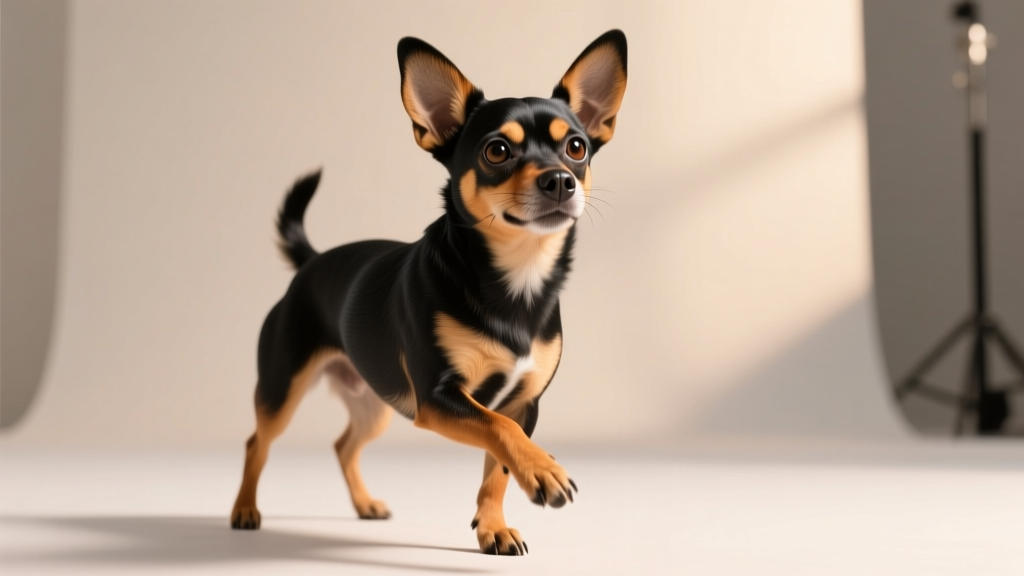
Doberman and Pitbull Mix: Complete Breed Guide for Prospective Owners
the Doberman and Pitbull mix — size, temperament, health risks, cost, and whether this powerful designer cross is right for your household.

What Is a Doberman and Pitbull Mix?
The Doberman and Pitbull mix — sometimes called a "Dober Pit" or "Pitman" — is a designer cross between the Doberman Pinscher and the American Pit Bull Terrier (APBT). Unlike standardized purebreds recognized by the American Kennel Club, this cross has no official breed standard, which means individual dogs can vary dramatically in appearance, size, and temperament depending on which parent they favor genetically.
This mix combines two of the most physically capable and emotionally intense breeds in the dog world. Both parent breeds were historically developed for work requiring courage, tenacity, and strong human bonding. The result is a dog that demands an experienced owner, consistent training, and a household prepared for a powerful, high-drive companion.
Parent Breed Breakdown: Doberman Pinscher Meets American Pit Bull Terrier
Understanding the parent breeds is the only reliable way to anticipate what a Doberman and Pitbull mix might be like. Here's how the two foundation breeds compare across key traits:
| Trait | Doberman Pinscher | American Pit Bull Terrier |
|---|---|---|
| AKC Weight Range | 75–100 lb (34–45 kg) males; 60–90 lb (27–41 kg) females | 30–65 lb (14–29 kg) — note: UKC standard, not AKC-recognized |
| Height | 26–28 in (66–71 cm) males; 24–26 in (61–66 cm) females | 17–21 in (43–53 cm) |
| Original Purpose | Personal protection, police/military work, guardian | Bull-baiting (historical), farm work, companion |
| Energy Level | Very high — 90+ min/day | High — 60–90 min/day |
| Trainability | Exceptional — ranks #5 in Stanley Coren's intelligence rankings | Good — eager to please but can be stubborn |
| Coat | Short, smooth, single coat; low shedding | Short, smooth, single coat; moderate shedding |
| Lifespan | 10–12 years | 12–16 years |
| Key Health Risks | Dilated cardiomyopathy (DCM), von Willebrand disease, hip dysplasia, cervical vertebral instability (wobbler syndrome) | Hip dysplasia, skin allergies, demodectic mange, cardiac disease |
Both breeds share traits like loyalty, athleticism, short coats, and strong human attachment. But they diverge significantly in size (the Doberman is substantially larger), drive style (Dobermans are alert guardians; APBTs are tenacious and game), and health profiles. A first-generation cross can land anywhere on this spectrum.
Generations and Genetic Variability: F1, F1B, and Beyond
Generation Explainer
F1 (First Generation): Direct cross of one purebred Doberman × one purebred APBT. Maximum genetic diversity, but highest trait variability. Puppies in the same litter can look and behave very differently.
F1B (First-Generation Backcross): An F1 Doberman-Pitbull mix bred back to one of the parent breeds (usually the Doberman for size or the APBT for temperament). Results in a 75/25 genetic split, leaning more predictably toward one parent.
F2 (Second Generation): Two F1 Doberman-Pitbull mixes bred together. Produces the widest variability — puppies can express any combination of grandparent traits. Least predictable generation.
Multigen (F3+): Multiple generations of Doberman-Pitbull crosses bred together. Extremely rare for this particular mix. Theoretically more predictable, but this cross lacks the breeding program infrastructure seen in popular designer breeds like Labradoodles.
In practice, the vast majority of Doberman and Pitbull mixes you'll encounter are F1 crosses — either intentionally bred by a small number of designer breeders or, more commonly, the result of accidental breedings that end up in shelters and rescues. Multigen lines essentially don't exist for this cross because there is no established breeding program working toward a stabilized breed type.
How Big Will a Doberman and Pitbull Mix Get?
Size is one of the most variable traits in this cross because the parent breeds differ significantly in mass. Here's the realistic range you should plan for:
| Measurement | Low End (APBT-leaning) | Mid Range (Blended) | High End (Doberman-leaning) |
|---|---|---|---|
| Weight (Males) | 45–55 lb (20–25 kg) | 60–80 lb (27–36 kg) | 85–100 lb (39–45 kg) |
| Weight (Females) | 35–50 lb (16–23 kg) | 50–70 lb (23–32 kg) | 70–90 lb (32–41 kg) |
| Height at Shoulder | 18–21 in (46–53 cm) | 21–25 in (53–64 cm) | 25–28 in (64–71 cm) |
Practical takeaway: Plan your budget, crate size, vehicle space, and fencing for a dog that could reach 80–100 lb (36–45 kg). If your mix ends up smaller, that's a bonus — but underestimating size leads to undersized crates, inadequate fencing, and surprise food bills. A 48-inch crate is appropriate for the upper range; a 42-inch works for mid-range dogs.
According to growth data compiled by the Merck Veterinary Manual, mixed-breed dogs typically reach their adult weight by 12–15 months, though larger-leaning individuals (closer to the Doberman side) may continue filling out until 18–24 months.
Temperament: What to Expect From a Doberman-Pitbull Cross
This is where prospective owners need the most honest assessment. Both parent breeds are powerful, intelligent, and strong-willed — traits that can produce an extraordinary companion in the right hands or a challenging, potentially dangerous dog in the wrong ones.
Best-Case Temperament Scenario
A well-socialized Doberman and Pitbull mix from health-tested parents with stable temperaments can be:
- Deeply bonded to their family — both breeds are known for intense human attachment and velcro-dog tendencies
- Highly trainable — the Doberman's ranking as the 5th most trainable breed (per AKC-referenced intelligence studies) combines with the APBT's eagerness to work
- Protective without being aggressive — alert to strangers, willing to position themselves between their owner and perceived threats, but not prone to unprovoked attacks
- Athletic and playful — excellent hiking, running, and agility partners
- Gentle with familiar children when properly raised and supervised
Challenging Temperament Scenarios
Without adequate socialization, training, or genetic luck, this mix can present serious challenges:
- Dog-directed aggression or reactivity — the APBT's history means some individuals have genetic predisposition toward same-species aggression, particularly toward dogs of the same sex. This is not something you can always train away.
- Guardian instinct overdrive — Doberman protective drives, if not channeled through training, can escalate to resource guarding of people, spaces, or objects
- Separation anxiety — both breeds form intense bonds; left alone for long hours, they can become destructive or develop compulsive behaviors
- High prey drive — both breeds can have strong chase instincts, making off-leash reliability difficult and cohabitation with cats or small animals risky
- Leash reactivity — the combination of protectiveness and dog-sensitivity often manifests as lunging and barking on leash
Coat, Shedding, and Grooming: Is This Mix Low-Shedding?
No, the Doberman and Pitbull mix is not hypoallergenic and is not low-shedding. Both parent breeds have short, single-layer coats that shed moderately year-round. Neither breed carries the furnishings gene (RSPO2) or the curly-coat gene (KRT71) associated with low-shedding breeds like Poodles.
Here's what to expect for coat and grooming:
- Coat type: Short, smooth, flat-lying hair — virtually identical regardless of which parent the puppy favors
- Colors: Black and rust (Doberman influence), brindle, fawn, blue, red, or seal (APBT influence), or any combination. The classic Doberman black-and-tan pattern is recessive and may or may not express.
- Shedding level: Moderate — expect year-round shedding with seasonal increases in spring and fall. You'll find short, stiff hairs embedded in upholstery and clothing.
- Grooming frequency: Brush 2–3 times per week with a rubber curry brush (like the Kong ZoomGroom, approximately $8–$12). Bathe every 6–8 weeks or as needed.
- Allergy suitability: Not suitable for allergy sufferers. The short coat still produces dander, and both breeds produce normal levels of the Can f 1 allergen protein.
Additional grooming needs include nail trims every 3–4 weeks (or teach your dog to use a scratch board), ear cleaning weekly if ears are semi-pricked or folded (prone to moisture trapping), and dental brushing 3–5 times per week to prevent periodontal disease.
Health Considerations: Hybrid Vigor vs. Reality
Let's address the most persistent myth in designer dog marketing: hybrid vigor does not eliminate health problems. The concept of heterosis (hybrid vigor) is real in livestock genetics, but in dogs, crossbreeding reduces the risk of recessive genetic disorders that require two copies of a defective gene. It does not protect against conditions with dominant or polygenic inheritance patterns — which includes most of the serious diseases affecting these parent breeds.
According to research published in the Journal of Veterinary Internal Medicine, mixed-breed dogs do show lower rates of some inherited disorders compared to purebreds, but they remain susceptible to any condition present in either parent breed's gene pool.
Health Conditions to Screen For
| Condition | Inherited From | Prevalence | Screening Test | Treatment Cost Range |
|---|---|---|---|---|
| Dilated Cardiomyopathy (DCM) | Doberman | Up to 58% of Dobermans affected by age 8 | Annual echocardiogram + Holter monitor; genetic test (DCM1/DCM2 panels via Embark or UC Davis) | $2,000–$8,000/year (medications, monitoring, emergency care) |
| Hip Dysplasia | Both breeds | ~5–10% in Dobermans; ~20–25% in APBTs (OFA data) | OFA/PennHIP evaluation at 24 months | $3,500–$7,000 per hip (total hip replacement) |
| Von Willebrand Disease (vWD) | Doberman | Estimated 20–30% of Dobermans are carriers or affected | DNA test (vWD Type 1 panel) | $500–$2,000 per bleeding episode (cryoprecipitate transfusion) |
| Cervical Vertebral Instability (Wobbler Syndrome) | Doberman | ~5% of Dobermans | MRI if neurological symptoms appear | $4,000–$10,000 (surgical decompression) |
| Demodectic Mange | APBT | Pit bull-type dogs are overrepresented; exact prevalence unknown | Skin scraping if hair loss/lesions appear | $200–$800 (topical/oral treatment course) |
| Skin Allergies (Atopic Dermatitis) | APBT | ~30% of pit bull-type dogs develop environmental allergies | Intradermal or serum IgE allergy testing | $1,200–$3,000/year (Apoquel, Cytopoint, immunotherapy) |
Recommended health screening for a Doberman and Pitbull mix puppy: Ask the breeder for proof of cardiac clearance (echocardiogram + Holter) on the Doberman parent, OFA hip scores on both parents, and vWD DNA test results on the Doberman parent. Budget $300–$500 for a baseline cardiac screening at your first vet visit, and plan annual cardiac evaluations starting at age 3.
Always consult your veterinarian to develop a health monitoring plan specific to your dog's size, age, and genetic background.
Cost: How Much Does a Doberman and Pitbull Mix Cost?
Pricing varies enormously depending on source, and this is where prospective owners need to be realistic:
| Expense Category | Budget Option (Rescue) | Mid-Range (Small Breeder) | High End (Health-Tested Breeder) |
|---|---|---|---|
| Purchase/Adoption Fee | $150–$400 | $500–$1,000 | $1,000–$2,500 |
| Initial Vet Visit + Vaccines | $300–$600 | $300–$500 | $200–$400 (some vaccines included) |
| Spay/Neuter | Often included | $300–$600 | $300–$600 |
| Supplies (crate, leash, harness, bowls, bed) | $250–$500 | $250–$500 | $300–$600 |
| Training (group + private sessions) | $400–$800 | $400–$1,200 | $600–$1,500 |
| Food (12 months, premium kibble) | $600–$900 | $600–$900 | $700–$1,100 |
| Pet Insurance (annual premium) | $600–$900 | $600–$900 | $600–$900 |
| Estimated First-Year Total | $2,300–$4,100 | $2,950–$5,600 | $3,700–$7,600 |
Rescue availability: Because both Dobermans and pit bull-type dogs are overrepresented in shelters, Doberman-Pitbull mixes appear in rescue with moderate frequency. Check breed-specific rescues like the ASPCA adoption network, Doberman Pinscher Club of America rescue affiliates, and local pit bull rescue organizations. Adult dogs from rescue have the advantage of known temperament and size — critical with a variable mix like this.
Breeder availability: Dedicated, health-testing breeders of this specific cross are extremely rare. Most intentional litters are produced by small-scale hobby breeders. If you pursue a breeder, insist on seeing health clearances (not just "vet checked"), meet at least the dam in person, and verify a written contract with a health guarantee and take-back clause.
Exercise and Activity Requirements
This is a high-drive, athletic cross that requires substantial daily physical and mental exercise. Underexercised Doberman-Pitbull mixes are prime candidates for destructive behavior, escape attempts, and hyperactivity indoors.
- Minimum daily exercise: 75–120 minutes, split across 2–3 sessions
- Activity types that work well: Structured leash walks (2–3 miles/session), running alongside a bike (using a Springer attachment, ~$40–$60), flirt pole sessions (15–20 minutes), hiking, swimming, and dog sports (agility, barn hunt, weight pull, obedience competition)
- Mental stimulation: Puzzle feeders (Outward Hound Nina Ottosson series, $15–$30), scent work training, trick training sessions (10–15 minutes, 2x daily), and structured chew time with durable options like Kong Extreme ($15–$22)
- Off-leash considerations: Due to potential prey drive and dog-reactivity, off-leash time should only occur in fully fenced areas. Do not rely on recall alone in unfenced spaces with this mix.
Who Is This Mix Best Suited For?
The Doberman and Pitbull mix is not a beginner-friendly dog. Here's a practical decision framework:
✅ This Mix Works Well For:
- Experienced dog owners who have handled powerful breeds before
- Active individuals or couples who exercise 1–2 hours daily and want a canine partner
- Homes with secure 6-foot fencing (minimum; some Doberman-leaning individuals can clear 5-foot fences)
- Households without other dogs of the same sex, or homes where the owner has managed dog introductions before
- People committed to ongoing training classes and socialization through the first 2–3 years
- Owners who work from home or can arrange midday visits (separation anxiety risk is high)
❌ This Mix Is a Poor Fit For:
- First-time dog owners
- Families with very young children (under 8) — the dog's size and energy can accidentally knock over small children
- Multi-pet households with cats, small dogs, or livestock (prey drive risk)
- Apartments or condos without immediate outdoor access — these dogs need space to move
- Owners who work 10+ hour days away from home
- Anyone in a jurisdiction with breed-specific legislation targeting pit bull-type dogs
- People who prefer a low-maintenance, couch-potato companion
Frequently Asked Questions
Are Doberman and Pitbull mixes aggressive?
Not inherently. Aggression is not a breed trait — it's a behavior influenced by genetics, socialization, training, and environment. However, this mix can have strong protective instincts (from the Doberman) and dog-directed reactivity (from the APBT lineage). Proper socialization starting before 16 weeks of age and ongoing positive reinforcement training are non-negotiable. Early puppy socialization classes (costing $150–$250 for a 6–8 week course) are strongly recommended.
Do Doberman-Pitbull mixes make good family dogs?
They can be excellent with their own family members, including respectful older children, when raised in a structured environment. They tend to bond intensely with one or two people. The challenge is managing their size, energy, and potential dog-reactivity around visitors, other neighborhood dogs, and in public settings. Supervision around children under 12 is always required with any dog of this size and power.
How long do Doberman and Pitbull mixes live?
Expect a lifespan of 10–14 years, with the midpoint around 12 years. The mix may benefit from slightly longer lifespan than a purebred Doberman (10–12 years) due to the APBT's longer typical lifespan (12–16 years), but cardiac disease from the Doberman side can shorten this significantly if DCM develops. Annual cardiac screening after age 3 is the single most impactful health investment you can make.
Can I find a Doberman and Pitbull mix in a shelter?
Yes. Both parent breeds and their mixes are common in shelters and rescue organizations across the United States. Adult mixes are often available through general shelters, pit bull-specific rescues, and Doberman rescue networks. Adopting an adult (1–4 years old) gives you the advantage of known size, temperament, and behavior around other dogs — information that's impossible to predict in a puppy of this cross.
Is this mix recognized by any kennel club?
No. The Doberman and Pitbull mix is not recognized by the AKC, UKC, or FCI. Some designer dog registries (like the Designer Breed Registry or American Canine Hybrid Club) may register them, but these registries do not enforce health testing or breeding standards. Registration with these organizations should not be interpreted as a quality indicator.
What should I feed a Doberman-Pitbull mix?
Feed an AAFCO-certified complete and balanced diet formulated for large-breed dogs (if your mix is expected to exceed 70 lb / 32 kg) or all-life-stage formulas for smaller individuals. Look for a named animal protein as the first ingredient and guaranteed analysis showing minimum 22–26% protein for adult maintenance. Budget $50–$90 per month for a quality kibble like Purina Pro Plan Sport, Orijen, or Fromm Gold. For dogs that develop skin allergies (common from the APBT side), a limited-ingredient diet with a novel protein (salmon, venison, or duck) may be recommended by your veterinarian.
Anouk Beaumont
All our authors care for dogs every day — read more of their work on the authors page.