Different Types of Chihuahua: Coat, Head Shape & Size Guide
Explore the different types of Chihuahua — smooth coat vs long coat, apple head vs deer head — with expert care, health, and cost data for each variety.
The Chihuahua Family Tree: More Variety Than You Might Think
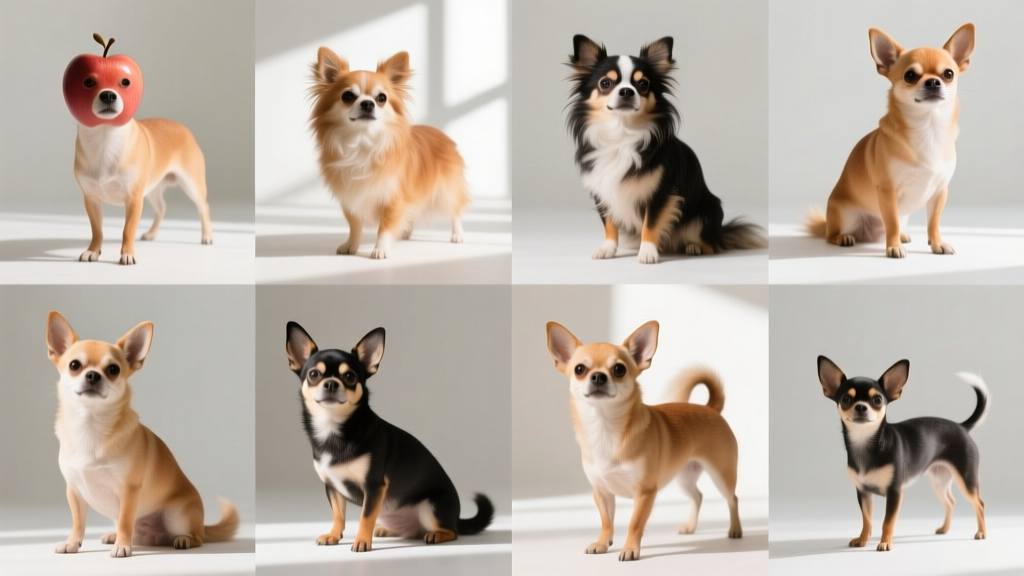
When most people picture a Chihuahua, they imagine a tiny, smooth-coated dog with a rounded skull and a big attitude. But the reality is far more nuanced. The different types of Chihuahua aren't separate breeds — they're variations within a single breed standard, differentiated primarily by coat length and head shape. Understanding these distinctions matters because each variety carries slightly different grooming demands, health predispositions, and even temperament tendencies that affect your daily life as an owner.
The American Kennel Club recognizes only one Chihuahua breed but divides it into two coat varieties for conformation showing: the Smooth Coat and the Long Coat (AKC Chihuahua Breed Standard). Meanwhile, breeders and owners informally categorize Chihuahuas by head shape — apple head and deer head — a distinction with real implications for health and structure. Some enthusiasts also reference the unofficial "teacup" label, which we'll address honestly below.
Originating in the Mexican state of Chihuahua in the mid-19th century, these dogs likely descended from the ancient Techichi, a companion dog kept by the Toltec civilization as early as the 9th century CE. The AKC first registered the breed in 1904, and today Chihuahuas consistently rank among the most popular toy breeds in the United States.
| Attribute | Specification |
|---|---|
| Size Class | Toy |
| Weight Range | 2–6 lb (0.9–2.7 kg) |
| Height Range | 5–8 inches (13–20 cm) at the withers |
| Lifespan | 14–16 years (some reach 18+) |
| AKC Group | Toy Group |
| Coat Types | Smooth Coat, Long Coat |
| Head Shapes (Informal) | Apple Head, Deer Head |
| Energy Level | Moderate — 30–45 min/day |
| Trainability | 3.5 / 5 — Intelligent but willful |
| Apartment Suitability | Excellent |
Smooth Coat vs. Long Coat: The Official Distinction
The only variety distinction the AKC formally recognizes splits the breed into two coat types. Both can appear in the same litter, and both compete in the same breed ring — just judged separately.
Smooth Coat Chihuahua
The smooth coat (sometimes called short coat) is the variety most people recognize. The hair is close-lying, glossy, and relatively low-maintenance. You'll feel a soft undercoat on some individuals, particularly those from colder-climate breeding lines. Smooth coats shed lightly year-round with seasonal increases in spring and fall.
Grooming tools needed: A rubber curry brush (like the Kong ZoomGroom, ~$9–$12) used once weekly is usually sufficient. During shedding seasons, a fine-toothed deshedding comb helps remove loose undercoat.
Long Coat Chihuahua
Long coat Chihuahuas have soft, fine hair that can be flat or slightly wavy, with longer fur forming a ruff around the neck, feathering on the ears, and a plumed tail. Despite the extra hair, they don't shed dramatically more than smooth coats — the hair is simply more visible when it does shed.
Grooming tools needed: A stainless steel pin brush and a wide-toothed comb should be used 2–3 times per week to prevent matting behind the ears and in the armpit area. Many long coat owners opt for a sanitary trim around the hindquarters every 6–8 weeks, which a groomer typically charges $15–$25 for as an add-on service.
Smooth Coat Advantages
- Minimal grooming — 10 minutes per week
- Less visible shedding on furniture
- Dries quickly after baths/rain
- More common, easier to find from breeders
Smooth Coat Drawbacks
- Less cold-weather protection — needs sweaters below 50°F (10°C)
- Skin more exposed to scratches and sunburn
- Can look "sparse" in the coat department compared to long coats
Apple Head vs. Deer Head: The Unofficial Split
This is where things get interesting — and where prospective owners often get confused. Head shape is not an AKC-recognized variety. However, the distinction has real consequences for health, structure, and even trainability.
Apple Head Chihuahua
The apple head conforms to the AKC breed standard: a well-rounded "apple dome" skull, with or without a molera (a soft spot on the top of the skull, similar to a human infant's fontanelle). The muzzle meets the skull at a roughly 90-degree angle, creating the characteristic "L" shape when viewed in profile. Eyes are full and round, set well apart.
Health note: The brachycephalic (short-faced) structure of apple heads predisposes them to breathing difficulties, dental crowding, and eye proptosis (where the eyeball is pushed forward out of the socket due to shallow orbits). The molera, present in roughly 80–90% of apple head puppies, usually closes by 3–6 months of age but may persist in some individuals, requiring care to avoid head trauma.
Deer Head Chihuahua
Deer heads have a longer muzzle, a more sloped forehead, and larger ears set at a wider angle — giving them a profile reminiscent of a young deer. They tend to be slightly larger than apple heads, often reaching the upper end of the weight range (5–6 lb / 2.3–2.7 kg) and sometimes exceeding it.
Health note: Deer heads generally have fewer brachycephalic-related problems. Their longer muzzles mean less dental crowding and better airway function. However, because they deviate from the breed standard, they cannot compete in AKC conformation shows. This does not affect their quality as companion dogs in any way.
| Feature | Apple Head | Deer Head |
|---|---|---|
| Skull Shape | Rounded dome, 90° stop | Sloped, gradual stop |
| Muzzle Length | Short, compact | Longer, more tapered |
| Typical Weight | 2–5 lb (0.9–2.3 kg) | 4–6+ lb (1.8–2.7+ kg) |
| Breathing Issues | Higher risk (brachycephalic) | Lower risk |
| Dental Crowding | Common | Less common |
| AKC Conformation | Eligible | Not eligible |
| Molera Prevalence | High (80–90%) | Lower (~40–50%) |
The "Teacup Chihuahua" Label: What Buyers Must Know
You'll frequently encounter the term "teacup Chihuahua" in breeder advertisements, typically marketed at a premium price. Here's the honest truth: there is no such thing as a teacup Chihuahua breed or variety. The term is a marketing label applied to Chihuahuas that fall below the standard weight range — usually under 2 lb (0.9 kg) as adults.
These extremely small dogs are often the runts of litters, puppies with growth-stunting health conditions, or the result of deliberately breeding the smallest (and often least healthy) dogs together. Dogs under 3 lb face significantly elevated risks of hypoglycemia, fragile bones, heart defects, and a shortened lifespan. Reputable breeders do not advertise "teacup" Chihuahuas. If a breeder uses this term and charges a premium for it, that is a strong indicator of irresponsible breeding practices.
Temperament & Personality: What It's Really Like Living With a Chihuahua
Chihuahuas are not lap ornaments — they're opinionated, alert, and often surprisingly bold for their size. Here are the core behavioral traits you'll encounter across all varieties, with real-world examples of what they look like in daily life:
1. Intense Loyalty to One Person (Velcro Dog Tendency)
Chihuahuas typically bond most strongly with one person in the household. This isn't just preference — they'll follow their chosen human from room to room, demand to sit on their lap, and may vocalize when that person leaves. In multi-person households, the Chihuahua will usually have a clear "favorite" within the first few weeks.
2. High Alertness and Vocalization
Expect your Chihuahua to announce visitors, delivery drivers, and the neighbor's cat with sharp, rapid barking. This makes them excellent watchdogs but challenging apartment companions if you have thin walls. Training a "quiet" cue using positive reinforcement (treat the moment they stop barking on command) is essential starting in puppyhood.
3. Boldness That Exceeds Their Size
Chihuahuas regularly challenge dogs 10 times their size at the dog park, stand their ground against strangers, and claim furniture with the confidence of a Great Dane. This "big dog in a small body" attitude requires owners who set consistent boundaries — a Chihuahua that learns it can snap at visitors without consequence will escalate the behavior.
4. Sensitivity to Tone and Environment
Despite their toughness, Chihuahuas are emotionally sensitive. Harsh corrections, yelling, or chaotic households can cause them to shut down, hide, or develop anxiety-based behaviors like excessive licking or trembling. Force-free, positive reinforcement training methods work far better than any punitive approach.
5. Intelligence With a Stubborn Streak
Chihuahuas learn commands quickly but compliance is optional in their minds. They'll perform a "sit" perfectly for a piece of chicken and then ignore the same command five minutes later if they're not motivated. Short training sessions (5–8 minutes), high-value treats, and variety keep them engaged.
Exercise & Activity Needs: Minutes, Not Miles
Chihuahuas need 30–45 minutes of daily activity, but the type matters more than the duration. Their tiny legs cover ground quickly relative to their body size, so a 20-minute walk at a human pace provides the equivalent exertion of a much longer walk for a larger breed.
| Activity | Duration | Frequency | Notes |
|---|---|---|---|
| Leashed Walk | 15–25 minutes | 1–2x daily | Use a harness, never a neck collar (tracheal collapse risk) |
| Indoor Play | 10–15 minutes | 2–3x daily | Flirt pole, fetch with soft toys, puzzle feeders |
| Training Sessions | 5–8 minutes | 2x daily | Counts as mental exercise — equally tiring as physical |
| Supervised Yard Time | 10–20 minutes | As available | Never leave unattended — hawks, coyotes, and even large dogs are real threats |
Temperature cautions: Chihuahuas overheat quickly above 80°F (27°C) and become dangerously cold below 40°F (4°C). In hot weather, walk during early morning or evening. In cold weather, a fitted dog sweater and booties are practical necessities, not fashion accessories.
Common Health Issues Across Chihuahua Types
Chihuahuas are among the longest-lived dog breeds, but their tiny anatomy creates specific vulnerabilities. Apple heads and deer heads share many risks, though prevalence differs by head shape.
| Condition | Prevalence | Higher Risk Variety | Typical Onset | Management |
|---|---|---|---|---|
| Patellar Luxation | ~15–20% of breed | Both equally | 4–12 months | Surgical correction for grades III–IV; weight management for grades I–II |
| Tracheal Collapse | ~10–15% of breed | Apple head (slightly higher) | 4–8 years | Harness use, weight control, cough suppressants; surgery in severe cases |
| Dental Disease | ~60–80% by age 3 | Apple head (crowding) | 1–3 years | Daily brushing, professional cleanings every 1–2 years ($300–$700 per cleaning under anesthesia) |
| Hydrocephalus | ~5–10% of apple heads | Apple head (strongly) | Birth to 6 months | Corticosteroids, shunt surgery ($3,000–$6,000); prognosis varies |
| Hypoglycemia | Common in puppies <3 lb | Smallest individuals | 6 weeks – 6 months | Frequent small meals, Nutri-Cal gel; emergency vet if lethargic/seizing |
Cardiac concerns: Mitral valve disease affects an estimated 20–30% of Chihuahuas over age 10. Annual cardiac auscultation (listening to the heart with a stethoscope) during wellness exams helps catch early murmurs. If a murmur is detected, your veterinarian may recommend an echocardiogram ($400–$800) to assess severity.
Always consult your veterinarian about breed-appropriate health screening. The Orthopedic Foundation for Animals recommends cardiac evaluation, patella evaluation, and ophthalmologist evaluation for Chihuahuas used in breeding programs.
Training, Intelligence & Socialization
Chihuahuas score a 3.5 out of 5 on trainability — they're bright enough to learn complex tricks but independent enough to question why they should bother. The key insight for owners: motivation management matters more than repetition. A Chihuahua that's bored of training will simply disengage.
Recommended methods (all force-free):
- Lure-and-reward training: Guide the dog into position using a treat held at their nose, then mark and reward. Works exceptionally well for Chihuahuas because it keeps them visually engaged.
- Capture training: Wait for the dog to offer a behavior naturally (sitting, lying down), then mark with a clicker or "yes!" and reward. Ideal for stubborn Chihuahuas who resist luring.
- Counter-conditioning for fear responses: If your Chihuahua barks or trembles at strangers, pair the presence of strangers with high-value treats (small pieces of boiled chicken or freeze-dried liver). Over weeks, the emotional response shifts from fear to anticipation of good things.
Critical socialization window: Puppies between 3 and 14 weeks of age are most receptive to new experiences. During this period, aim for brief, positive exposures to 5–10 new stimuli per day — different surfaces, sounds, people of various ages, other vaccinated dogs, car rides, and handling exercises. Missing this window often results in a Chihuahua that is fear-reactive for life.
Harness training is non-negotiable. Because of their tracheal collapse risk, Chihuahuas should never be walked on a collar and leash. A well-fitted H-style or Y-style harness distributes pressure across the chest. Budget $15–$30 for a quality small-breed harness (brands like Ruffwear, Puppia, or Kurgo make reliable XS/XXS sizes).
Family Suitability: Kids, Other Pets & Living Situations
Chihuahuas and Children
Chihuahuas can do well with children, but with major caveats. Their fragile bone structure means a child who drops, squeezes, or steps on a Chihuahua can cause serious injury — broken legs and spinal injuries from falls off furniture are among the most common emergency room visits for this breed. They are best suited to households with children aged 8 and older who can be taught to handle the dog gently and respect its space.
Never leave a Chihuahua unsupervised with any child under 12. The dog's small size triggers a prey-drive response in some children's rough play, and the dog's defensive bite — while not powerful — can still break skin and damage the human-animal bond permanently.
Chihuahuas and Other Pets
With proper introduction, Chihuahuas coexist well with other dogs, particularly those of similar or calm temperament. They often do best as the only small dog or paired with another Chihuahua — two Chihuahuas frequently form a tight bond and entertain each other. Cats are usually tolerated if introduced gradually, though some Chihuahuas will chase cats with surprising enthusiasm.
Apartment & Urban Living
Chihuahuas are among the best apartment dogs available. Their small size, moderate exercise needs, and preference for being near their owner make them ideal for studio or one-bedroom living. The primary apartment challenge is barking — invest in early "quiet" training and consider white noise machines or calming music when you're away to reduce alert-barking triggers.
Cost of Ownership: What to Budget
Puppy Purchase Price
- From a reputable AKC breeder (health-tested parents): $1,500–$3,500
- From a responsible rescue or breed-specific rescue: $200–$600 (adoption fee, usually includes spay/neuter and initial vaccines)
- "Teacup" or boutique-marketed puppies: $2,000–$5,000+ (not recommended — health risks are significantly higher)
First-Year Cost Breakdown
| Expense Category | Low Estimate | High Estimate |
|---|---|---|
| Spay/Neuter (if not included) | $200 | $500 |
| Initial Vaccination Series (DHPP, Rabies) | $100 | $250 |
| Microchipping | $25 | $60 |
| Quality Food (AAFCO-complete, small-breed formula) | $150 | $300 |
| Harness, Leash, Carrier, Crate | $80 | $200 |
| Vet Wellness Visits (2–3 in first year) | $150 | $400 |
| Pet Insurance (optional, annual premium) | $300 | $600 |
| Dental Cleaning (if needed year one) | $0 | $700 |
| Total Estimated First Year | $1,005 | $3,010 |
Ongoing Annual Costs (Years 2+)
Budget approximately $800–$1,800 per year for food, annual vet exams, preventive medications, grooming (long coats), dental care, and pet insurance. Dental disease is the single largest variable cost — if your Chihuahua requires professional cleanings every 1–2 years (most do), add $300–$700 per cleaning.
Frequently Asked Questions
Is a Chihuahua right for first-time dog owners?
Yes, with preparation. Chihuahuas are manageable in size, have moderate exercise needs, and are relatively inexpensive to feed. However, their stubborn streak and tendency to develop behavioral problems (excessive barking, resource guarding, fear aggression) when under-socialized can frustrate inexperienced owners. First-time Chihuahua parents should commit to a puppy socialization class ($100–$200 for a 6-week course) and read up on positive reinforcement methods before bringing the dog home.
How much exercise does a Chihuahua need daily?
Adult Chihuahuas need 30–45 minutes of combined physical and mental activity per day. This typically breaks down into one or two short walks (15–25 minutes each) plus indoor play sessions and brief training exercises. Puppies under 6 months need shorter, more frequent play bursts — roughly 5 minutes per month of age, twice daily. Senior Chihuahuas (10+ years) may reduce to 20–30 minutes of gentle activity.
What health problems are Chihuahuas most prone to?
The most common breed-specific conditions are dental disease (affecting 60–80% by age 3), patellar luxation (kneecap dislocation, ~15–20%), tracheal collapse (~10–15%), and heart disease (particularly mitral valve disease in seniors). Apple head Chihuahuas carry additional risk of hydrocephalus and brachycephalic airway issues. Regular veterinary checkups and maintaining a healthy weight are the two most impactful preventive measures.
How big does a Chihuahua get as an adult?
Standard Chihuahuas weigh 2–6 lb (0.9–2.7 kg) and stand 5–8 inches (13–20 cm) tall at the shoulder. Deer head varieties tend to be at the larger end of this range, sometimes reaching 6–8 lb. Any Chihuahua advertised as staying under 2 lb is being marketed as a "teacup" — a label associated with health problems and irresponsible breeding.
Are Chihuahuas good with children and other pets?
Chihuahuas do best with children aged 8 and older who understand gentle handling. Their fragile bones make them poor matches for toddlers or rough-playing young children. With other dogs, they generally coexist well when properly introduced, especially with calm breeds or other small dogs. Cat introductions should be gradual but are usually successful.
How much does a Chihuahua cost to buy and maintain?
Expect to pay $1,500–$3,500 for a puppy from a reputable AKC breeder, or $200–$600 to adopt from a rescue. First-year expenses (vet care, supplies, food) typically total $1,000–$3,000. Ongoing annual costs run $800–$1,800, with dental care being the largest variable expense over the dog's lifetime.
Can apple head and deer head Chihuahuas be in the same litter?
Yes. Head shape is influenced by multiple genes, and breeders focused on the AKC standard (apple head) may occasionally produce deer head puppies in a litter. Reputable breeders will be transparent about which puppies meet the conformation standard and which do not, and will price them accordingly — though pet-quality puppies from good breeders typically cost the same regardless of head shape.
Choosing the Right Chihuahua Type for Your Life
The different types of Chihuahua ultimately share the same core identity: a bold, devoted companion in a compact package. Your choice between smooth and long coat comes down to grooming willingness (10 minutes weekly vs. 20–30 minutes weekly). Your choice between apple head and deer head involves a trade-off between breed standard aesthetics and potentially lower brachycephalic health risks.
Regardless of which variety you choose, prioritize health-tested breeding stock or a reputable rescue organization. Ask for OFA health clearances (cardiac and patella) on parent dogs, and avoid any breeder who advertises "rare" sizes, colors, or "teacup" labeling at premium prices. A well-bred Chihuahua from a responsible source will be your companion for 14 to 16 years — and often longer.
Jonas Cole
All our authors care for dogs every day — read more of their work on the authors page.


