Best Dandruff Shampoo: A Vet-Approved Guide to Soothing
Find the best dandruff shampoo for dogs with our vet-informed guide. Compare active ingredients, top picks, dosing by severity, and when to see your vet.
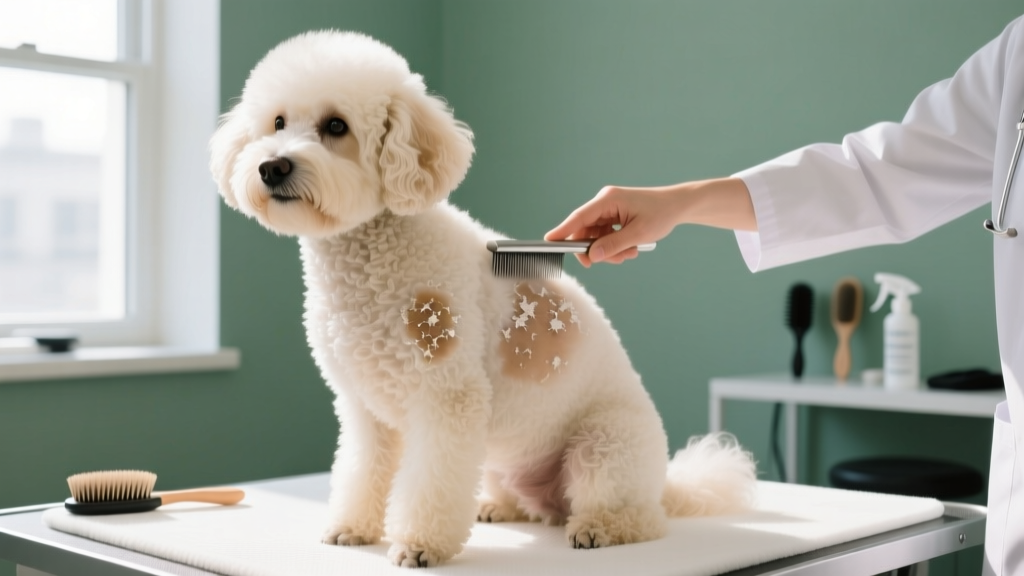
Flakes on your dog's coat, constant scratching, and that telltale dusting on their bedding can be frustrating for any owner. If you've been searching for an effective dandruff shampoo for dogs, you're not alone—canine seborrhea (the clinical term for dandruff) is one of the most common dermatological complaints seen in veterinary clinics. But not all anti-dandruff shampoos are created equal, and picking the wrong one can actually worsen your dog's skin condition.
This guide breaks down exactly which active ingredients target which type of dandruff, how often to bathe, what results to expect, and when flakes signal a deeper health issue that no shampoo will fix.
Understanding Why Dogs Get Dandruff in the First Place
Canine dandruff isn't a single condition—it's a symptom with several possible causes. The Merck Veterinary Manual categorizes canine seborrhea into two main types:
- Seborrhea sicca (dry seborrhea): Characterized by dry, flaky, white scales that loosen easily from the skin. Often linked to low humidity, nutritional deficiencies, or over-bathing with harsh products.
- Seborrhea oleosa (oily seborrhea): Greasy, yellowish scales that cling to the skin and coat, often accompanied by a distinct odor. Frequently associated with secondary yeast (Malassezia) or bacterial overgrowth.
Many dogs present with a combination of both types. Underlying causes include:
| Underlying Cause | Prevalence | Key Indicators |
|---|---|---|
| Environmental allergies (atopic dermatitis) | Very common—estimated 10-15% of all dogs | Seasonal flares, paw licking, ear infections |
| Food allergies or sensitivities | Less common than assumed—~1-2% of dogs | Year-round symptoms, GI signs, non-responsive to flea control |
| Hypothyroidism | Common in middle-aged large breeds | Weight gain, lethargy, hair thinning, "rat tail" |
| Cheyletiellosis (walking dandruff mites) | Uncommon, more frequent in puppies and shelter dogs | Flakes that appear to move, intense itching along spine |
| Primary idiopathic seborrhea | Rare, breed-specific (Cocker Spaniels, Basset Hounds, Westies) | Onset before 2 years old, lifelong management required |
| Low humidity / over-bathing | Very common in winter months | Improves with humidifier, worse with frequent bathing |
The critical takeaway: shampoo treats the symptom, not the cause. If your dog has an underlying thyroid issue or mite infestation, no amount of medicated bathing will resolve the dandruff permanently. A veterinary dermatology workup (skin scraping, cytology, thyroid panel) typically costs $150-$400 and is worth the investment before committing to a long-term shampoo regimen.
Active Ingredients That Actually Work (and Which Ones to Skip)
Walk into any pet store and you'll see dozens of bottles claiming to fix dandruff. The label marketing is misleading—what matters is the active ingredient list and its concentration. Here's the evidence-based breakdown:
Proven Anti-Dandruff Active Ingredients
| Active Ingredient | Effective Concentration | Best For | Contact Time |
|---|---|---|---|
| Chlorhexidine gluconate | 2-4% | Bacterial overgrowth, mixed infections, general antiseptic | 10 minutes minimum |
| Ketoconazole | 1-2% | Yeast (Malassezia) overgrowth, oily seborrhea | 10 minutes minimum |
| Miconazole nitrate | 2% | Antifungal, often paired with chlorhexidine | 10 minutes minimum |
| Salicylic acid | 0.5-2% | Keratolytic—breaks down thick scales and crusts | 5-10 minutes |
| Sulfur (precipitated) | 2-4% | Antiparasitic, keratolytic, mild antibacterial | 10 minutes |
| Coal tar | 0.5-5% | Severe oily seborrhea, slows skin cell turnover | 10 minutes (use with caution—can be irritating) |
| Colloidal oatmeal | Varies (look for listed active) | Soothing, anti-inflammatory, dry seborrhea | 5-10 minutes |
| Ceramides / phytosphingosine | Proprietary concentrations | Skin barrier repair, long-term maintenance | 5-10 minutes |
Ingredients That Sound Good but Lack Evidence
Many "natural" dandruff shampoos feature tea tree oil, aloe vera, or vitamin E as headline ingredients. While these aren't necessarily harmful at low concentrations, there's a catch:
- Tea tree oil (melaleuca): At concentrations above 1-2%, it can be toxic to dogs—causing lethargy, weakness, tremors, and even liver damage. The ASPCA lists it as a known toxic substance for pets. If you see it high on an ingredient list, skip it.
- Aloe vera: Soothing on contact but does not address the microbial or keratinization issues driving dandruff. Fine as a secondary ingredient, not as the primary active.
- Vitamin E (tocopherol): An antioxidant that supports skin health when ingested, but topical application in shampoo has minimal proven benefit for active seborrhea.
Top Dandruff Shampoos for Dogs by Condition Type
Based on active ingredient profiles, veterinary dermatology recommendations, and real-world performance across multiple dog coat types, here are five well-formulated options organized by the specific dandruff presentation they address best:
1. Best for Oily Seborrhea with Yeast: Dechra MiconaHex + Triz Shampoo
- Active ingredients: Miconazole nitrate 2%, chlorhexidine gluconate 2%
- Price range: $28-$42 for 16 oz (2026 retail pricing)
- Why it works: Dual antifungal and antibacterial action targets the two most common secondary infections driving oily dandruff. The Triz component (tris-EDTA) enhances antimicrobial penetration into biofilm, which matters for chronic cases where yeast has established resistant colonies.
- Best for: Dogs with greasy, smelly flakes; recurrent ear/skin yeast; breeds prone to Malassezia (Basset Hounds, Cocker Spaniels, West Highland White Terriers)
- Frequency: 2-3 times per week during flare-ups, then weekly for maintenance
2. Best for Dry, Flaky Skin: Douxo S3 Seb Shampoo
- Active ingredients: Phytosphingosine (ceramide precursor), climbazole 0.5%, chlorhexidine 0.5%
- Price range: $30-$48 for 16.9 oz
- Why it works: Phytosphingosine supports the skin's natural lipid barrier from the outside, addressing the root structural problem in dry seborrhea rather than just masking flakes. The low-dose antimicrobials prevent secondary overgrowth without stripping the coat.
- Best for: Dogs with dry white flakes, sensitive skin, post-bathing irritation; long-term maintenance between medicated baths
- Frequency: 2-3 times per week initially, then every 1-2 weeks
3. Best for Thick, Crusty Scales: Virbac Allermyl Advanced
- Active ingredients: Salicylic acid, sodium lactate, essential fatty acids (linoleic/linolenic acids)
- Price range: $24-$38 for 8.5 oz
- Why it works: Salicylic acid is a keratolytic—it chemically breaks the bonds between dead skin cells so they slough off rather than accumulating as thick plaques. The added fatty acids begin rebuilding the skin barrier simultaneously.
- Best for: Dogs with adherent, crusty dandruff patches; breeds with primary keratinization disorders
- Frequency: 2 times per week until scales resolve, then as needed
4. Best Budget Option for Mild Dandruff: Earthbath Oatmeal & Aloe Dog Shampoo
- Active ingredients: Colloidal oatmeal 2%, aloe vera
- Price range: $12-$18 for 16 oz
- Why it works: For dogs with simple dry-skin dandruff caused by low humidity or over-bathing, a gentle oatmeal shampoo cleanses without disrupting the acid mantle. It won't treat infections, but it won't make things worse either.
- Best for: Mild seasonal flaking, dogs bathed too frequently with harsh shampoos, puppies with mild dryness
- Frequency: Every 2-4 weeks as needed
- Limitation: Not appropriate for dogs with confirmed yeast or bacterial skin infections
5. Best for Severe/Chronic Seborrhea: VetMD Chlorhexidine 4% + Ketoconazole 2%
- Active ingredients: Chlorhexidine gluconate 4%, ketoconazole 2%
- Price range: $22-$35 for 16 oz
- Why it works: Maximum OTC-strength antimicrobial and antifungal combination. Reserved for dogs with confirmed, severe secondary infections that haven't responded to lower-concentration products.
- Best for: Stubborn cases under active veterinary management, dogs with deep skin fold infections contributing to dandruff
- Frequency: As directed by your veterinarian—typically 2-3 times per week, tapering as cytology improves
- Caution: Higher chlorhexidine concentrations can cause skin irritation in some dogs. Discontinue if redness increases after bathing.
How to Bathe a Dog with Dandruff for Maximum Effectiveness
The most expensive medicated shampoo is useless if applied incorrectly. The single most common mistake owners make is rinsing too quickly. Active ingredients need sustained contact with the skin to work.
Step-by-Step Medicated Bath Protocol
- Brush first. Remove loose hair, mats, and surface flakes with a slicker brush or grooming rake. Mats trap shampoo against the skin unevenly and prevent rinsing.
- Wet thoroughly with lukewarm water (95-100°F / 35-38°C). Hot water strips natural oils and worsens dry seborrhea. Cold water doesn't open the hair cuticle effectively.
- Apply a gentle cleansing shampoo first (not the medicated one). This removes surface dirt and oil so the medicated shampoo can reach the skin. Rinse completely.
- Apply the medicated dandruff shampoo. Work it down to the skin—not just the coat. Focus on affected areas (typically the back, flanks, and behind the ears). Use enough to generate a light lather across the entire body.
- Set a timer for 10 minutes. This is non-negotiable for antimicrobial and antifungal actives. Keep your dog occupied with treats, a lick mat, or gentle massage. For salicylic acid formulas, 5 minutes may be sufficient—check the product label.
- Rinse completely. Residual shampoo causes irritation. Rinse for at least as long as it took to lather. Run your fingers through the coat—if you feel any slickness, keep rinsing.
- Apply a leave-in conditioner or spray if your vet recommends one (especially ceramide-based products like Douxo S3 Mousse for between-bath maintenance).
- Pat dry with a towel. Avoid high-heat blow dryers, which can worsen dry seborrhea. A cool-setting dryer is acceptable for thick-coated breeds.
Bathing Frequency: How Often Is Too Often?
Over-bathing is itself a cause of dandruff. The general framework:
| Condition Severity | Medicated Bath Frequency | Expected Time to Improvement | Maintenance Frequency |
|---|---|---|---|
| Mild (occasional flakes, no odor) | Every 2-3 weeks | 2-4 weeks | Monthly or as needed |
| Moderate (visible flakes, mild itching, slight odor) | 2 times per week | 3-6 weeks | Every 1-2 weeks |
| Severe (heavy scaling, odor, redness, hair loss) | 2-3 times per week (vet-directed) | 4-8 weeks with concurrent systemic treatment | Weekly, often long-term |
Bathing more than 3 times per week is rarely necessary and risks disrupting the skin microbiome. If your dog isn't improving after 6 weeks of consistent medicated bathing at the appropriate frequency, the diagnosis likely needs to be revisited by your veterinarian.
When Dandruff Shampoo Isn't Enough: Signs to See the Vet
Shampoo is a topical management tool. Some conditions causing dandruff require systemic treatment—oral medications, dietary changes, or parasite control that no shampoo can replace.
- Open sores, hot spots, or bleeding skin
- Hair loss in patches (alopecia) beyond normal shedding
- Intense, unrelenting scratching that disrupts sleep or daily activity
- Thickened, darkened, or "elephant-like" skin (lichenification—indicates chronic inflammation)
- Ear discharge or head shaking (often co-occurs with yeast overgrowth)
- Lethargy, weight gain, or cold intolerance alongside skin changes (thyroid red flags)
- Flakes that appear to move independently (walking dandruff mites—Cheyletiella)
- No improvement after 4-6 weeks of consistent medicated bathing
Your veterinarian will typically perform skin cytology (pressing a glass slide or clear tape to the skin, staining it, and examining under a microscope) to identify whether bacteria, yeast, or mites are present. This test costs $30-$80 and should be done before committing to a specific shampoo. A full dermatological workup including skin scraping, fungal culture, and blood work may cost $200-$500 depending on your region.
Complementary Strategies That Reduce Dandruff Between Baths
Shampoo alone rarely solves chronic dandruff. These evidence-supported additions make a measurable difference:
Omega-3 Fatty Acid Supplementation
Fish oil supplements providing EPA and DHA at a combined dose of 50-100 mg per kg of body weight daily have demonstrated improvement in canine skin barrier function in multiple veterinary dermatology studies. Look for products that specify EPA/DHA content per pump or capsule—not just "fish oil" on the label. Nordic Naturals Omega-3 Pet and Grizzly Omega Health are well-regarded options with third-party testing for heavy metals.
Humidity Control
Indoor humidity below 30% during winter months directly contributes to dry seborrhea in dogs, just as it does in humans. Running a humidifier in the room where your dog sleeps (target 40-50% humidity) can reduce flaking within 2-3 weeks without any product changes.
Dietary Assessment
Dogs fed diets deficient in linoleic acid, zinc, or vitamin A may develop seborrhea. All AAFCO-approved complete-and-balanced diets should meet minimum requirements, but individual absorption varies. If your dog's dandruff started after a diet change, consider reverting for 8-12 weeks to see if it resolves. For dogs on homemade diets, a veterinary nutritionist consultation ($150-$300) is essential to rule out deficiencies.
Regular Brushing
Brushing 2-3 times per week with a breed-appropriate tool distributes natural sebum across the skin surface, which moisturizes and protects. For short-coated breeds, a rubber curry brush works well. For double-coated breeds, an undercoat rake followed by a slicker brush is more effective. Brushing also gives you early detection of new skin changes.
Frequently Asked Questions About Dandruff Shampoo for Dogs
Can I use human dandruff shampoo like Head & Shoulders on my dog?
While Head & Shoulders contains zinc pyrithione (an effective anti-dandruff agent), it is formulated for human skin pH (~5.5), whereas canine skin pH ranges from 6.2-7.4 depending on the breed and body region. Occasional emergency use is unlikely to cause harm, but regular use can disrupt your dog's acid mantle, leading to increased susceptibility to bacterial and yeast infections. Veterinary-formulated shampoos are pH-adjusted for canine skin and are the better long-term choice.
How long does it take for dandruff shampoo to work?
For mild dry-skin dandruff treated with oatmeal or ceramide shampoos, you may see improvement within 1-2 baths (2-4 weeks). For yeast or bacterial-related seborrhea treated with medicated chlorhexidine/ketoconazole shampoos, expect 3-6 weeks of consistent twice-weekly bathing before significant reduction in flakes and odor. If there is zero improvement after 6 weeks, the underlying diagnosis needs to be reconsidered.
Is coconut oil a good alternative to dandruff shampoo?
Topical coconut oil has mild moisturizing properties and some evidence of antibacterial activity against Staphylococcus species in laboratory settings. However, it does not address yeast overgrowth, does not provide keratolytic action for thick scales, and can actually trap bacteria against the skin if applied heavily to infected areas. It's a reasonable moisturizer for mild dryness on small areas (elbow calluses, nose), but it is not a substitute for a properly formulated dandruff shampoo for generalized seborrhea.
Should I bathe my dog less often to prevent dandruff?
It depends on the cause. If your dog's dandruff is caused by over-bathing with harsh shampoos, reducing frequency and switching to a gentle, soap-free formula will help. If the dandruff is caused by yeast or bacterial overgrowth, more frequent bathing with the correct medicated product is the treatment. The key is matching bathing frequency to the diagnosis—not applying a one-size-fits-all rule.
My dog hates baths. Are there alternatives to shampoo for treating dandruff?
Yes. Leave-on mousse products (such as Douxo S3 Seb Mousse or Chlorhexidine-based wipes) deliver the same active ingredients without requiring a full bath. These are applied to the affected areas, massaged into the skin, and left to dry. They're particularly useful for dogs with localized dandruff (e.g., just the back or behind the ears) or dogs with severe bath anxiety. For full-body seborrhea, however, a proper bath achieves more uniform coverage.
Regardless of which product you choose, always consult your veterinarian before starting a medicated bathing protocol—especially if your dog is on other medications, has open skin lesions, or is under 12 weeks of age.
Beth Carrasco
All our authors care for dogs every day — read more of their work on the authors page.


