100+ Corgi Names: Naming Guide for Pembroke & Cardigan
Discover 100+ creative corgi names inspired by breed history, Welsh origins, personality traits, and pop culture.
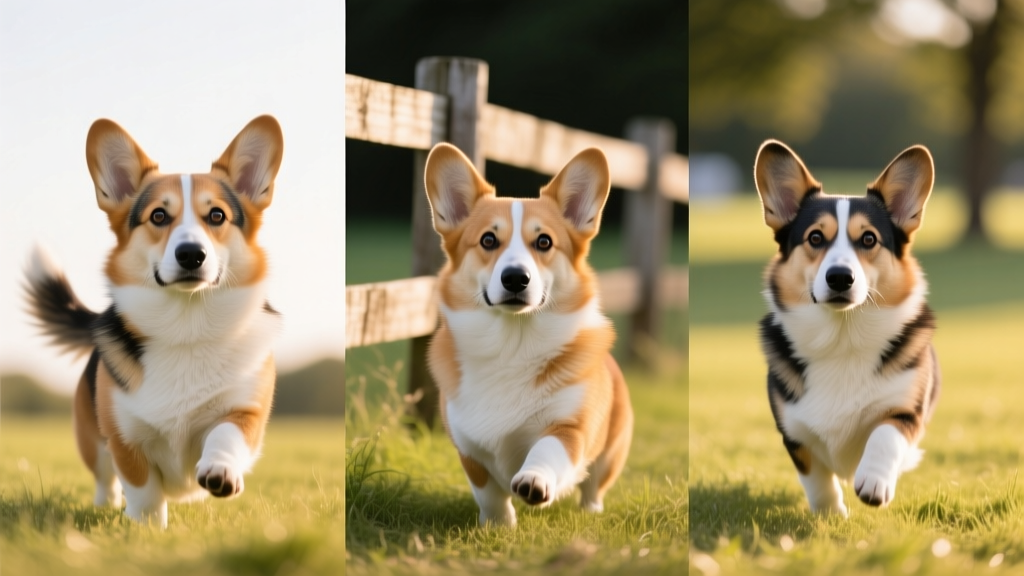
Why Corgi Names Deserve Extra Thought
Choosing from the endless pool of corgi names is one of the most exciting parts of welcoming this iconic herding breed into your home. But Corgis aren't your average companion dog — they're intelligent, opinionated, and steeped in Welsh heritage dating back to at least the 10th century. A name like "Buddy" simply doesn't capture the regal, fox-faced personality staring up at you from those stubby legs.
Whether you've just brought home a Pembroke Welsh Corgi puppy from a responsible breeder or adopted a Cardigan Welsh Corgi from a rescue, the right name sets the tone for training, bonding, and daily life. This guide pairs over 100 hand-curated corgi name ideas with a complete breed profile, so you understand the dog behind the name.
Quick Corgi Breed Snapshot
Before we get to the names, here's what you need to know about the breed itself. There are two distinct Corgi breeds recognized by the American Kennel Club: the Pembroke Welsh Corgi and the Cardigan Welsh Corgi. They differ in tail, ear shape, size, and temperament.
| Attribute | Pembroke Welsh Corgi | Cardigan Welsh Corgi |
|---|---|---|
| Weight Range | 25–30 lb / 11–14 kg | 25–38 lb / 11–17 kg |
| Height (at withers) | 10–12 inches / 25–30 cm | 10.5–12.5 inches / 27–32 cm |
| Lifespan | 12–13 years | 12–15 years |
| Coat Type | Double coat, medium length | Double coat, medium length |
| Colors | Red, sable, fawn, black & tan (all with/without white) | Red, sable, brindle, black, blue merle (all with/without white) |
| Tail | Naturally short or docked | Long, bushy, fox-like |
| Ears | Pointed, erect | Rounded tips, erect |
| Energy Level | High — 45–60+ min/day | Moderate-High — 40–60 min/day |
| AKC Group | Herding | Herding |
Top Corgi Names by Category
The best corgi names reflect their Welsh roots, herding instincts, compact-but-bold stature, or just their undeniable charm. Below are curated lists organized by theme.
Welsh-Inspired Corgi Names
Honoring the breed's Celtic origin is a timeless choice. These Welsh names carry real meaning:
- Cariad (kah-REE-ad) — Welsh for "darling" or "sweetheart"
- Rhiannon — A figure from Welsh mythology associated with horses and birds
- Griffith — Classic Welsh surname meaning "strong lord"
- Bryn — Welsh for "hill"
- Eira (AY-ra) — Welsh for "snow"
- Tegwen — Welsh for "fair and white"
- Cadell — Welsh for "spirit of battle"
- Seren — Welsh for "star"
- Gethin — Welsh for "dark-skinned" or "swarthy"
- Nerys — Welsh for "lord" or "lady"
Royal & Regal Corgi Names
Queen Elizabeth II owned more than 30 Pembroke Welsh Corgis during her reign, making royal names a natural fit:
- Windsor — After the royal house
- Elizabeth / Lilibet — The Queen's given name and family nickname
- Dookie — The name of the Queen's first Corgi (1933)
- Willow — One of the Queen's last Corgis
- Muick (pronounced "Mick") — Another of the Queen's Corgis
- Sandy — A gift to Queen Elizabeth in 1944
- Monarch — Fitting for the breed's dignified bearing
- Duchess — For the ladies
- Crown — Short, punchy, memorable
- Regent — For a Corgi who rules the household
Names Inspired by Corgi Appearance
Their fox-like faces, short legs, and fluffy rear ends practically name themselves:
- Loaf — Because Corgis look exactly like bread loaves when they plop down
- Spuds — Compact and earthy
- Fox — Their faces are uncannily vulpine
- Mochi — Soft, round, and sweet
- Stump — Affectionate nod to those short legs
- Tater — Small, golden, and universally loved
- Waddles — For the distinctive Corgi gait
- Butters — For the golden-red coat color
- Nugget — Small, golden, irresistible
- Pumpernickel — Long, silly, and perfect for a dark-coated Cardigan
Herding & Working Names
Corgis were bred to herd cattle by nipping at their heels — they're tenacious workers in a small package:
- Ranger
- Scout
- Dasher
- Blaze
- Rustler — A nod to cattle herding
- Heeler — After the heel-nipping herding style
- Wrangler
- Tracker
- Chief
- Maverick
Pop Culture Corgi Names
Corgis have had their moment in media and internet culture:
- Einstein — The Corgi from The Secret Life of Pets
- Cheddar — The "flawless" Corgi from Brooklyn Nine-Nine
- Rufus — Amazon founder Jeff Bezos' famous Corgi
- Ein — The hyper-intelligent Corgi from Cowboy Bebop
- Maru — A beloved internet-famous Corgi
- Yoda — Short, wise, big ears
- Gandalf — "You shall not pass" (Corgis are notorious door-blockers)
Gender-Specific Favorites
Top Female Corgi Names:
- Penny, Clover, Daisy, Hazel, Poppy, Fern, Maple, Juniper, Biscuit, Cleo
Top Male Corgi Names:
- Finn, Otis, Archie, Milo, Jasper, Winston, Chester, Brodie, Louie, Baxter
How to Choose the Perfect Name for Your Corgi
Names aren't just cute — they're training tools. Here's how to pick one that works:
The Two-Syllable Rule
Certified dog trainers consistently recommend names with one to two syllables. Dogs process shorter phonetic patterns faster. "Penny" registers quicker than "Penelope." If you love a longer name, use a short nickname for training calls.
Test the "back door" call: Stand at your back door and yell the name three times. If it feels awkward, too long, or you stumble over it, keep looking. You'll be calling this name thousands of times over the next decade.
Avoid sound-alikes: Names that sound like common commands create confusion. "Kit" sounds like "sit." "Bo" sounds like "no." "Ray" can be confused with "stay." Check your shortlist against your command vocabulary.
Positive association matters: During the first two weeks, pair the name exclusively with good things — treats, praise, play. Never use the name when scolding. According to the AKC's training guidelines, a dog can learn their name in as few as 5–10 short training sessions using positive reinforcement.
Corgi Temperament: What Personality Means for Naming
Understanding Corgi personality helps you pick a name that actually fits. These five core traits define the breed:
1. Bold and Confident
Corgis don't act small. They'll approach large dogs, strangers, and new situations with the swagger of a breed that once stared down 1,500-pound cattle. Names like Chief, Maverick, or Regent suit this fearlessness.
2. Intelligent and Independent
Ranked 11th in Stanley Coren's The Intelligence of Dogs, Pembrokes learn new commands in 5–15 repetitions. But they're also independent thinkers — they'll evaluate whether following your command is worth their effort. This isn't stubbornness; it's herding-dog problem-solving. Names like Einstein, Sage, or Clever acknowledge this sharp mind.
3. Vocal and Alert
Corgis are watchdogs by heritage. They bark at deliveries, squirrels, and leaves that look suspicious. If you're naming a Corgi, expect your neighbors to learn their name too. Scout, Sentry, or Barker lean into this trait with humor.
4. Affectionate and Loyal
Despite their independence, Corgis form intense bonds with their people. They follow owners room to room and prefer to be touching you at all times. Cariad (Welsh for "darling"), Shadow, or Velcro capture this devotion.
5. Playful and Mischievous
Corgis retain puppy-like energy well into adulthood. They're known for the "corgi sploot" (legs splayed flat behind them), zoomies, and stealing socks. Waddles, Loaf, or Bandit celebrate this playful side.
Corgi Physical Characteristics & Care
Size & Build
Both Corgi breeds fall into the small-to-medium size class. Pembrokes typically weigh 25–30 lb (11–14 kg) and stand 10–12 inches (25–30 cm) at the withers. Cardigans are slightly heavier at 25–38 lb (11–17 kg) and 10.5–12.5 inches (27–32 cm). Their bodies are long and low-slung — a deliberate trait for ducking under cattle kicks.
Coat & Grooming
Both breeds have a weather-resistant double coat: a soft, dense undercoat beneath a coarser outer coat. Expect moderate shedding year-round with heavy seasonal blows (typically spring and fall) lasting 2–4 weeks.
| Grooming Task | Frequency | Tools Needed |
|---|---|---|
| Brushing | 2–3× per week (daily during coat blow) | Slicker brush, undercoat rake (e.g., Furminator for small dogs) |
| Bathing | Every 6–8 weeks or as needed | Oatmeal-based dog shampoo |
| Nail trimming | Every 2–3 weeks | Guillotine or scissor-style clippers, styptic powder |
| Ear cleaning | Weekly check, clean monthly | Veterinarian-recommended ear cleanser, cotton balls |
| Dental care | Daily brushing ideal, minimum 3×/week | Dog-specific toothpaste, finger brush or small head brush |
Important: Never shave a Corgi's double coat. The undercoat regulates temperature in both heat and cold. Shaving disrupts this system and the coat may not grow back properly. If matting occurs, work it out with a dematting tool or see a professional groomer.
Exercise & Activity Needs
Don't let the short legs fool you — Corgis are herding dogs with real stamina. The Merck Veterinary Manual notes that herding breeds require both physical and mental stimulation to prevent destructive behavior.
- Daily exercise: 45–60 minutes minimum, split into two sessions
- Activity types: Brisk leash walks, fetch, herding ball (e.g., Jolly Ball 10"), flirt pole sessions, agility (low jumps only — see health section)
- Mental enrichment: Puzzle feeders (Outward Hound Nina Ottosson series), scent work, 10-minute training sessions, snuffle mats
- Avoid: High-impact jumping, long-distance running on hard surfaces, and stair-heavy environments — all stress the Corgi's elongated spine
Corgi Health: What Owners Must Know
Corgis are generally robust dogs, but their unique body structure — long spine, short legs, deep chest — predisposes them to specific conditions. Always consult your veterinarian for breed-appropriate health screening and preventive care.
| Condition | Description | Estimated Prevalence | Screening/Prevention |
|---|---|---|---|
| Intervertebral Disc Disease (IVDD) | Degeneration or herniation of spinal discs, causing pain, nerve damage, or paralysis | ~17–25% of Corgis (higher in some lines) | OFBA spine evaluation; avoid jumping/stairs; maintain lean body condition |
| Hip Dysplasia | Malformation of the hip joint leading to arthritis | ~15–17% per OFA data | OFA/PennHIP screening of parents; weight management |
| Degenerative Myelopathy (DM) | Progressive spinal cord disease causing hind limb weakness and eventual paralysis | ~35% carrier rate in Pembrokes | DNA test (SOD1 mutation); breeders should test breeding stock |
| Progressive Retinal Atrophy (PRA) | Genetic eye disease causing gradual vision loss | ~3–5% affected | Annual CERF/OFA ophthalmologist exam; DNA test available |
| Obesity | Excess weight dramatically worsens spinal and joint stress | ~30–40% of pet Corgis (estimated) | Measured meals, body condition score (BCS) monitoring, target BCS 4–5/9 |
🚨 IVDD Emergency Signs — Call Your Vet Immediately
- Sudden reluctance to move, jump, or climb stairs
- Arched or hunched back with visible pain
- Dragging hind legs or knuckling (walking on top of paw)
- Loss of bladder or bowel control
- Crying out when picked up or touched along the spine
IVDD is a time-sensitive emergency. Surgical outcomes are significantly better when treatment begins within 24–48 hours of symptom onset. Emergency spinal surgery typically costs $3,000–$8,000 depending on your region.
Recommended Health Screenings (OFA/CHIC)
Responsible breeders should provide OFA (Orthopedic Foundation for Animals) clearances for both parents. Ask for:
- Hip evaluation (OFA or PennHIP)
- Ophthalmologist evaluation (CERF)
- DM DNA test results (SOD1 gene)
- Cardiac evaluation (optional but recommended)
Training Your Corgi: Intelligence Meets Independence
Corgis are highly trainable but not biddable in the way a Golden Retriever is. They'll learn commands quickly, then decide whether compliance is in their interest. This demands the right approach:
Recommended method: Positive reinforcement with high-value treats (freeze-dried liver, small pieces of chicken). Keep sessions short — 5 to 10 minutes, 2–3 times daily. Corgis lose interest in repetitive drills fast.
Early socialization is critical: The primary socialization window closes around 12–14 weeks. Expose your Corgi puppy to diverse surfaces, sounds, people, dogs, and environments during this period. Puppy kindergarten classes (after initial DHPP vaccination) are ideal.
Herding instinct management: Corgis may nip at children's heels or chase cats — this is hardwired herding behavior, not aggression. Redirect with toys and teach a solid "leave it" command. Never use punishment-based methods like shock collars or prong collars; these damage trust and can increase reactivity in herding breeds.
Recall challenge: Corgis have moderate prey drive and can be distracted by wildlife. Practice recall in fenced areas before attempting off-leash work. Many owners use a long-line (15–30 ft training leash) as a transitional tool.
Family Suitability: Kids, Pets & Living Spaces
✅ Great For
- Families with children ages 6+ (Corgis tolerate handling well but may herd small, running children)
- Multi-pet households with proper introductions
- Active singles or couples who hike, walk, or do dog sports
- Apartment living IF exercise needs are met (they're vocal — consider neighbors)
- First-time owners willing to invest in training and socialization
⚠️ Consider Carefully If
- You have toddlers who run unpredictably (heel-nipping instinct)
- You work 10+ hours away from home (separation anxiety risk)
- You live in a building with strict noise policies (Corgis bark)
- You have multiple flights of stairs daily (spinal stress)
- You want a low-shedding dog (Corgis shed heavily)
With children: Corgis are generally patient and playful with kids who understand boundaries. Supervise all interactions with children under 8. Teach kids to avoid picking the dog up under the armpits (spinal stress) and to respect the Corgi's crate as a safe space.
With other dogs: Most Corgis enjoy canine company, especially if socialized early. Same-sex aggression can occur in some lines — meet the parents if possible.
With cats: Possible but requires management. The herding instinct means Corgis may chase or try to "herd" cats. A gradual introduction protocol over 1–2 weeks is essential.
Cost of Corgi Ownership
Budget realistically before committing. Here's what Corgi ownership actually costs in 2026:
| Expense Category | First Year | Annual (Ongoing) |
|---|---|---|
| Puppy purchase (responsible breeder) | $2,500–$4,500 | — |
| Adoption (rescue/shelter) | $300–$600 | — |
| Veterinary (wellness + vaccines) | $500–$800 | $400–$700 |
| Pet insurance (accident + illness) | $600–$1,200 | $600–$1,200 |
| Food (premium kibble, ~1.5 cups/day) | $400–$600 | $400–$600 |
| Grooming (professional, 4–6×/year) | $240–$480 | $240–$480 |
| Supplies (crate, bed, harness, toys) | $300–$500 | $100–$200 |
| Training (group classes) | $200–$400 | $0–$200 |
| Total Estimated | $5,040–$9,080 | $1,740–$3,380 |
Pet insurance note: Given the Corgi's predisposition to IVDD (surgical treatment: $3,000–$8,000) and hip dysplasia, a comprehensive accident-and-illness policy is strongly recommended. Enroll while your dog is young and healthy — pre-existing conditions are excluded by all major insurers. Companies like Trupanion, Healthy Paws, and Lemonade offer plans in the $50–$100/month range for Corgis depending on your ZIP code and deductible choice.
Corgi Naming FAQ
Is the Corgi breed right for first-time owners?
Yes, with caveats. Corgis are trainable and adaptable, but their intelligence means they'll test inconsistent owners. First-time owners should commit to puppy kindergarten classes, daily 10-minute training sessions, and a structured routine. If you're willing to put in the work during the first year, a Corgi can be an excellent first dog.
How much exercise does a Corgi need daily?
Plan for 45–60 minutes of structured activity per day, split into two sessions. This includes brisk walks (20–30 minutes each), play sessions, and mental enrichment. Corgis who don't get adequate exercise become destructive chewers and excessive barkers.
What health problems are Corgis prone to?
The most significant breed-specific concern is Intervertebral Disc Disease (IVDD), affecting an estimated 17–25% of Corgis. Hip dysplasia, degenerative myelopathy, and progressive retinal atrophy are also screened for by responsible breeders. Obesity is a major secondary risk that owners can control through measured feeding and exercise.
How big does a Corgi get?
Adult Pembroke Welsh Corgis typically weigh 25–30 lb (11–14 kg) and stand 10–12 inches (25–30 cm) tall. Cardigan Welsh Corgis are slightly larger at 25–38 lb (11–17 kg) and 10.5–12.5 inches (27–32 cm). Males tend toward the upper end of these ranges.
Are Corgis good with children and other pets?
Corgis are generally excellent with children ages 6 and up. They may try to herd toddlers by nipping at heels — this is instinct, not aggression, but it requires redirection. With other dogs, early socialization produces good results. Cat cohabitation is possible with patient introductions but requires monitoring due to prey drive.
How much does it cost to buy and maintain a Corgi?
Expect to pay $2,500–$4,500 for a Pembroke or Cardigan from a responsible breeder who health-tests parents. Adoption from a Corgi-specific rescue typically costs $300–$600. Annual ongoing costs (food, vet care, insurance, grooming, supplies) range from $1,740–$3,380 depending on your location and insurance plan.
When should I name my new Corgi?
Choose a name before your puppy arrives or within the first 48 hours. Consistency from day one accelerates name recognition. Use the name paired with treats and praise during every positive interaction for the first two weeks. Most Corgis reliably respond to their name within 5–10 days of consistent practice.
Marcus Aldridge
All our authors care for dogs every day — read more of their work on the authors page.


